

Antique Food Safe
An antique food safe keeps provisions cool and fresh before refrigeration, bringing vernacular charm and practical storage into modern kitchens.
Antique Food Safe
The antique food safe category encompasses larder cupboards, pantry cupboards, and specialised bread stores originating from domestic spaces across Britain, France, Scandinavia, and beyond. These pieces range in date from the seventeenth century through the Victorian era and early twentieth century, reflecting varied regional storage needs.
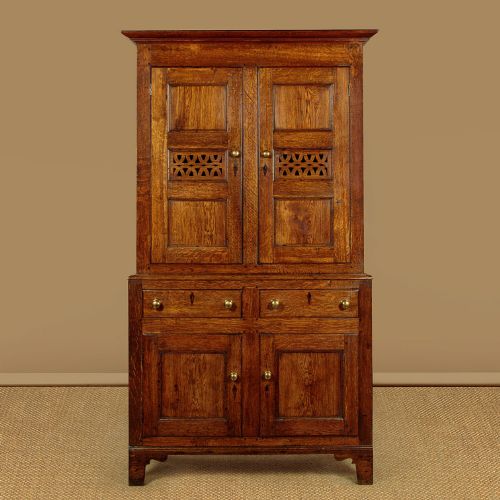
Kitchen cupboards and housekeeper's larders dominate the selection, often built with ventilation to protect perishables. Regional variations include French panetières, Spanish walnut cabinets, and Welsh vernacular storage units constructed for daily household utility.
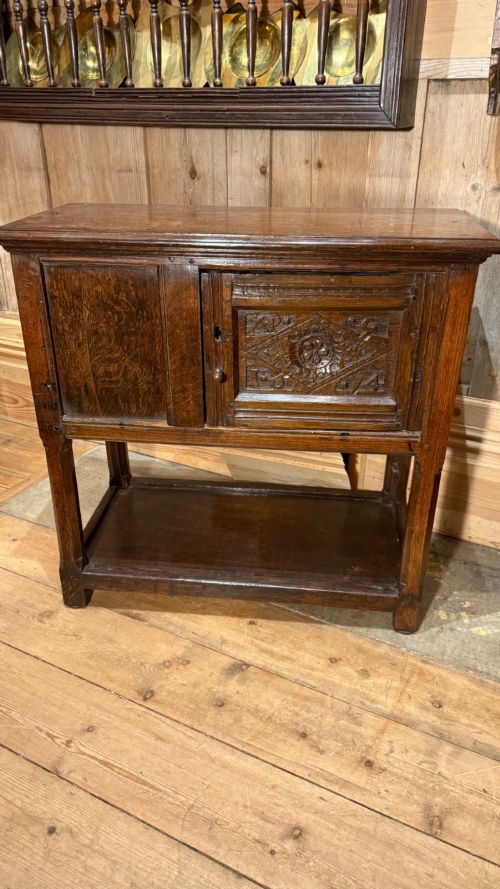
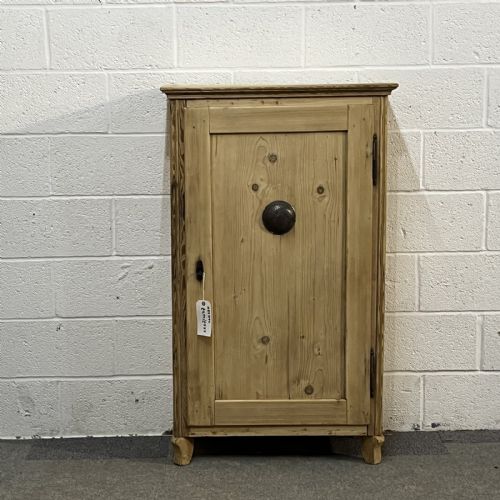
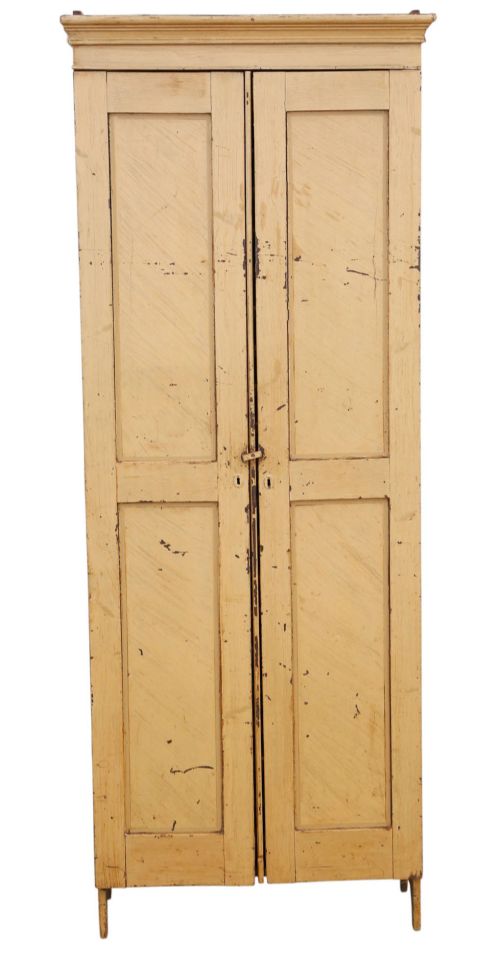
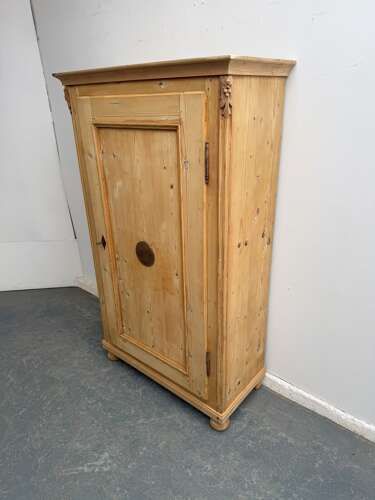
Buyers most frequently encounter nineteenth-century pine versions, often finished with original or later paint, alongside earlier oak and fruitwood examples from the seventeenth and eighteenth centuries.
Materials and Construction
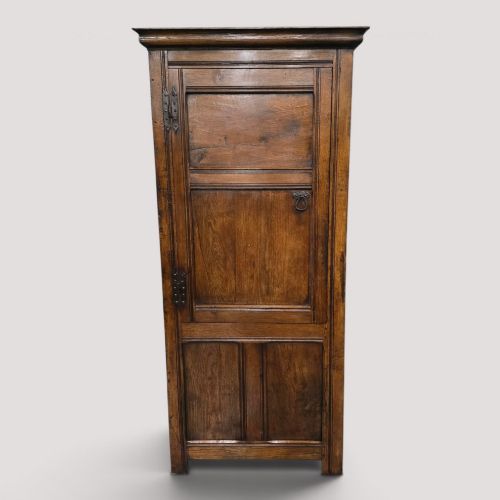
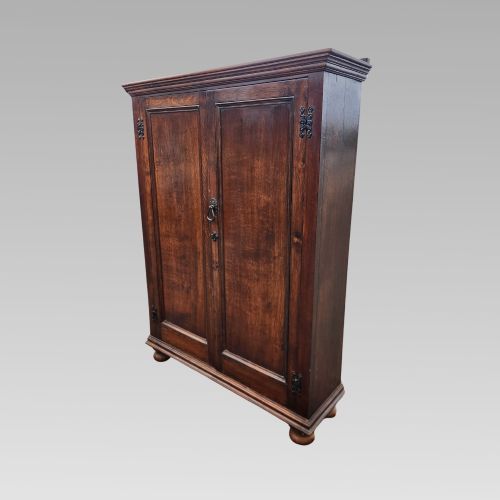
Makers utilised native timbers such as pine, oak, walnut, fruitwood, and chestnut, joining panels with traditional joinery suited to domestic furniture. Iron, brass, and wrought iron hardware, including blacksmith-made hinges and locks, secure the doors of earlier examples.
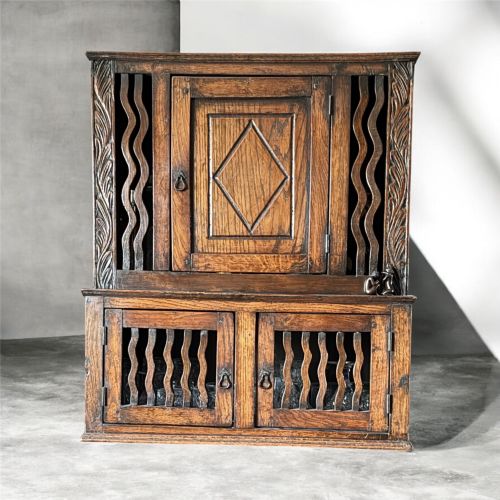
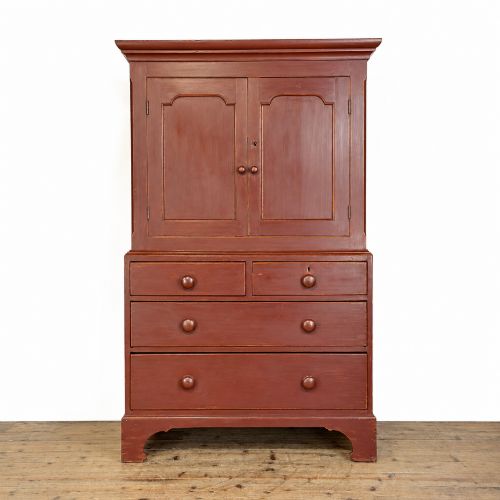
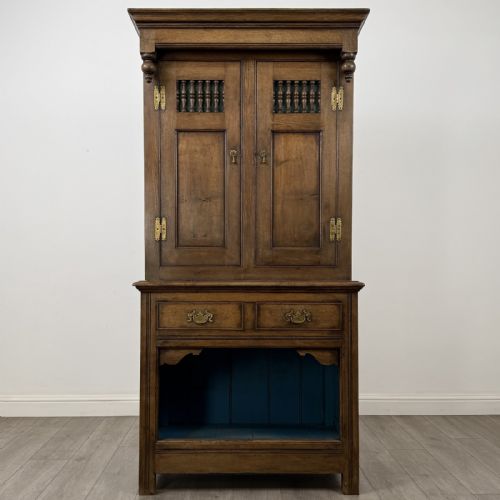
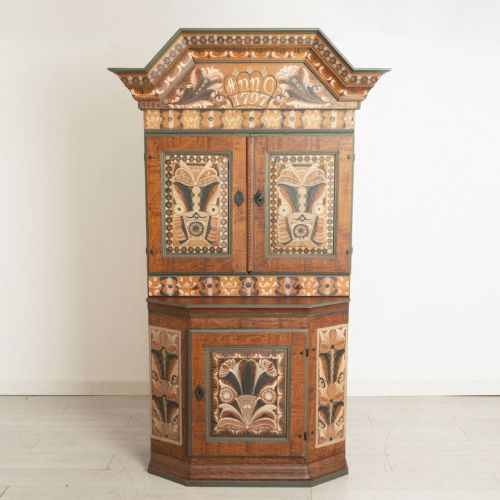
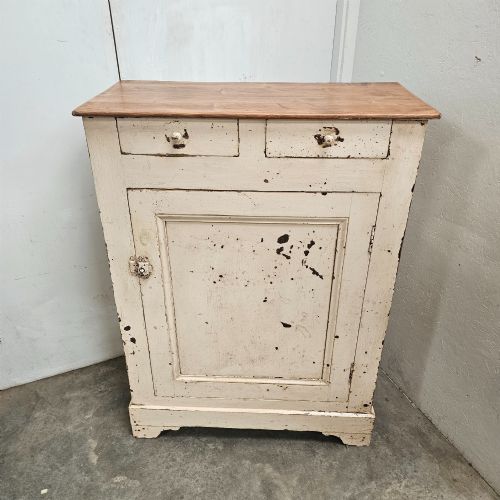
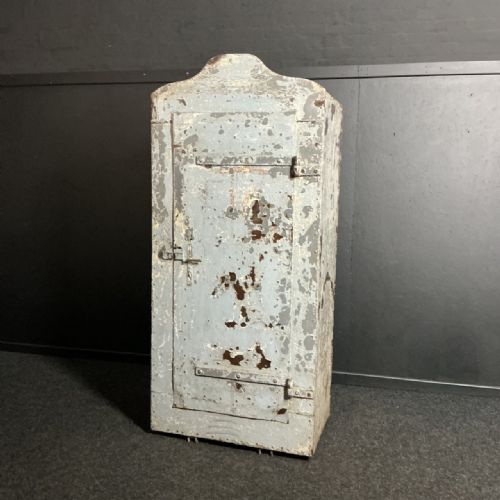
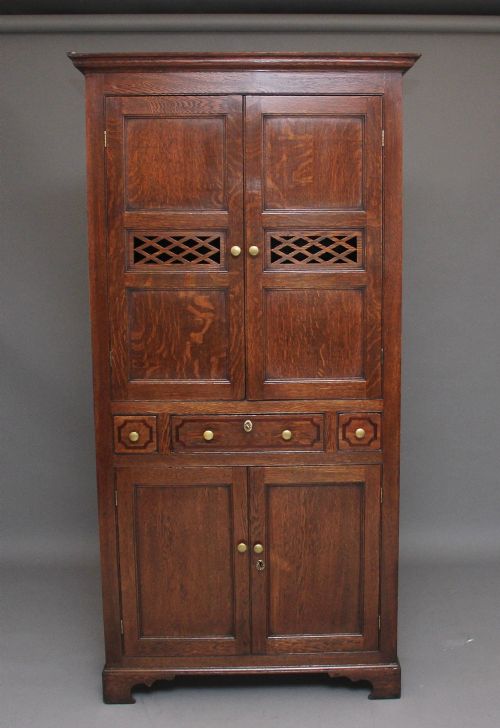
Surfaces frequently display historic paint, ranging from cream and green to distressed painted pine and folk art decoration. Vented panels incorporated wire mesh or pierced wooden slats to maintain airflow while keeping provisions protected.
Antique Food Safe Retail Price Guide 2026
Typical asking prices for food safe among the pieces listed under this phrase on Sellingantiques today, from the lower quarter to the upper quarter. They describe what is for sale here now, not the wider market.
Materials recorded across the inventory include pine, oak, walnut, chestnut, fruitwood, iron, and brass.
Evaluating Quality
Quality rests upon the integrity of the original timber and the retention of primary surfaces, such as early paintwork or untouched patinated oak. Pieces retaining original blacksmith-made ironwork and functional hinges command attention for their authenticity.
Proportion and regional character distinguish finer examples, where vernacular details like carved pine or carved kitchen fronts remain crisp. Alterations to ventilation panels or replaced hardware alter the original domestic context of the piece.
The Antique Food Safe Glossary
- Panetiere
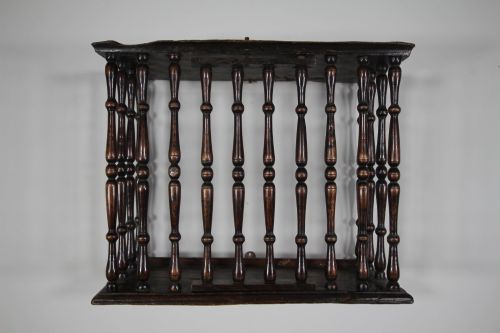
- A traditional French freestanding cabinet, often pillared and spindled, specifically designed for storing and airing loaves of bread. These structures keep baked goods protected from household pests.
- Vented
- Fitted with perforated metal, wire mesh, or pierced wooden panels to allow air circulation inside the cupboard. This ventilation was essential for preserving food before mechanical refrigeration.
- Housekeeper's Cupboard
- A large storage cabinet traditionally used in substantial homes to house linens, dry goods, and household provisions. They typically combine deep shelving with lower drawer configurations.
- Vernacular
- Domestic furniture built by local craftsmen to practical regional designs rather than following academic metropolitan styles. These pieces prioritize everyday utility and local timber availability.
- Confiturier
- A small French cupboard traditionally utilised for storing jars of confit and preserved meats. They usually feature a single door and compact proportions suited to provincial kitchens.
Antique Food Safe: Frequently Asked Questions
What is an antique food safe?
An antique food safe is a ventilated cabinet designed to store perishable provisions safely before the advent of domestic refrigeration. They utilise mesh panels and slatted doors to maintain air circulation while keeping insects away.
These pieces served as the primary food storage furniture in domestic kitchens and pantries across Europe and Britain. Today, they function as decorative storage units in modern homes.
How do I date an antique food safe?
Dating relies on examining the timber species, construction methods, and hardware such as hinges and locks. Seventeenth and eighteenth-century examples typically employ solid oak or walnut with hand-forged iron fittings, while nineteenth-century versions often feature pine and simple turned knobs.
Surface finishes also provide clues, as original paint layers, historic wax, and timber patination accumulate distinctive wear over centuries of domestic use.
Where were food safes used?
Food safes were placed in cool, well-ventilated areas of the home, including pantries, larders, and farm kitchen alcoves. Their construction allowed air to flow through the cabinet to prevent food spoilage.
Provincial examples originate from French manoirs, Scandinavian farmhouses, and British country houses where rural food preservation was part of daily domestic life.
How do I style a food safe in a modern kitchen?
A food safe provides practical shelving for crockery, glassware, or dry goods while adding texture and historic character to a room. The ventilated doors and painted pine surfaces offer a focal point that contrasts with contemporary fittings.
Placing the cupboard in a dining area or kitchen allows the piece to retain its original function as a storage cabinet for tableware and provisions.