

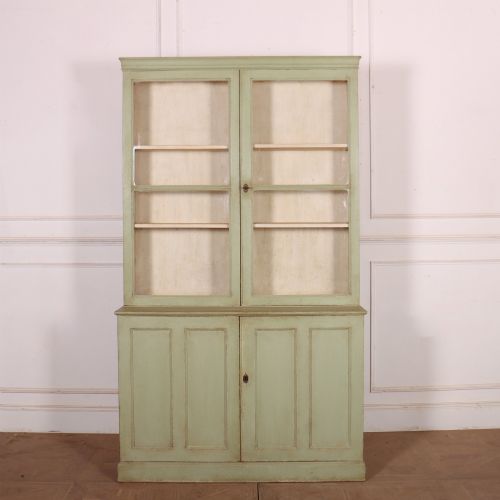
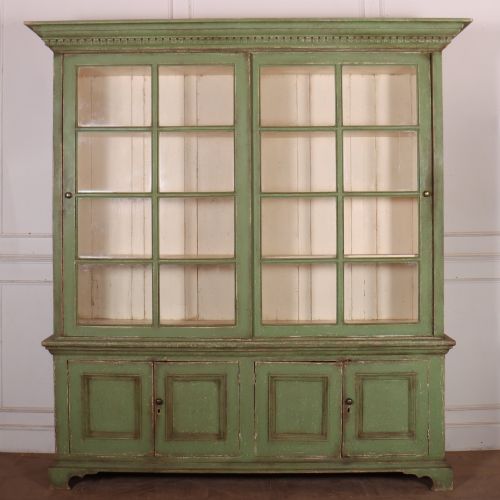
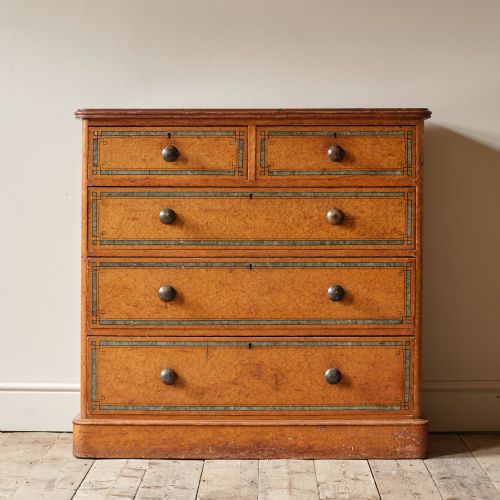


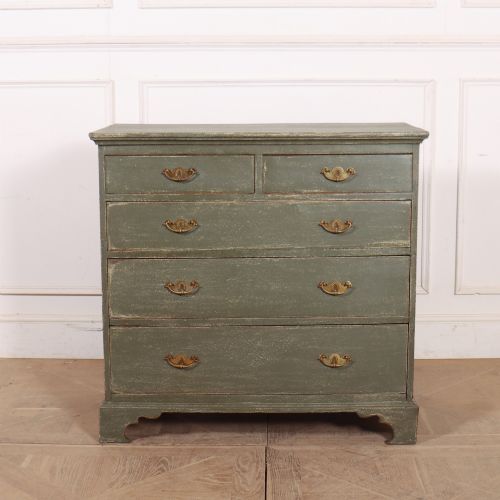




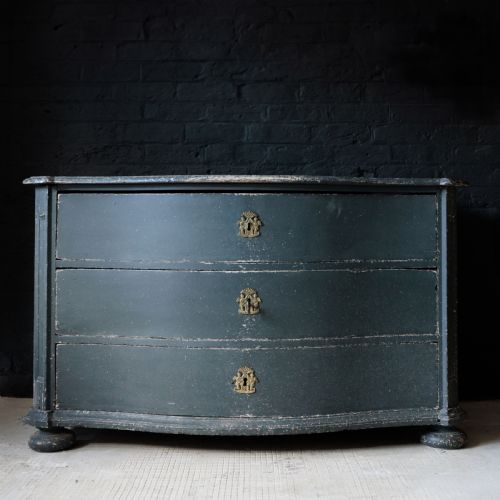

Green Painted Dresser
A green painted dresser brings rustic character and practical storage to a room, drawing on centuries of vernacular woodworking traditions.
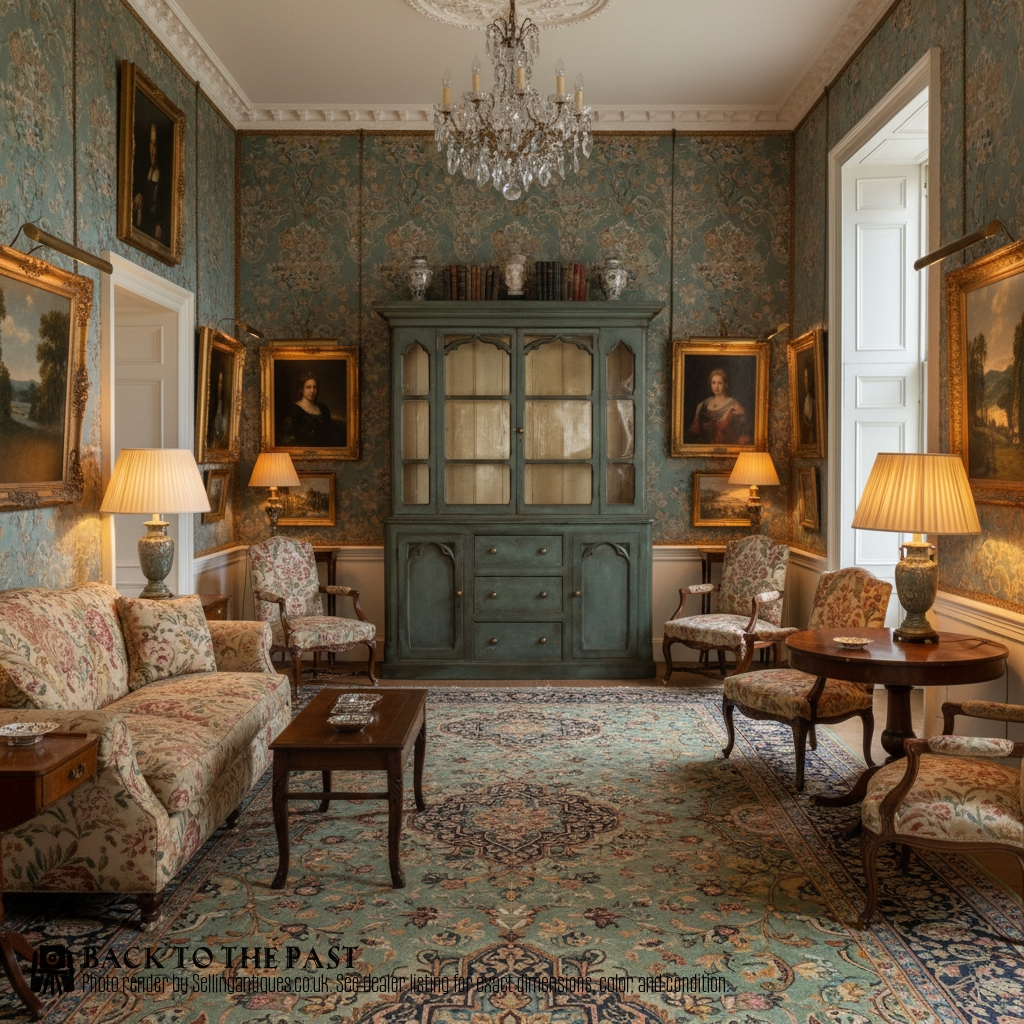
Green Painted Dresser
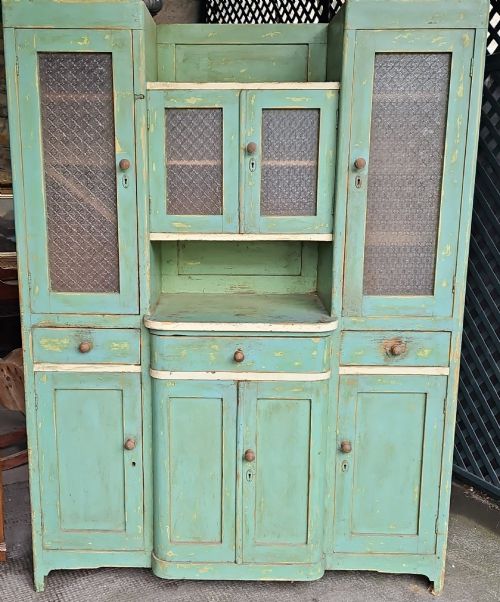
A green painted dresser is a substantial storage piece used in kitchens and living spaces, typically featuring open plate racks, enclosed cupboards, or drawers. When you search for a green painted dresser, you encounter items ranging from full kitchen dressers to low dresser bases and miniature furniture.
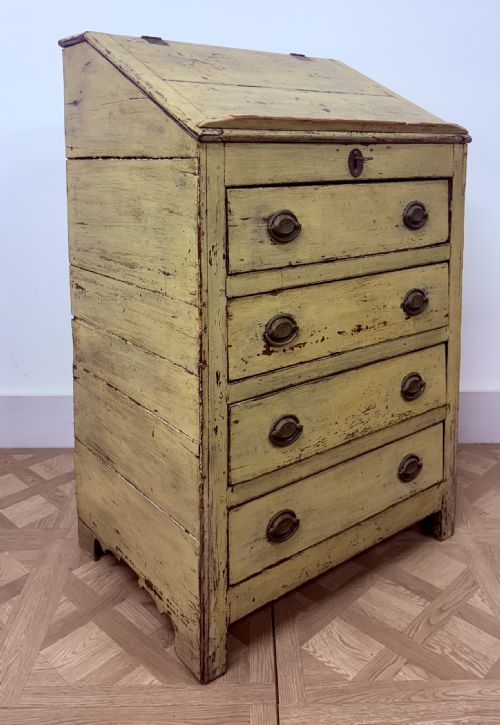
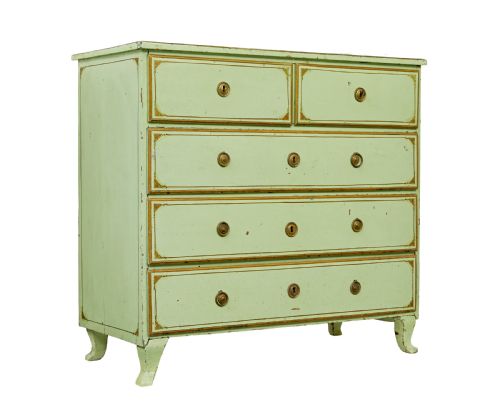
The pieces listed here span the eighteenth and nineteenth centuries, taking forms such as English country pieces, Alpine folk art, and French provincial examples. Regional variations include English West Country pieces, Somerset dog kennel dressers, and Hungarian shallow dresser bases.
Most examples are constructed from pine with surviving painted finishes, sometimes paired with glass or wooden doors, brass hardware, and iron fittings. You find both tall glazed dressers and open pot board configurations suited to country interiors.
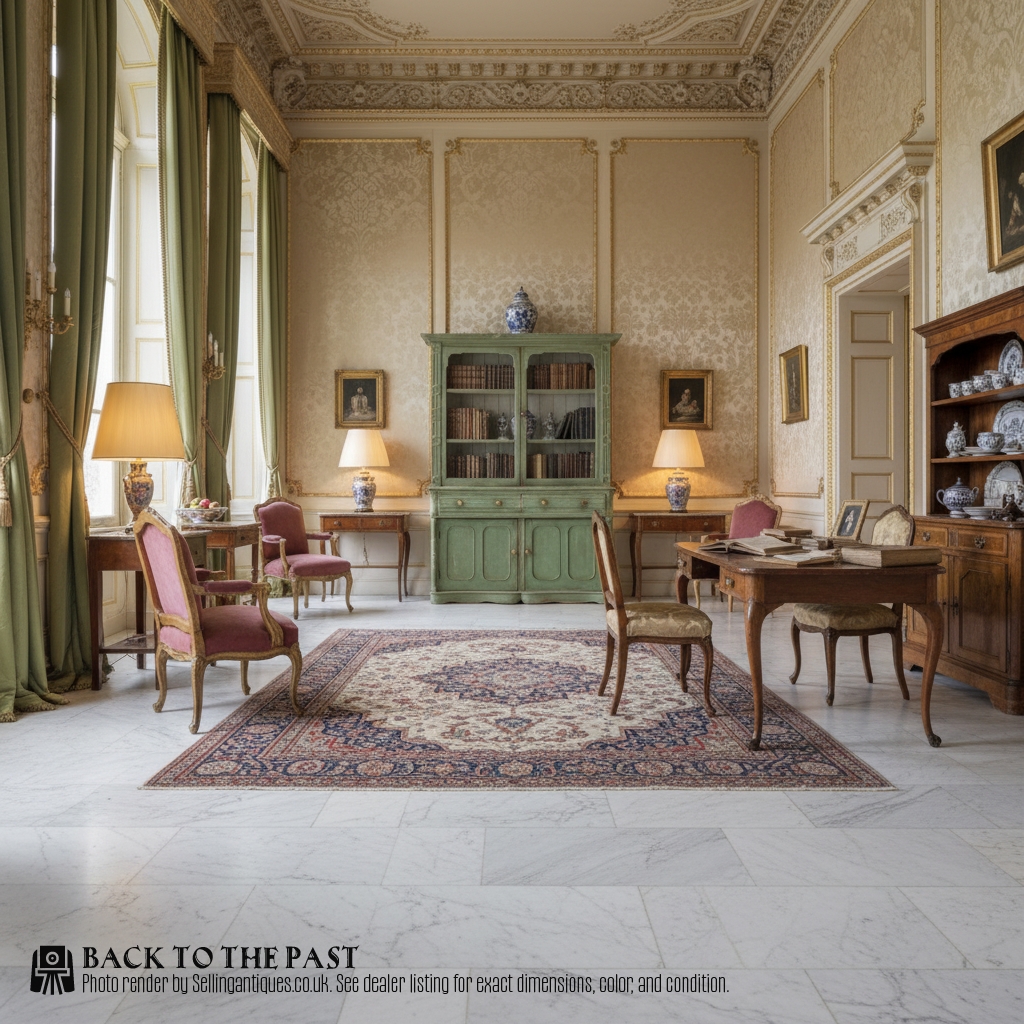
How they were made
These pieces are built primarily from pine and other woods, shaped by traditional carpentry and joinery techniques suited to country workshops. Surfaces carry original or historic painted finishes that define their distinct appearance.
Hardware elements incorporate brass and iron, used for hinges, handles, and structural fittings on doors and drawers. Glazed sections utilise glass panes set into wooden frames for display cabinets.
Green Painted Dresser Retail Price Guide 2026
Typical asking prices for green painted dresser among the pieces listed under this phrase on Sellingantiques today, from the lower quarter to the upper quarter. They describe what is for sale here now, not the wider market.
What varies in quality
Quality rests in the survival of original painted surfaces and the integrity of the timber construction. Pieces retaining their early paintwork show greater authenticity than later repainted surfaces.
Proportion and regional detail distinguish standard vernacular furniture from finer folk art and provincial examples. The presence of original brass or iron hardware and unaltered pot boards adds to the character of the piece.
The Green Painted Dresser Glossary
- Pot board
- An open lower shelf built into a dresser traditionally used for storing pots and heavy earthenware. This feature defines many eighteenth-century English country examples.
- Dog kennel dresser
- A dresser base featuring a central recessed open space flanked by cupboards or drawers, resembling a kennel. This regional layout is found in West Country pieces.
- Alpine folk art
- Decorative styles originating from mountain regions, often characterised by carved details and distinct painted finishes. These pieces reflect local rural traditions.
- Dresser base
- The lower section of a kitchen dresser without the upper plate rack. These freestanding units function as sideboards with drawers and cupboards.
Green Painted Dresser: Frequently Asked Questions
What is a green painted dresser?
A green painted dresser is a traditional wooden storage unit featuring a painted finish in shades of green. These pieces function as kitchen dressers, sideboards, or low bases.
Most examples date from the eighteenth and nineteenth centuries, originating from English regional workshops, France, Hungary, and Alpine regions.
How do I date a painted dresser?
Dating relies on examining construction methods, timber types, and the composition of the painted finish. Eighteenth-century pieces often display hand-planed boards and simpler joinery.
Nineteenth-century examples introduce standardised mill-sawn timber and machine-cut nails while maintaining regional vernacular styles.
Where were these dressers made?
These pieces were produced in local provincial workshops across England, particularly the West Country and Somerset, as well as in France, Hungary, and Alpine Europe.
Each region developed distinct proportions, hardware choices, and structural layouts like pot boards or dog kennels.
How do I care for antique painted wood?
Antique painted furniture requires stable indoor humidity and protection from direct sunlight to preserve the finish. Cleaning should be done with a dry or barely damp soft cloth.
Avoid modern chemical polishes that can degrade historic paint layers and binders over time.