

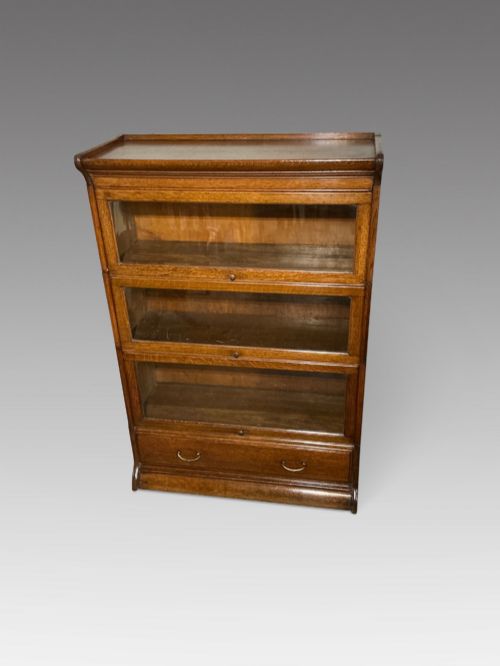
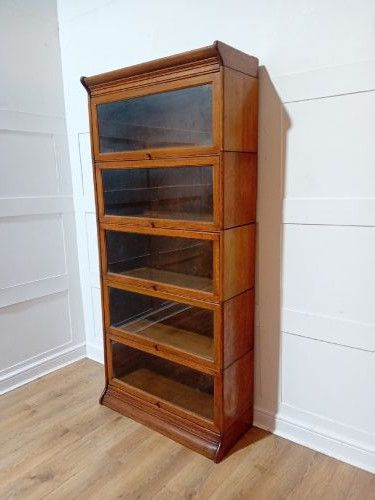
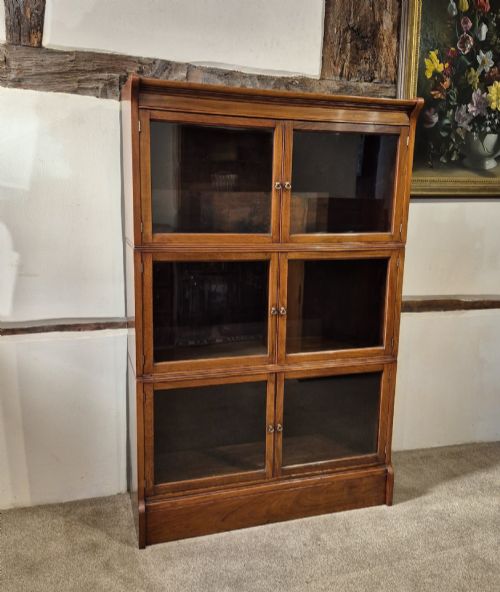
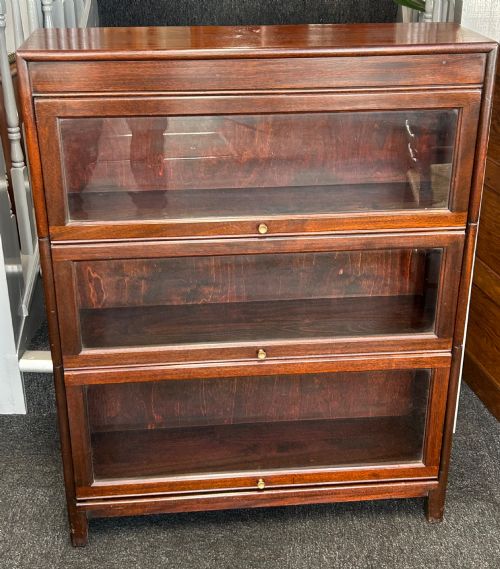
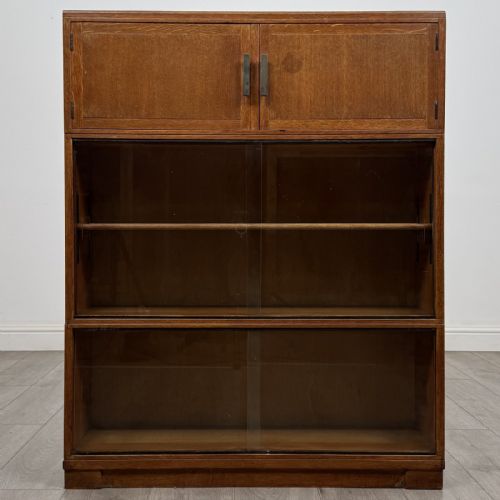
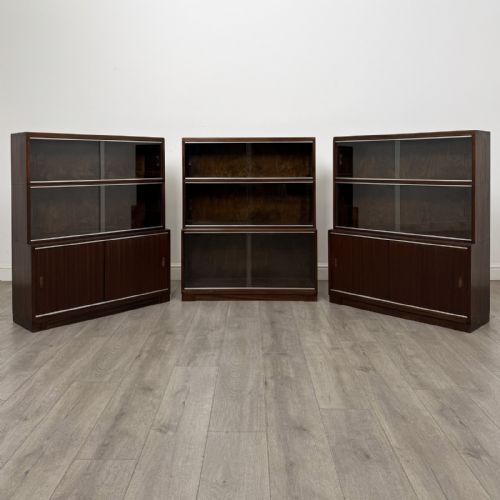
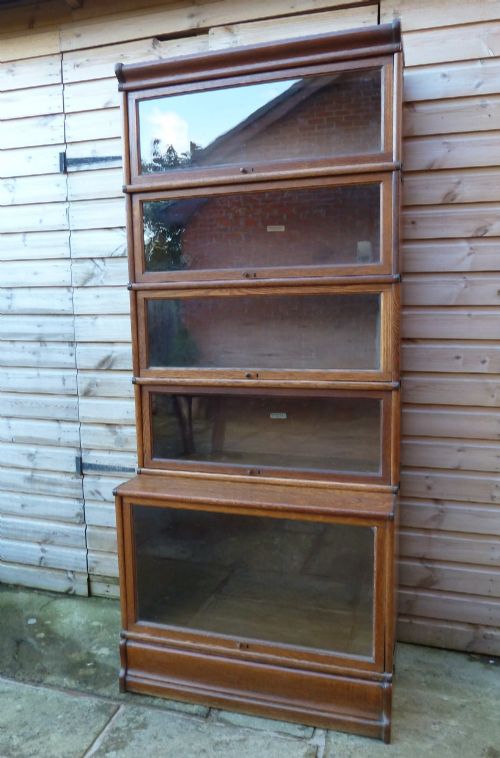
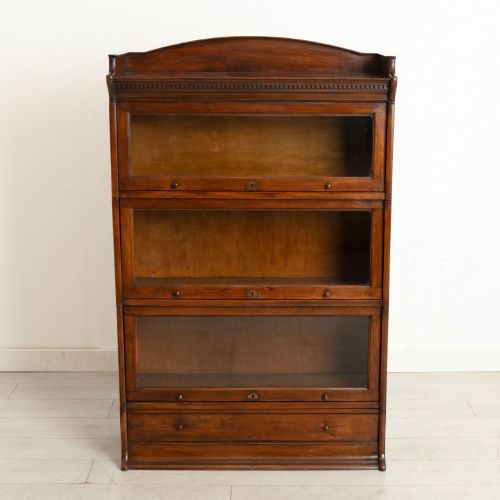
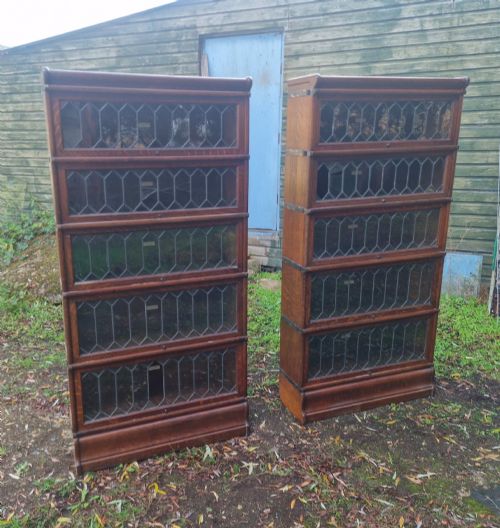
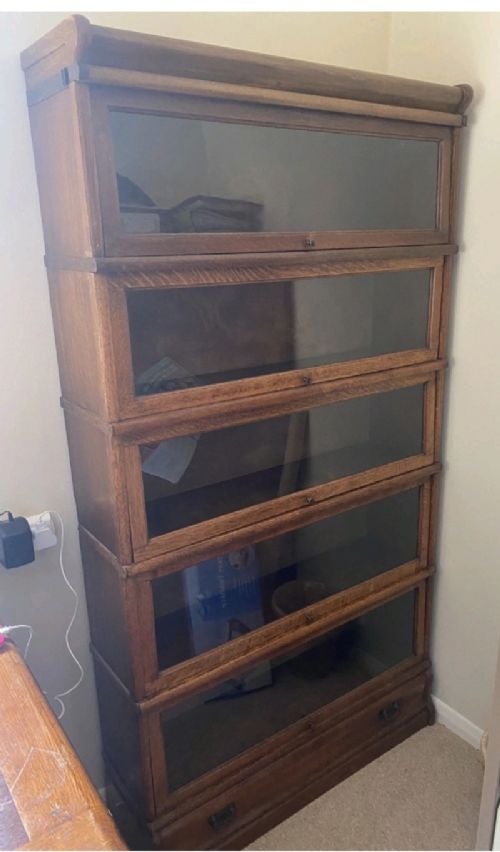
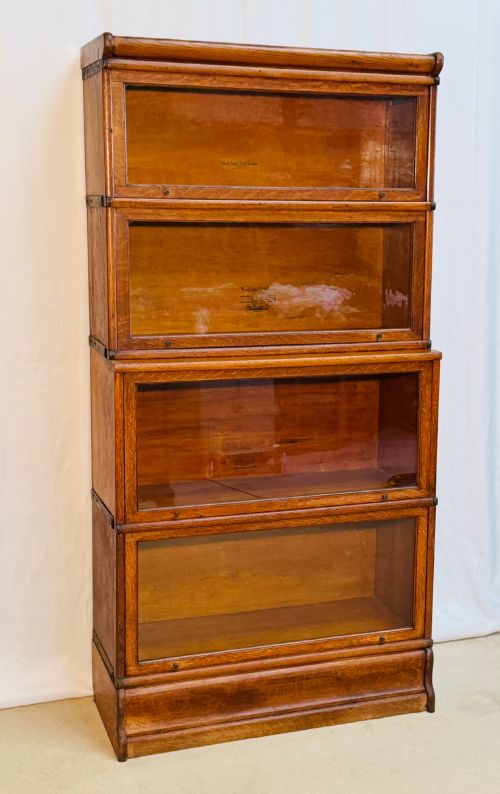
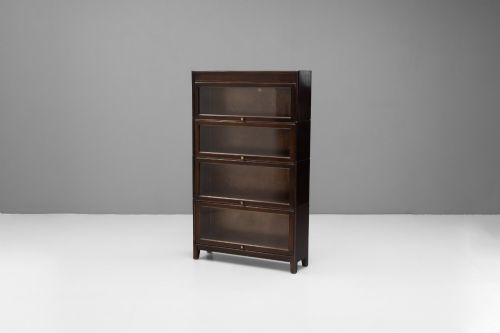
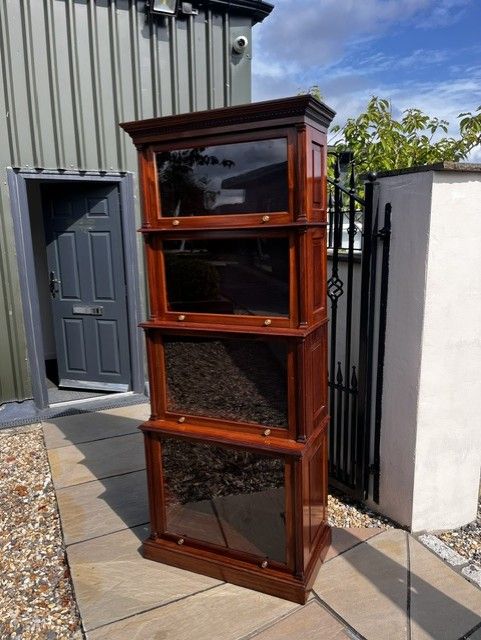
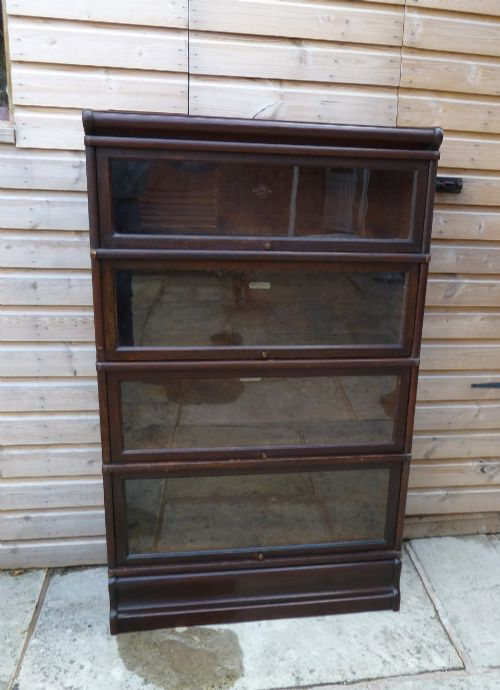
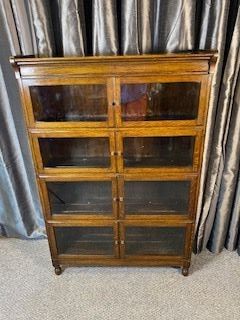
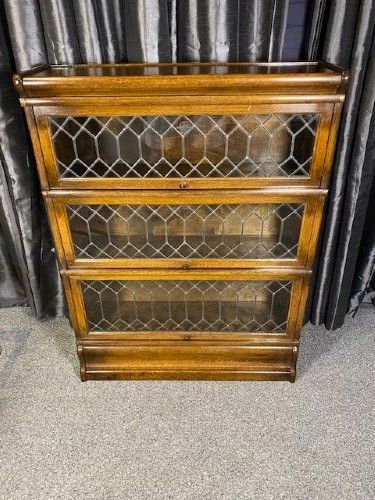
Glazed Sectional Bookcase
A glazed sectional bookcase brings modular flexibility and period character to any room, offering distinct glass-fronted tiers that stack together.
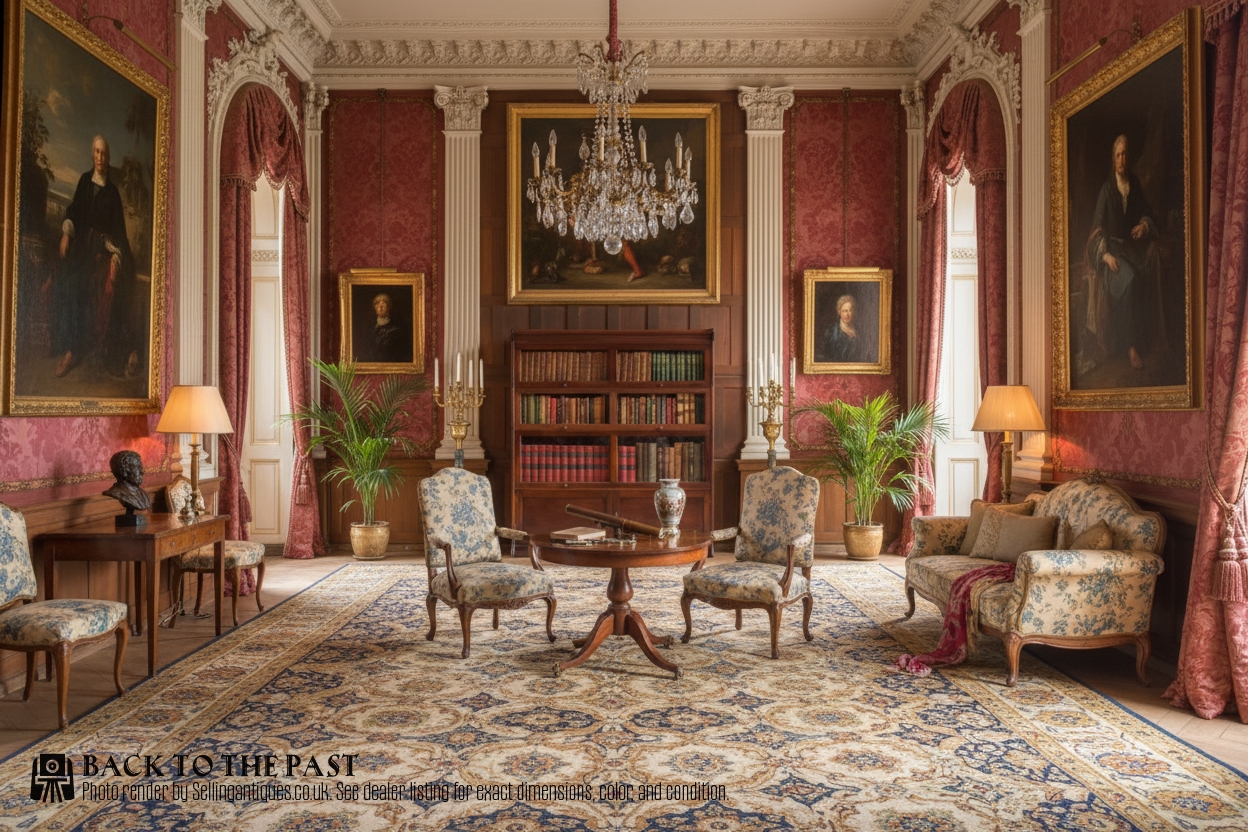
Glazed Sectional Bookcase
A glazed sectional bookcase provides modular storage through independent tiers that stack to form a tall cabinet. When you search for a glazed sectional bookcase, you encounter practical stacking designs from the Edwardian period, nineteen-tens, and nineteen-twenties.
The oak and mahogany versions dominate the available selections, frequently incorporating leaded glass doors and brass hardware. These pieces served in offices and studies before moving into modern domestic spaces for flexible book storage.
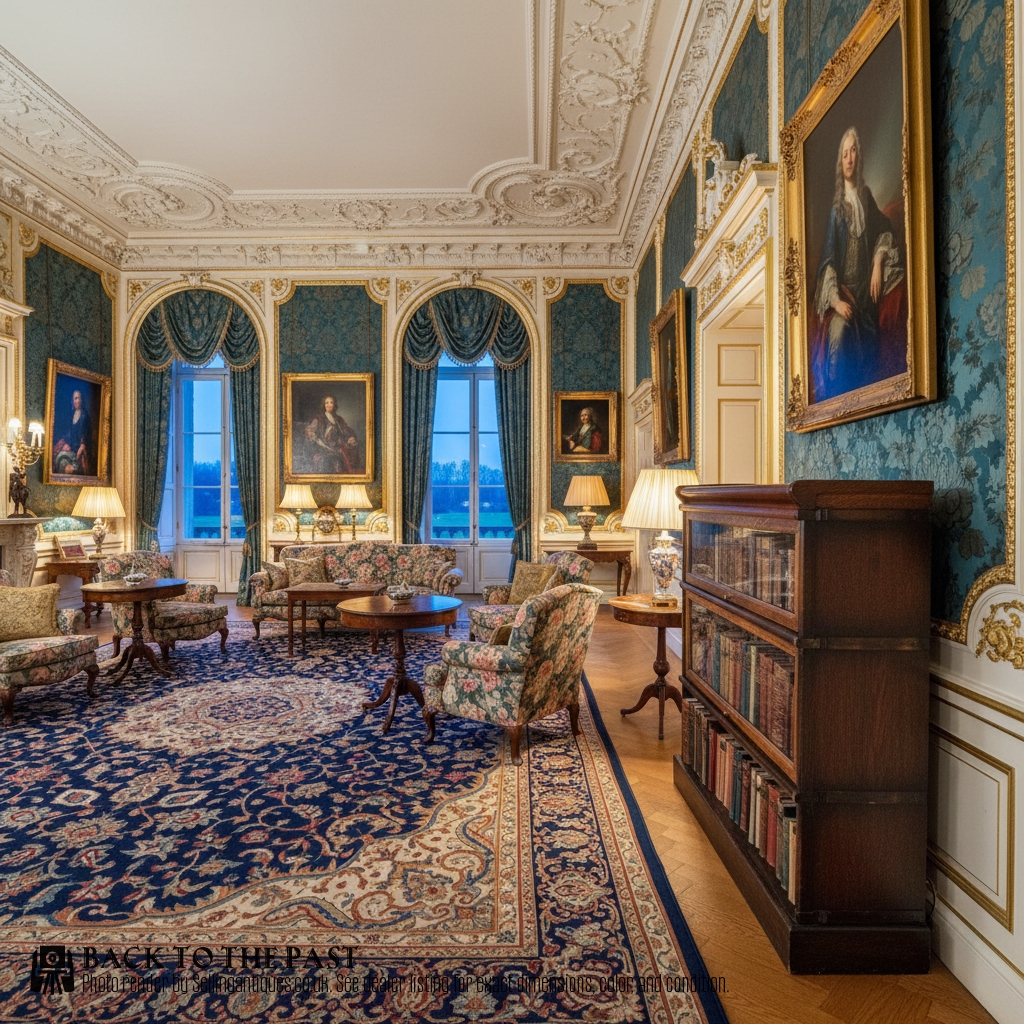
How They Were Made
Cabinet makers utilised solid oak and mahogany alongside veneers, constructing individual modular tiers with precise joinery. Glass panes, sometimes leaded, fit into wooden doors designed to lift and slide neatly into the cabinet body above the books.
Brass fittings and metal mechanisms were incorporated to ensure the stacking sections align securely and the glass doors operate smoothly. Workshops applied polished finishes to highlight the natural grain of the timber.
Glazed Sectional Bookcase Retail Price Guide 2026
Typical asking prices for glazed sectional bookcase among the pieces listed under this phrase on Sellingantiques today, from the lower quarter to the upper quarter. They describe what is for sale here now, not the wider market.
Solicitors appreciated these cabinets because they kept dusty law reports clean while letting them read the titles without opening the doors.
What Varies in Quality
The standard of timber selection and the precision of the stacking mechanism dictate the overall grade of a sectional bookcase. Fine examples display consistent grain matching across tiers and retain their original working brass hardware.
Makers known for specific production standards achieve superior results through robust internal framing and clean glass glazing. Lesser examples show mismatched woods or replacement metal components that alter the original operation of the sliding doors.
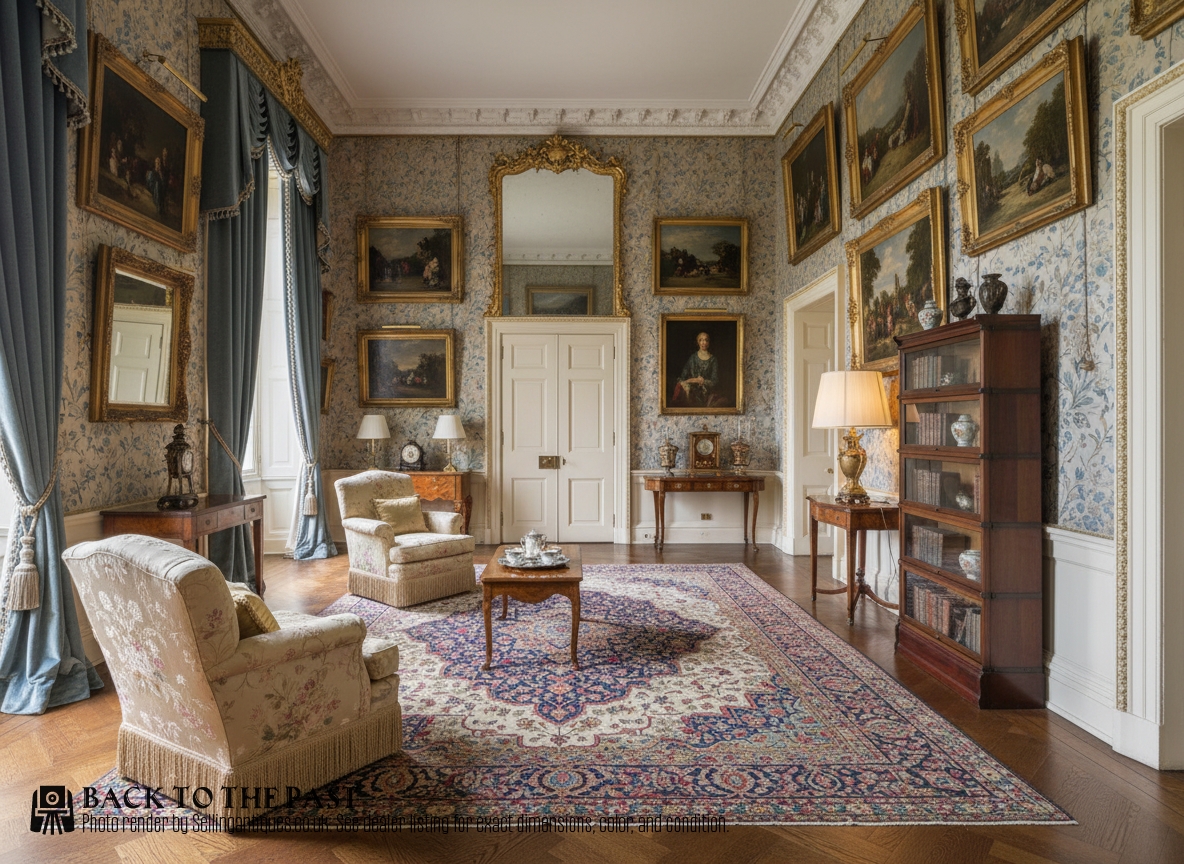
Globe Wernicke·Heals·Lebus·Minty·Gunn·AMYL·Dawsons of Manchester
The Glazed Sectional Bookcase Glossary
- Sectional bookcase
- A tall storage unit built from independent, stackable modular tiers rather than a single fixed frame.
- Barrister bookcase
- An alternative name for a stacking office bookcase featuring upward-lifting glass doors designed for rapid access.
- Leaded glass
- Small glass panes joined together by narrow strips of lead to form decorative geometric windows within the doors.
- Tier
- A single stackable section or modular box containing its own glazed door and internal shelf space.
Glazed Sectional Bookcase: Frequently Asked Questions
How do sectional bookcases work?
Each tier operates as an independent wooden box with a glazed door that lifts and slides back into the cabinet cavity. The sections simply stack one on top of another without permanent fixings.
This modular construction allows owners to add or remove tiers depending on their storage needs and ceiling height.
What periods do these bookcases come from?
Most examples originate from the Edwardian era through the nineteen-twenties and nineteen-thirties, reflecting the peak of modular office furniture design. Earlier Georgian styles appear less frequently.
Makers such as Globe Wernicke and Minty popularised these stacking formats during the early twentieth century.
Are all the sections attached together?
The individual tiers rest securely on top of each other using tongue-and-groove or pin-and-socket alignment joints rather than screws or glue. A moulded base supports the stack while a matching top cornice finishes the piece.
This loose-stacked design makes dismantling and transporting the tall cabinet straightforward.
What is the difference between oak and mahogany versions?
Oak versions typically display strong grain patterns and appear frequently in golden or darker fumed finishes suited to Arts and Crafts interiors. Mahogany examples offer a smoother, red-brown appearance often associated with more formal library settings.
Both timbers provide the structural rigidity necessary to support multiple stacked glass tiers.