
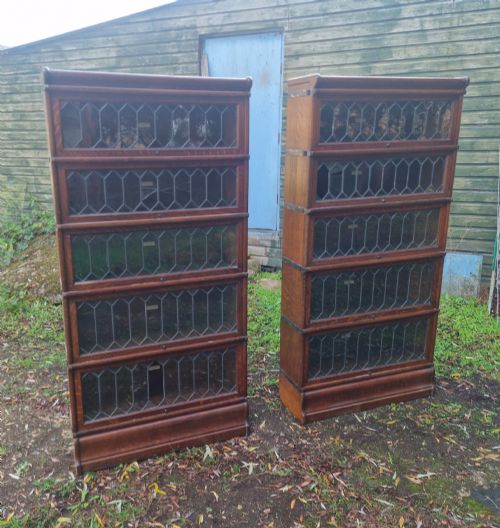
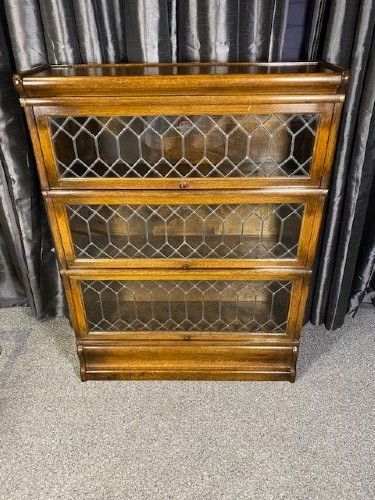
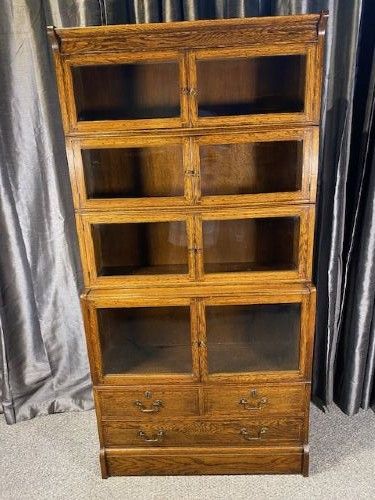
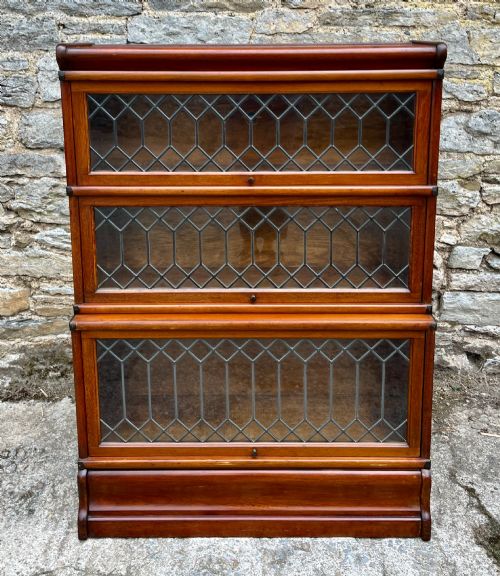
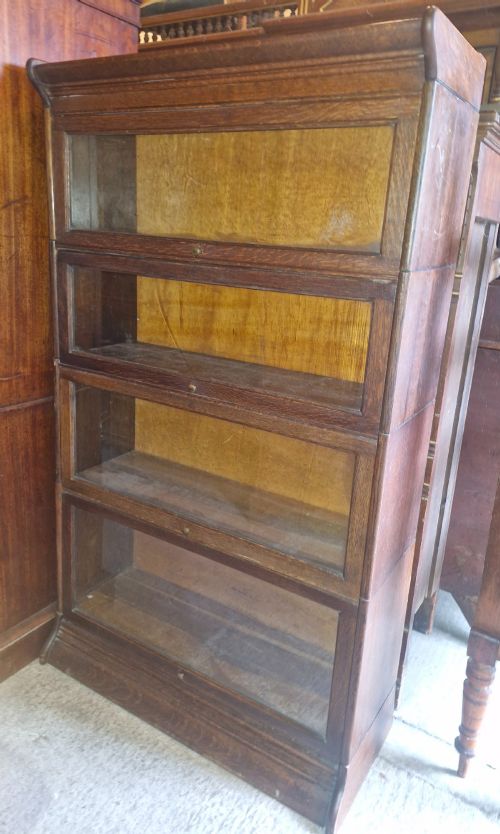
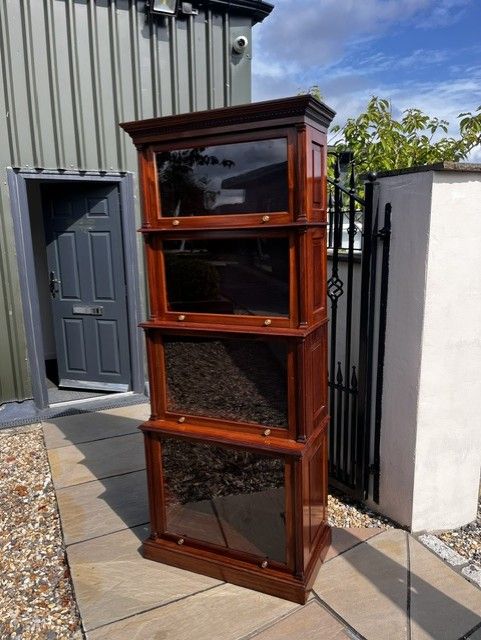
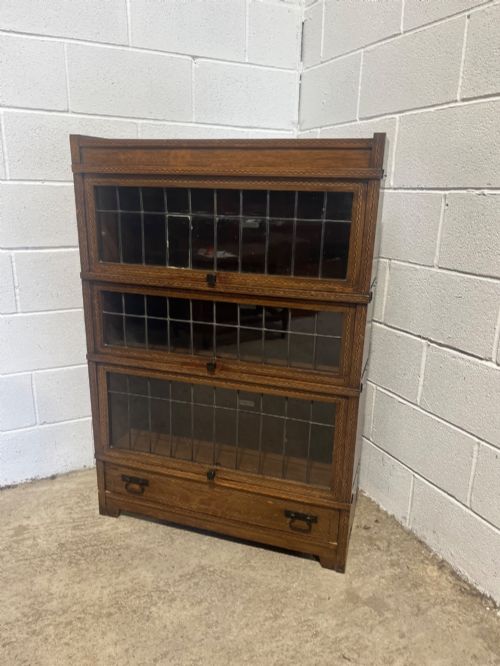
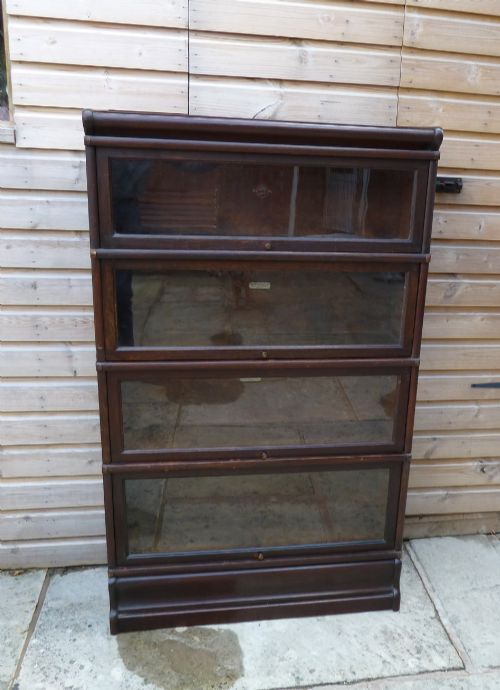

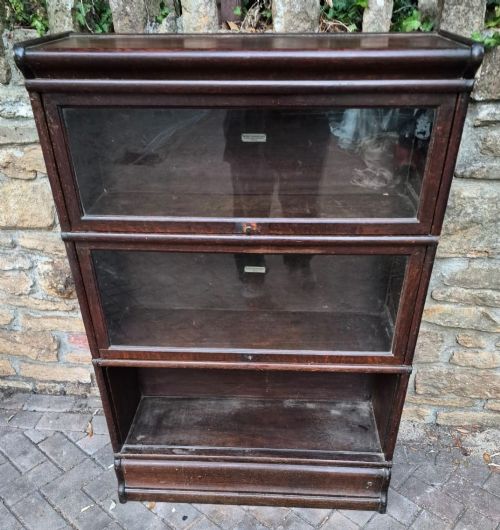
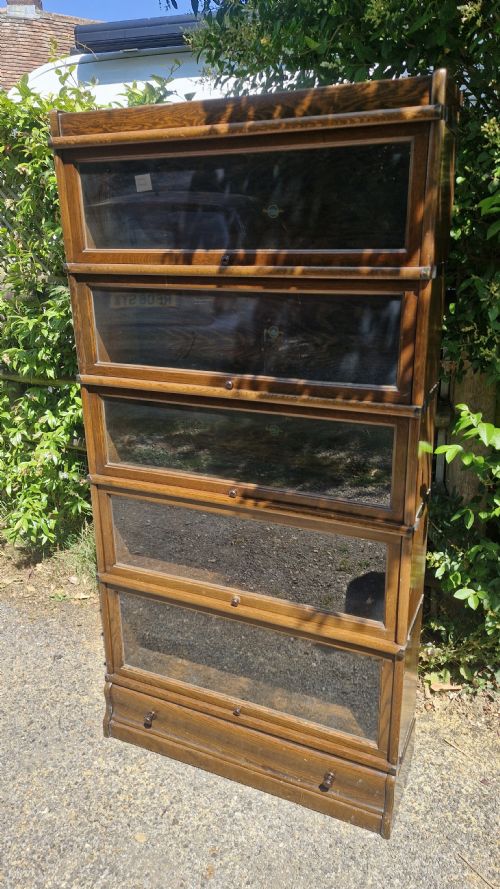
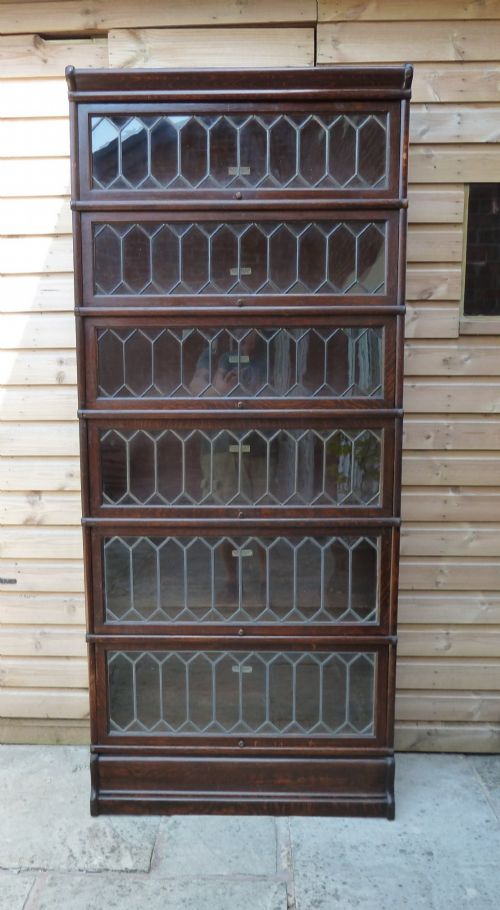
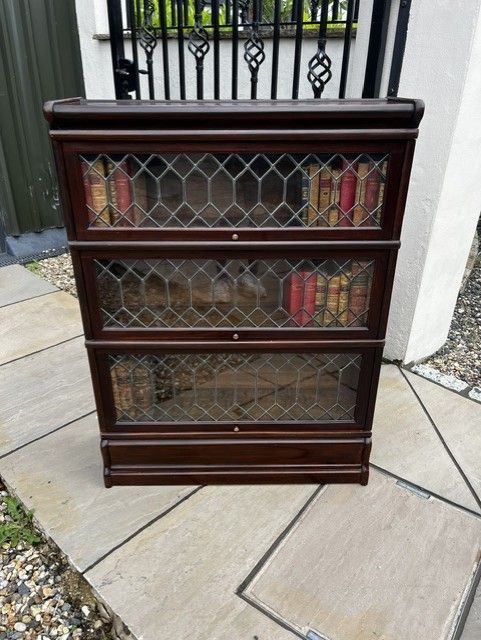
Edwardian Barrister Bookcase
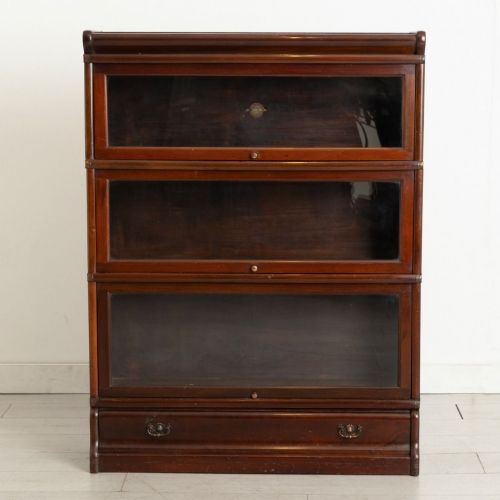
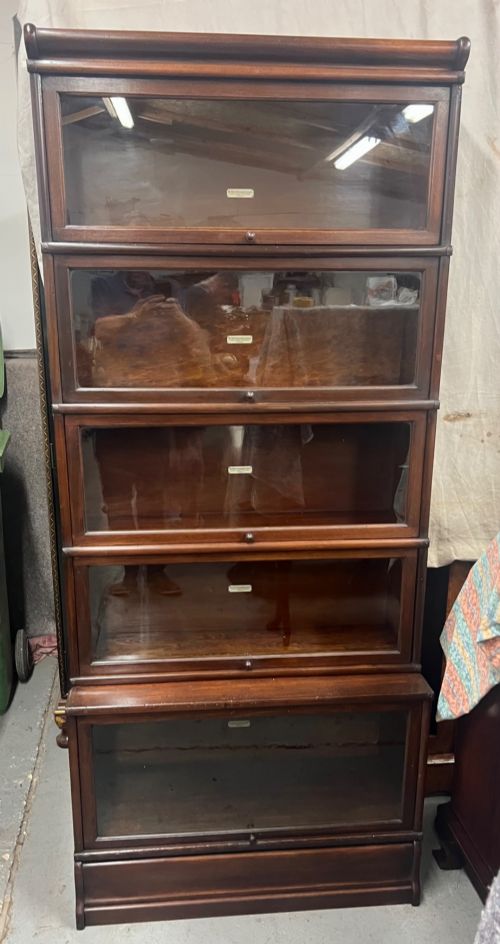
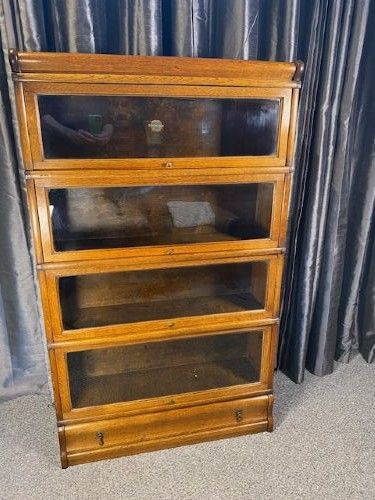
These edwardian barrister bookcase pieces are modular stacking units with glazed lifting doors designed to keep volumes clean and accessible in any study.
Understanding the edwardian barrister bookcase
The edwardian barrister bookcase consists of modular stacking sections that allow the owner to add tiers as a library grows. These functional pieces appear in mahogany and oak, often configured into multi-tier towers or pairs.
Most examples originate from the Edwardian era through to the 1920s, reflecting the period demand for practical yet formal office and library furniture. They stand out for their clever vertical design and glazed front panels.
The configuration ranges from single narrow stacks to larger double units, sometimes incorporating filing compartments alongside standard book tiers. This modular adaptability remains the core appeal for modern collectors.
Materials and construction methods
Makers utilised solid mahogany and oak as the primary timbers, frequently pairing the wood with brass hardware and leaded glass detailing. The modular carcasses were built in separate horizontal sections that rest one upon another without permanent fixings.
The distinguishing mechanical feature is the lifting glass door, which slides smoothly on internal metal mechanisms into the cabinet above the books. This protects volumes from dust while allowing effortless access during daily reading.
Retail Price Guide 2026
Typical UK retail prices for edwardian barrister bookcase, calculated from the Sellingantiques database of over a million retail prices indexed since 2003. This retail price guide relies exclusively on Sellingantiques data; no external sources or auction records are used, so the figures do not describe the wider market.
Early lawyers reportedly appreciated these cases because they could lock an entire portable library with a single bottom mechanism.
Judging quality and proportion
The distinction between standard utility and superior craftsmanship rests in the choice of timber and the precision of the stacking mechanism. Solid mahogany or figured oak examples with original brass fittings and intact leaded glass represent the higher end of production.
Proportion and scale dictate the visual presence of the furniture, with taller multi-tier stacks and matched pairs commanding greater architectural authority. The crispness of the joinery and the smooth action of the lifting doors separate finer workshops from mass output.
Globe Wernicke·Minty·Lebus·Gunn
The Edwardian Barrister Bookcase Glossary
- Barrister bookcase
- A tall stacking bookcase featuring individual glazed compartments with upward-lifting doors. This design originated to protect law books in professional chambers.
- Sectional bookcase
- Furniture constructed in separate modular tiers that stack vertically. This allows the owner to dismantle or expand the shelving unit easily.
- Globe Wernicke
- A prominent manufacturing system of modular stacking bookcases popular during the early twentieth century. These units set the standard for interchangeable office library furniture.
- Leaded glass
- Small panes of glass held together by strips of lead within the door frame. This decorative technique appears on select glazed cabinet doors.
- Cornice
- The decorative moulding fitted to the top tier of a bookcase. It provides a finished architectural cap to the vertical stack.
Frequently Asked Questions
What is a barrister bookcase?
A barrister bookcase is a modular piece of furniture made of stacking sections with glass doors that lift upward and slide into the cabinet.
This design protected valuable law books from dust and moisture in professional offices while keeping volumes easily visible.
How do the stacking sections work?
Each tier is a separate wooden box with its own glass door that rests independently on the section below it without permanent fixings.
This allows the entire bookcase to be pulled apart into individual modular components for moving or to add new shelves over time.
What woods were used?
The primary timbers found in these pieces are solid oak and mahogany, often selected for their durability and grain pattern.
Internal mechanisms rely on metal brackets and brass hardware to support the sliding door action across each individual tier.
How do I date an antique barrister bookcase?
Dating relies on stylistic markers, construction methods, and maker marks stamped into the wood or hardware from the Edwardian period up to the 1920s.
Examining the type of timber, the presence of leaded glass, and specific manufacturer patents helps narrow down the exact decade of production.