



Brown Oak Shelves
Brown oak shelves bring a rich, deep timber tone to interiors, offering sturdy display space for books and collections.
Brown Oak Shelves
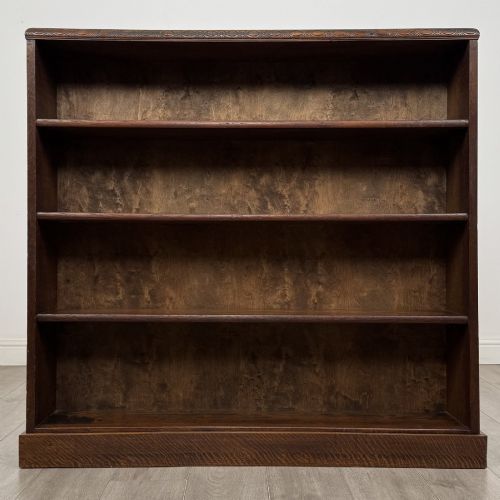
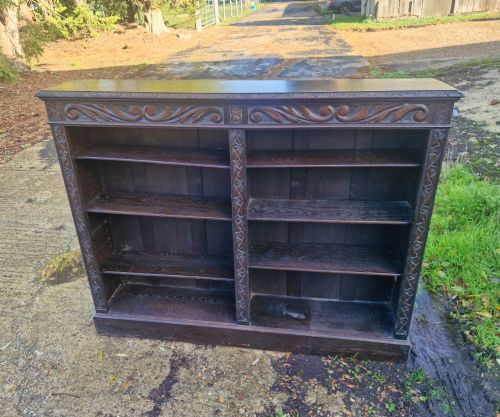
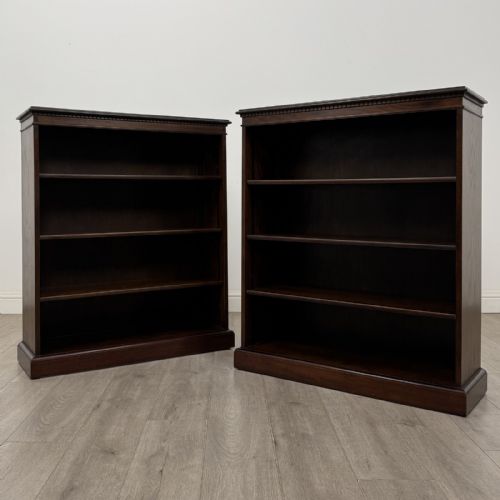
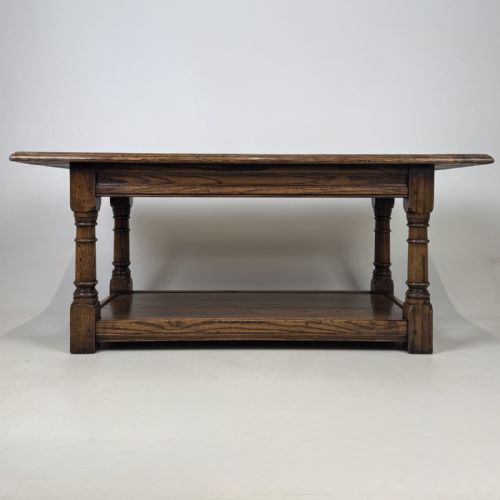
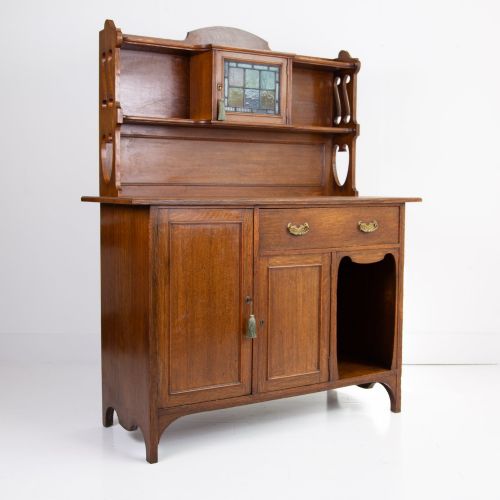
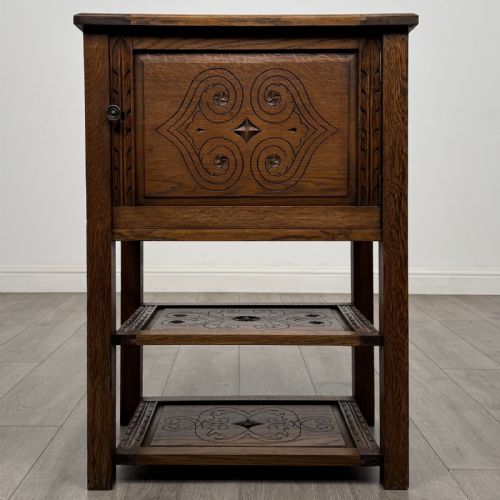
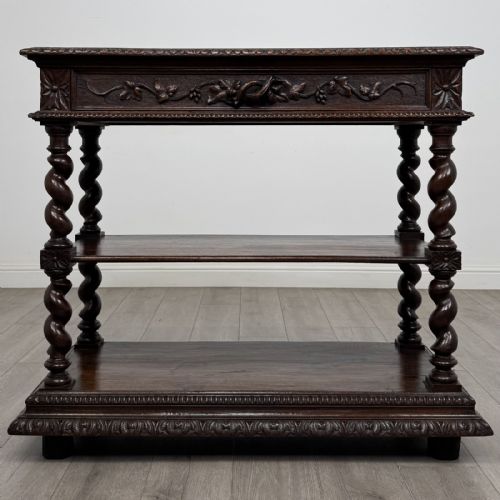
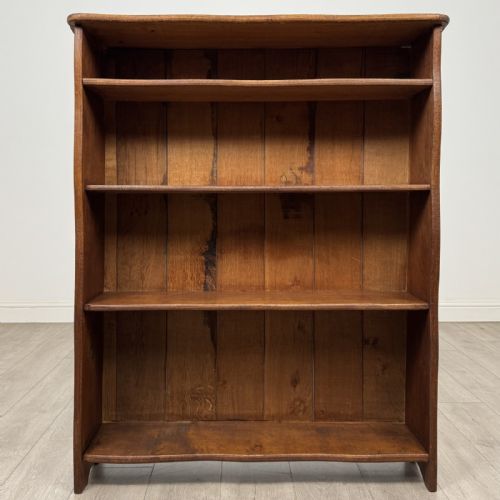
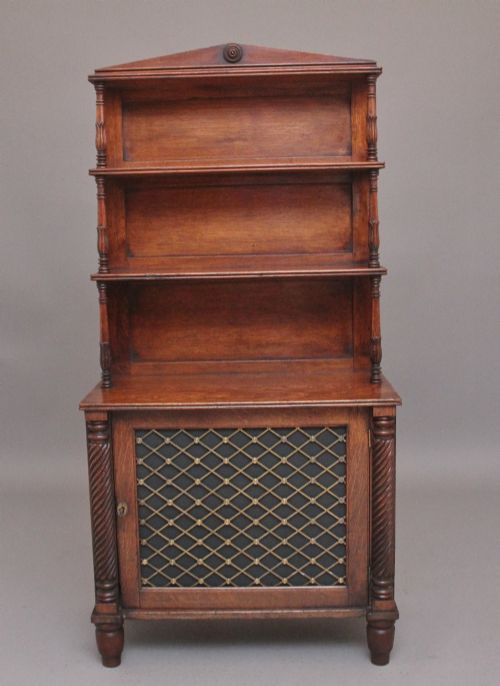
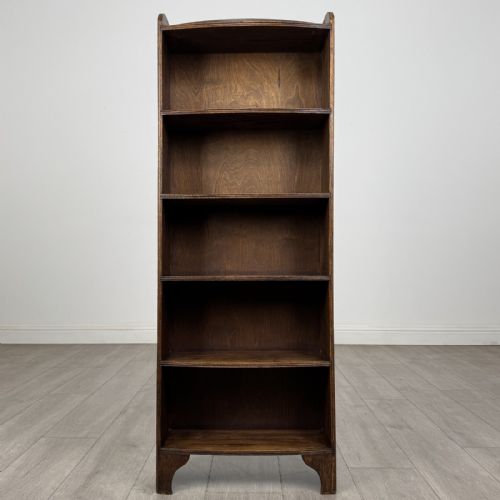
When you search for brown oak shelves, you encounter various storage forms primarily dominated by open bookcases, dressers with plate racks, and side tables. These pieces span periods from the eighteenth century through the Victorian, Edwardian, and Art Deco eras.
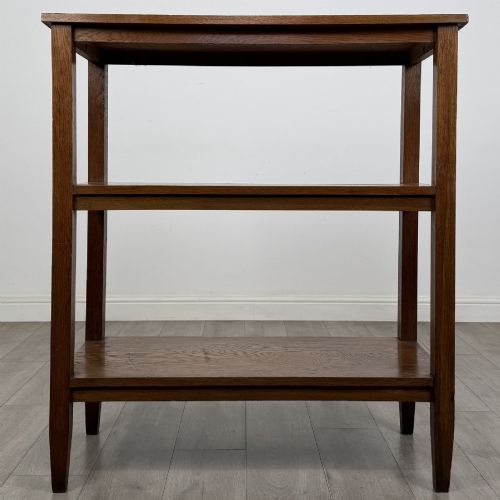
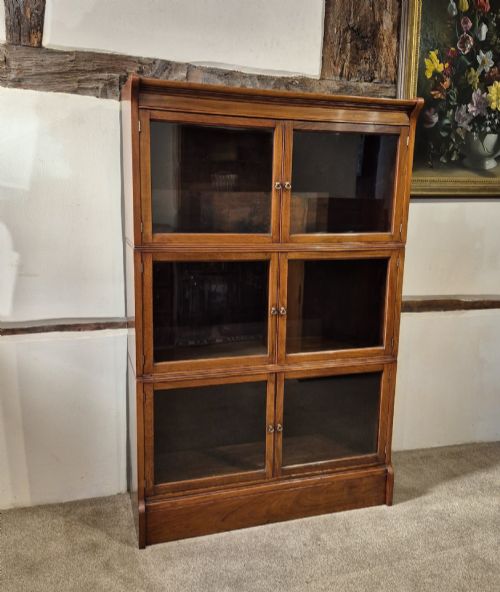
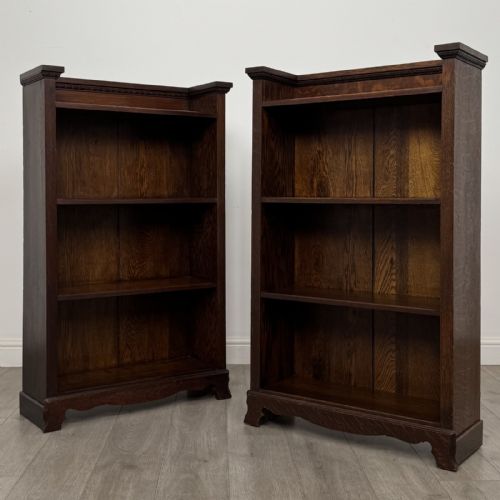
Bookcases range from small open designs and revolving models to tall pieces featuring adjustable shelves and lower cupboards. Dressers and plate racks provide traditional kitchen or dining storage, while side tables and display cabinets incorporate shelving surfaces within diverse domestic settings.
How they were made
The construction relies heavily on oak timber, frequently accented with brass hardware, glass panels, and iron elements. Cabinetmakers utilised traditional joinery methods to build robust frames capable of supporting heavy volumes and display items.
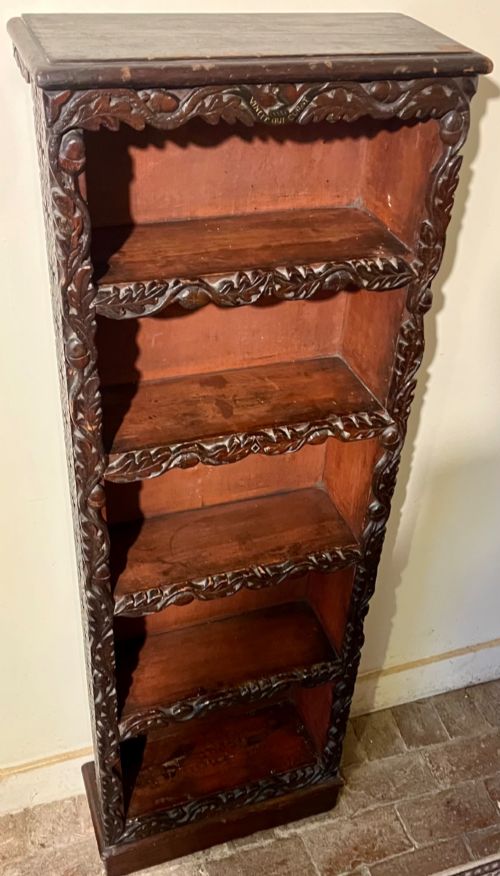
Surface treatments vary from natural polished wood grains to limed finishes and carved decorative details. Structural elements such as adjustable shelving brackets and panelled backs demonstrate practical nineteenth and twentieth century workshop practices.
Brown Oak Shelves Retail Price Guide 2026
Typical asking prices for brown oak shelves among the pieces listed under this phrase on Sellingantiques today, from the lower quarter to the upper quarter. They describe what is for sale here now, not the wider market.
Rotating your book collection becomes an effortless parlor trick when you acquire a revolving bookcase.
What varies in quality
The distinction between standard utility items and finer examples rests on timber selection, carving depth, and structural integrity. Superior pieces display rich figuring in the oak grain along with precise hand-carved ornamentation rather than mass-produced moulding.
The sophistication of hardware, the smoothness of adjustable shelf mechanisms, and the retention of original finishes differentiate standard functional storage from pieces created by skilled cabinetmakers.
Heals
The Brown Oak Shelves Glossary
- Bookcase
- A piece of furniture with horizontal shelves for storing books. These often feature adjustable heights and open or glazed fronts.
- Plate rack
- A wall-mounted or dresser-integrated shelving unit designed specifically to display plates upright. They frequently appear on eighteenth and nineteenth-century Welsh dressers.
- Adjustable shelves
- Shelving that can be moved to different heights using rows of holes or ratchets. This system allows customisation of internal cabinet space.
- Tiger oak
- Oak timber exhibiting a prominent, distinctive medullary ray figuring that resembles tiger stripes. Cabinetmakers prized this figure for its visual impact on Victorian furniture.
- Limed oak
- Wood treated with a white pigment or lime finish to highlight the open grain pattern. This technique gained popularity during the Art Deco period.
Brown Oak Shelves: Frequently Asked Questions
What periods do these shelves come from?
The pieces span several centuries, including eighteenth-century Georgian designs, nineteenth-century Victorian furniture, and early twentieth-century Edwardian and Art Deco examples.
Craftsmanship and detailing shift across these eras, moving from utilitarian country styles to refined decorative cabinetry.
How are plate racks used?
Plate racks are designed to hold ceramic plates upright on grooved wooden shelves, allowing decorative crockery to be displayed safely.
They commonly form the upper section of traditional dressers or hang independently on kitchen walls.
Are the shelf heights adjustable?
Many examples feature adjustable shelves supported by traditional wooden slots, metal pins, or ratchets. This versatility makes them practical for housing books and objects of varying heights.
Fixed shelves also appear, particularly in older vernacular furniture.
What styles can I find?
The selection includes Arts and Crafts, Art Deco, Jacobean Revival, and English Country styles. Each brings distinct decorative characteristics to the oak framework.
Simple functional forms sit alongside carved Victorian and Edwardian statement pieces.