
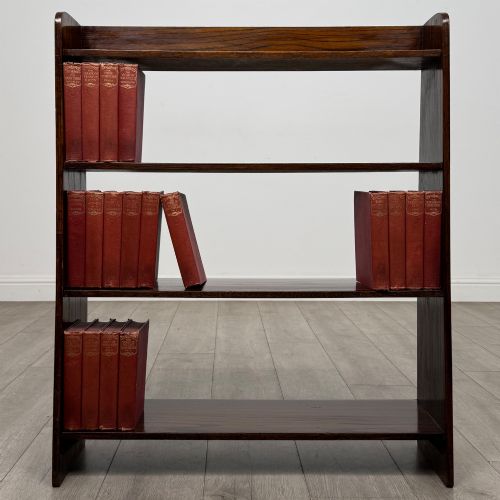
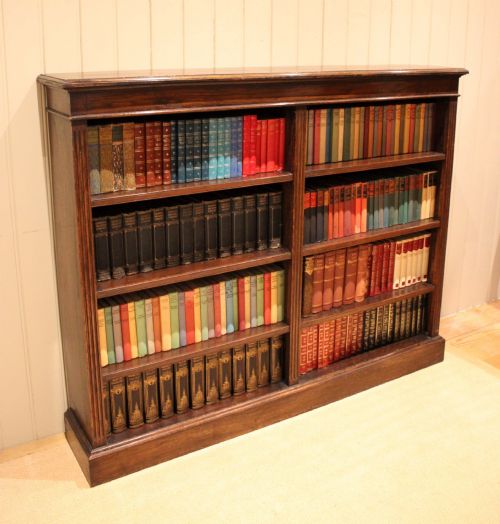
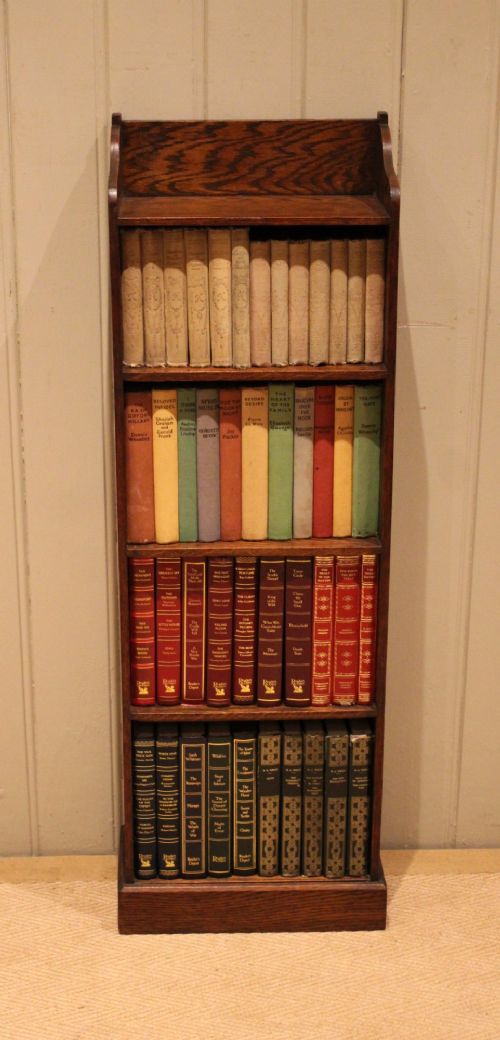
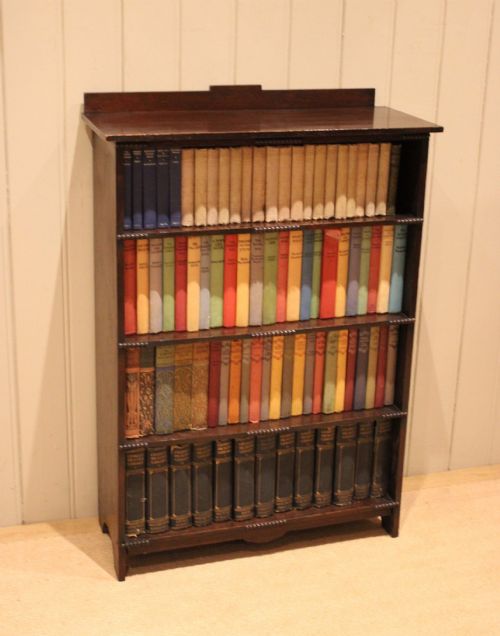
Traditional Oak Shelving
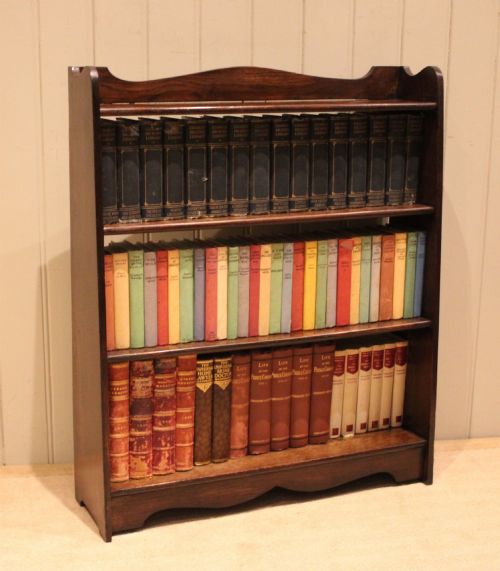
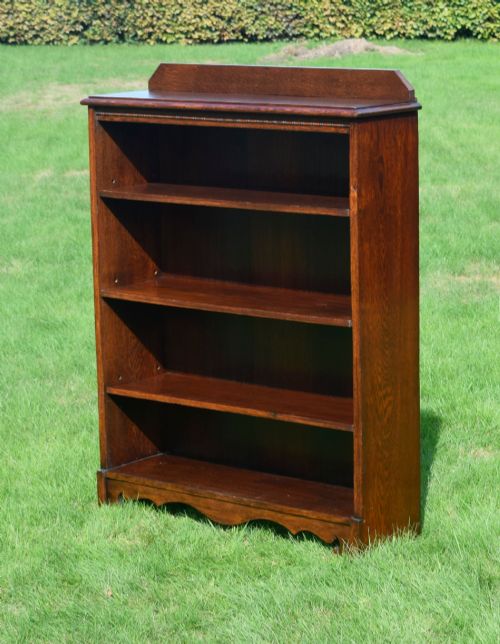
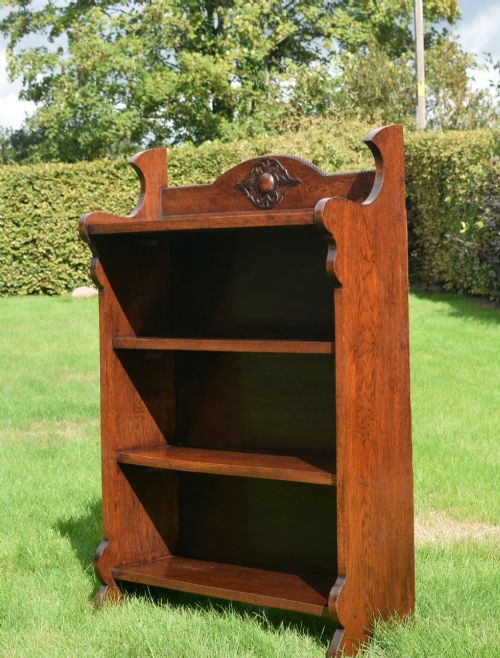
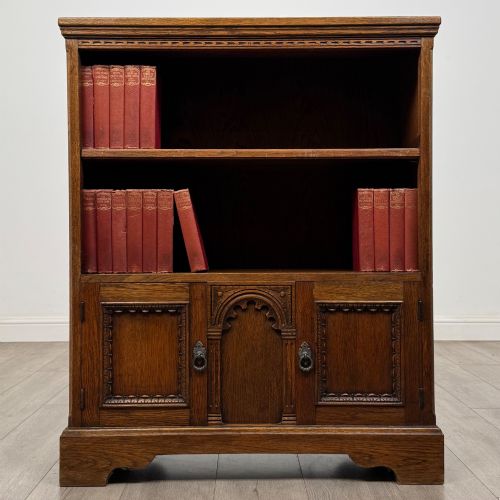
Traditional oak shelving comprises open bookcases and standing bookshelves from the nineteen-twenties and thirties, offering sturdy timber storage that anchors a room.
What traditional oak shelving is
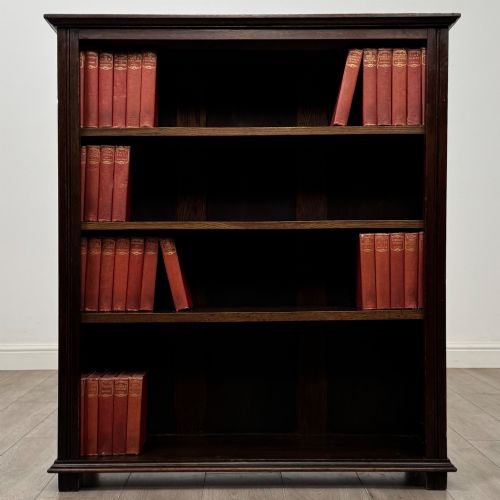
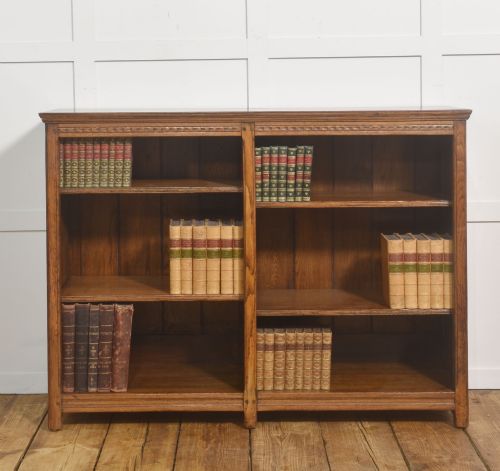
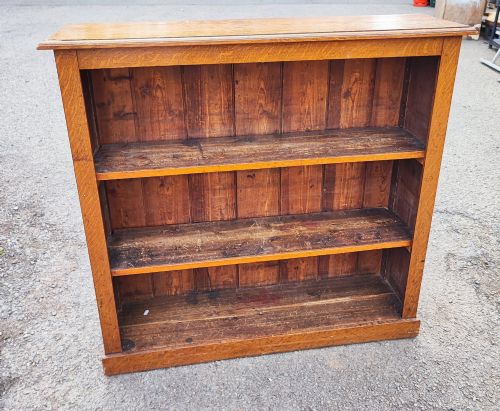
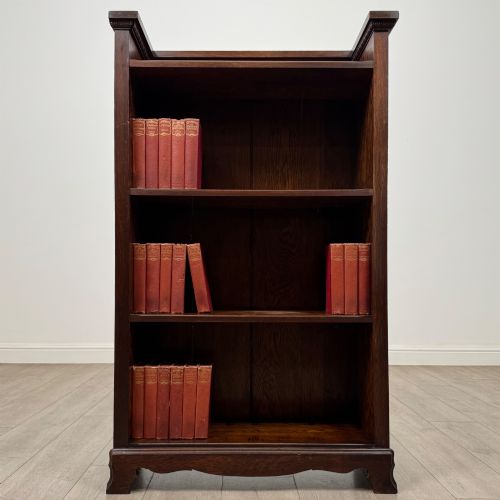
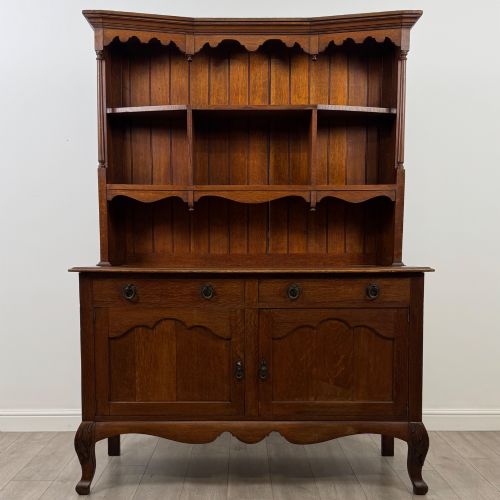
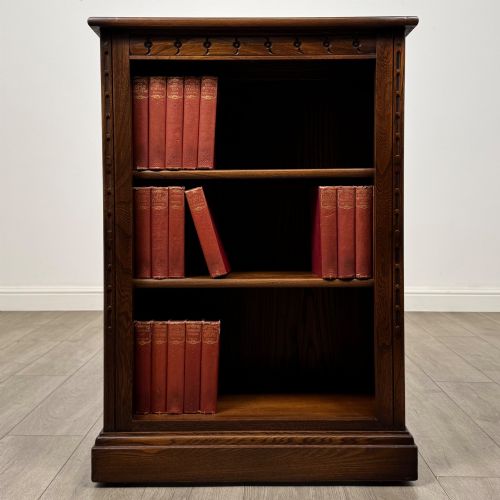
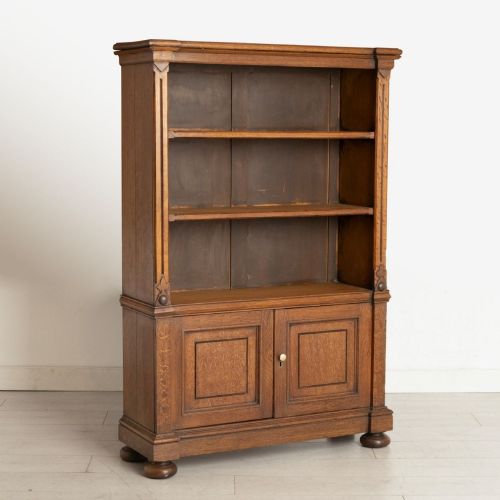
Traditional oak shelving takes the form of open bookcases and standing bookshelves constructed in the early twentieth century. These pieces emerge from the Edwardian and Arts and Crafts styles, reflecting straightforward utility and robust construction.
The versions most commonly met on this page include open oak bookcases and standing bookshelves dated to nineteen-twenty and nineteen-thirty. They provide accessible tiered storage for books and display items without doors or enclosed cabinets.
How traditional oak shelving was made
Makers built these pieces using oak and solid oak timber, sometimes finished in a golden tone. The natural grain of the wood forms the primary visual characteristic of each structure.
Metal components such as iron appear alongside the timber framework to provide structural support and bracing. Simple joinery techniques secure the open shelves within the standing uprights.
Retail Price Guide 2026
Typical UK retail prices for traditional oak shelving, calculated from the Sellingantiques database of over a million retail prices indexed since 2003. This retail price guide relies exclusively on Sellingantiques data; no external sources or auction records are used, so the figures do not describe the wider market.
Listings feature pieces dated to nineteen-twenty and nineteen-thirty within the Edwardian and Arts and Crafts styles.
What varies in quality
Quality rests upon the selection of timber, moving from standard oak boards to substantial solid oak construction. The choice of finish, such as a rich golden tone, alters the visual depth of the wood.
The incorporation of iron hardware distinguishes sturdier architectural examples from lighter domestic shelving units. Heavier standing bookcases demonstrate greater rigidity across their open tiers.
The Traditional Oak Shelving Glossary
- Solid oak
- Timber derived entirely from the oak tree rather than veneered alternatives. This ensures uniform material integrity throughout the uprights and shelves.
- Arts and Crafts
- A design movement prioritising traditional craftsmanship and visible construction methods. Pieces from this style celebrate straightforward forms.
- Open bookcase
- A shelving unit without doors enclosing the storage compartments. This format provides immediate access to the contents.
- Edwardian
- A stylistic period spanning the early twentieth century prior to the First World War. Furniture from this era often reinterprets earlier vernacular designs.
Frequently Asked Questions
What is traditional oak shelving?
Traditional oak shelving consists of open bookcases and standing bookshelves dating from the nineteen-twenties and thirties. These pieces utilise sturdy oak timbers to create accessible tiered storage.
They reflect Edwardian and Arts and Crafts design sensibilities, prioritising straightforward utility and durable construction methods over ornate decoration.
How are these bookcases constructed?
These pieces are built primarily from oak and solid oak, occasionally featuring a golden finish. Iron components are integrated to provide structural reinforcement.
The open shelf design relies on simple, robust joinery to secure the horizontal tiers to the standing vertical supports.
What styles do these shelves represent?
The listings on this page represent Edwardian and Arts and Crafts styles. These design traditions focus on functional forms and honest use of natural materials.
The aesthetic avoids heavy ornamentation, allowing the grain of the oak and the simplicity of the open structure to define the piece.
How do I date these bookshelves?
The available pieces date specifically from the nineteen-twenties and nineteen-thirty periods. Stylistic cues align with late Edwardian and early twentieth-century Arts and Crafts principles.
Examination of the timber, iron fixings, and overall form helps confirm the production era of each standing bookshelf.