
Antique Display Shelving
Antique display shelving unites functional storage and room for treasured objects, drawing on centuries of cabinet-making.
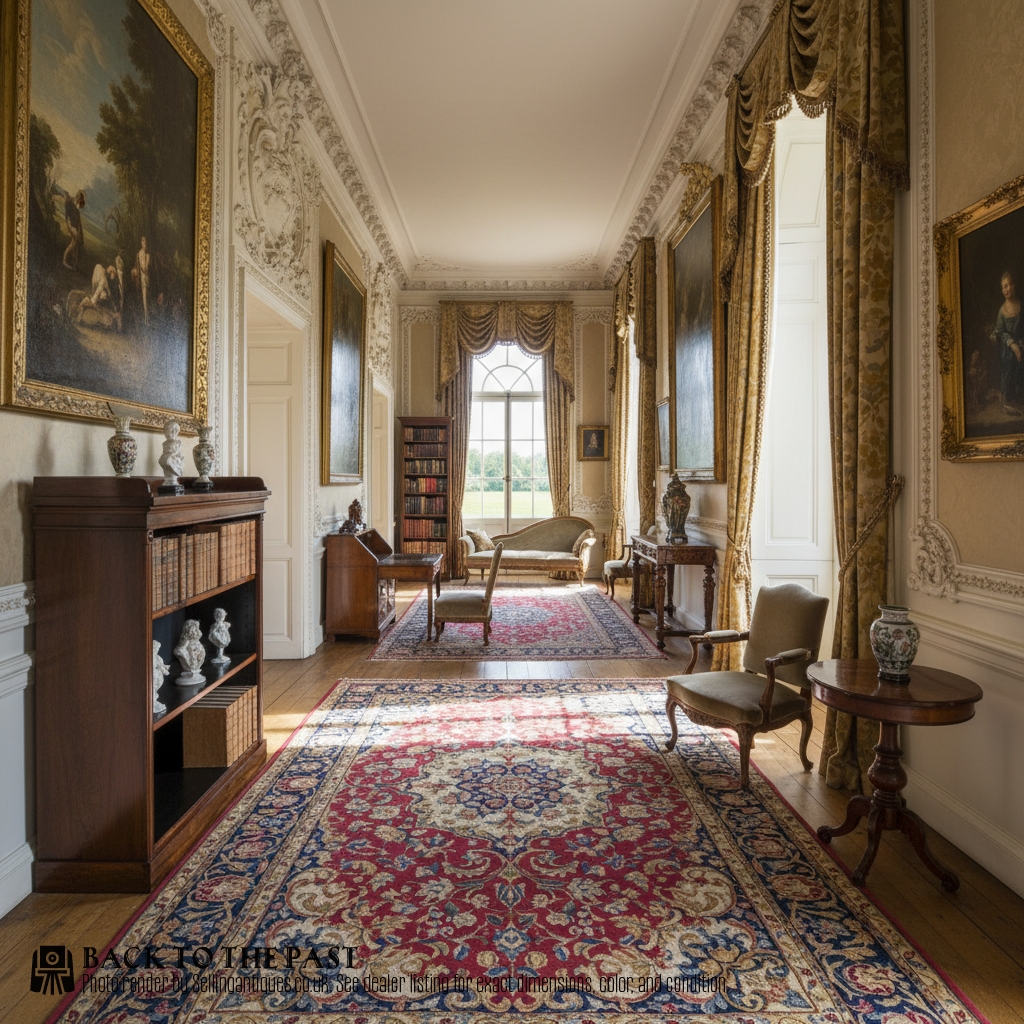
Antique Display Shelving
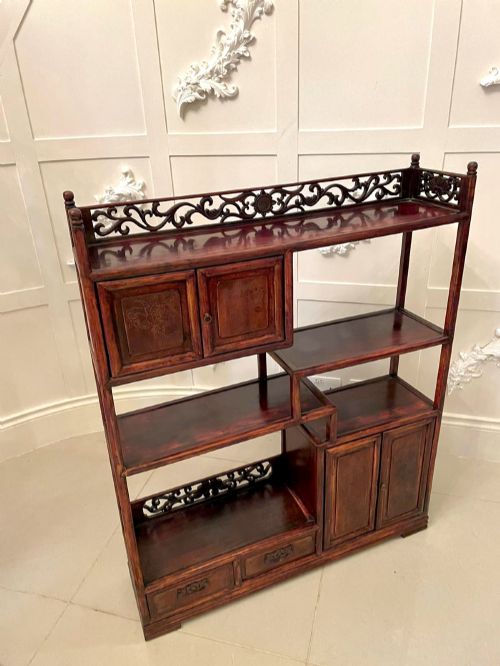
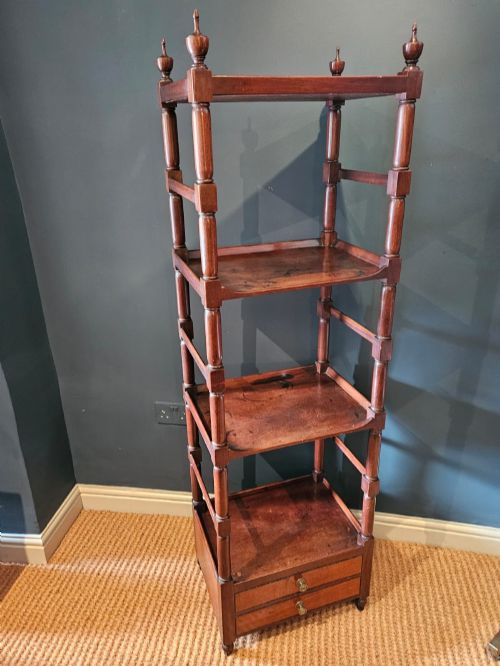
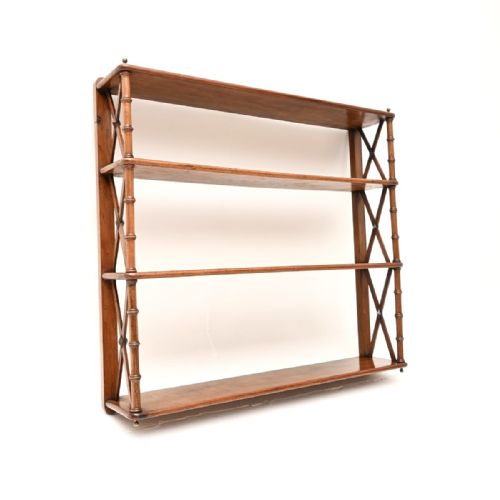
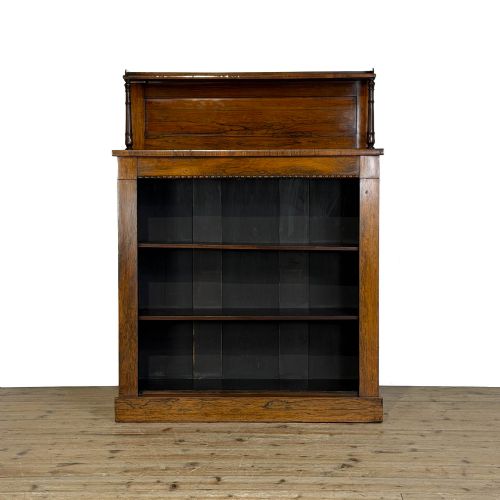
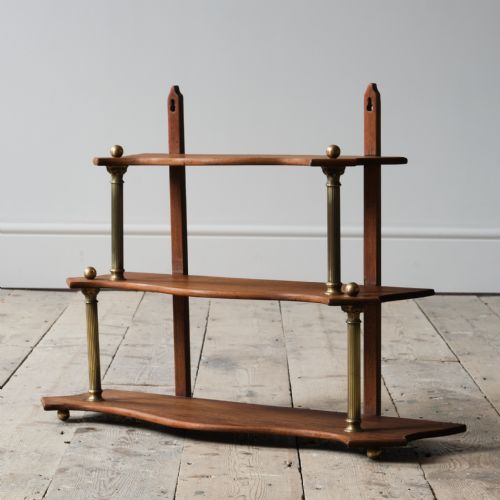
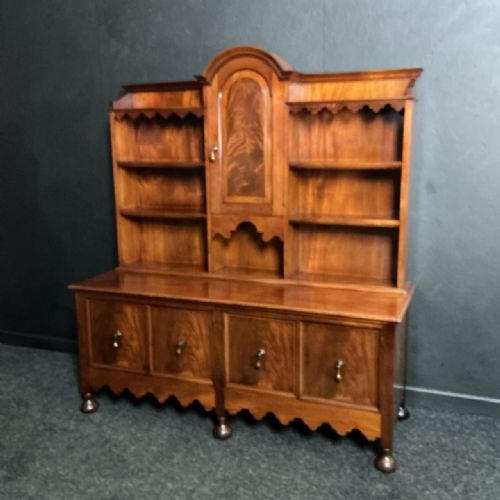
When you search for antique display shelving, you encounter a varied group of furniture designed to hold books, ceramics and ornaments in domestic spaces. The pieces range from hanging wall shelves and corner whatnots to substantial open bookcases and dressers.
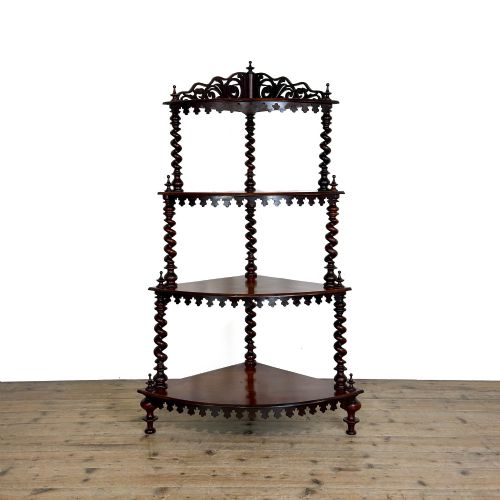
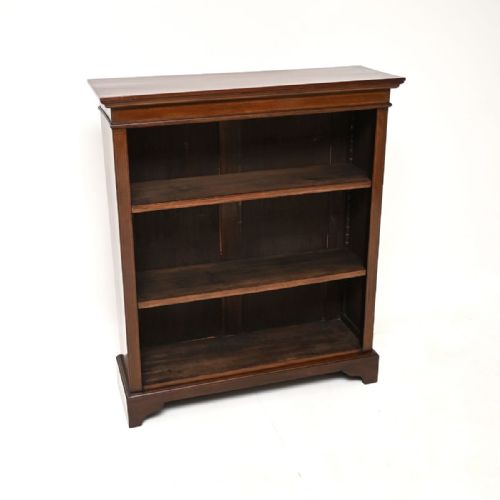
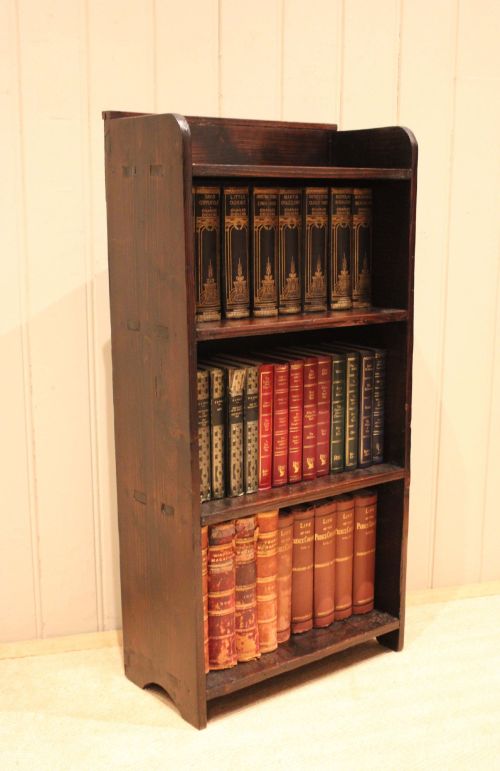
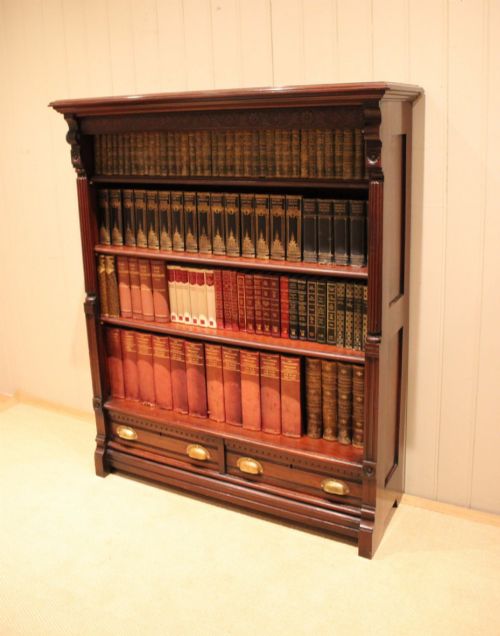
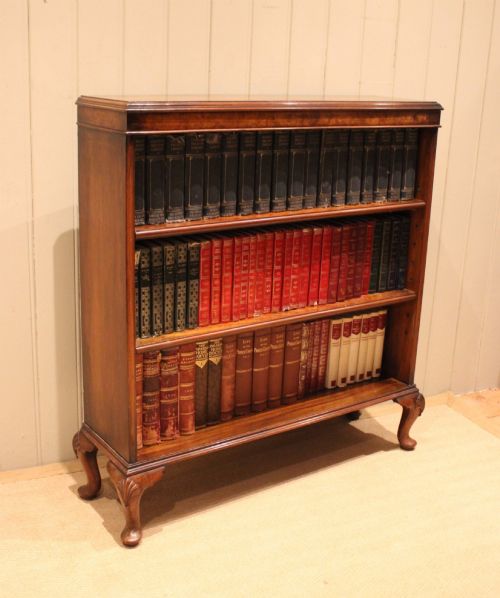
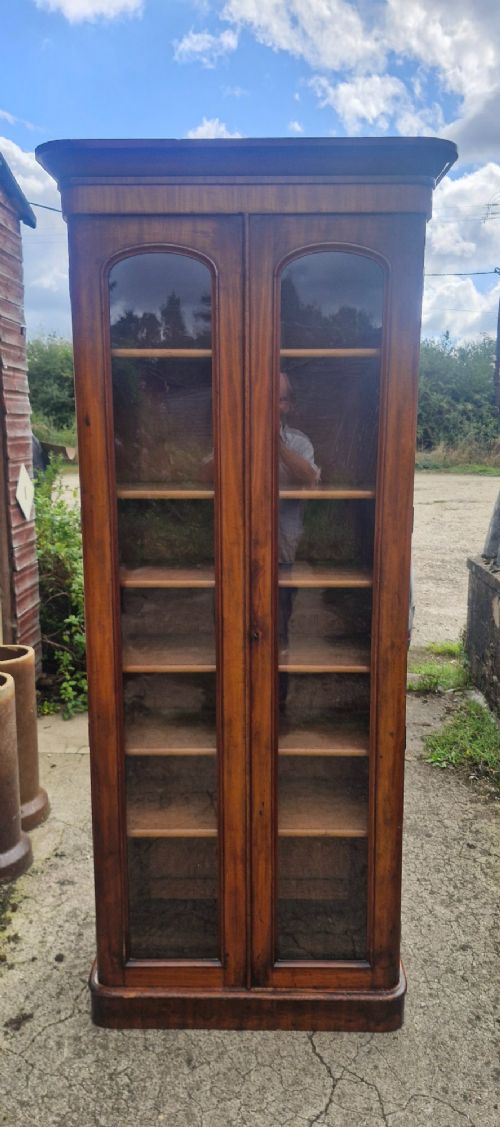
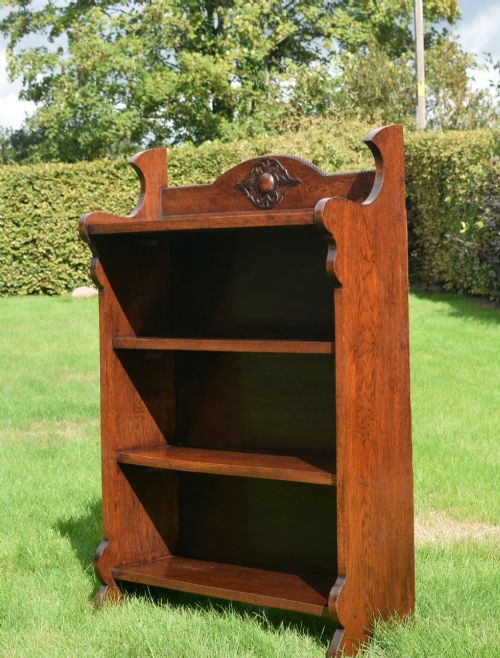
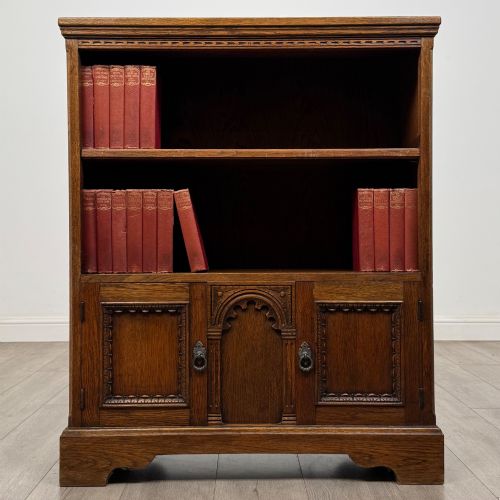
The most common examples on this page are mahogany and oak open bookcases from the Victorian and Edwardian periods. These typically feature multiple tiers of shelving, sometimes adjustable, alongside specialised forms like walnut wall-mounting bookcases and tiered corner cabinets.
How these pieces were constructed
Cabinet makers built these units primarily in timbers such as mahogany, oak, walnut and burr walnut, occasionally incorporating brass hardware, glass panels and rosewood. Construction relied on solid timber framing and traditional joinery to support the weight of books and decorative items.
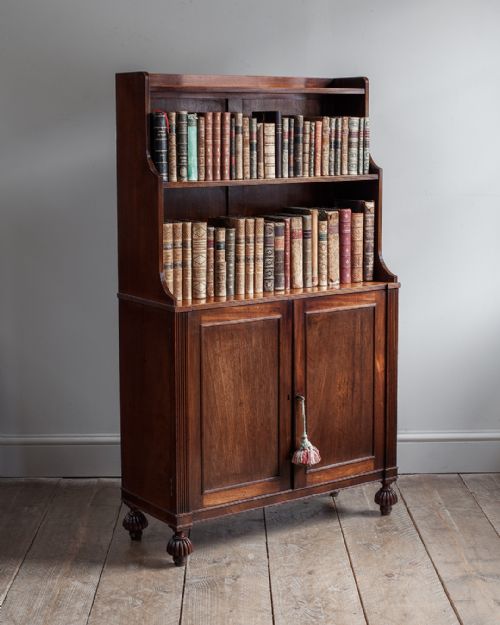
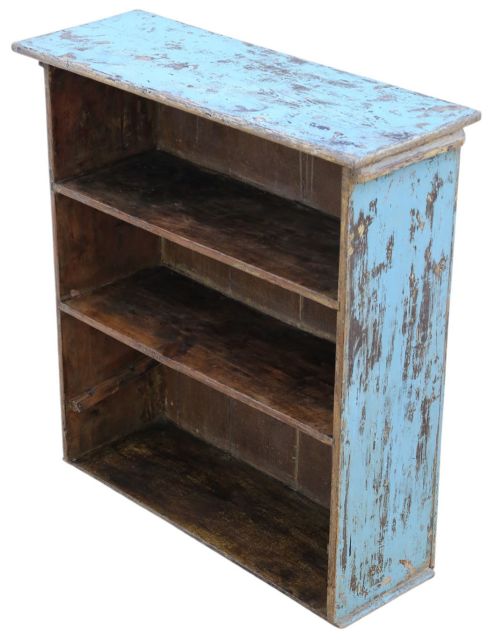
Surface finishes include polished wood, carved detailing, inlaid marquetry, and painted blue surfaces. Specialised variations like waterfall bookcases and barley twist supports demonstrate the diverse carpentry techniques applied across different eras.
Materials appearing across the inventory include mahogany, oak, walnut, burr walnut, pine, rosewood, brass, and glass.
What distinguishes better examples
Quality in these items rests on the selection of timber, such as figured burr walnut or rich mahogany, and the crispness of any hand-carved or inlaid decoration. Superior pieces display refined proportions and thoughtful details like adjustable shelf mechanisms.
Lower-grade examples often use plainer pine or simpler construction methods with fixed shelving and minimal ornamentation. The integrity of the original joints and the preservation of the timber finish separate ordinary utility items from finer cabinet work.
Dubois of Lyon
The Antique Display Shelving Glossary
- Whatnot
- A set of open shelves supported by pillars or columns, traditionally used for displaying ornaments and small objects.
- Waterfall bookcase
- A piece of shelving where each successive tier is set back from the one below, creating a stepped, cascading profile.
- Open bookcase
- A shelving unit enclosed at the back and sides but left open at the front without doors.
- Corner whatnots
- Tiered shelving units specifically shaped to fit neatly into room corners to maximise display space.
- Adjustable shelves
- Shelving supported on pegs or ratchets that can be repositioned at different heights to accommodate varying book sizes.
Antique Display Shelving: Frequently Asked Questions
How do I style antique display shelving?
Balance books of varying sizes with ceramics, framed photographs, and small sculptures across the different tiers. Leave some empty space around objects so the timber and construction details remain visible.
Mix vertical items like tall books with horizontal elements to create visual rhythm. Group smaller decorative objects together rather than scattering them individually across every shelf.
Can these shelves hold heavy books?
Many larger Victorian and Edwardian bookcases feature sturdy oak or mahogany construction designed to bear substantial weight. Units with adjustable shelves allow you to configure tighter vertical spacings which inherently add structural stability.
Check the thickness of the timberboards and the condition of the support pegs before loading heavy volumes. Lighter wall-hanging shelves suit decorative items rather than dense libraries.
How do I distinguish Edwardian from Victorian pieces?
Victorian pieces often display darker, heavier timbers, rich carving, and sometimes elaborate barley twist supports or glazed doors. The scale tends to be substantial and imposing.
Edwardian furniture generally exhibits lighter golden oak or inlaid mahogany, reflecting a shift towards simpler, airier domestic interiors. Proportions are frequently more slender and refined.
Where should I place wall-mounting shelves?
Wall-mounted bookcases and corner brackets need secure fixing into solid masonry or proper studwork to support their weight safely. Hang them at eye level in living rooms, studies, or hallways where they act as focal points.
Keep them away from direct heat sources and strong sunlight to protect the aged wood finishes and prevent the timber from drying out.