
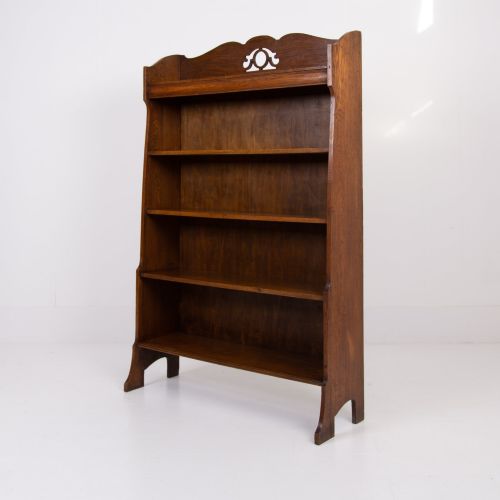
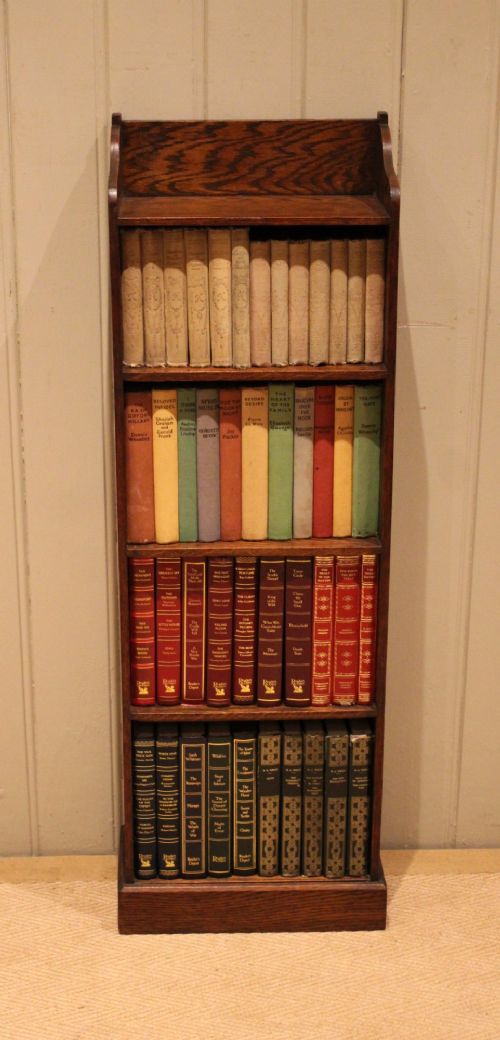
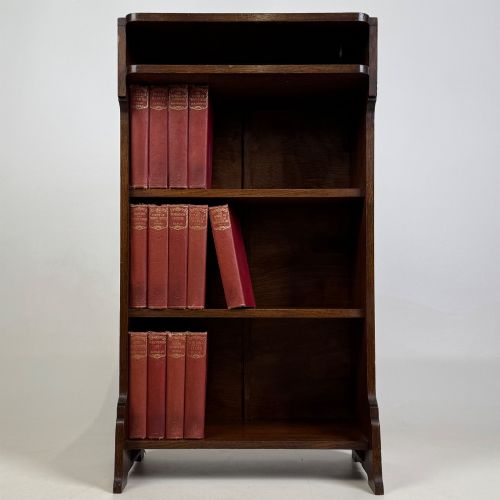
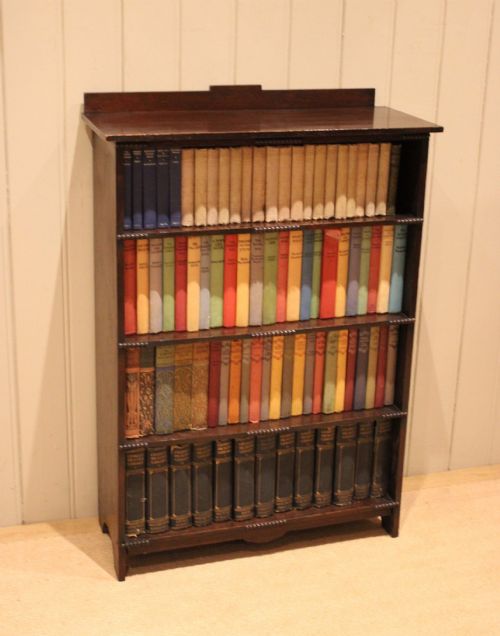
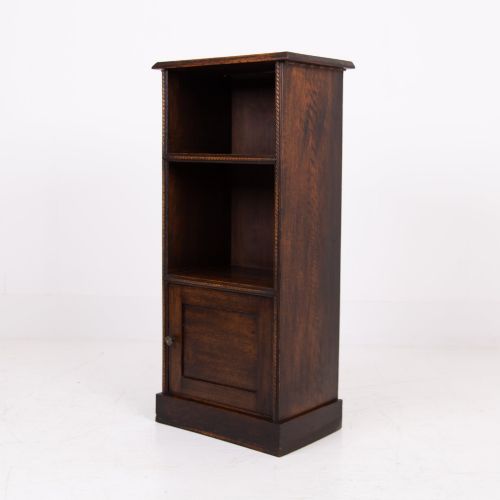
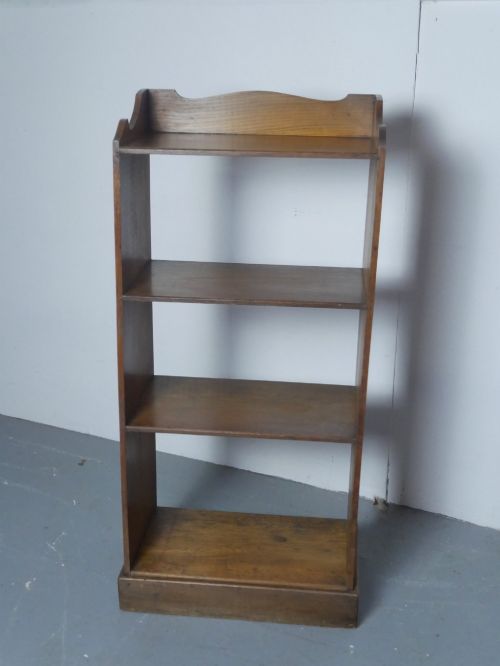
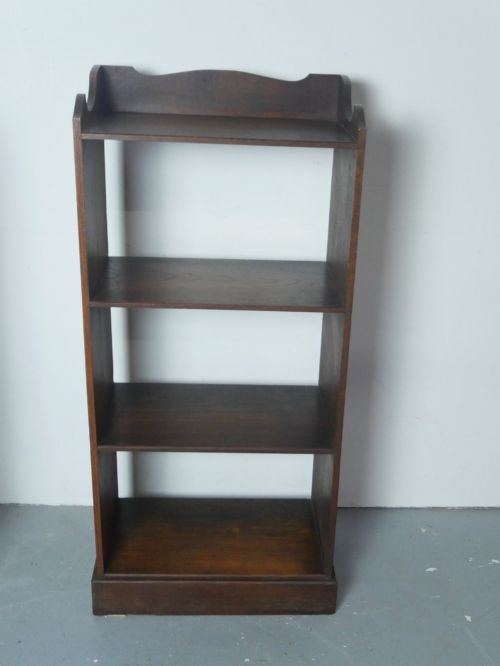
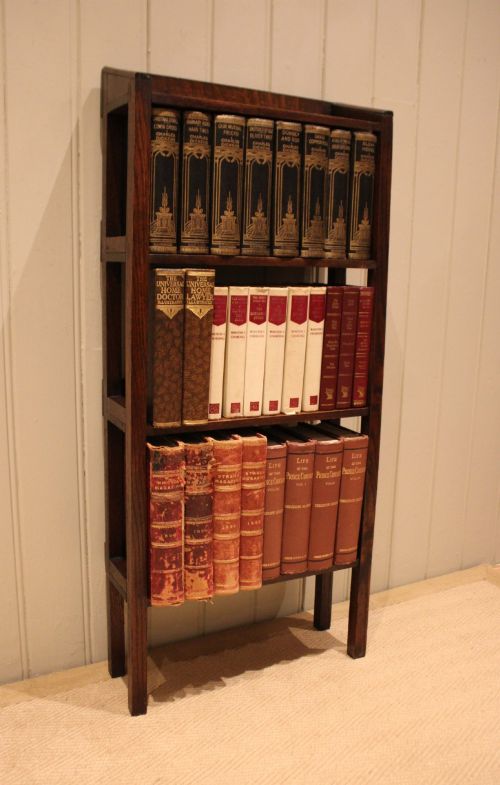
Narrow Open Bookcase
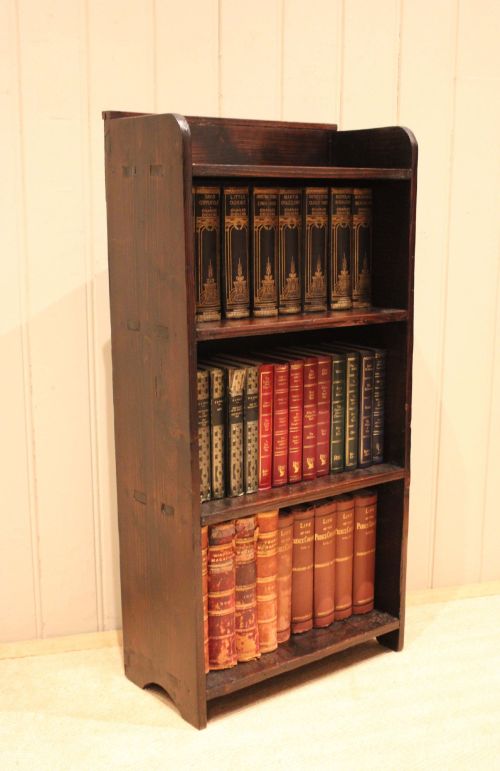
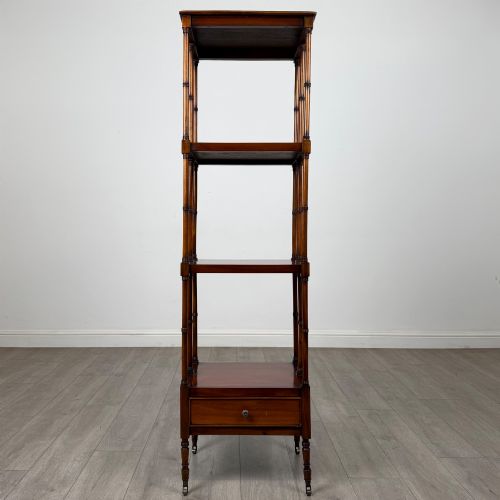
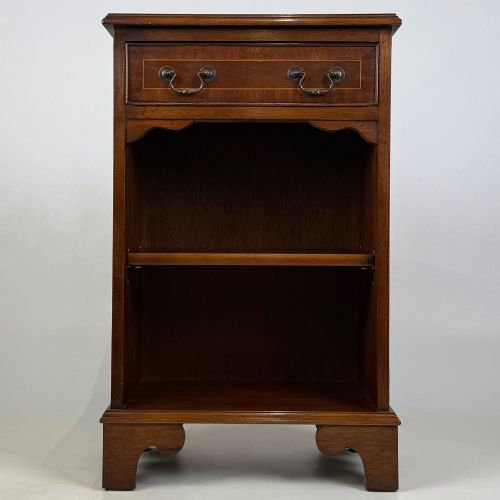
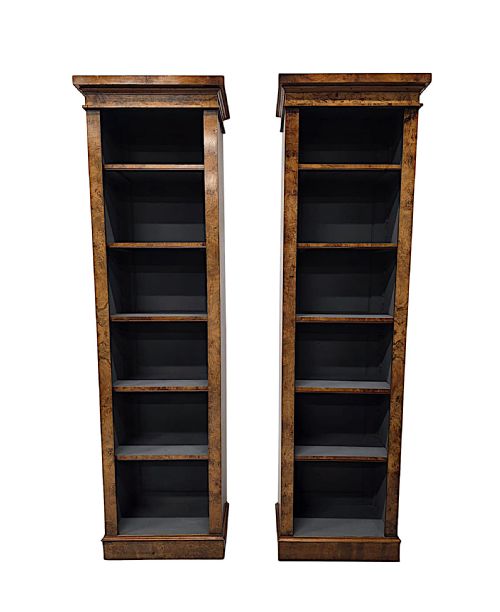
A narrow open bookcase is a tall and compact shelving unit designed to fit tight spaces while holding a substantial personal library.
Identifying a narrow open bookcase
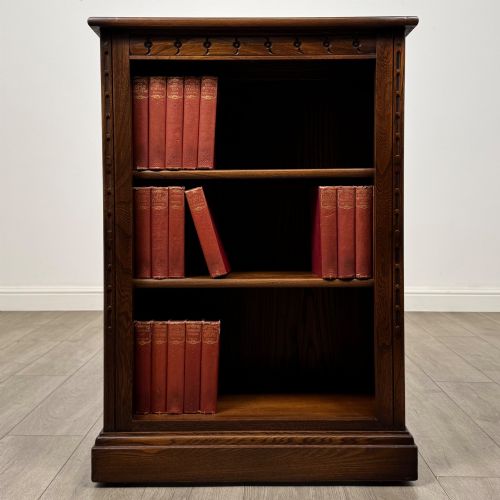
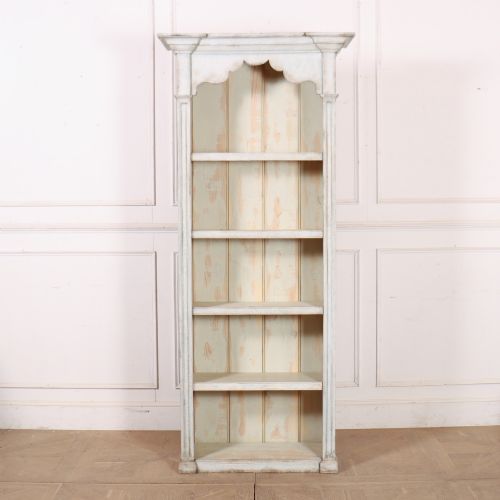
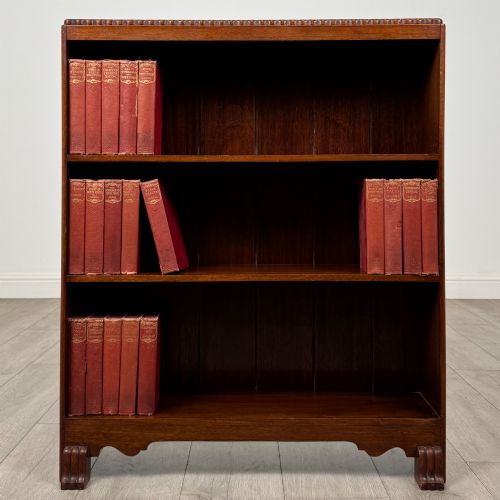
A narrow open bookcase serves as a vertical storage solution for tight domestic spaces, designed specifically to display books without heavy doors obstructing the view. These items appear across multiple periods including Victorian and Edwardian eras, as well as the early 20th century.
Makers produced these freestanding upright shelves in varying heights, ranging from smaller hallway formats to taller architectural compositions. Stylistic influences span traditional Victorian and country variants to Arts and Crafts designs.
Materials and construction
Cabinet makers utilised solid timbers such as oak, mahogany, elm, and pine, occasionally applying a walnut finish or faux burr walnut veneers over secondary woods. Structural integrity relied on traditional joinery methods suited to vertical weight distribution.
Selected pieces incorporate decorative elements including brass fittings and ebonised detailing to enhance the visual appeal of the timber grain. Surfaces were finished to highlight the natural characteristics of mahogany, rosewood, and golden oak.
Retail Price Guide 2026
Typical UK retail prices for narrow open bookcase, calculated from the Sellingantiques database of over a million retail prices indexed since 2003. This retail price guide relies exclusively on Sellingantiques data; no external sources or auction records are used, so the figures do not describe the wider market.
Listings feature examples from the Victorian and Edwardian periods alongside early 20th-century items, constructed primarily in oak, mahogany, walnut, and pine.
Assessing quality and proportion
The distinction between standard utility items and finer examples rests upon timber selection and secondary decorative details like splay feet or bow fronts. Superior items display well-figured grain patterns in mahogany, walnut, or rosewood rather than plain utilitarian pine or standard oak.
Construction refinement shows in the handling of fixed or adjustable shelving and the crispness of applied mouldings. Subtle variations in proportions and the presence of documented makers labels elevate certain examples above standard production pieces.
The Narrow Open Bookcase Glossary
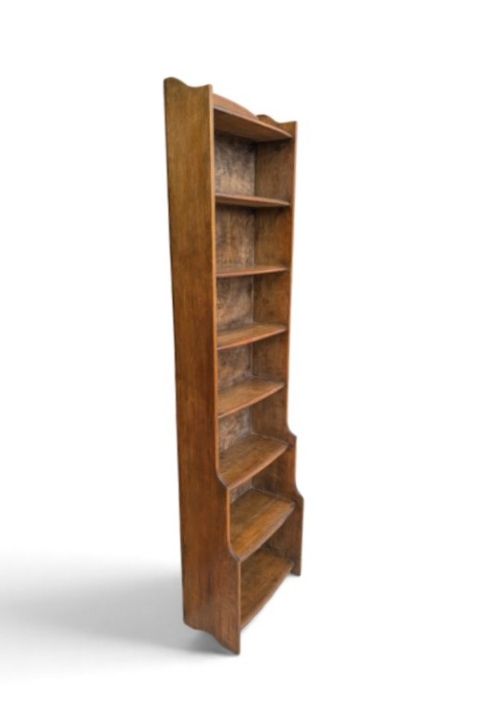
- Waterfall bookcase
- A shelving unit where each upper tier steps back progressively from the one below, creating a cascading profile often seen in Edwardian pieces.
- Bow front
- A gently curved convex frontal shape that softens the linear geometry of a cabinet or bookcase.
- Splay feet
- Angled feet that spread outward from the base to provide stable floor support for a tall narrow structure.
- Faux burr walnut
- A painted or treated surface finish designed to imitate the mottled, decorative grain patterns of genuine burr walnut timber.
Frequently Asked Questions
Where should I place a narrow bookcase?
These compact pieces fit easily into alcoves, landings, and hallways where floor space is limited. Their vertical orientation makes them suitable for rooms with minimal wall space.
The open front allows for immediate access to volumes while keeping the room feeling light and uncluttered.
How do I date a wooden bookcase?
Dating relies on observing the predominant timber choices, structural joinery methods, and stylistic cues associated with periods like the Victorian and Edwardian eras. Mahogany and satinwood frequently point to 19th-century production, whilst specific golden oak finishes often align with early 20th-century output.
Construction details and hardware, such as brass fittings, offer further clues to the manufacturing decade.
Are these bookcases stable?
Freestanding upright bookcases are designed with sufficient depth and structural base support to hold standard book weights safely. Versions featuring splay feet offer additional stability at ground level.
Taller formats may benefit from wall securing straps if placed in high-traffic family areas.
What is an Arts and Crafts bookcase?
Arts and Crafts examples emphasise honest construction methods and the natural grain of solid oak, often stripping away superfluous ornamentation. These pieces prioritize simple functional utility and handcrafted integrity.
They reflect a design movement that valued traditional cabinet-making skills over mass production.