

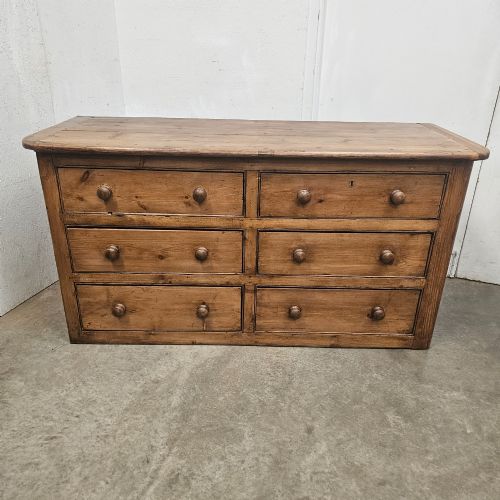
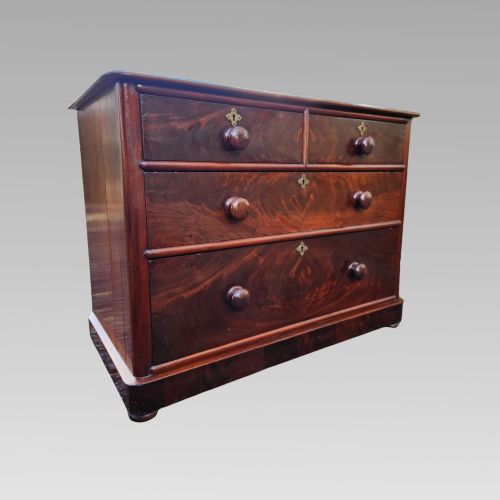
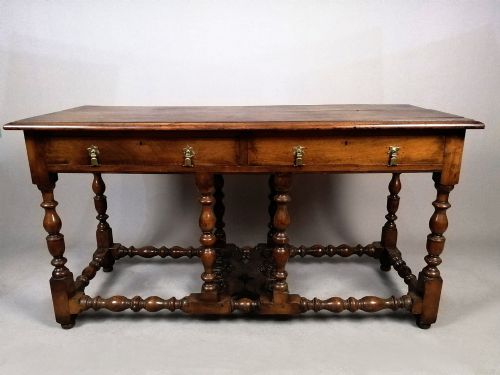
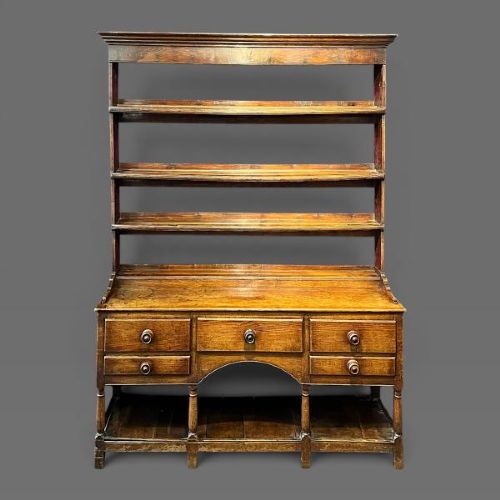
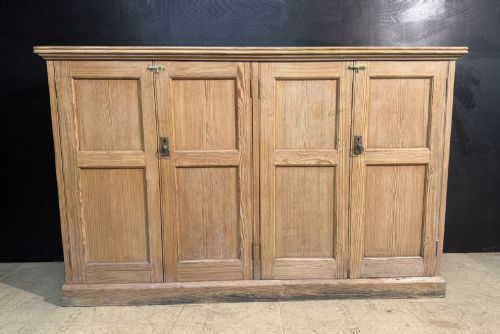
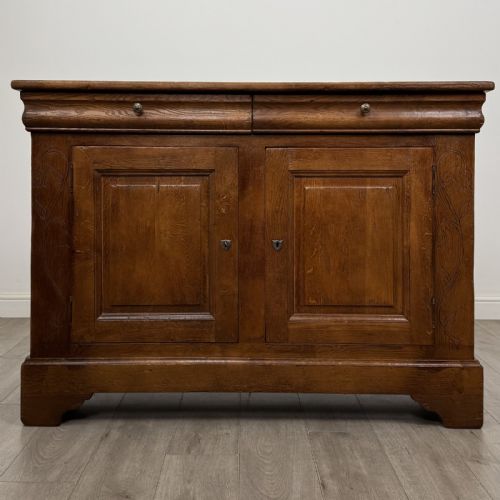
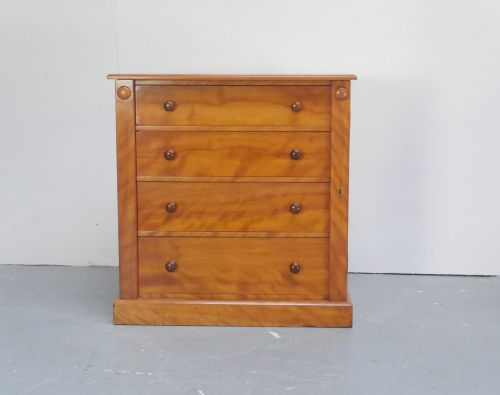
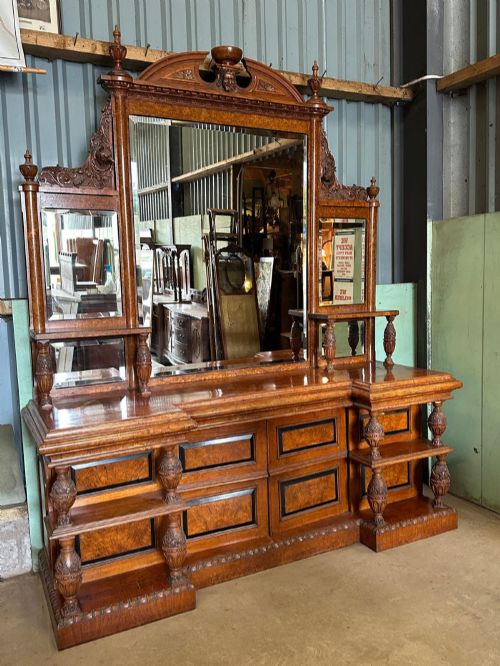
19th Century Dresser Base
A 19th century dresser base brings sturdy utility and regional character to a room, offering ample surface space and storage.
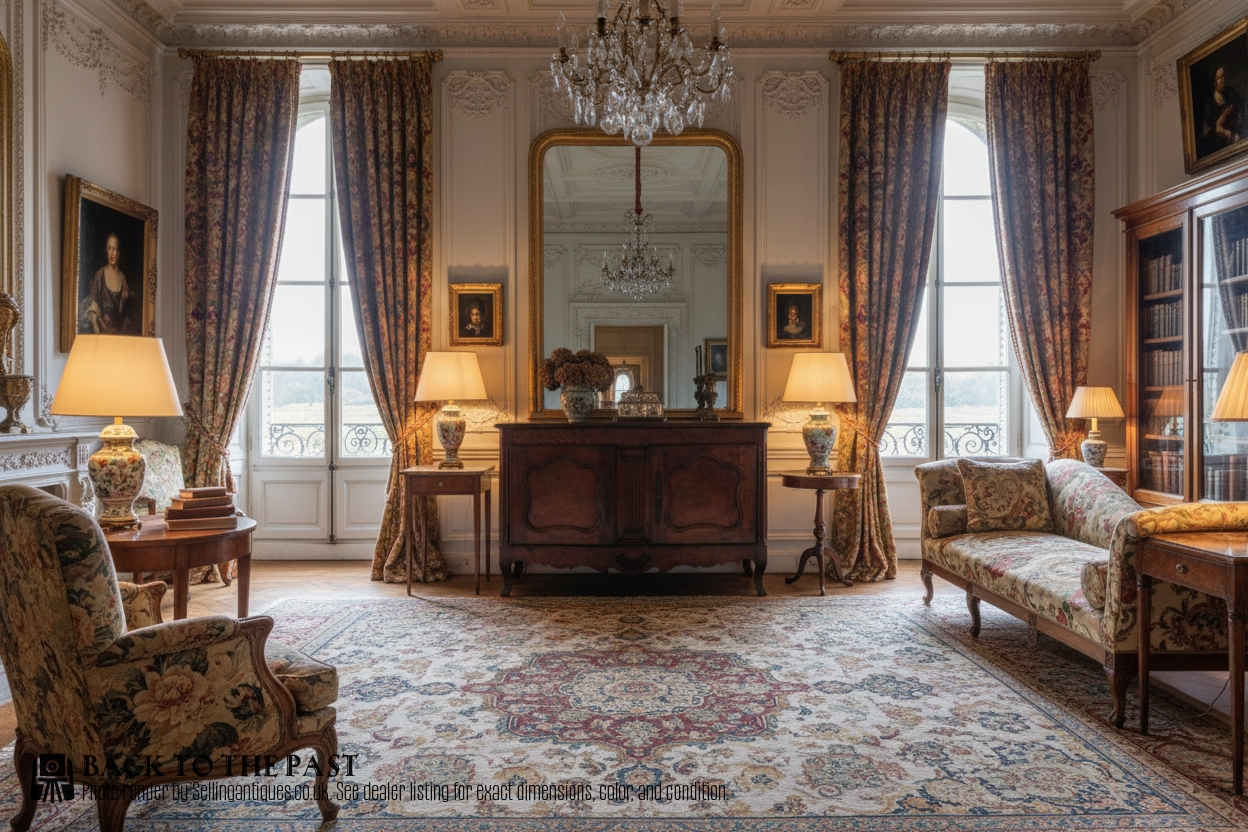
19th Century Dresser Base
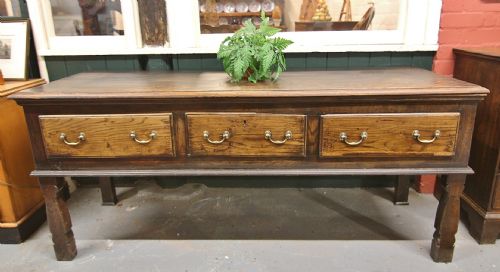
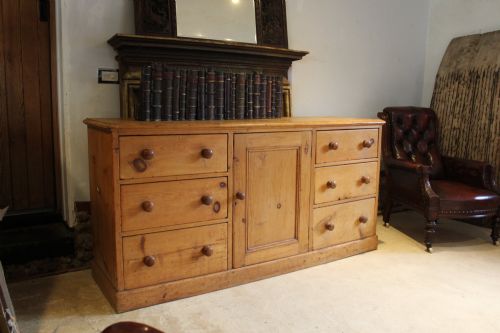
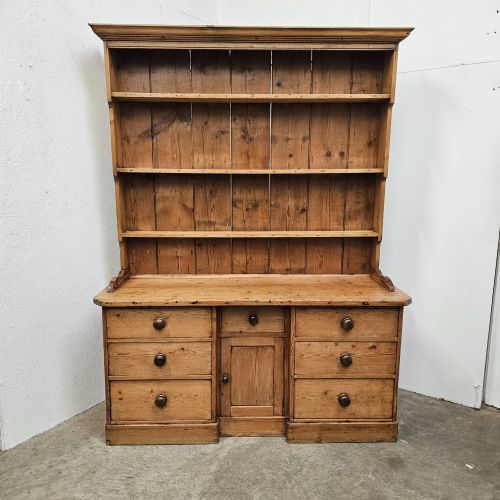
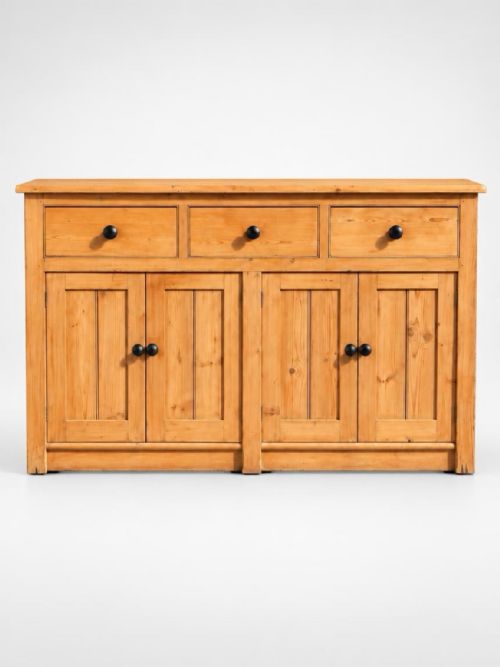
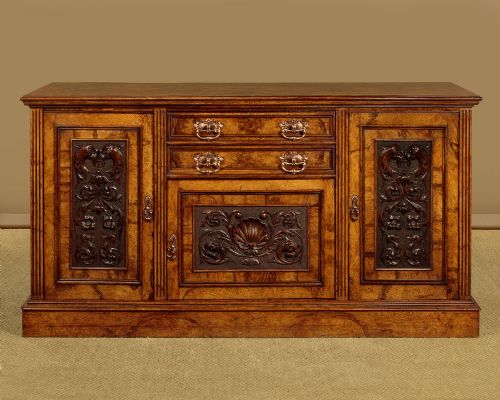
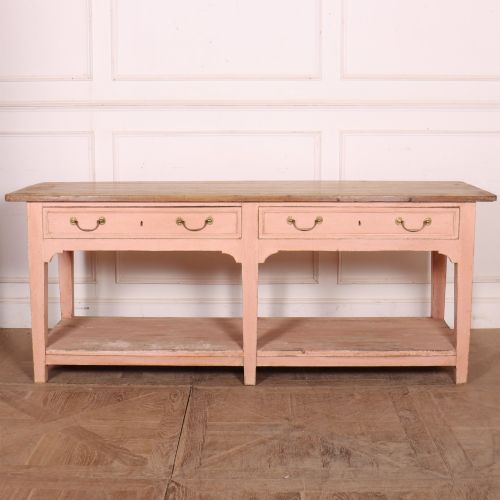
A 19th century dresser base functions as a low storage unit, frequently equipped with drawers and sometimes featuring an open pot board beneath. These practical sideboards originated to serve kitchens and dining rooms for food preparation and storage.
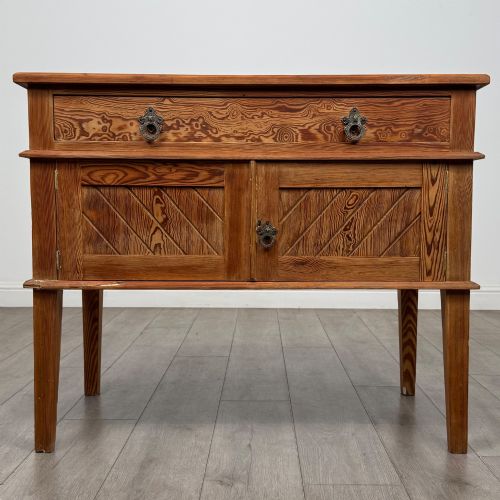
The version you are most likely to meet on this page is constructed from oak, though examples also appear in pine, fruitwood, cherrywood, chestnut, and elm. Pieces frequently reflect regional traditions, including English Country, French Provincial, and Scottish Vernacular styles.
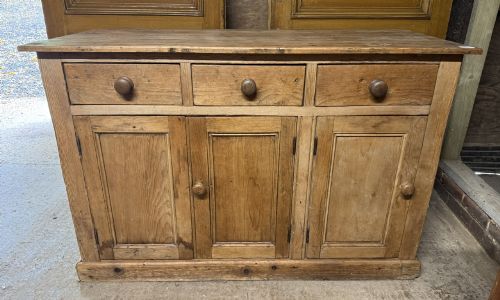
Makers designed these items for everyday domestic service, resulting in utilitarian forms that range from simple three-drawer configurations to panelled cupboards. Their enduring appeal lies in this honest domestic function and the warmth of aged timber.

Materials and Construction Techniques
Craftsmen utilised solid native timbers such as oak, pine, and fruitwood, often pairing durable hardwoods for frames with secondary softwoods for internal elements. Surfaces display the natural grain of the wood, sometimes enhanced by traditional paint finishes or dry-scraped simulated oak effects.
Joinery methods relied on traditional pegging and panel construction to build rigid carcases capable of withstanding heavy daily use. Hardware typically includes brass handles and iron fittings that secure drawers and doors.
19th Century Dresser Base Retail Price Guide 2026
Typical asking prices for 19th century dresser base among the pieces listed under this phrase on Sellingantiques today, from the lower quarter to the upper quarter. They describe what is for sale here now, not the wider market.
The inventory records English Country, French Provincial, and Scottish Vernacular styles among the surviving dresser bases.
Assessing Quality and Character
Quality rests in the selection of timber and the integrity of the original construction, where tighter grain and heavier boards denote superior preparation. The presence of original hardware, unaltered pot boards, and untouched timber surfaces elevate a piece above standard utility items.
Regional distinctiveness also shapes desirability, as specific proportions - such as unusually narrow widths or specific provincial moulding details - demonstrate the individuality of the regional carpenter. The depth of the patina accumulated over decades of domestic use distinguishes the more compelling examples.
The 19th Century Dresser Base Glossary
- Pot board
- A low open shelf positioned near the floor between the legs of a dresser base, traditionally used for storing pots and pans. This lower tier provides structural stability while keeping heavy kitchenware accessible.
- Dresser base
- A low freestanding cabinet featuring drawers across the top and often cupboards or shelves below, designed without the upper plate rack. It serves as a precursor to the modern sideboard.
- Vernacular
- Architecture or furniture built by local craftsmen using regional traditions and available native materials rather than high-style academic designs. These pieces tell a clear story of their local origin.
- Dry-scraped
- A conservation or decorative technique where layers of later paint are carefully scraped back to reveal earlier historic finishes beneath. This process exposes the original colour and texture of the piece.
- Provincial
- Refers to items made in the regions far from metropolitan style centres, displaying rustic charm and local construction idioms. French provincial pieces often utilise cherrywood or chestnut.
19th Century Dresser Base: Frequently Asked Questions
What is a 19th century dresser base?
A 19th century dresser base is a sturdy low cabinet featuring top drawers and frequently a lower shelf or cupboards.
Craftsmen built these pieces primarily for domestic kitchens and dining rooms to assist with food preparation and storage.
How were these dresser bases used?
Households utilised the flat top surface for serving food and preparing meals while storing kitchenware in the drawers below.
The open pot boards held heavy pots and pans within easy reach of the hearth.
What woods are common in these pieces?
Oak is the predominant timber found in these units, reflecting its durability and availability in English and Welsh workshops.
Pine, cherrywood, chestnut, and elm also appear, particularly in French provincial and Scottish vernacular examples.
How do regional styles differ?
English country models frequently use solid oak with traditional pot boards, whereas French provincial variants often employ cherrywood or chestnut.
Scottish vernacular pieces display distinct regional joinery and local painting traditions.
Where do I place a dresser base?
These units suit dining rooms and kitchens as functional sideboards for storing tableware and serving food.
They also work well in hallways or living spaces to provide surface display area and concealed storage.