


Geometric Panelled Chest
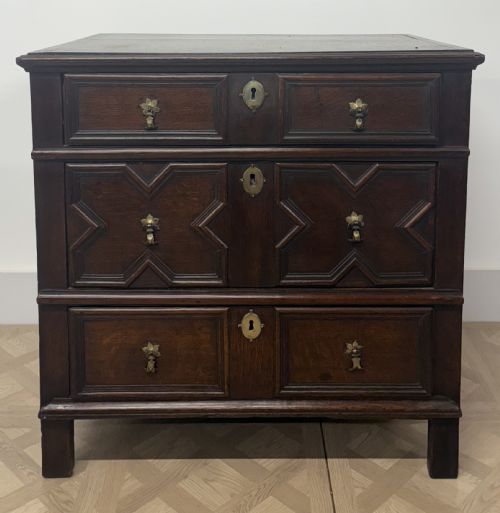
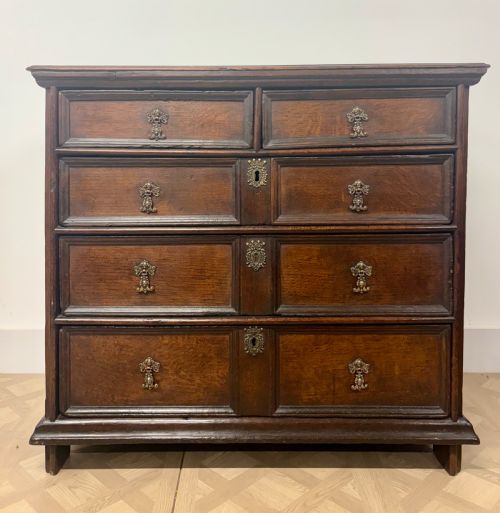
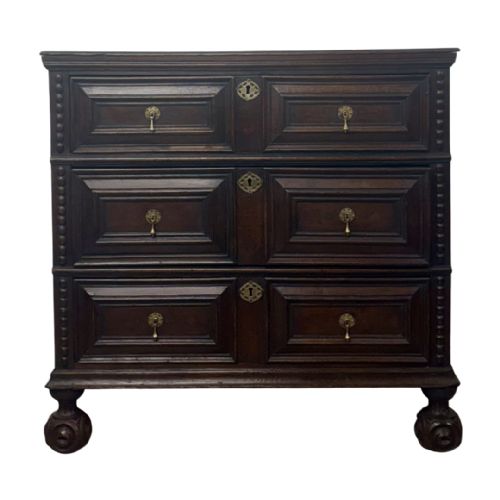
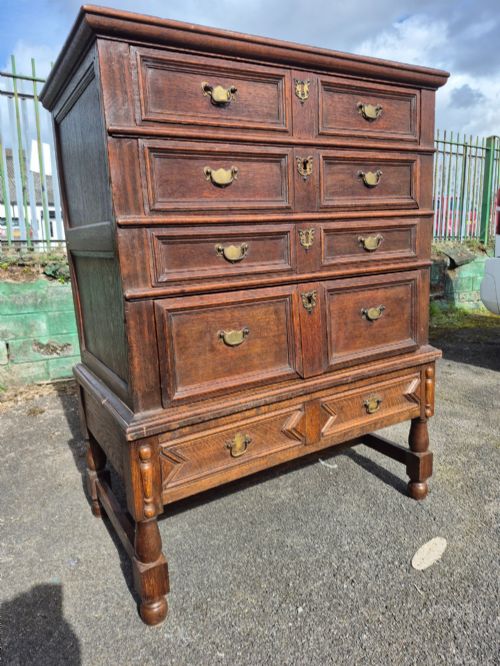
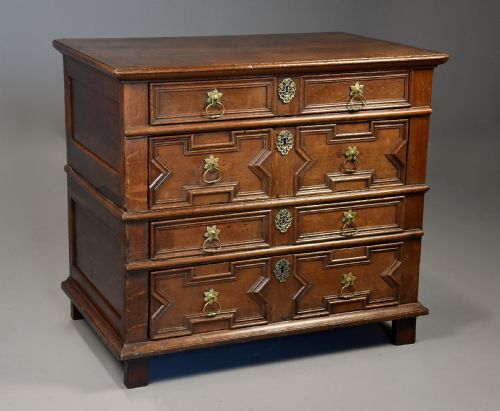
A geometric panelled chest offers robust seventeenth-century storage, built from solid oak with striking moulded fronts that anchor an interior.
What the pieces are
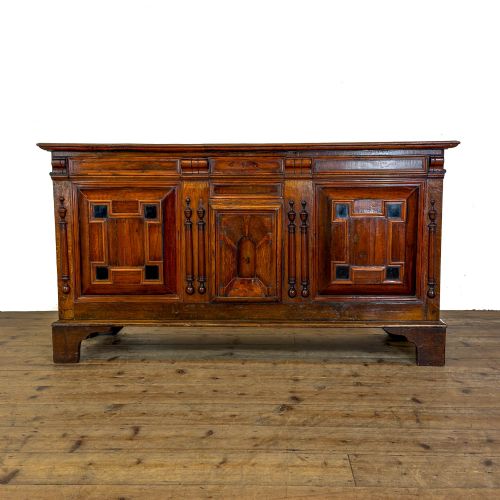
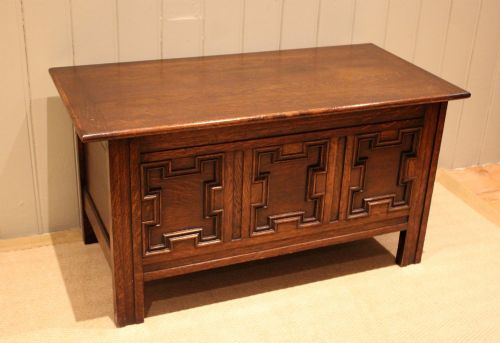
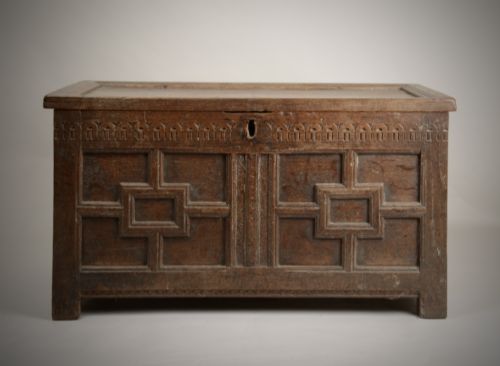
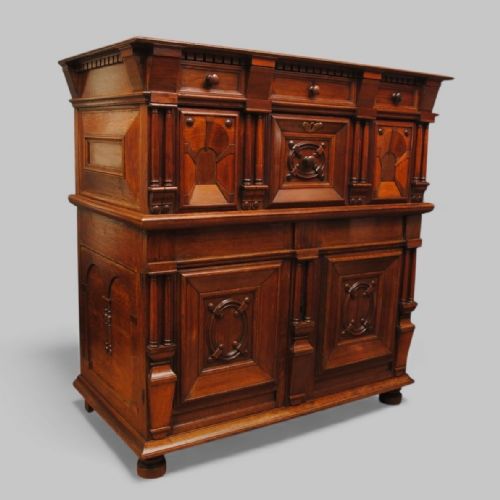
A geometric panelled chest is a substantial storage piece primarily dating from the seventeenth century, encompassing styles from Jacobean and Carolean to William and Mary periods. These sturdy forms include chests of drawers, mule chests with lower drawers, and panelled coffers designed for domestic linen and valuables.
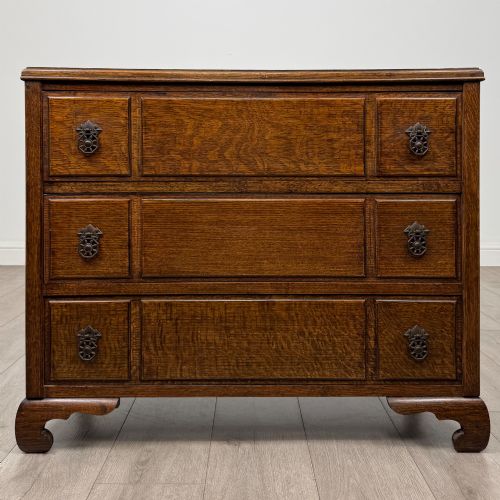
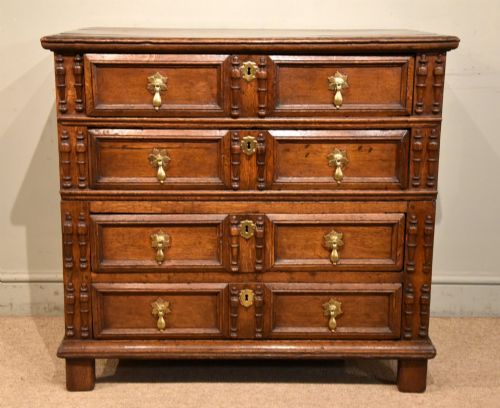
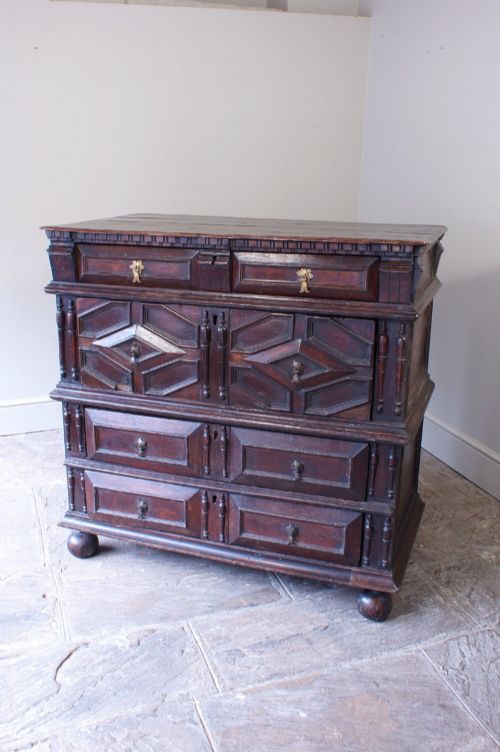
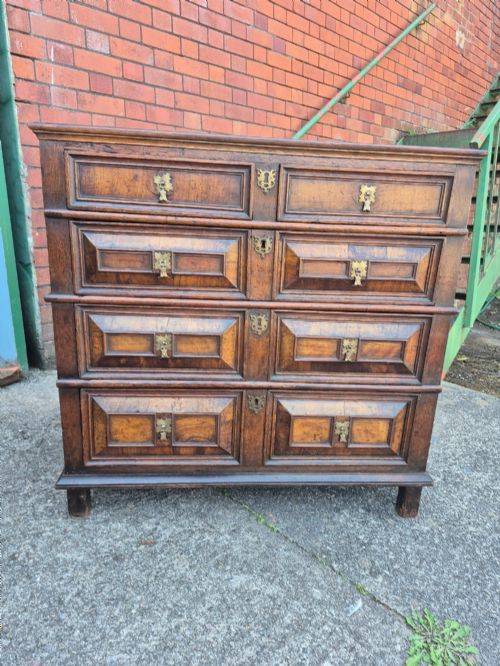
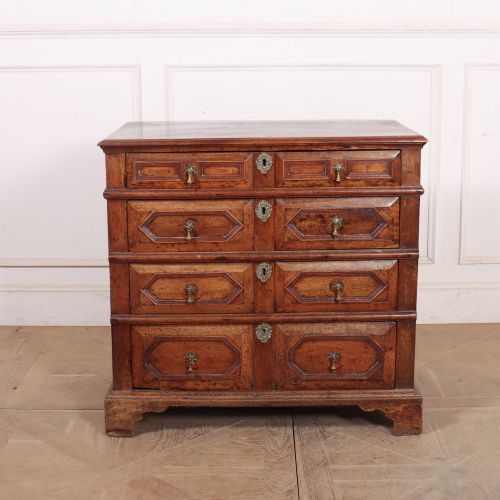
The version most commonly met on this page is the oak chest of drawers featuring applied mouldings on the drawer fronts to create intricate geometric patterns. Surviving examples span from the late seventeenth century into the eighteenth century, sometimes incorporating fruitwood or later arts and crafts revivals.
How they were made
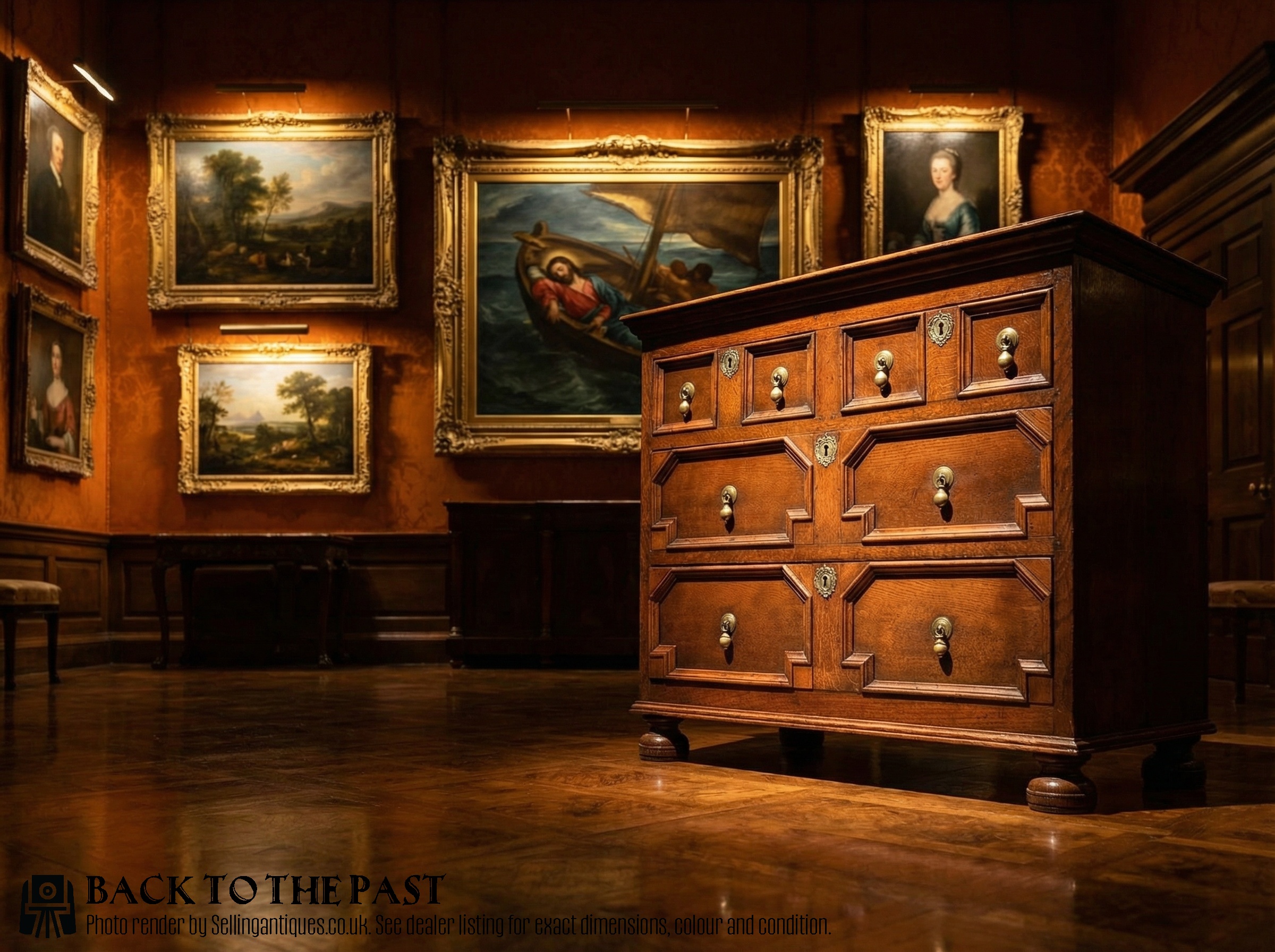
These pieces are constructed predominantly from solid oak, utilising traditional joinery and framed-and-panelled techniques to accommodate the natural movement of timber over centuries. Selected examples incorporate fruitwood alongside oak, building up the structure with pegged joints and robust backboards.
The characteristic geometric fronts are achieved through applied mouldings shaped in squares, rectangles, and octagons, often complemented by brass hardware. Carpenters built these chests to withstand heavy daily use, relying on grain direction and careful housing of panels.
Retail Price Guide 2026
Typical UK retail prices for geometric panelled chest, calculated from the Sellingantiques database of over a million retail prices indexed since 2003. This retail price guide relies exclusively on Sellingantiques data; no external sources or auction records are used, so the figures do not describe the wider market.
Expect to find hidden nooks inside these old chests where past owners tucked away forgotten coins and stray buttons.
What varies in quality
Quality in a geometric panelled chest rests on the crispness and complexity of the applied mouldings and the integrity of the timber. Pieces with well-preserved geometric arrangements on the drawers show superior craftsmanship compared to simpler surfaces.
The proportion of the chest and the survival of original brasses and timber patination separate finer survivals from heavily altered examples. Authenticity of the early carcass construction determines the enduring character of the piece.
The Geometric Panelled Chest Glossary
- Moulding
- A strip of material with a profiled cross section used to throw light and shadow, forming the geometric patterns on drawer fronts.
- Coffer
- A large wooden chest traditionally used for holding valuables or garments, often preceding the development of multi-drawer chests.
- Mule chest
- A storage chest featuring one or more drawers at the base beneath the main compartment, bridging the form of the coffer and the chest of drawers.
- Jacobean
- The stylistic period spanning the reign of James I, characterised by sturdy proportions and geometric decoration in woodwork.
- William and Mary
- The late seventeenth-century design phase known for refined applied mouldings and rich surface patination on oak furniture.
Frequently Asked Questions
What is a geometric panelled chest?
A geometric panelled chest is a heavy storage item from the seventeenth or eighteenth century, built mainly from oak with decorative raised mouldings on the front.
These pieces function as chests of drawers, mule chests, or coffers, providing both surface utility and period character.
How were these chests used historically?
Households utilised these substantial pieces to store textiles, garments, linen, and family valuables securely in domestic chambers.
The inclusion of lower drawers in mule chests allowed easier access to stored goods without lifting the main lid.
How do I date a geometric chest?
Dating relies on observing construction methods, timber choice, hardware styles, and the specific geometric arrangement of the mouldings.
Pieces span from seventeenth-century Jacobean and William and Mary eras through to later eighteenth-century interpretations and arts and crafts revivals.
How do I care for antique oak furniture?
Maintain antique oak by keeping it away from direct heat sources and sudden humidity changes to prevent timber splitting.
Apply traditional wax sparingly and buff gently with a soft cloth to preserve the natural patination of the wood.