
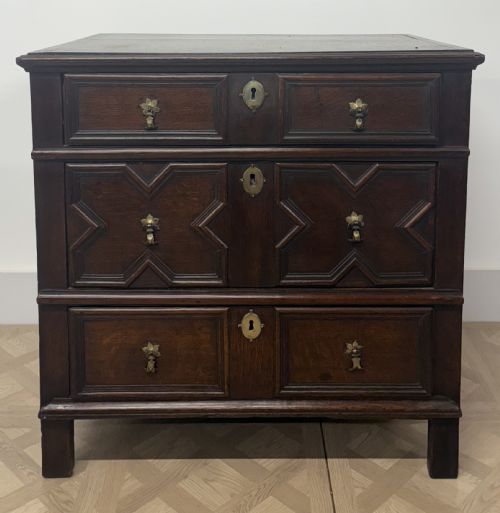
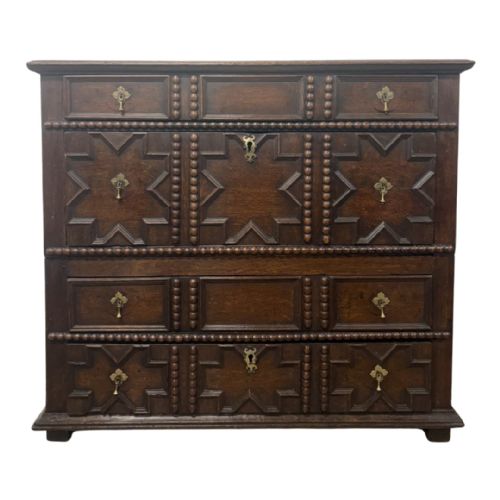
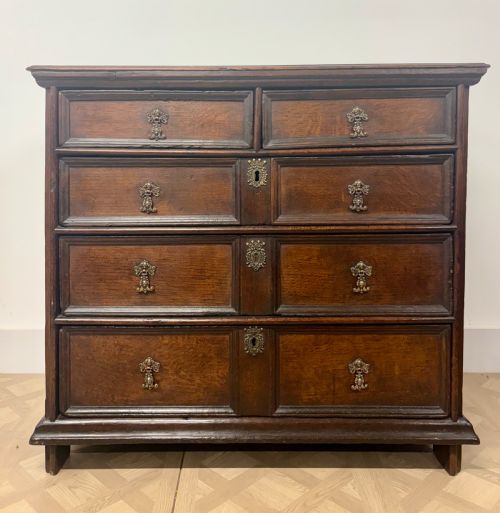
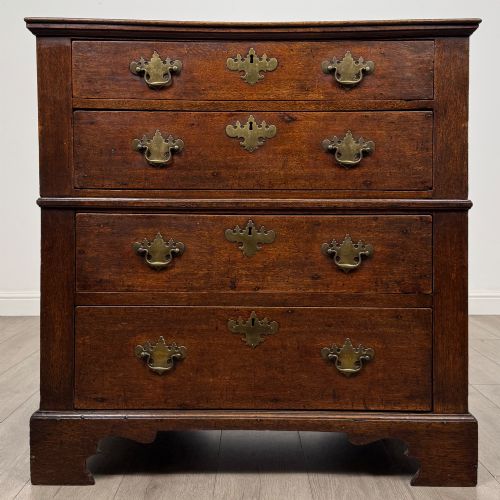
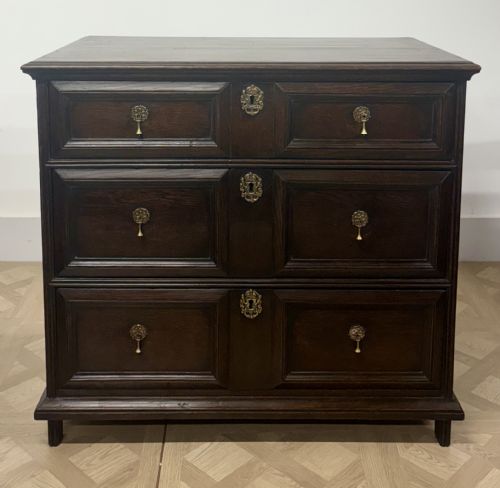
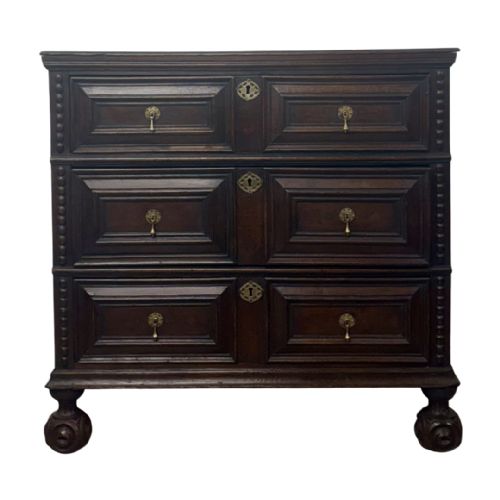
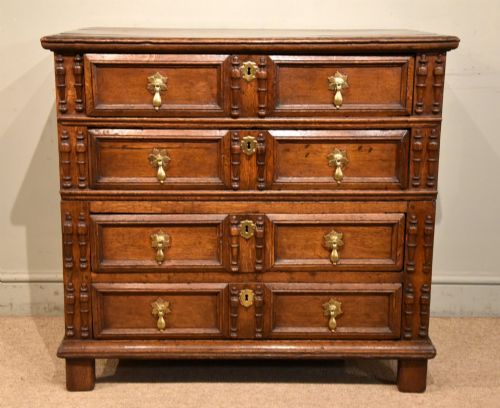
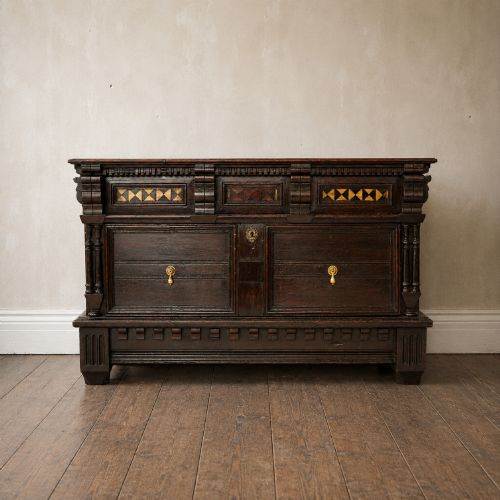
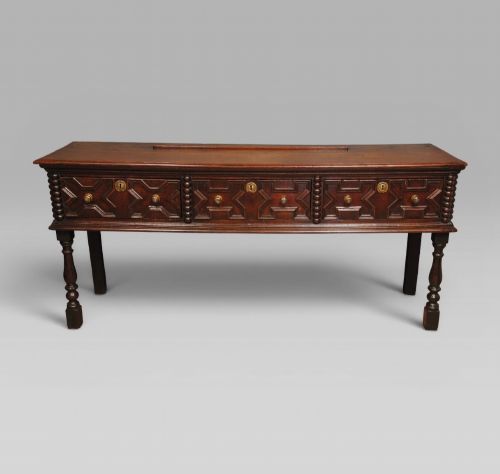
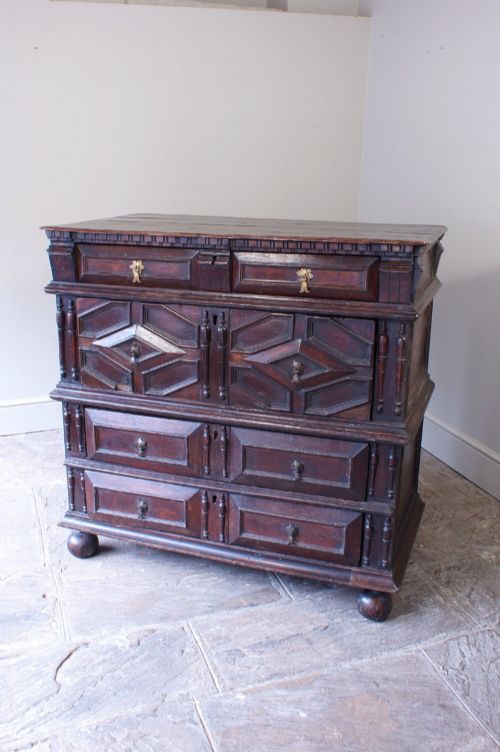
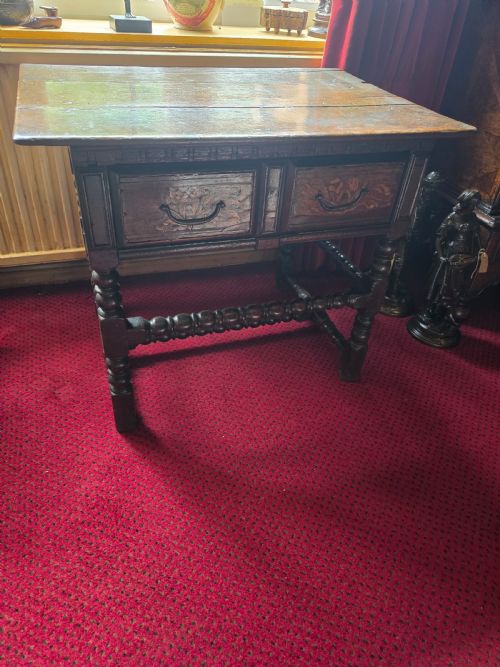


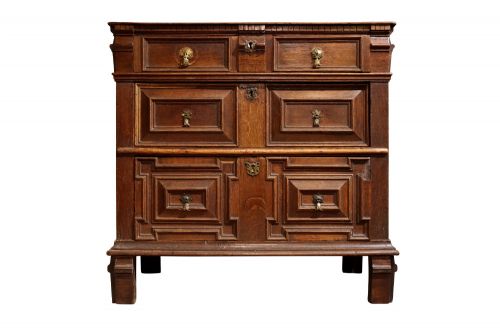
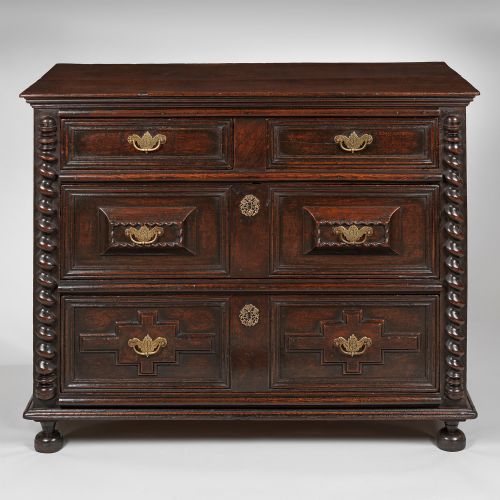
Seventeenth Century Oak Dresser
A seventeenth century oak dresser brings honest timber and centuries of domestic service straight into a modern interior.
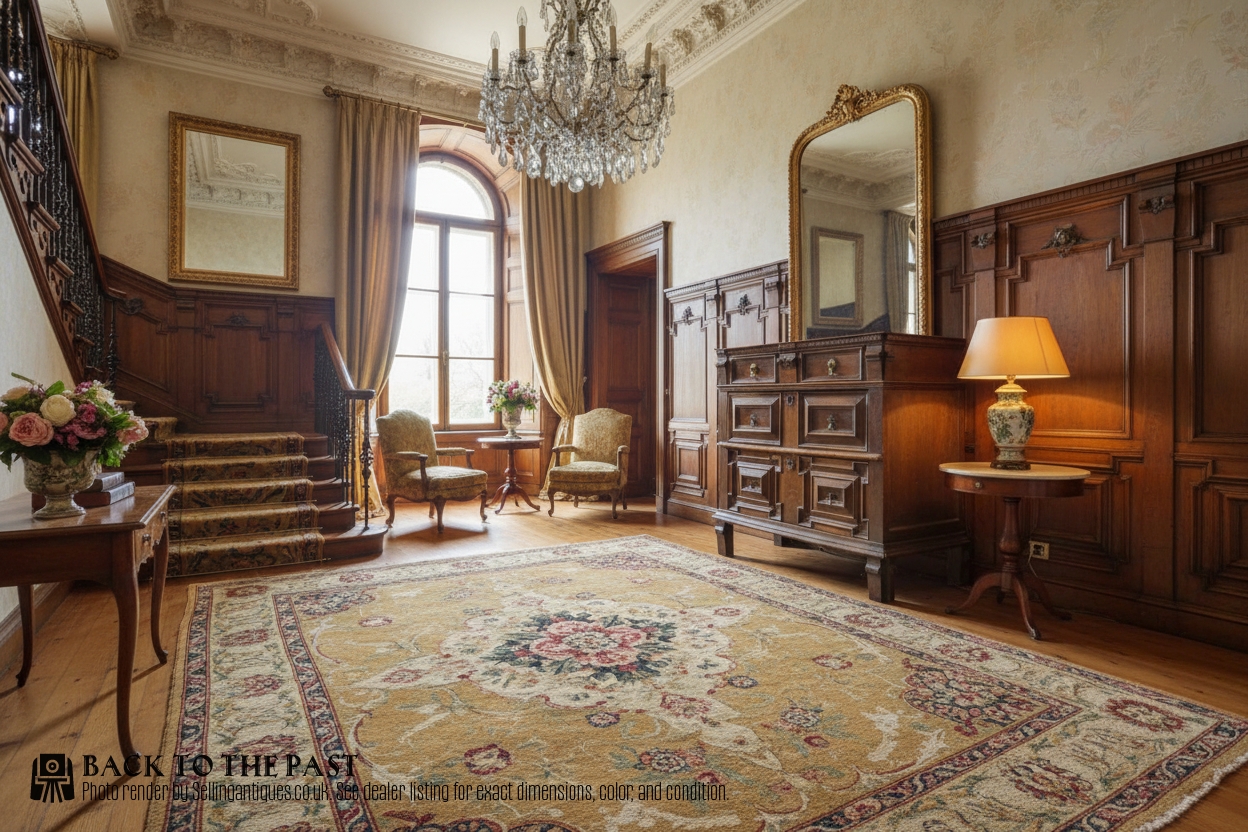
What a seventeenth century oak dresser is
When you search for a seventeenth century oak dresser, you are looking at substantial utilitarian furniture designed for provincial and country houses. These pieces include low dresser bases, cupboard dressers, and two-part chests from the seventeenth century, alongside occasional twentieth-century interpretations from nineteen-ten.
The domestic forms recorded in this field span low dresser bases and court cupboards alongside robust chests. The heavy timbers and utilitarian origins mean these survivors were built for hard kitchen and dining service.
Most examples meet you as low dresser bases or partitioned cupboards rooted in the Jacobean and Carolean periods. They show the honest grain and functional layouts developed before mass production changed domestic interiors.
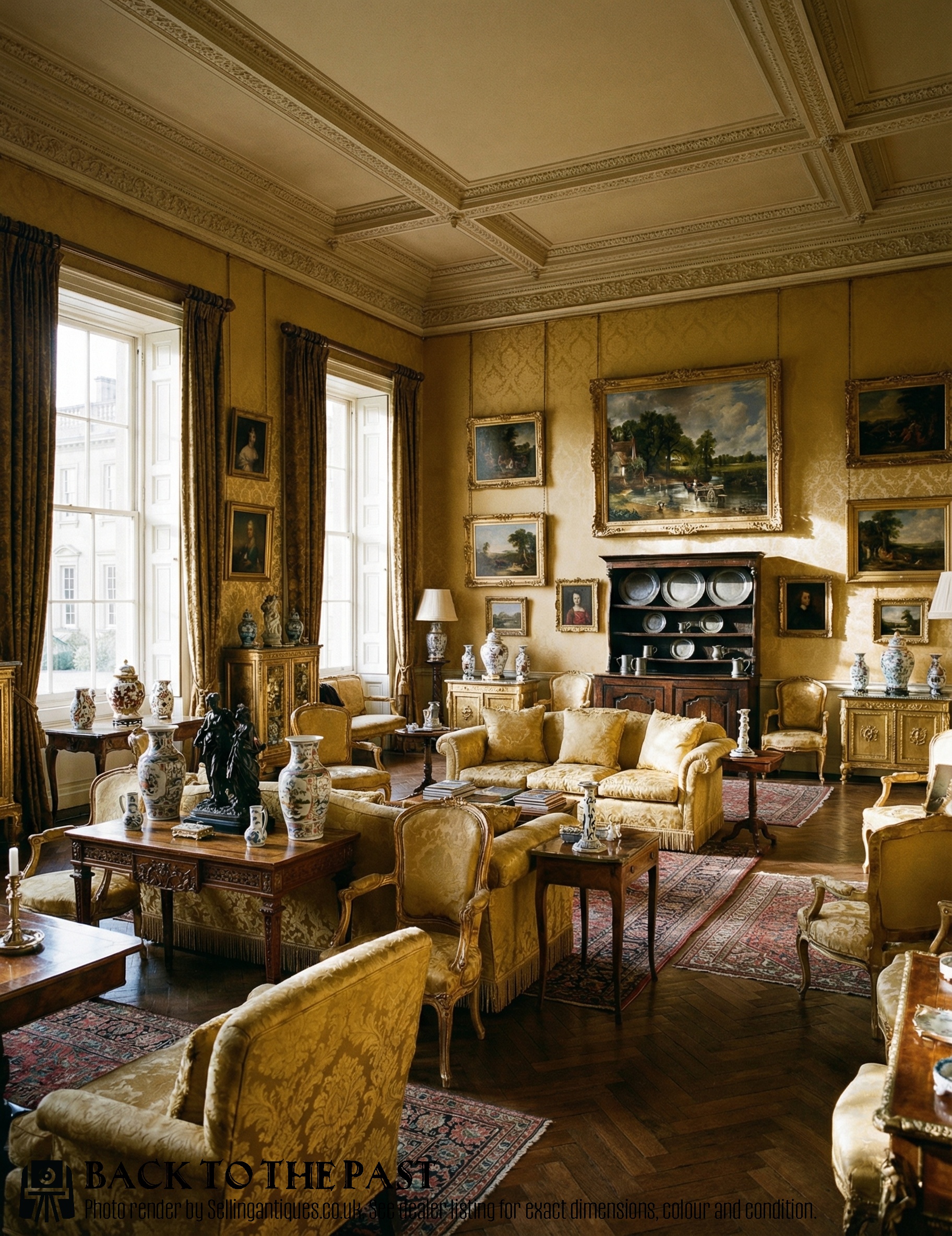
How they were made
Makers built these pieces using solid oak, selecting boards for strength and durability. Joinery relied on heavy framing and pegged joints rather than modern adhesives.
Metalwork played a structural and decorative role, with iron and brass hardware securing doors, drawers, and compartments. Carved enrichment on panels and friezes added texture to the plain timber surfaces.
Retail Price Guide 2026
Typical UK retail prices for seventeenth century oak dresser, calculated from the Sellingantiques database of over a million retail prices indexed since 2003. This retail price guide relies exclusively on Sellingantiques data; no external sources or auction records are used, so the figures do not describe the wider market.
Listings feature solid oak combined with brass and iron hardware across seventeenth-century and nineteen-ten periods.
What varies in quality
Quality rests in the integrity of the timber and the honesty of the construction. Superior examples retain their original structural elements without extensive timber replacement.
The depth and crispness of the carved details separate utilitarian output from finer regional workshop production. Surface patination accumulated through generations of use dictates the visual weight of the piece.
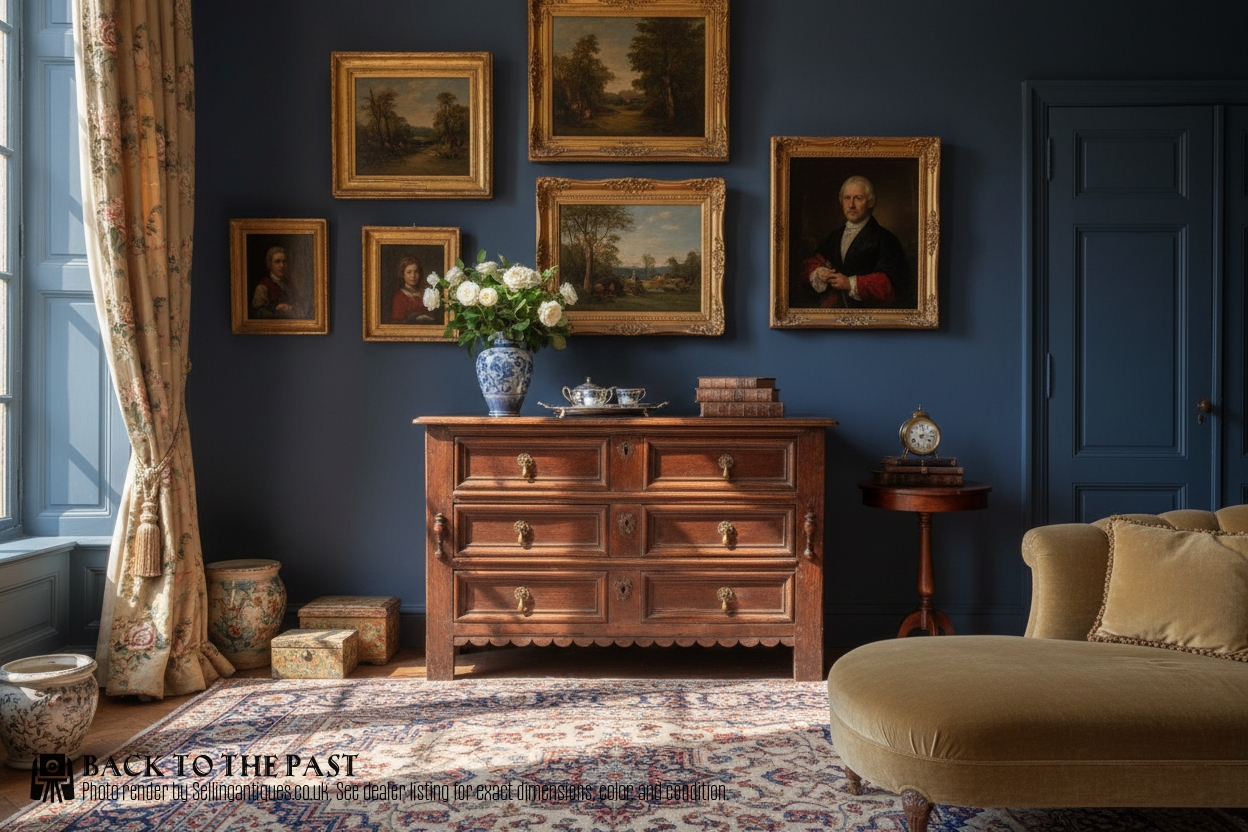
The Seventeenth Century Oak Dresser Glossary
- Dresser base
- The lower section of a dresser featuring drawers and cupboards without the upper plate racks. This form served as a working surface and storage unit in early kitchens.
- Court cupboard
- A heavy enclosed storage piece with tiers of cupboards, typical of seventeenth-century joinery. These units kept valuable foods and textiles secure under lock and key.
- Jacobean
- The stylistic period spanning the reign of James the First, characterised by solid proportions and geometric moulding. Furniture from this era often displays strapwork and panelled construction.
- Carolean
- The design era covering the reign of Charles the Second, marked by livelier carved ornamentation and rich surface textures. Pieces from this time balance traditional joinery with emerging decorative tastes.
Frequently Asked Questions
How do I clean my seventeenth century oak dresser?
Clean the surface gently using a soft, dry cloth to remove dust without disturbing the historic wax. Avoid modern liquid polishes that can penetrate the grain and soften the aged finish.
Feed the dry oak periodically with a traditional beeswax paste applied sparingly and buffed thoroughly. This protects the wood while preserving the deep patination built up over centuries of use.
Are these dressers suitable for modern kitchens?
These robust pieces suit contemporary spaces well, serving as sideboards, media units, or kitchen prep surfaces. The durable oak withstands daily domestic life.
Keep them away from direct heat sources and excessive moisture swings to prevent the old timber from warping or splitting. Proper placement ensures the antique structure remains stable.
How can I tell a seventeenth century piece from a later copy?
Examine the construction marks, timber shrinkage, and hand-cut joints beneath and behind the piece. Period work shows tool marks and peg construction consistent with early hand-tool methods.
Look for natural wear patterns around handles and drawer edges that reflect centuries of human touch. Later copies often display uniform tool marks and artificial ageing that lack genuine use.
What is a Welsh oak cupboard dresser?
A Welsh cupboard dresser is a regional variant combining enclosed cupboard storage with display space for domestic wares. These pieces reflect local craftsmanship and domestic needs.
They often feature distinctive proportions and regional timber selections that set them apart from English counterparts. Their solid construction made them central fixtures in rural Welsh homes.