
17th Century Oak Drawers
When hunting for 17th century oak drawers, you seek sturdy timber furniture that brings centuries of English craftsmanship directly into your home.
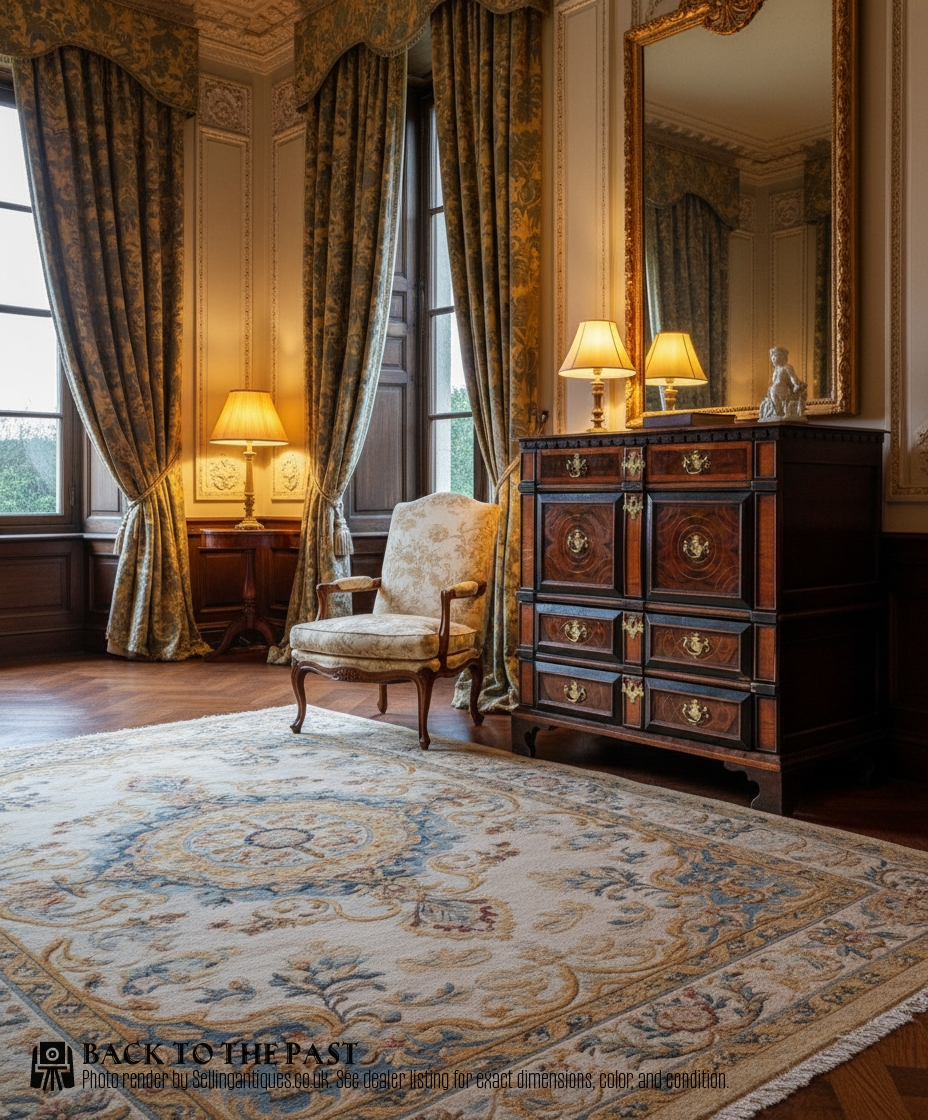
17th Century Oak Drawers
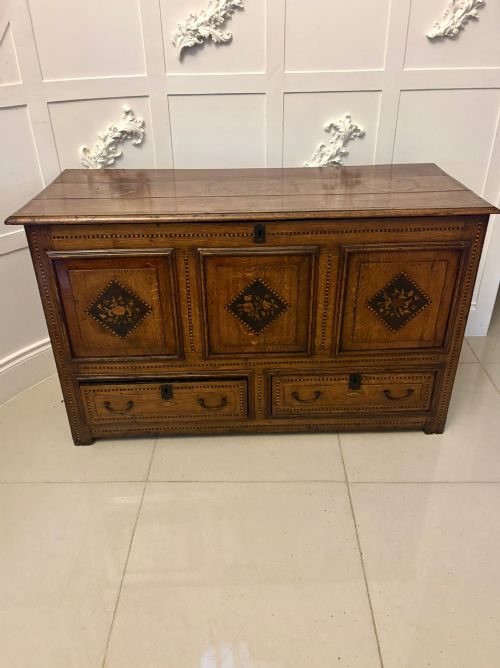
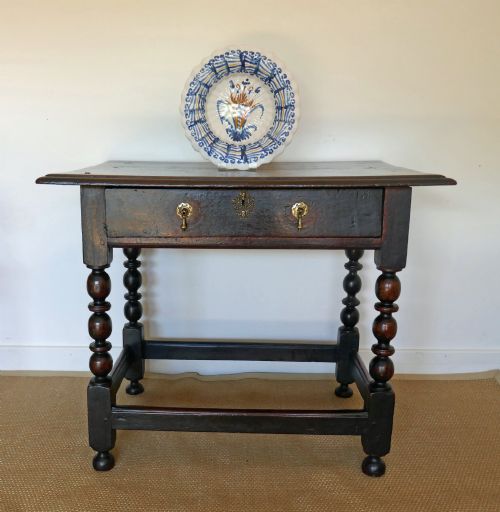
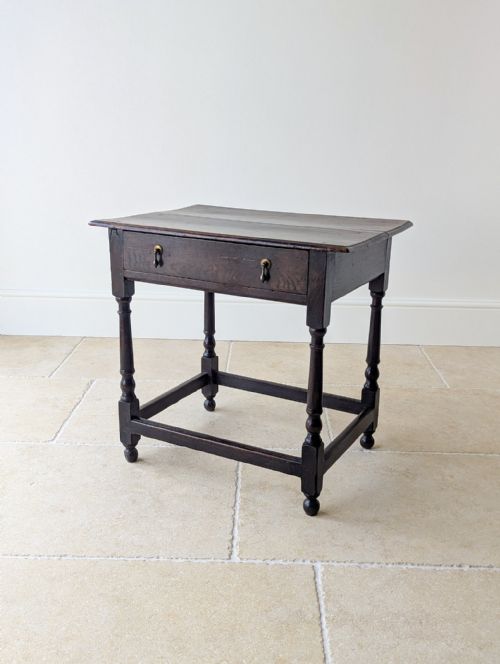
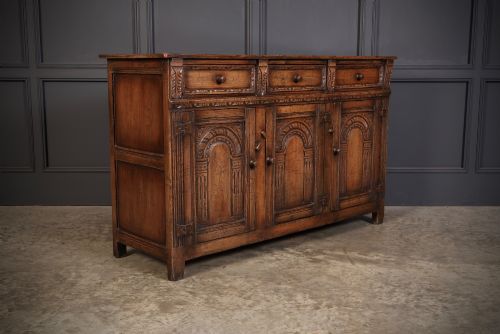
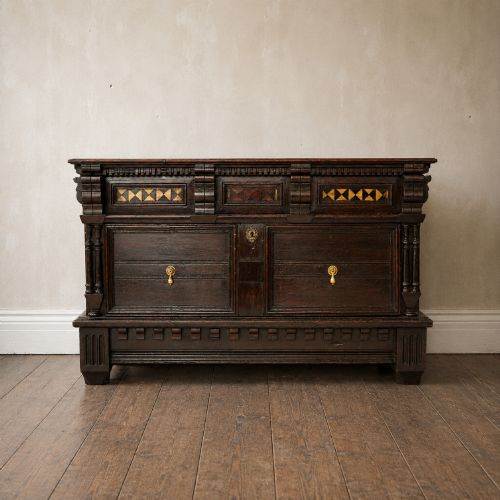
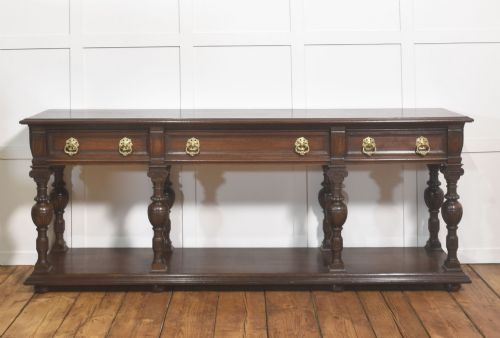
Searching for 17th century oak drawers reveals robust storage furniture made during a period of significant domestic change in England. These pieces primarily take the form of chests of drawers, alongside related functional items such as side tables, mule chests, and dresser bases.
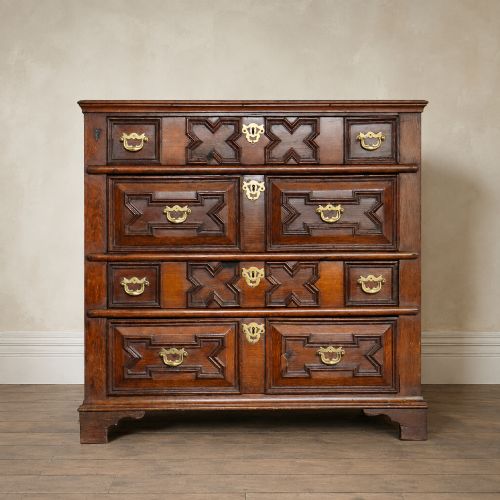
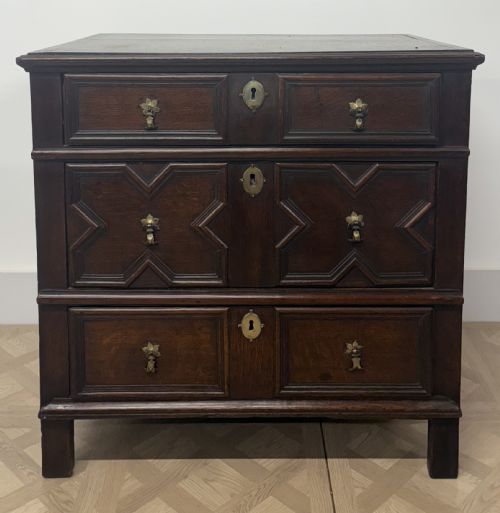
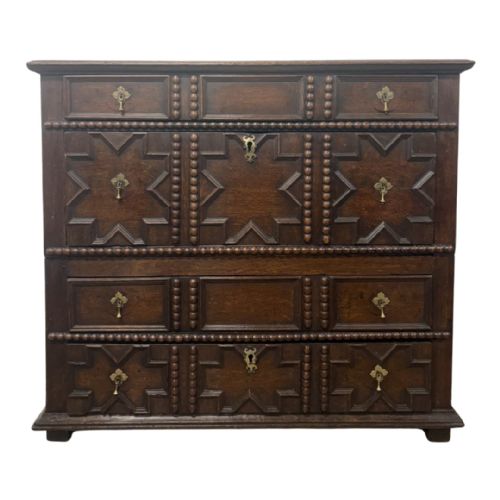
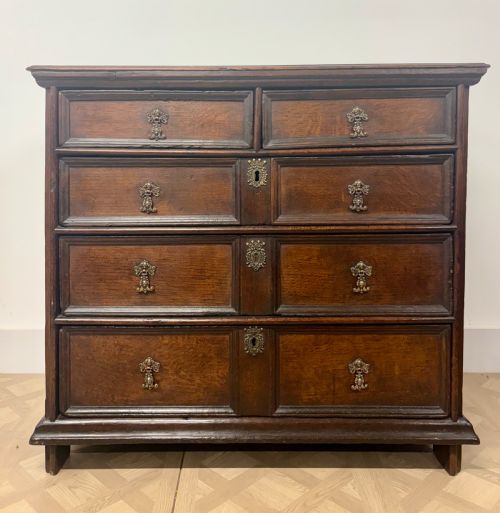
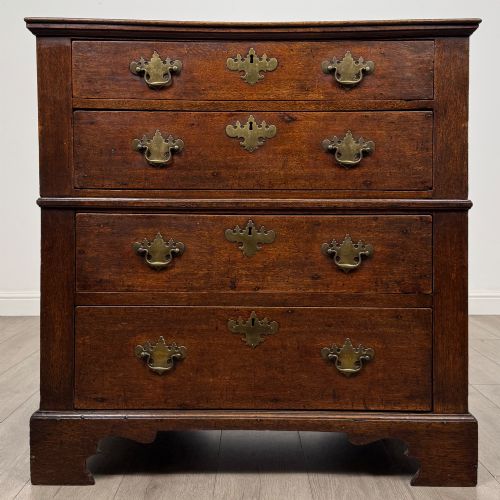
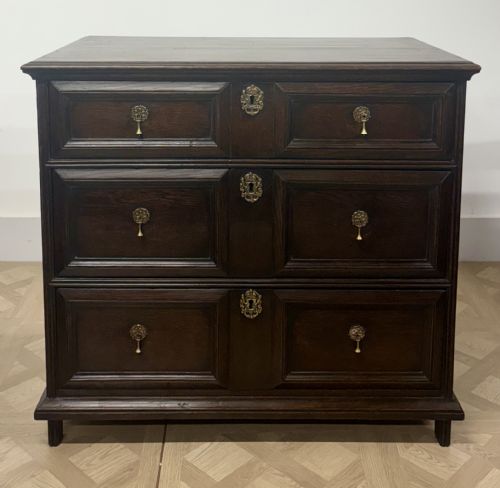
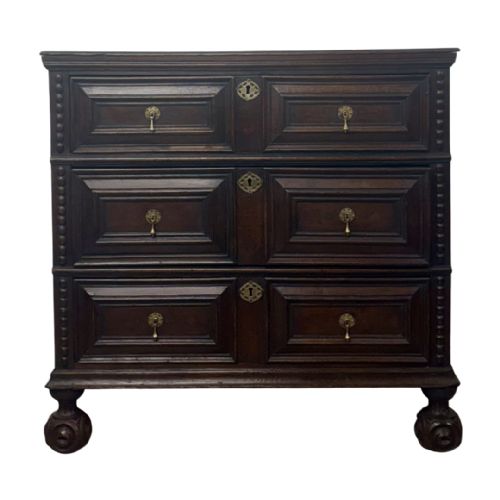
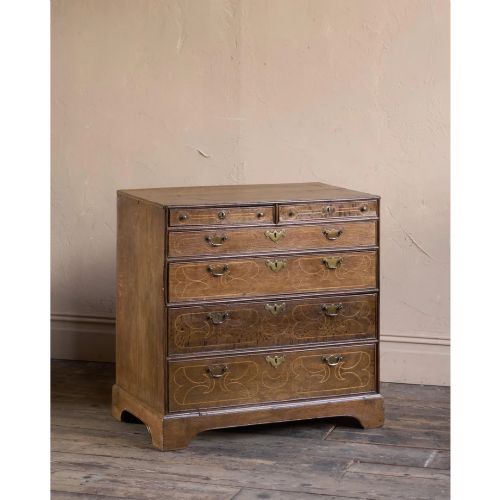
The version you are most likely to encounter on this page is the Charles II or late 17th century chest of drawers, often displaying geometric moulded fronts. These survivors range from simple cottage-size examples to more ambitious pieces incorporating contrasting veneers and panel work.
Beyond standard chests, the selection occasionally includes sideboards, table boxes with internal drawers, and chests on stands. Each object reflects the utilitarian needs of historical households coupled with the evolving decorative tastes of the Jacobean and William and Mary eras.
Materials and construction methods
The primary material underpinning these items is native English oak, chosen for its durability and abundant supply. Craftsmen built the carcases using heavy timber frames, often combining the oak with secondary woods such as walnut, fruitwood, yew, or elm.
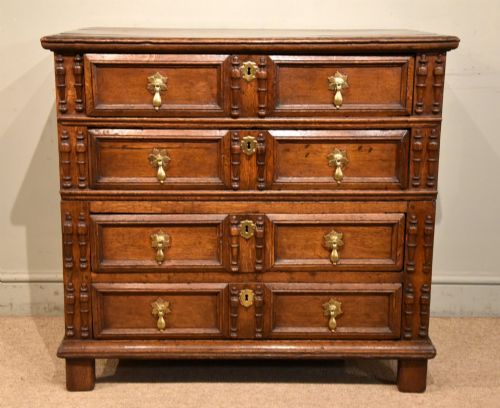
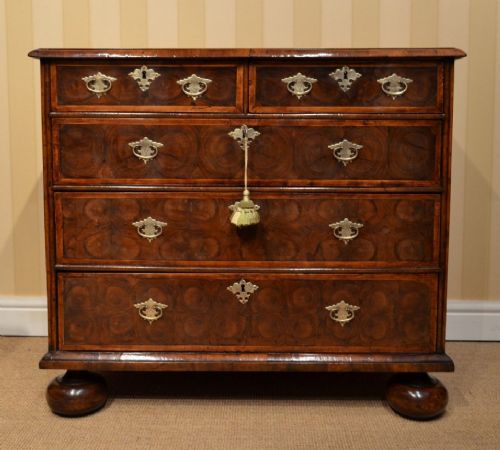
Surface ornamentation relied heavily on decorative joinery rather than applied paint, utilising geometric mouldings, cushion panels, and applied spindle turnings like bobbin turning and barley twists. Finer examples integrated contrasting elements such as oyster veneers and intricate wood or marquetry inlay using olive and laburnum.
Hardware played a functional and decorative role, with original brass drop handles and iron hinges securing the drawers and doors. Surfaces were finished by hand, developing deep patinas over centuries of daily use and waxing.
Materials recorded across the archive include solid oak, walnut, fruitwood, laburnum, and oyster veneers accented with brass and iron.
What separates the finest examples
Proportion and scale heavily influence desirability, with smaller chest sizes and pieces maintaining balanced, bold proportions commanding particular attention. The depth and warmth of the natural patina further distinguish pieces that have aged gracefully with minimal intervention.
Originality of construction, including matching hardware, untouched drawer linings, and minimal replacement timber, elevates an artefact. The crispness of hand-carved details and the precision of early joinery demonstrate the maker's original skill.
The 17th Century Oak Drawers Glossary
- Geometric moulding
- Raised wooden strips applied to drawer fronts in repeating patterns, often octagonal or lozenge-shaped, typical of the late 17th century.
- Oyster veneer
- Slices cut transversely across small branches or roots to create circular or oval patterns resembling oyster shells, popular in the William and Mary period.
- Mule chest
- A traditional storage chest featuring one or two drawers beneath the main compartment, combining the functions of a coffer and a chest of drawers.
- Barley twist
- A decorative turning technique resembling a spiralling rope, frequently utilised on the legs and supports of late 17th-century side tables.
- Patina
- The surface sheen and softening of colour developed by wood over long periods through oxidation, handling, and regular polishing.
17th Century Oak Drawers: Frequently Asked Questions
How do I identify a genuine 17th century chest?
Authentic pieces display period construction methods such as hand-cut dovetails, pegged joints, and oak linings that show natural timber shrinkage and historical tool marks. Look for surface patination that cannot be replicated by modern finishing.
Hardware holes should align with the period of the piece, and the timber selection should match the native and decorative woods typical of 17th-century workshops.
Where were these pieces originally used?
These items served functional storage roles in substantial English homes, farmhouses, and taverns, holding clothing, linens, and household documents. Smaller boxes and chests were often placed on tables or stands to secure valuables.
They inhabited bedchambers, parlours, and hallways, acting as primary furniture investments for prosperous merchants and landowners.
How should I care for antique oak furniture?
Maintain a stable indoor environment away from direct heat sources and sudden humidity fluctuations to prevent the ancient oak from splitting or warping. Apply a traditional beeswax polish sparingly to nourish the wood and preserve the surface patina.
Avoid chemical cleaners and modern silicon sprays, which can penetrate open-grain timber and damage the historical finish over time.