




18th Century Work Table
An 18th century work table brings refined utility to any room, offering clever compartments and timeless woodwork.
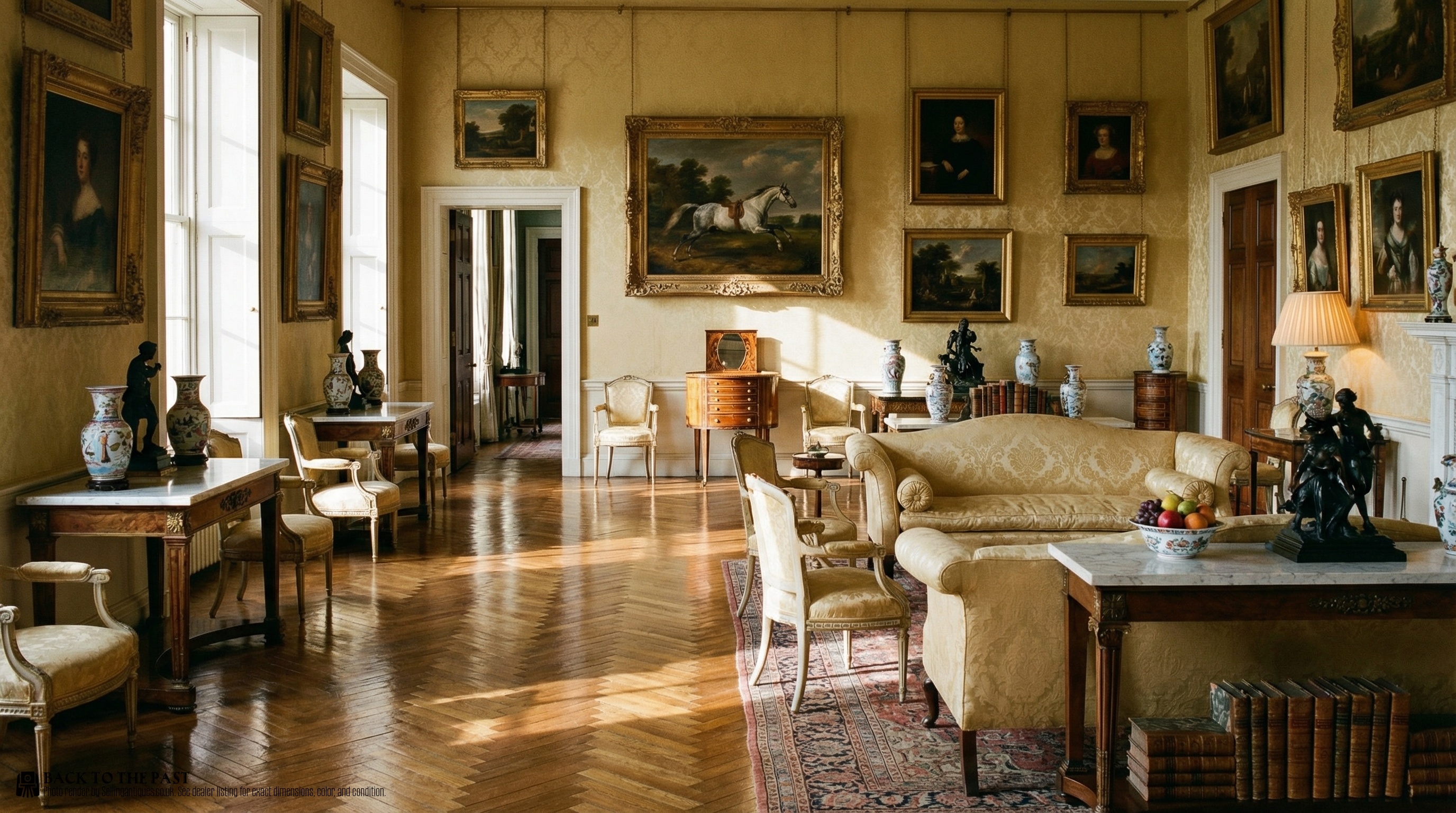
Understanding the 18th Century Work Table
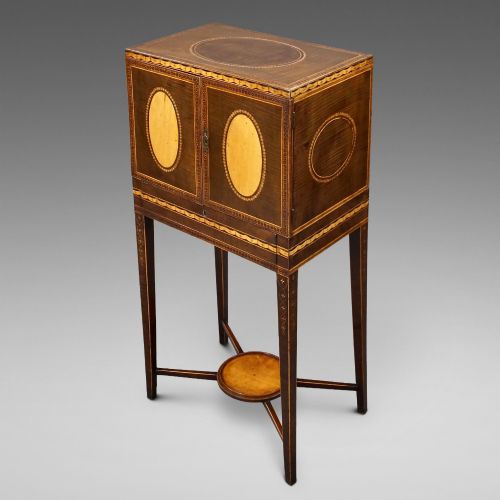
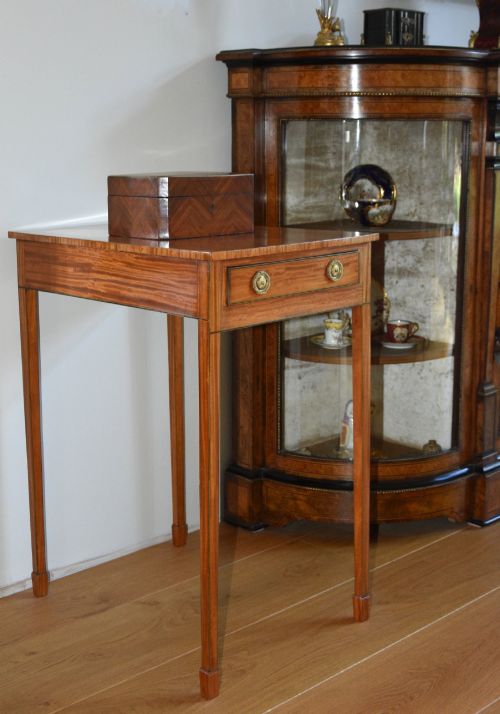
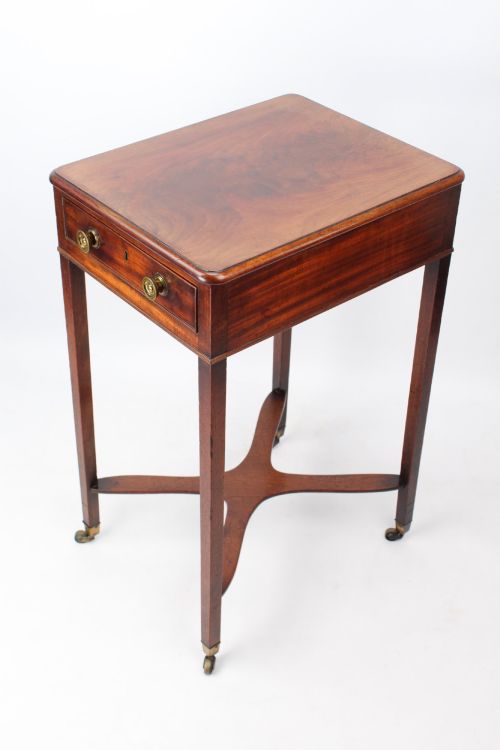
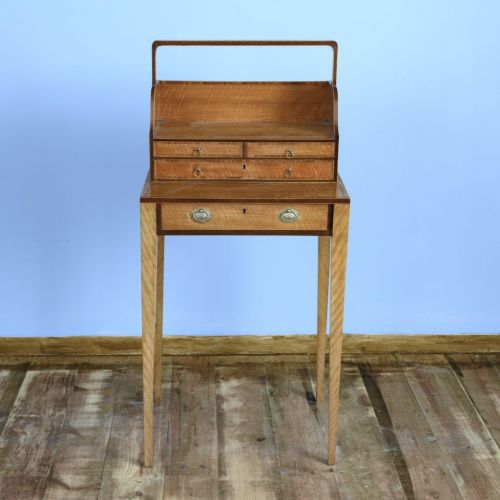
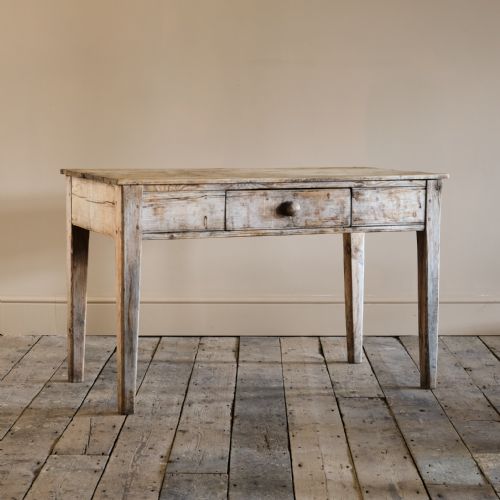
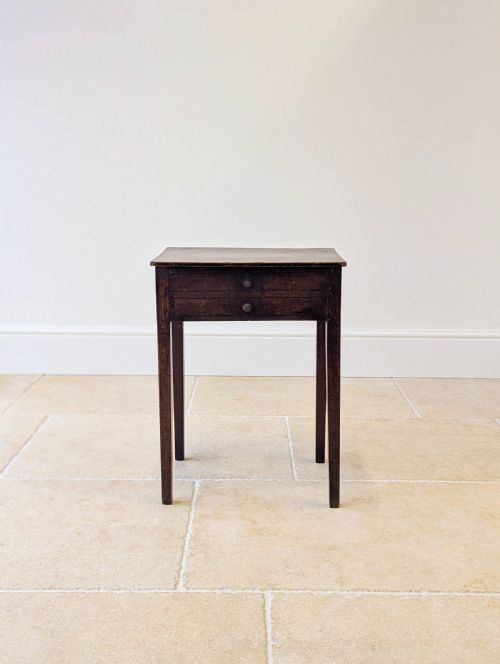
When you search for an 18th century work table, you encounter specialised furniture designed primarily for sewing and needlework, often equipped with fitted drawers or drop leaves. The versions most commonly met on this page date from the Georgian and George III periods, spanning the late eighteenth century up to around 1800.
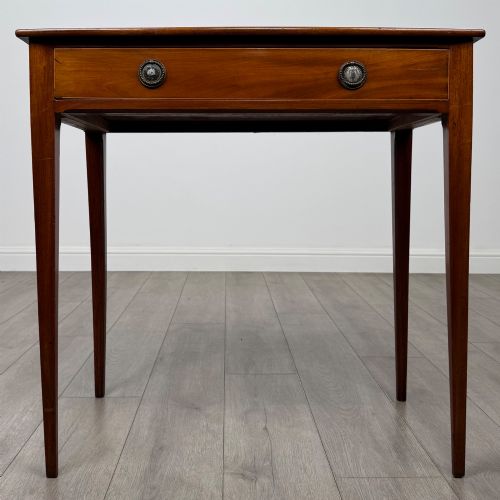
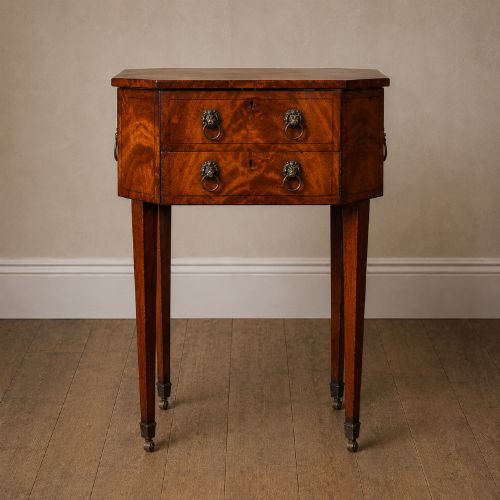
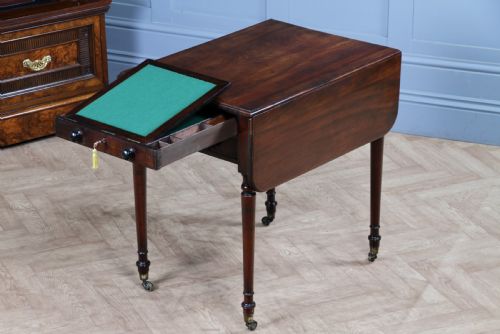
These pieces encompass various forms such as occasional tables, side tables, and sewing tables, frequently executed in mahogany or satinwood. Examples range from compact octagonal designs to drop-leaf variants and bow-front shapes tailored for domestic interiors.
Materials and Construction
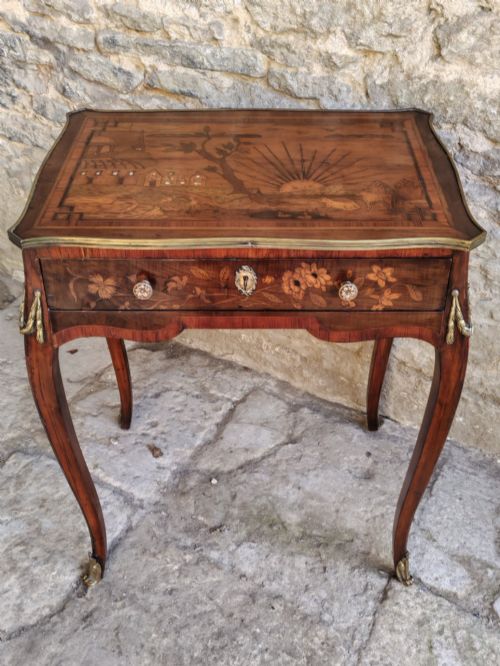
Cabinet makers utilised dense timbers like mahogany and satinwood, often embellishing surfaces with delicate boxwood inlay or pen-work details. Structural hardware frequently incorporated brass fittings, while interior elements utilised bone, glass, and specialised fabric linings.
Joinery techniques suited the domestic purpose of these items, balancing sturdy frames with intricate mechanisms for secret rising compartments and fitted drawers. The resulting construction supported both daily utility and decorative elegance.
Retail Price Guide 2026
Typical UK retail prices for 18th century work table, calculated from the Sellingantiques database of over a million retail prices indexed since 2003. This retail price guide relies exclusively on Sellingantiques data; no external sources or auction records are used, so the figures do not describe the wider market.
Listings feature mahogany, satinwood, and oak materials applied across Georgian work tables and sewing forms.
Judging Quality and Distinction
The distinction between standard examples and exceptional pieces lies in the sophistication of the timber selection and the precision of the inlay work. Finer specimens display harmonious proportions, sophisticated wood grains like figured satinwood or faded mahogany, and well-executed details such as lion mask handles.
Another measure of quality involves the complexity and integrity of internal compartments and original hardware. Pieces retaining intact fittings and refined structural detailing represent the upper tier of surviving examples.
The 18th Century Work Table Glossary
- Drop leaf
- A table design featuring hinged flaps on the sides that can be raised to enlarge the surface area or lowered when space is limited.
- Satinwood
- A durable, lustrous timber native to India and the West Indies, highly prized in late eighteenth-century cabinet making for its golden sheen.
- Bow front
- A convex, curved front section characteristic of specific case furniture and tables produced during the Georgian era.
- Octagonal
- Having eight sides and angles, a geometric form frequently utilised for the tops of specialised sewing and work tables.
- Pen-work
- A decorative technique involving intricate ink drawings applied directly to a wooden surface and sealed with varnish.
Frequently Asked Questions
What was an 18th century work table used for?
These tables served primarily as dedicated workstations for domestic needlework, sewing, and embroidery. They kept threads, needles, and fabric organised within fitted drawers and compartments.
Over time, their compact sizes and adaptable surfaces made them equally popular for writing or holding small decorative objects in parlours and drawing rooms.
How do I identify a George III work table?
George III pieces typically exhibit classic proportions, refined timber choices like mahogany or satinwood, and subtle classical inlay. Look for characteristic details such as tapering legs and brass handles.
Many examples from this era also feature functional drop leaves or ingenious internal compartments designed to conceal sewing implements.
Where should I place a work table in my home?
An 18th century work table works well as a side table beside a sofa or armchair, where its surface and drawers remain easily accessible. Their modest scale allows them to fit comfortably into tight hallways or alcoves.
Avoid positioning them in direct sunlight or near heat sources to protect the antique veneers and polished timber finishes.
What is the difference between satinwood and mahogany pieces?
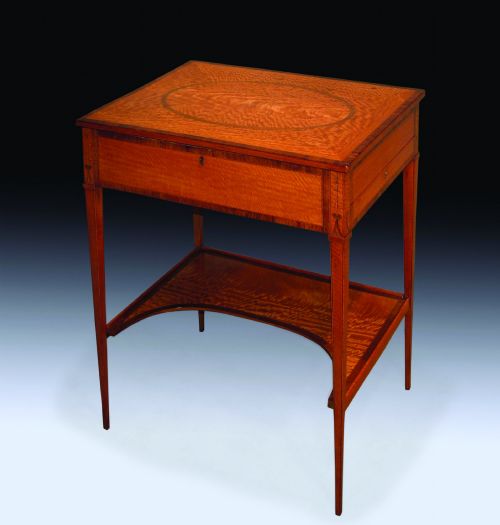
Mahogany offers a deep, rich brown colour and a sturdy grain that defined much of Georgian cabinet making. Satinwood provides a significantly lighter, golden-yellow tone with a distinctive sheen favoured in more decorative pieces.
Both timbers were handled with immense skill, but satinwood often signals a lighter, more ornamental aesthetic typical of the Sheraton style.