








George III Work Table
A george iii work table brings Georgian refinement to domestic tasks, offering ingenious compartments for sewing and writing.
George III Work Table
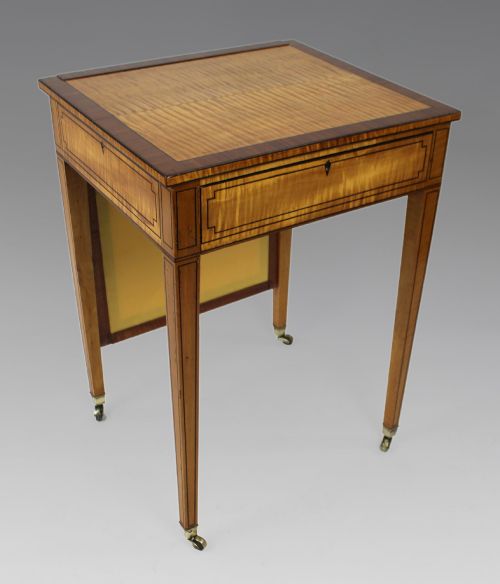
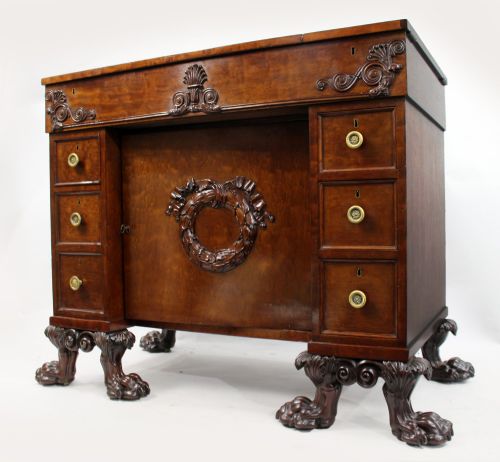
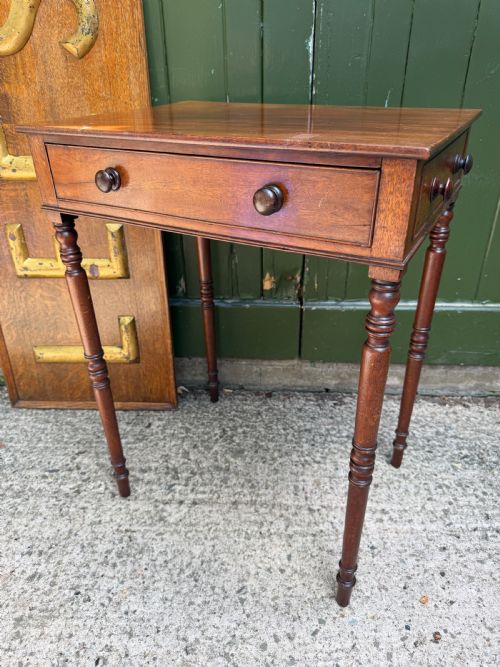
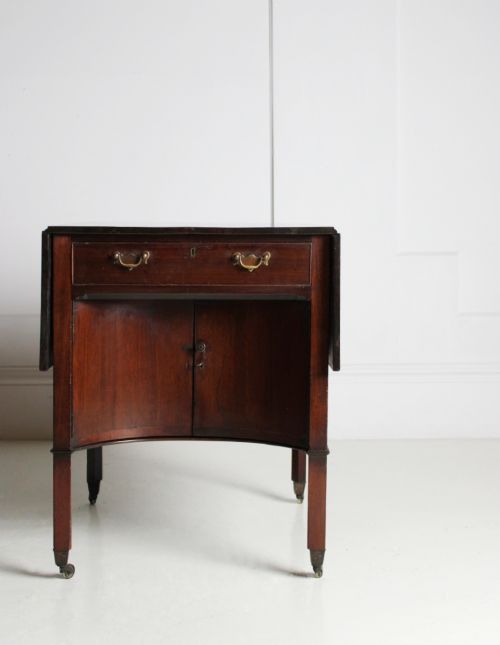
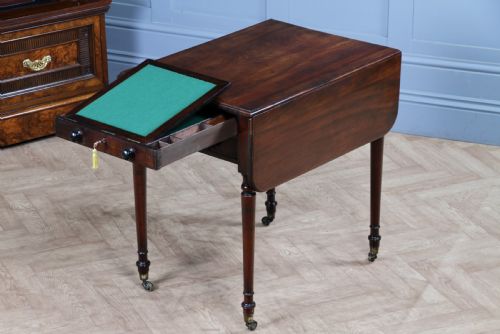
A george iii work table serves as a functional piece of Georgian furniture designed for needlework, writing, and small domestic pursuits. These tables combine compact proportions with specialised storage, featuring fitted drawers and drop leaves.
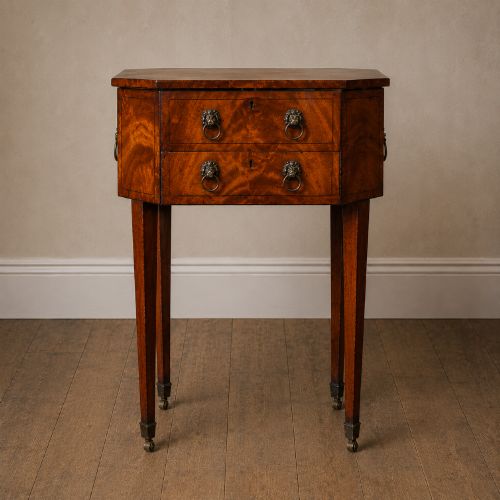
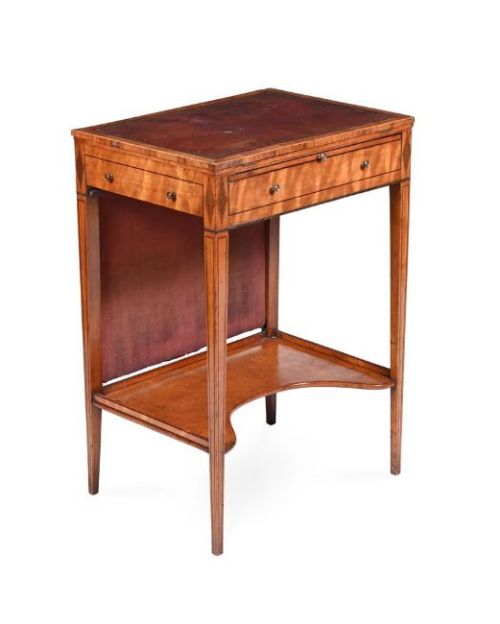
The pieces appearing in this selection primarily date from the eighteenth century into the early nineteenth century. Mahogany forms the core of the inventory, often accompanied by satinwood, rosewood inlay, and baize linings.
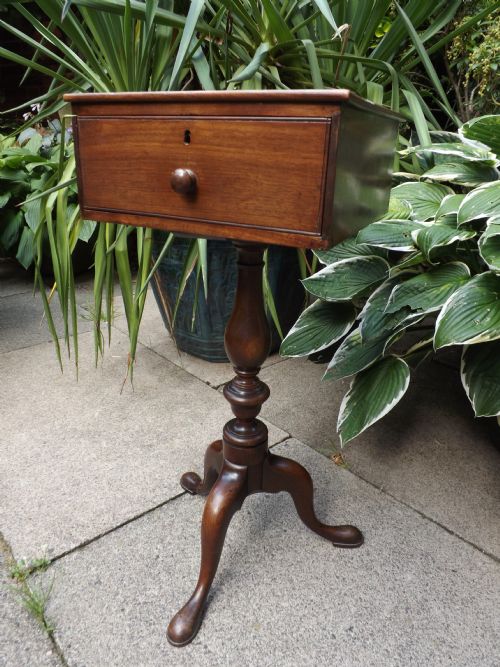
Variations in form include Pembroke designs, octagonal tops, and pedestal bases alongside sewing and writing tables. Each variation provides a specific surface and storage arrangement tailored to period social habits.
Factors that distinguish examples
The refinement of timber selection and secondary woods dictates the standing of an individual table. Finer examples display carefully matched grain patterns across the top and drawer fronts, alongside precise inlay work.
The complexity of the interior fitting creates a distinct division among these tables. Simple single-drawer variants contrast with elaborate multi-drawer writing or secretaire arrangements that house specialised compartments.
George III Work Table Retail Price Guide 2026
Typical asking prices for george iii work table among the pieces listed under this phrase on Sellingantiques today, from the lower quarter to the upper quarter. They describe what is for sale here now, not the wider market.
A george iii work table often hides miniature compartments inside, built specifically to keep rogue sewing pins from vanishing into the upholstery.
The George III Work Table Glossary
- Pembroke table
- A small occasional table featuring two hinged drop leaves on opposing sides. This design allowed the surface area to increase or decrease quickly.
- Secretaire
- A piece of furniture incorporating a writing drawer with a drop-front panel and internal small drawers and pigeonholes. It merges desk functionality with a standard table form.
- Baize
- A coarse woollen material resembling felt, traditionally used to line the writing and playing surfaces of gaming and work tables. It provided a soft texture for handling cards or delicate items.
- Inlay
- A technique where pieces of contrasting timber or decorative materials are set into the surface of a base wood to form patterns. Satinwood and rosewood frequently serve this purpose on Georgian pieces.
George III Work Table: Frequently Asked Questions
What is a george iii work table?
A george iii work table is a compact item of Georgian furniture created for needlework, writing, and holding sewing materials. These tables typically include fitted drawers and sometimes drop leaves for adjustable surface space.
Craftsmen built them during the eighteenth and early nineteenth centuries using timbers such as mahogany and satinwood. They functioned as versatile household furniture for upper-class interiors.
How were these tables used originally?
Owners utilised these tables primarily for domestic needlecraft, embroidery, and writing letters in private rooms or parlours. The internal compartments kept threads, needles, and small papers organised.
Drop-leaf and Pembroke versions permitted the furniture to sit compactly against a wall until needed. Some variants also served dual purposes for games or holding lamps.
What woods appear in these pieces?
Mahogany constitutes the primary structural timber seen across the surviving inventory, valued for its stability and deep colour. Cabinetmakers combined it with secondary woods for drawer linings.
Satinwood, rosewood, and various decorative inlays provided surface contrast and border decoration. Fabric and baize also appeared as linings inside drawers or upon writing surfaces.