






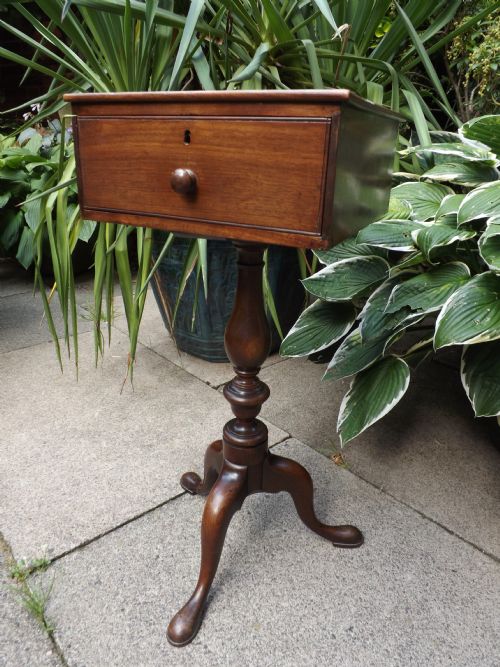


George III Sewing Table
A george iii sewing table brings refined late-eighteenth-century utility into a modern room, combining compartmented storage with elegant timber work.
George III Sewing Table
When you search for a george iii sewing table, you encounter versatile pieces designed for domestic work, writing, and needlecraft during the Georgian era. These items combine the functions of a side table with specialised interior fittings such as fitted drawers and secret rising compartments.
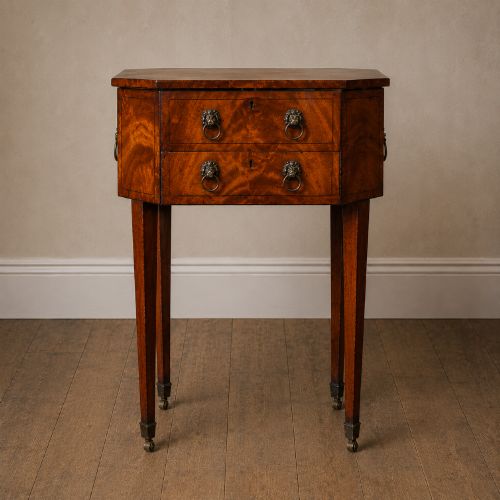
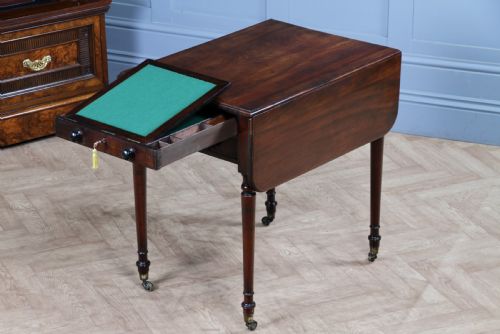
The versions most frequently met on this page date from the late eighteenth century around seventeen ninety to eighteen hundred. They appear in forms ranging from drop-leaf sewing tables and octagonal work tables to bow front designs and writing tables.
How they were made
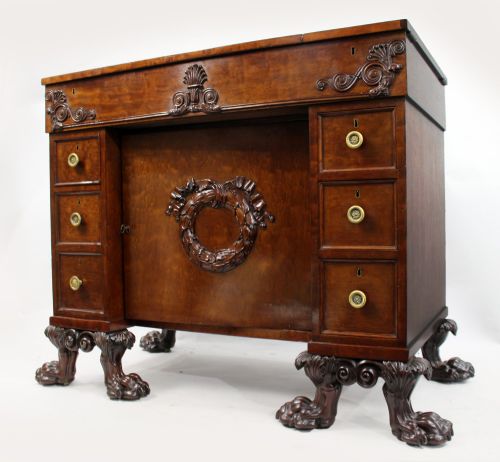
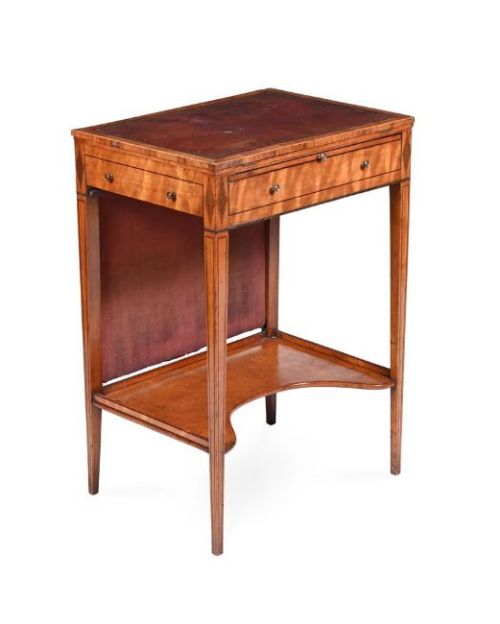
Cabinet makers utilised dense timbers such as mahogany and rosewood for the primary carcase, often incorporating satinwood and boxwood veneers. Decorative elements relied on fine rosewood inlay and brass mounts, including lion mask handles.
Interiors frequently feature baize or leather surfaces alongside glass and specialised fitted drawer structures. Structural formats include tripod bases and drop-leaf mechanisms designed for flexible placement in period interiors.
George III Sewing Table Retail Price Guide 2026
Typical asking prices for george iii sewing table among the pieces listed under this phrase on Sellingantiques today, from the lower quarter to the upper quarter. They describe what is for sale here now, not the wider market.
Some work tables conceal secret rising compartments, reminding us that eighteenth-century sewing enthusiasts needed privacy for their pins.
What varies in quality
The distinction between standard examples and finer pieces rests on the choice of timber and the precision of the cabinet work. Elaborate satinwood figuring, delicate boxwood stringing, and sophisticated mechanisms like rising compartments elevate the standing of a piece.
Proportion and form also determine distinction, where unusual formats such as tripod-base tables or octagonal work tables demonstrate greater ambition from the workshop.
The George III Sewing Table Glossary
- Drop-leaf
- A table featuring hinged flaps that fold down to save space or lift to extend the surface. This mechanism allows the furniture to adapt easily to changing room layouts.
- Satinwood
- A lustrous, yellowish timber prized for veneering and inlay work during the Sheraton period. It provides a bright contrast against darker woods like mahogany.
- Tripod base
- A central pillar supported by three spreading legs, commonly used to achieve stability on smaller occasional and work tables. This format appears on unusual late-eighteenth-century formats.
- Baize
- A coarse woolen material traditionally used to line writing surfaces and gaming compartments. It offers a soft, durable texture suited to daily domestic tasks.
- Secretaire
- A piece of furniture containing a fitted writing drawer with a drop-front or sliding surface. It conceals small compartments and pigeonholes for correspondence.
George III Sewing Table: Frequently Asked Questions
What is a george iii sewing table?
A george iii sewing table is a late-eighteenth-century piece of furniture built to hold needlework materials and writing supplies. These items combine decorative timber surfaces with practical storage drawers.
They served as versatile domestic furnishings for ladies in Georgian drawing rooms and parlours. Their compact proportions allowed them to function as side tables when not in use for sewing.
How were these tables used originally?
Original owners used them for sorting threads, fabrics, and letters within specialised fitted drawers. Some incorporated writing surfaces and secret rising compartments for confidential papers.
They sat beside seating areas to keep ongoing needlecraft projects close at hand. The drop-leaf mechanisms allowed the surface area to expand during active use.
How do I style a george iii sewing table today?
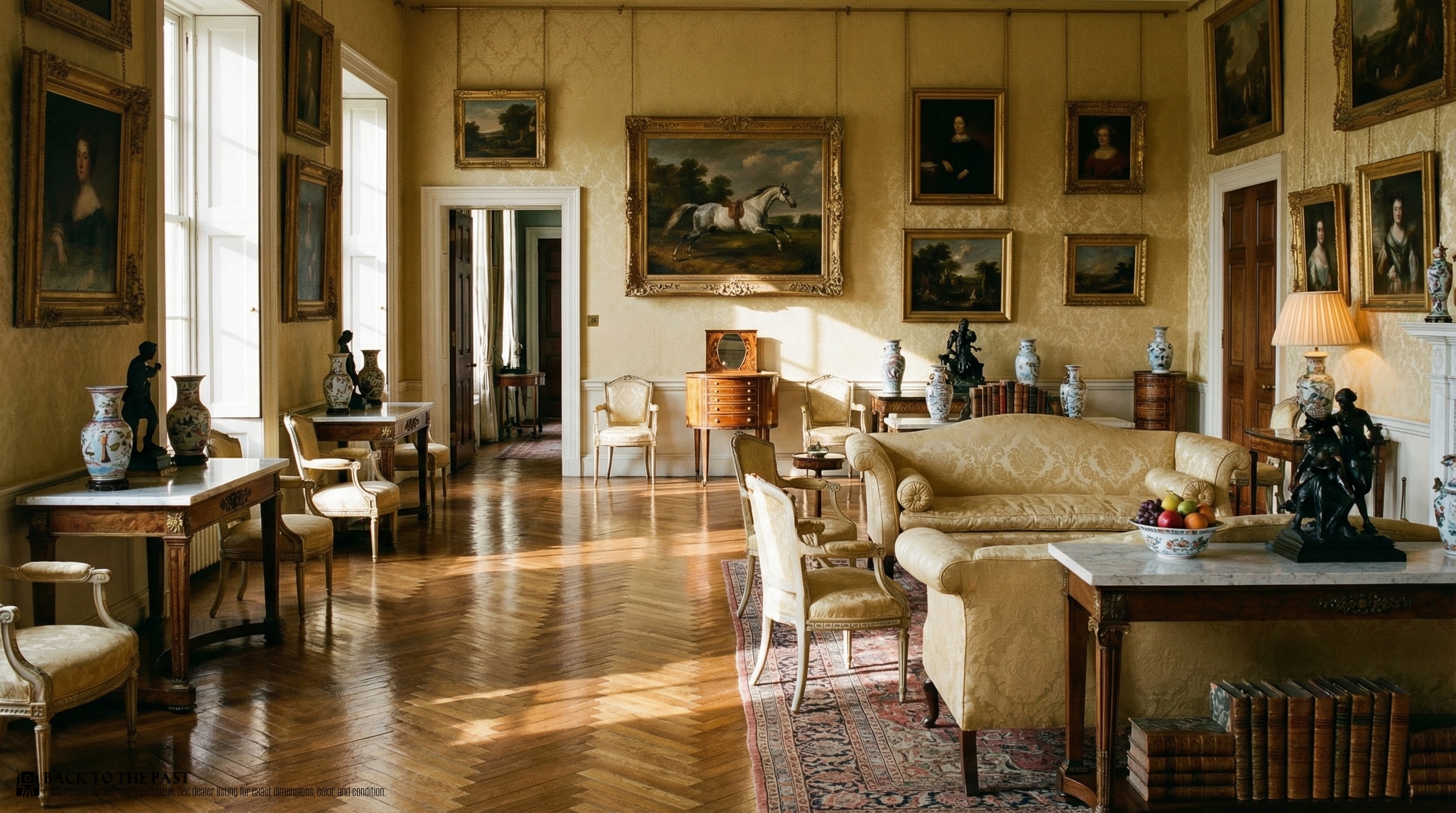
You can place a george iii sewing table beside a sofa or armchair as a distinctive side table. The fitted top surface provides an ideal spot for a small lamp or decorative object.
Their warm mahogany and satinwood tones blend naturally with both traditional and contemporary interiors. The compact footprint makes them suitable for smaller rooms requiring functional antique furniture.
How do I identify the Sheraton style?
Sheraton style pieces from the late eighteenth century display rectilinear forms and balanced proportions. They frequently incorporate contrasting veneers like satinwood and delicate boxwood stringing.
Inlay work and tapered legs characterise this aesthetic, reflecting classical restraint. Makers of this period favoured light, elegant structures over heavier earlier designs.