


Antique Mechanical Desk
An antique mechanical desk search brings together intricate timepieces, calendars, and writing furniture from the nineteenth and early twentieth centuries.
Antique Mechanical Desk
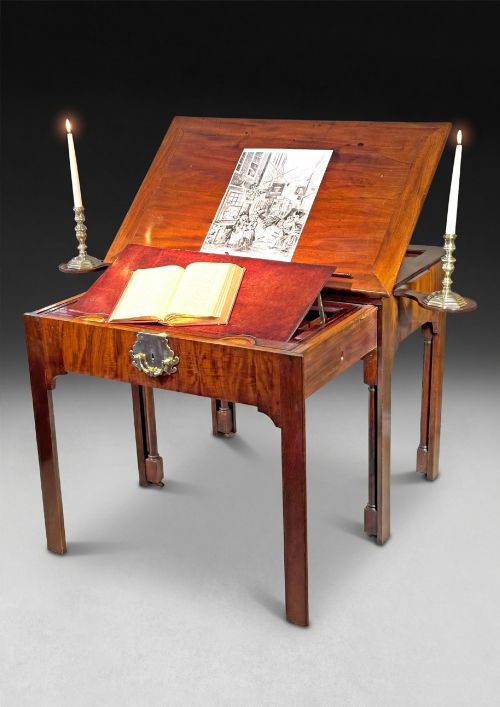
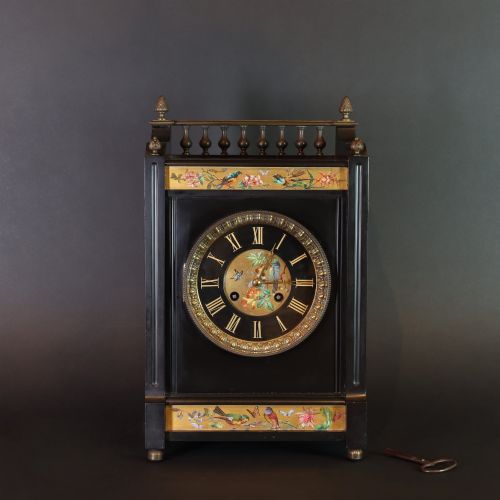
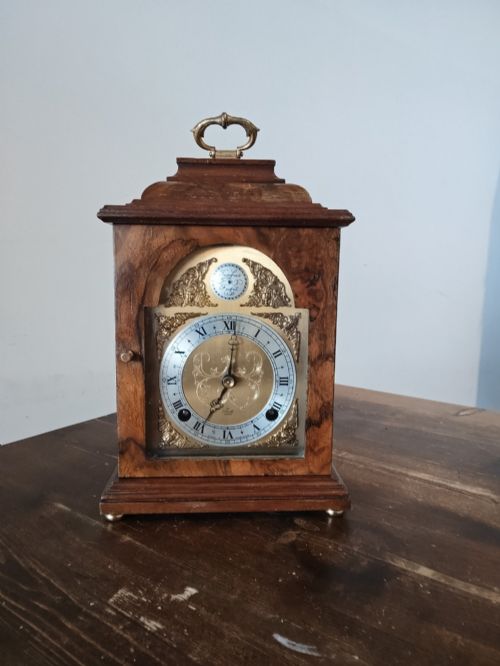
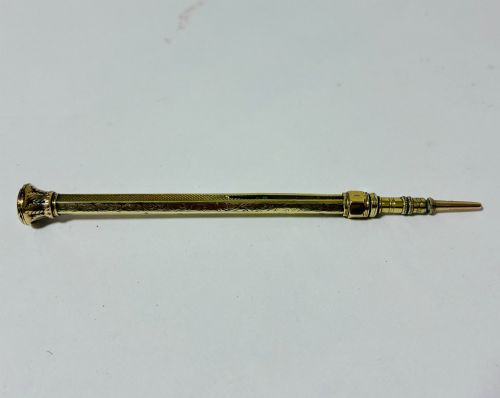
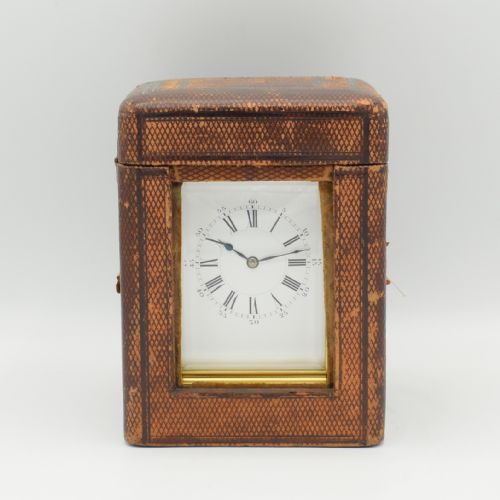
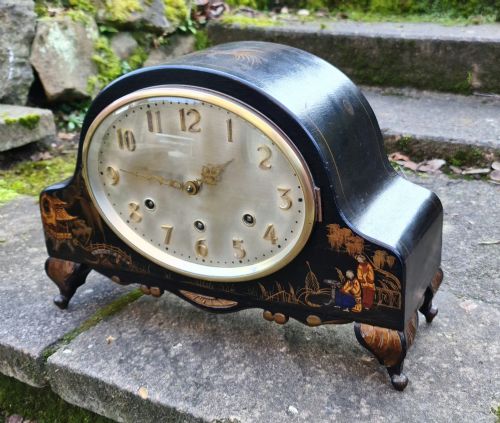
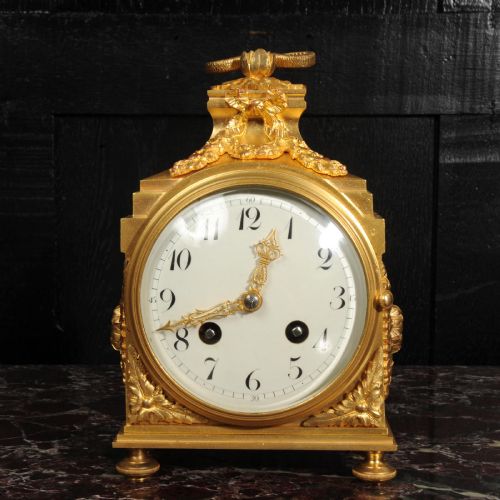
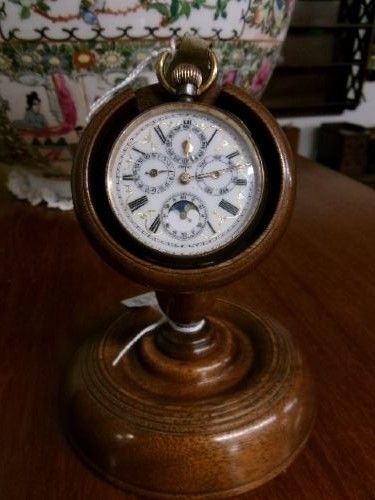
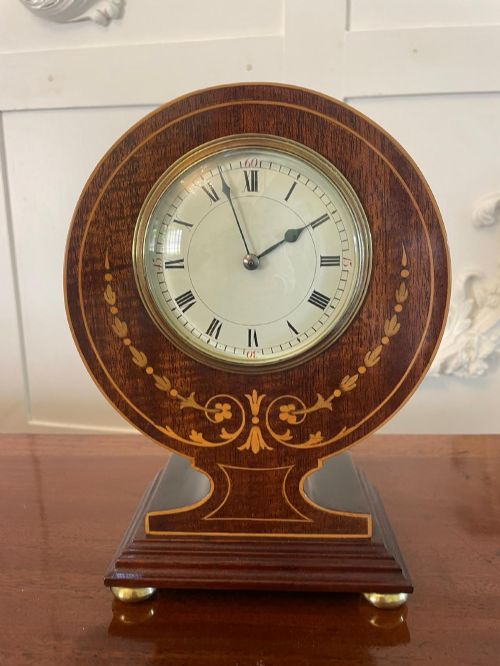
When buyers search for an antique mechanical desk item, they encounter a range of functional objects from the Victorian, Edwardian, and Art Deco periods. These listings encompass brass carriage clocks, desk calendars, and small writing furniture incorporating mechanical elements.
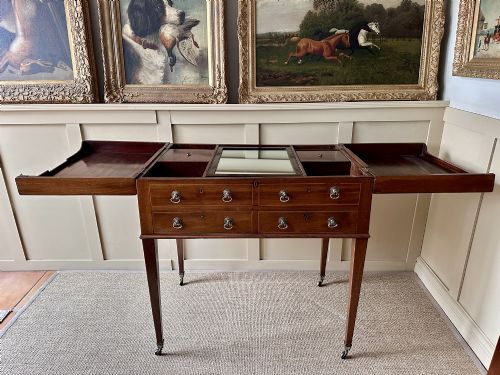
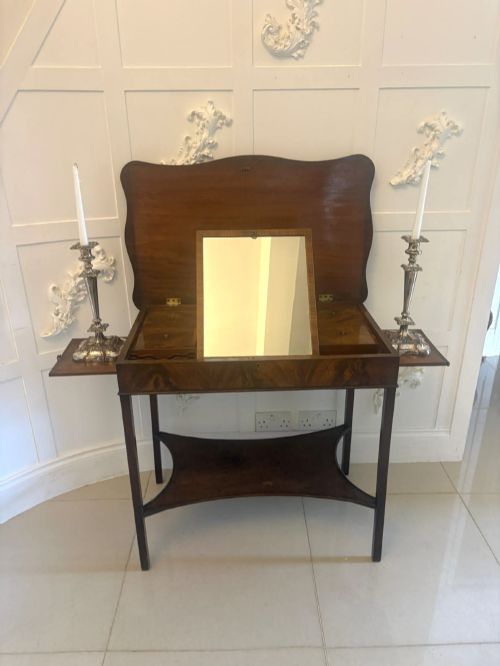
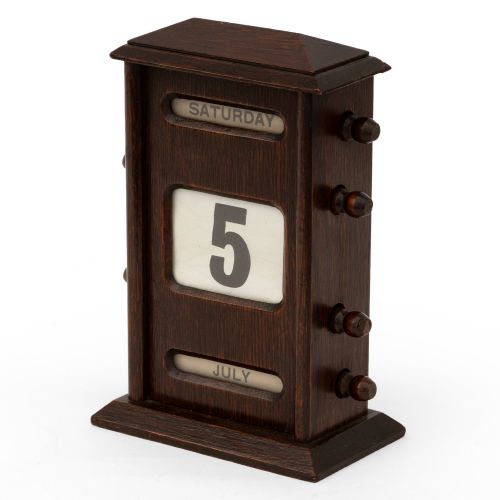
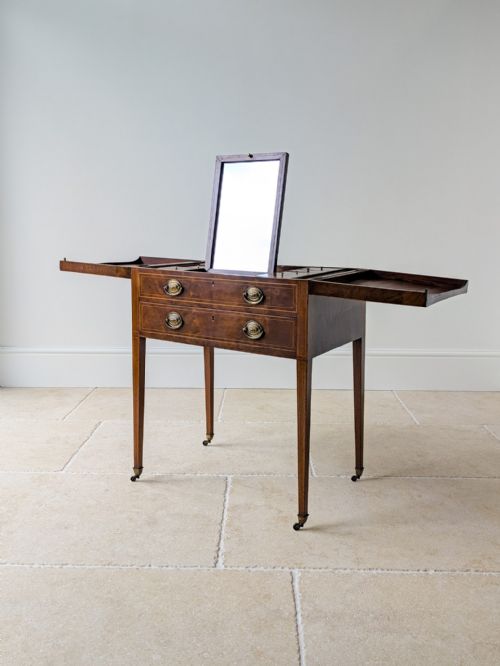
The most common items meeting this search are carriage clocks with striking movements, perpetual desk calendars in oak or dark wood, and Art Deco desk clocks featuring chrome and bakelite. Writing desks and dressing tables from the nineteenth century also appear, often housing fitted compartments.
Makers from France, England, and Germany produced these items for domestic and office use. The selection spans utilitarian desk accessories alongside decorative timepieces designed to sit upon writing surfaces.
Materials and construction methods
Makers utilised traditional cabinet timbers such as mahogany, walnut, and ebonised wood for desk bodies and clock cases. Brass, chrome, and bronze provided durable housings for mechanical movements and dials.
Movements incorporate intricate brass gear trains, escapements, and springs assembled by hand. Glass panels protect delicate clock faces, while leather and silver plate frequently accent writing accessories and mechanical bells.
Antique Mechanical Desk Retail Price Guide 2026
Typical asking prices for mechanical desk among the pieces listed under this phrase on Sellingantiques today, from the lower quarter to the upper quarter. They describe what is for sale here now, not the wider market.
The selection includes French carriage clocks, German mantel clocks, and mechanical desk bells shaped like pigs.
Evaluating craftsmanship and condition
Quality rests in the precision of the mechanical movement and the crispness of the case casting or cabinet joinery. Finely engraved brass carriage clock cases and robustly constructed perpetual calendar mechanisms represent superior manufacturing standards.
Pieces retaining original travel cases, signed dials, and fully serviced movements command greater attention from collectors. The integration of materials like walnut and chrome in Art Deco designs demonstrates the shift toward modern styling.
Henri Jacot·Richard Winter of Chieveley·Pickford of London·Drocourt Paris·Sampson Mordan
The Antique Mechanical Desk Glossary
- Carriage clock
- A portable spring-driven clock with a carrying handle, originally designed for travellers in the nineteenth century.
- Perpetual calendar
- A mechanical calendar mechanism that automatically adjusts for the varying lengths of months and leap years.
- Fusee
- A conical pulley used in clockmaking to maintain even force on the gear train as the mainspring unwinds.
- Bakelite
- An early synthetic thermosetting plastic frequently utilised in Art Deco desk clock bases and casings.
- Ormolu
- Gilded bronze ornamentation applied to furniture and clock mounts during the nineteenth century.
Antique Mechanical Desk: Frequently Asked Questions
How do carriage clocks work?
Carriage clocks operate using a spring-driven movement regulated by a balance wheel rather than a pendulum. This portable design allows the clock to keep time while being moved.
Many examples include striking or repeating mechanisms that chime the hours and quarters upon demand.
What is a perpetual desk calendar?
A perpetual desk calendar uses internal gear mechanisms to display the correct date, day, and month without manual daily resetting.
These mechanical units were housed in oak, brass, or leather frames for office and library use.
How do I identify Art Deco desk pieces?
Art Deco pieces from the 1920s and 1930s often combine walnut, chrome, and bakelite in streamlined geometric forms. Makers such as Jaz and Mauthe produced distinct wind-up and electric clocks during this era.
The aesthetic moves away from Victorian ornamentation toward sleek, functional modernism.
Were skeleton clocks meant for desks?
Skeleton clocks feature exposed gear trains that reveal the entire mechanical movement through glass domes or open frames. Victorian households placed them on mantelpieces and tables to display the intricate craftsmanship.
Their open architecture allows light to pass through the moving brass components.