


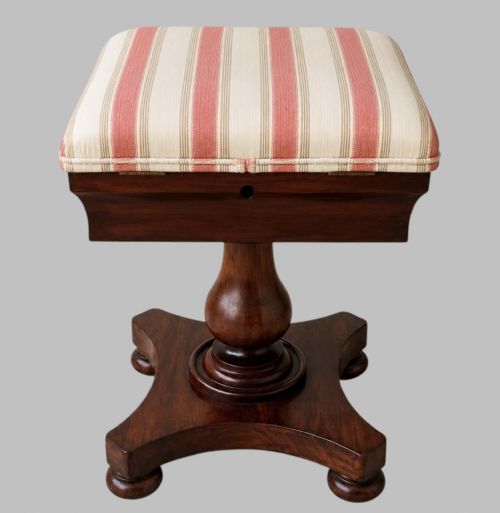
Antique Needlework Box Table
An antique needlework box table combines a compact writing or sewing surface with fitted storage for threads and tools.

Antique Needlework Box Table
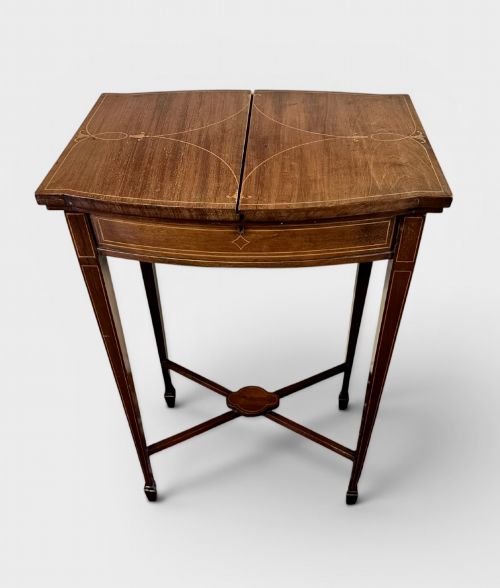
An antique needlework box table serves as a dual-purpose piece of parlour furniture designed for domestic crafts and needlework. Buyers encounter these primarily as freestanding sewing tables, work tables, and occasional tables spanning the Regency, Victorian, and Edwardian periods.
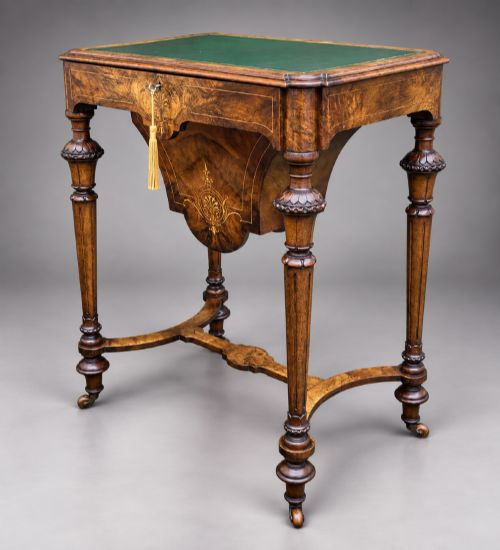
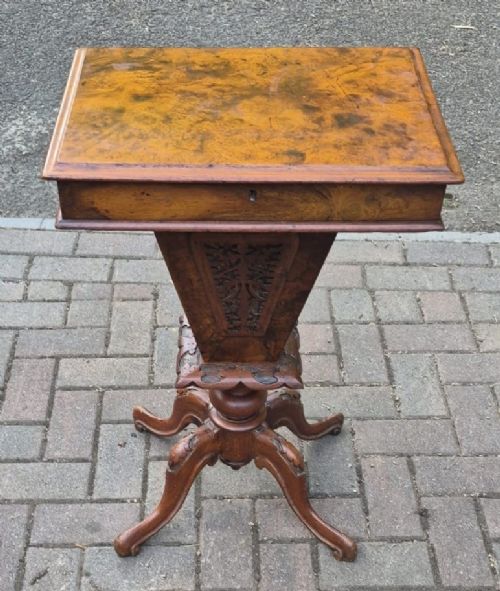
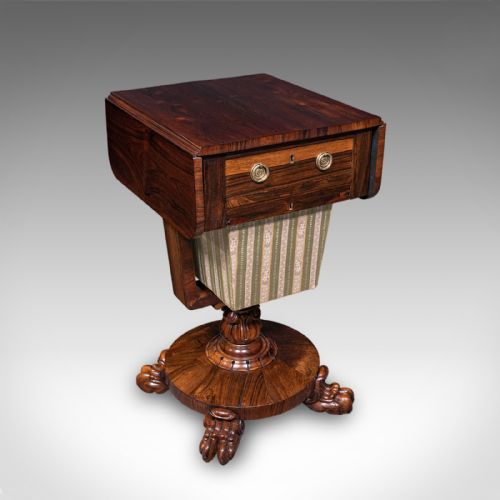
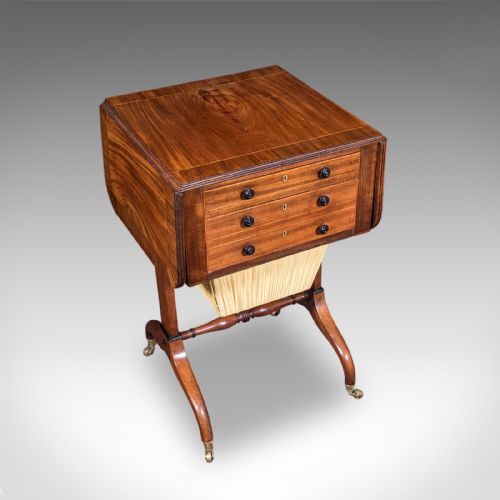
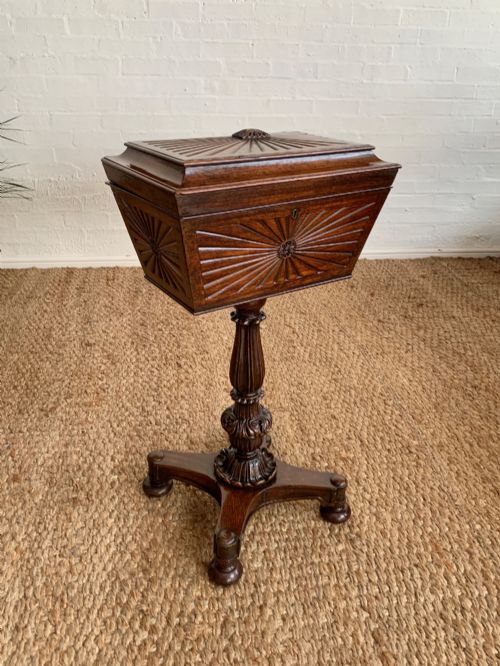
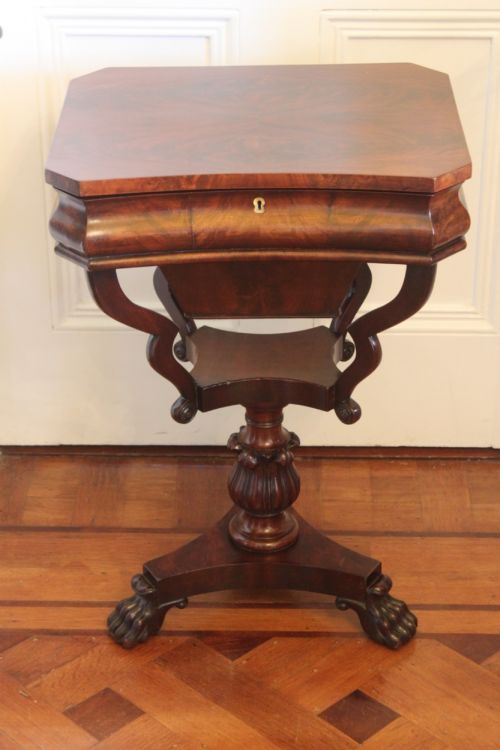
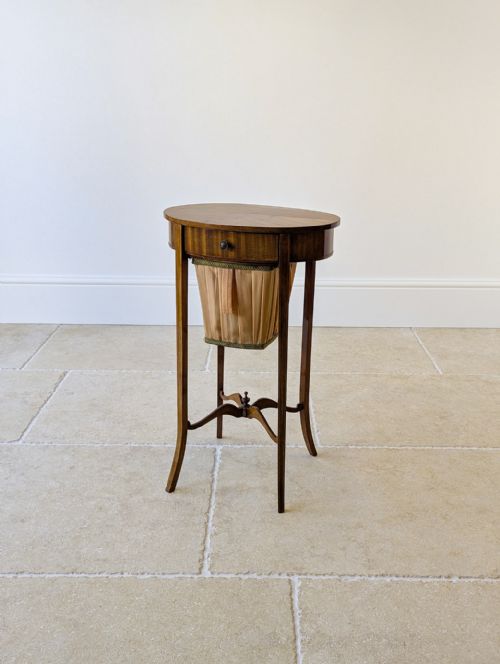
The form typically incorporates a hinged top or drawer opening to reveal a fitted interior for cottons, needles, and small implements. Examples range from drop-leaf varieties and trumpet-shaped pedestals to octagonal lamp tables fitted with silk baskets underneath.
Originating predominantly from nineteenth-century English workshops, these pieces utilise domestic and exotic timbers suited to refined reception rooms. The selection on this page demonstrates how functional sewing compartments evolved into decorative occasional furniture by the early twentieth century.
Materials and construction
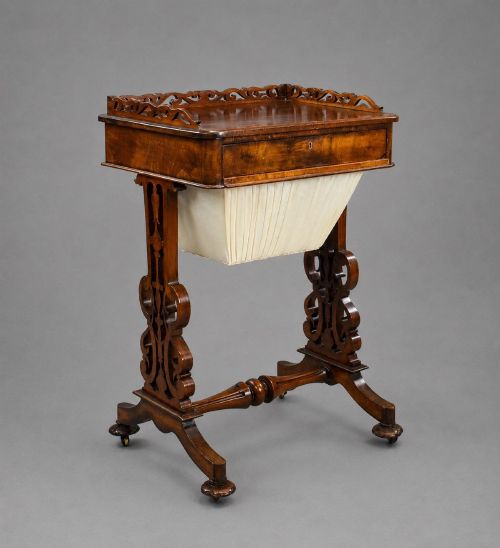
Cabinet makers built the primary carcase and legs using dense hardwoods such as mahogany, rosewood, and walnut, frequently selecting figured veneers like burr walnut and flame mahogany for visible surfaces. Wood inlay, brass fittings, and cross-banding enhance the structural borders of lids and drawers.
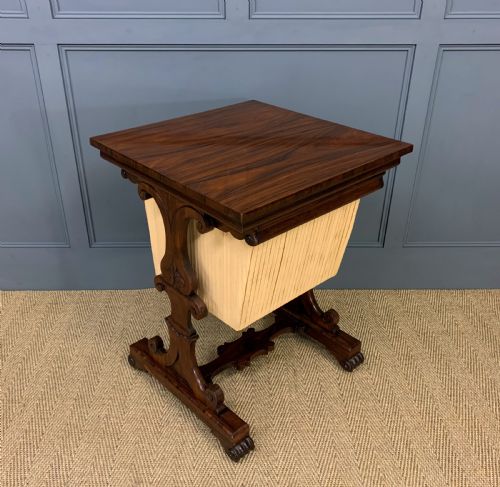
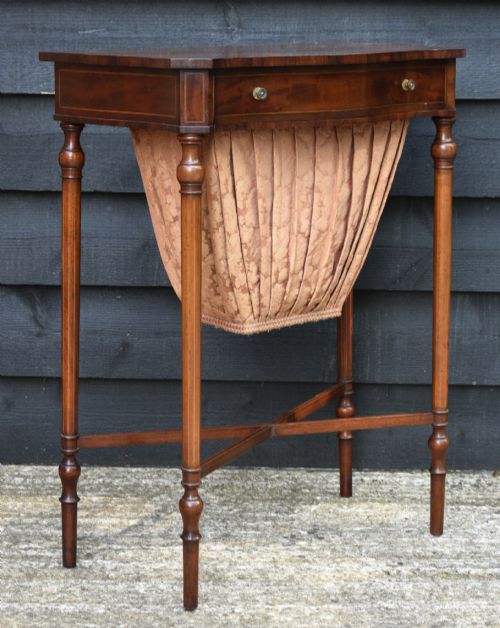
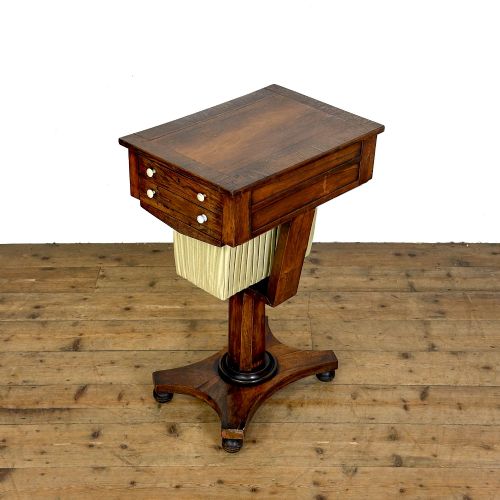
Interiors often feature compartmentalised trays constructed from lighter secondary woods, sometimes paired with fabric or silk storage bags suspended beneath the main box. Turnery appears on pillar supports, whilst lyre ends and carved tripod bases provide stability for the heavier freestanding formats.
Antique Needlework Box Table Retail Price Guide 2026
Typical asking prices for needlework box table among the pieces listed under this phrase on Sellingantiques today, from the lower quarter to the upper quarter. They describe what is for sale here now, not the wider market.
Some Edwardian sewing tables still retain their original pleated silk baskets hanging underneath, ready for long-forgotten scraps of lace.
Assessing craftsmanship
Quality rests upon the selection of timber veneers and the precision of the wood inlay or marquetry panels integrated into the top and sides. Master cabinet makers aligned grain patterns carefully across hinged lids and maintained tight joints in the small compartments of the fitted interior.
Hardware integrity separates standard items from finer productions, evident in original brass locks, hinges, and subtle decorative carving rather than replaced elements. The fluidity of turned pedestals and the condition of integrated silk baskets or drop-leaf mechanisms further indicate the original tier of manufacture.
The Antique Needlework Box Table Glossary
- Burr walnut
- A highly figured timber harvested from the wart-like growths on walnut trees, prized for its swirling grain patterns. Cabinet makers sliced this wood into thin veneers to ornament the lids of work tables.
- Drop leaf
- A hinged flap on one or both sides of a table top that can be raised to extend the surface area. These leaves are supported by swing brackets or pivoting arms.
- Marquetry
- The art of applying decorative pieces of veneer to a structure to form intricate pictorial designs or geometric patterns. Makers utilised various exotic woods to create contrast against a dark background.
- Trumpet table
- A pedestal table featuring a flared, octagonal or round body shaped like a musical instrument, typically opening to reveal a storage well or basket. This form gained popularity during the mid-Victorian era.
- Caddy top
- A hinged lid design reminiscent of a tea caddy, featuring moulded edges that sit slightly proud of the main box carcase.
Antique Needlework Box Table: Frequently Asked Questions
What is an antique needlework box table used for?
These tables were designed for ladies to store sewing equipment, threads, and small writing materials close to hand in a parlour or drawing room. The internal compartments kept bobbins and pins organised while the top surface served for light needlecraft.
Today, buyers utilise them as compact lamp tables or decorative occasional pieces that offer discreet storage within a modern interior.
How do I date a Victorian sewing table?
Dating relies on stylistic shifts in timber choice, carving, and overall proportions across the nineteenth century. Early Victorian pieces often display rosewood or mahogany with heavy pillar supports, whilst later Victorian examples frequently showcase burr walnut veneer and marquetry inlay.
Interior fittings also change over time, moving from plain mahogany compartments to lined trays and pleated silk work bags by the late nineteenth century.
What is the difference between a work table and a sewing table?
In historical terminology, the two terms are largely interchangeable for pieces built with integrated storage compartments for textile crafts. Both types conceal trays, pins cushions, or wells beneath a lidded top.
Specific variations might emphasise a sliding bag or a drop leaf, but all share the primary function of housing needlework tools.
Are Edwardian needlework tables different from Victorian ones?
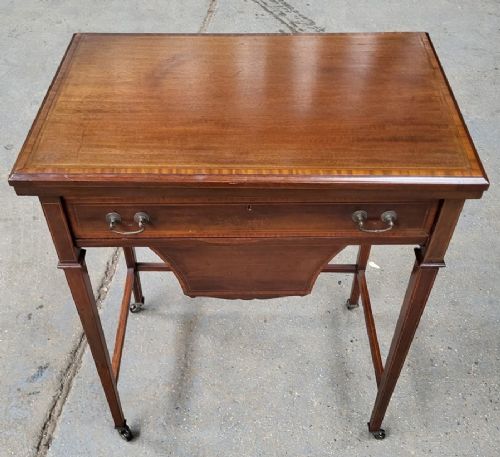
Edwardian tables generally display lighter proportions and softer wood tones, often utilising inlaid mahogany with satinwood banding. They reflect a shift towards Sheraton Revival aesthetics and smaller scales suited to refined drawing rooms.
Victorian counterparts tend to be heavier in build, favouring darker rosewoods, figured walnuts, and more substantial pedestal or four-pillar bases.