
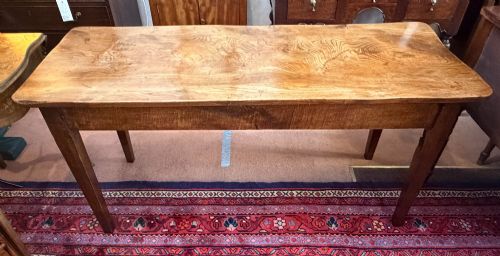
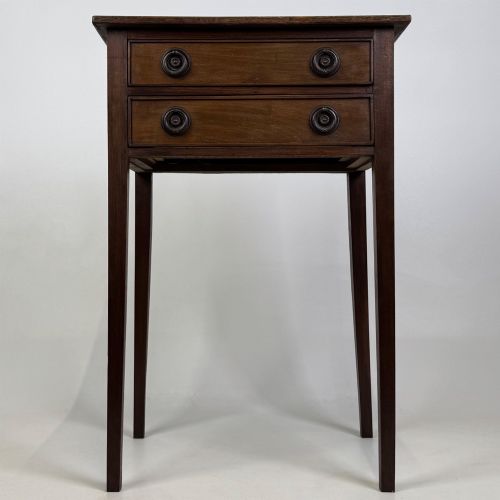
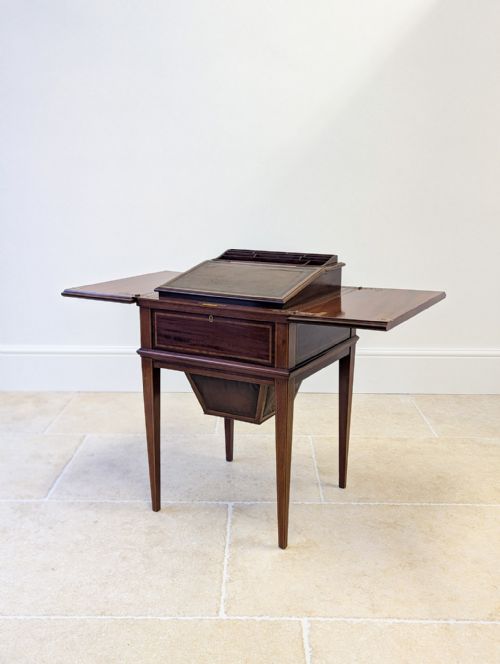
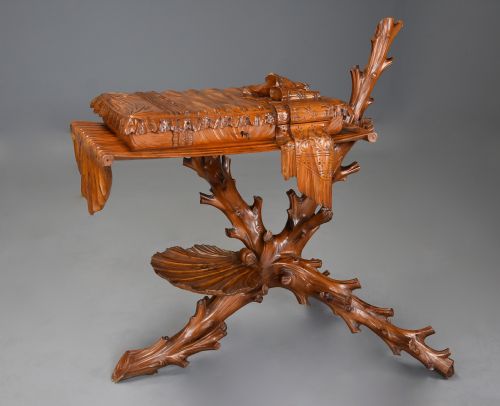
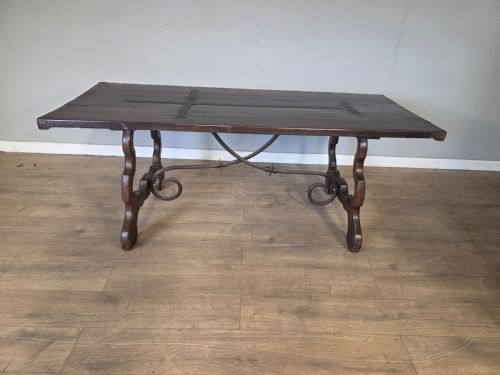
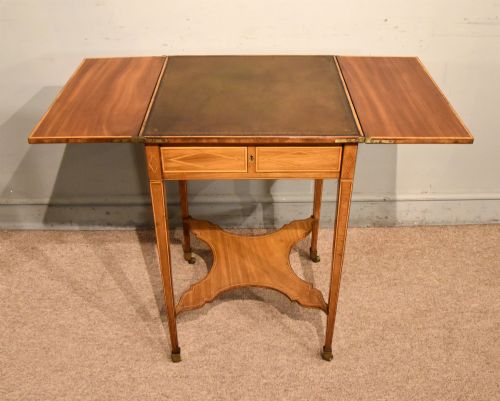
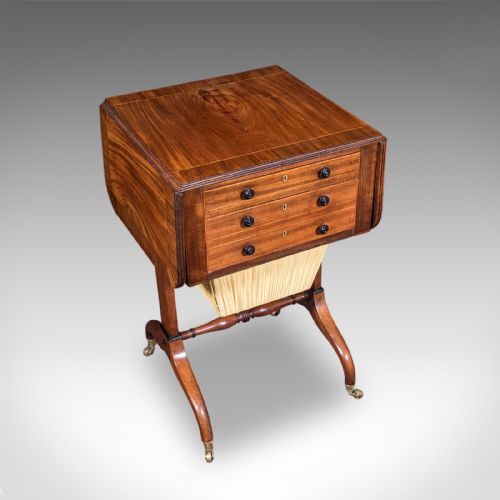
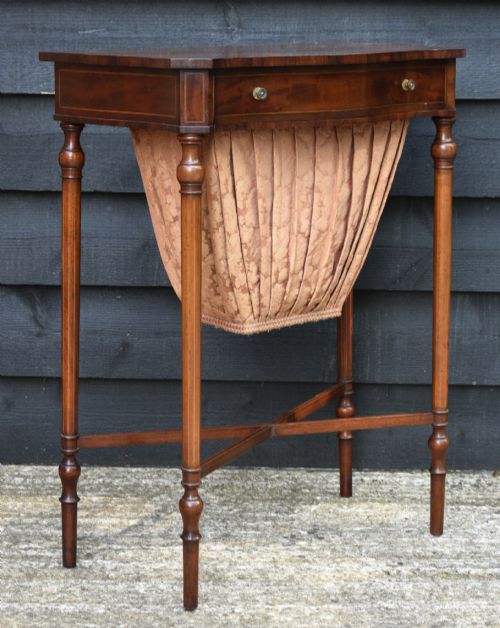
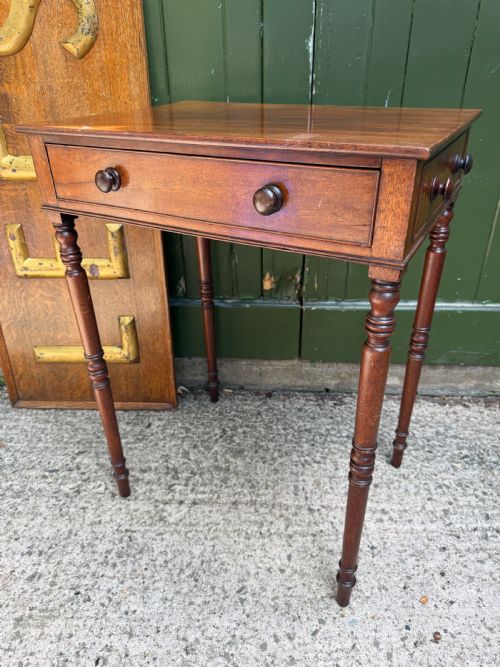
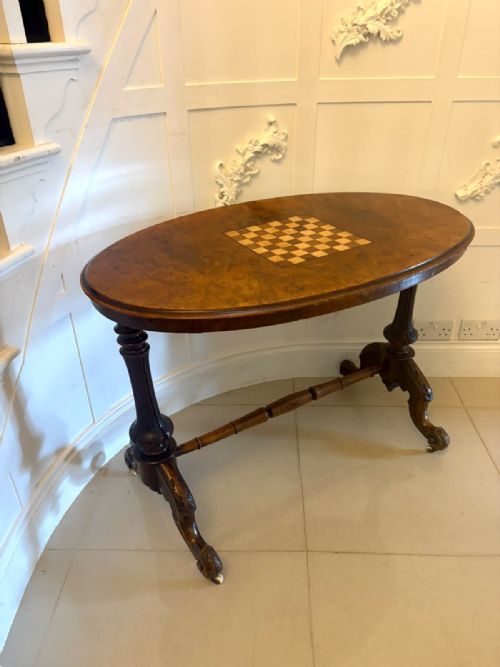
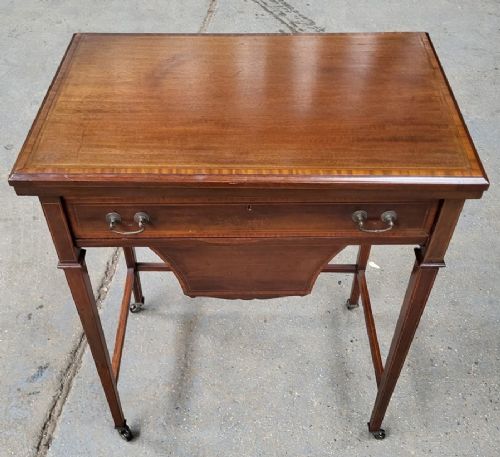
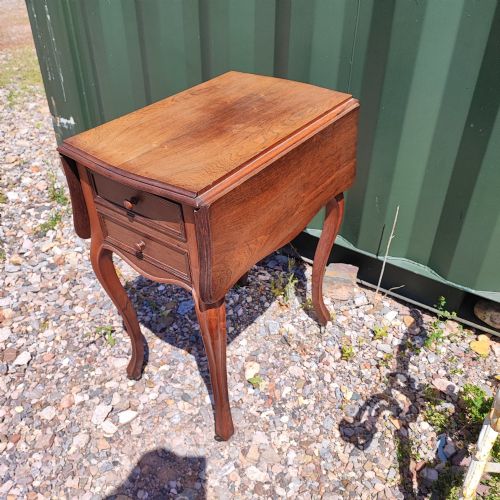
Brown Wood Work Table
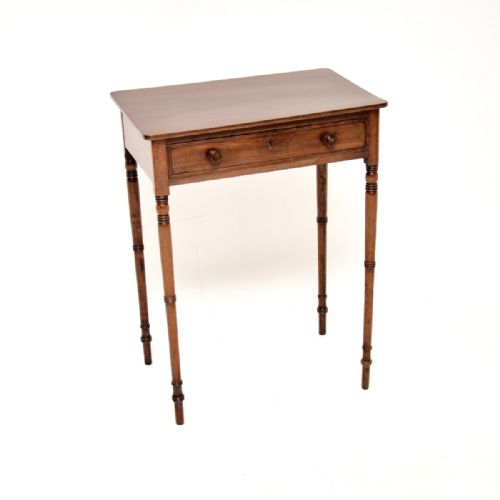
A brown wood work table is a functional domestic surface designed for sewing and needlework, offering handy storage alongside a stable platform.

What these pieces are
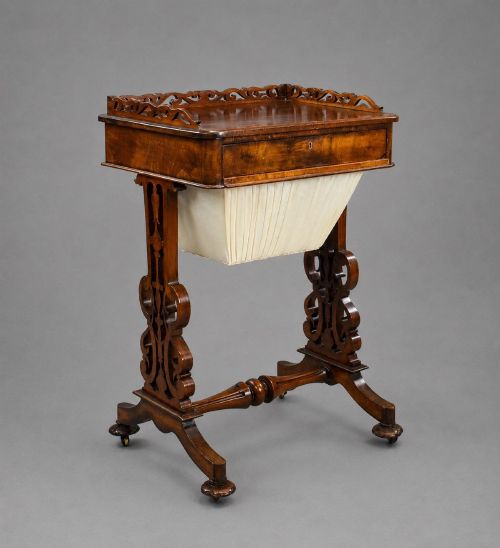
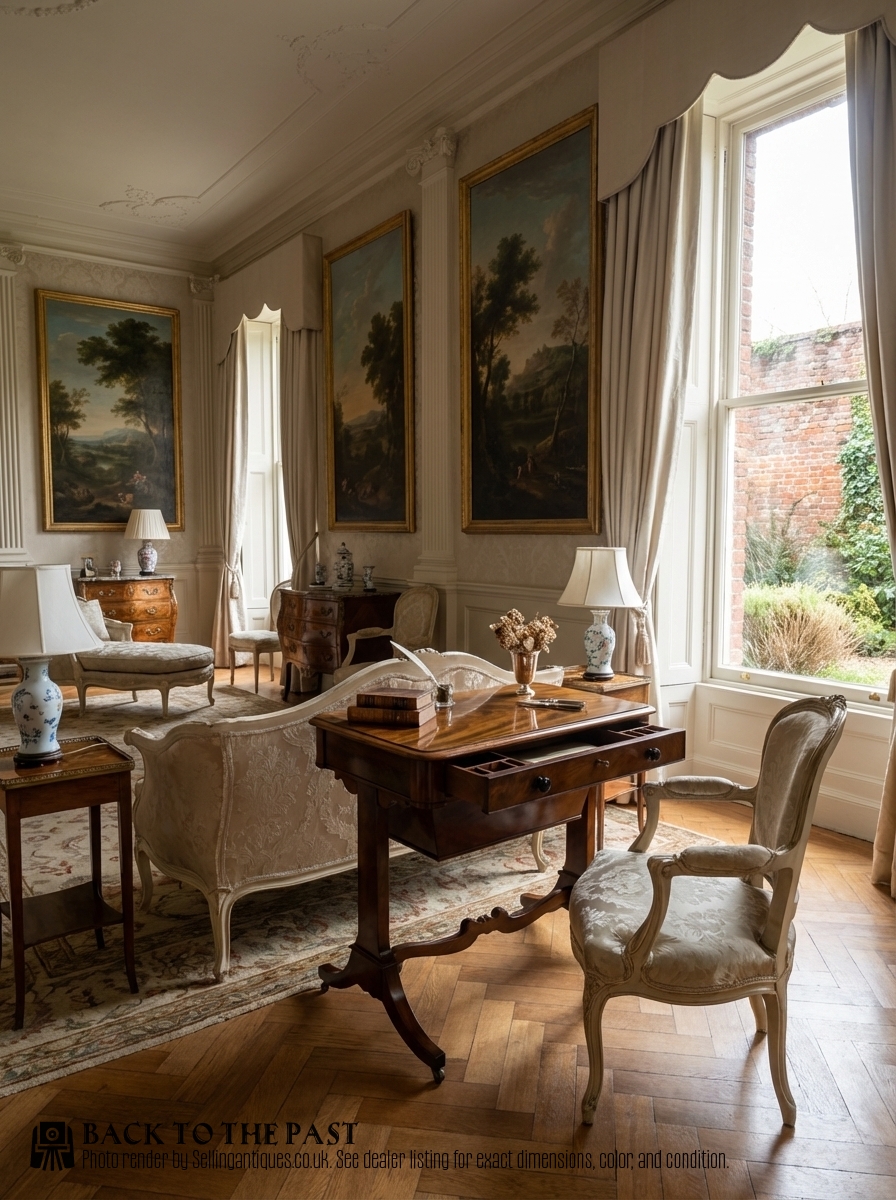
A brown wood work table serves as a practical piece of furniture intended for domestic sewing, needlework, and miscellaneous small tasks. These tables typically combine a top surface with internal compartments or hanging bags designed to contain sewing paraphernalia.
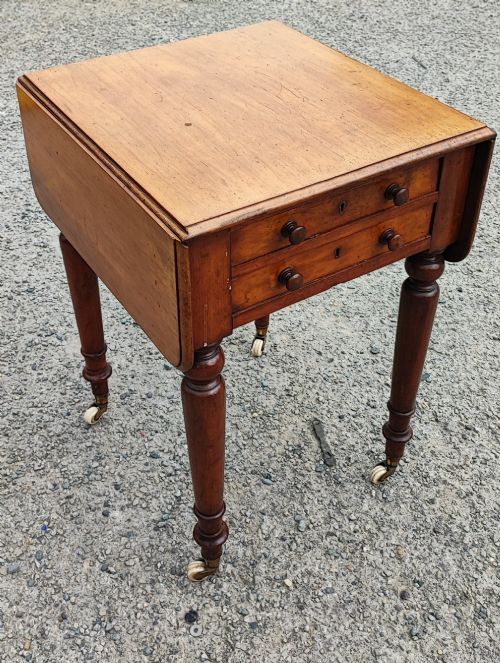
The selections available here span several distinct periods, including the Victorian and Edwardian eras, alongside George IV and William IV examples. Forms range from dedicated work tables to occasional tables, side tables, and dual-purpose games and sewing tables.
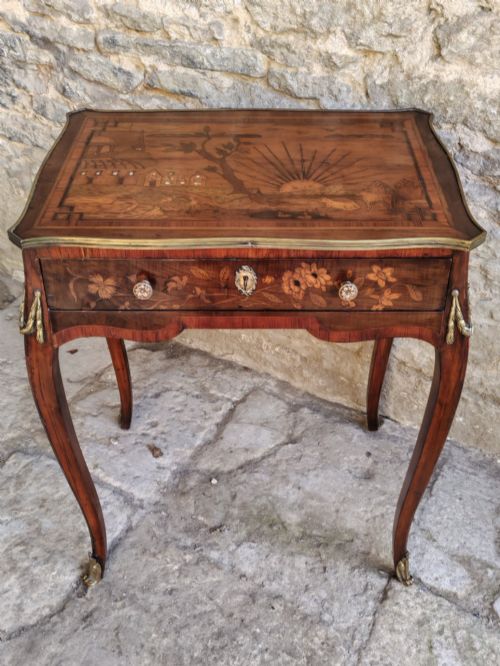
Mahogany and walnut predominate among the timbers, frequently complemented by burr walnut, satinwood, boxwood inlay, and general wood inlay. Supporting elements incorporate brass and fabric to complete the construction of these functional tables.
How they were made
Cabinet makers utilised solid timbers and decorative veneers such as mahogany, walnut, and burr walnut for the primary structure and surfaces. Satinwood provides lighter contrasting elements alongside precise boxwood inlay and general wood inlay.
Metal fittings such as brass appear in structural or decorative capacities, while fitted fabric interiors organise sewing implements within the compartments. Individual makers shaped these woods during the nineteenth and early twentieth centuries using traditional joinery and cabinet-making techniques.
Retail Price Guide 2026
Typical UK retail prices for brown wood work table, calculated from the Sellingantiques database of over a million retail prices indexed since 2003. This retail price guide relies exclusively on Sellingantiques data; no external sources or auction records are used, so the figures do not describe the wider market.
Many of these tables secretly double as games boards, letting you lose your buttons in more ways than one.
What varies in quality
Distinctions in quality rest upon the selection of timber veneers, such as richly figured burr walnut or figured mahogany, and the precision of boxwood inlay. The complexity of the table design, whether a simple side table or a multi-functional games and sewing table, also elevates the piece.
Refinement shows in the execution of secondary details, including the quality of brass hardware and the preservation of original fabric fittings inside the sewing compartments. Cohesion between the timber selection and the stylistic period defines the finer examples.
The Brown Wood Work Table Glossary
- Work table
- A small table equipped with drawers, compartments, or bags specifically intended for holding sewing materials and needlework tools.
- Burr walnut
- A highly prized wood veneer taken from the warted growths of walnut trees, noted for its swirling, decorative grain patterns.
- Boxwood inlay
- A decorative technique where thin strips or pieces of pale boxwood are inserted into recesses within a darker wood surface.
- Cross banded
- A method of veneer application where the grain of the border strip runs perpendicular to the central panel.
- Sewing table
- A domestic table designed to facilitate needlecraft, often featuring a hinged top and internal storage.
Frequently Asked Questions
What is a brown wood work table?
A brown wood work table is a nineteenth or early twentieth-century domestic table designed primarily for sewing, needlework, and crafts.
These pieces typically incorporate internal compartments, drawers, or hanging bags beneath the top surface to keep sewing tools organised.
How were work tables used historically?
Historically, these tables sat in parlours or drawing rooms where women engaged in needlework, embroidery, and light handcrafts.
The surface provided a stable area for sewing, while the internal compartments kept threads, needles, and fabrics close to hand.
How do I date a work table?
Dating relies on identifying stylistic markers, timber choices, and construction methods associated with periods such as the Victorian and Edwardian eras.
Specific design traits, like George IV mahogany forms or Edwardian satinwood pieces, help narrow down the decade of manufacture.
Can these tables function as occasional tables?
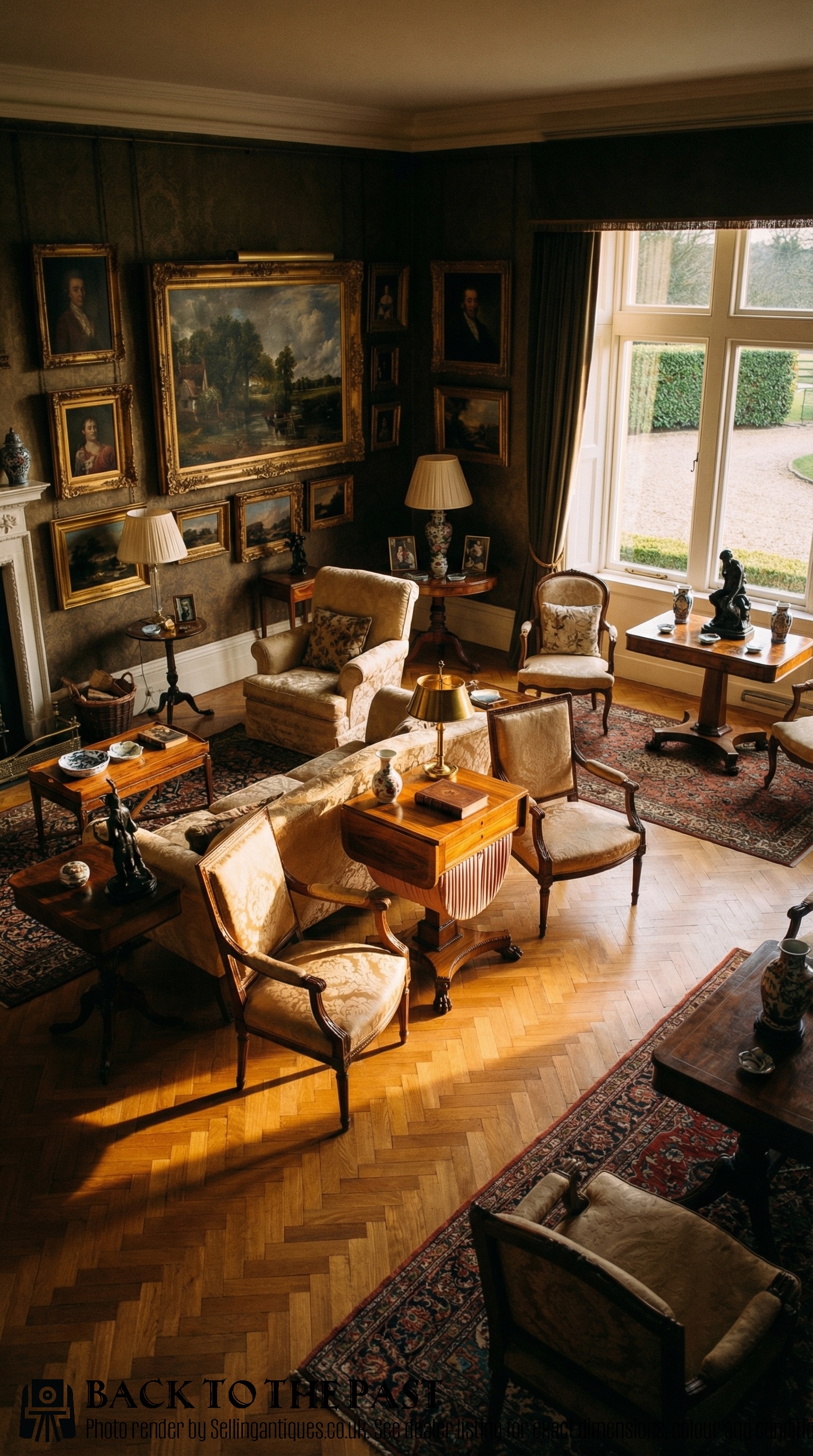
Many work tables double as side tables, lamp tables, or occasional tables within modern living spaces.
Their compact proportions and flat tops make them suitable for holding small lamps or decorative items while providing concealed storage.