
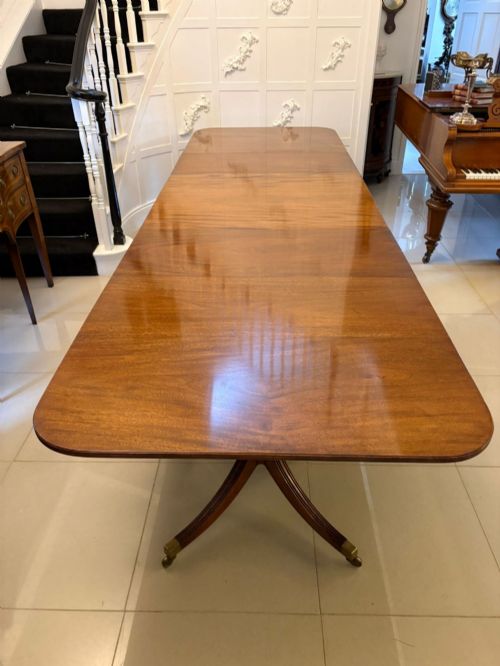
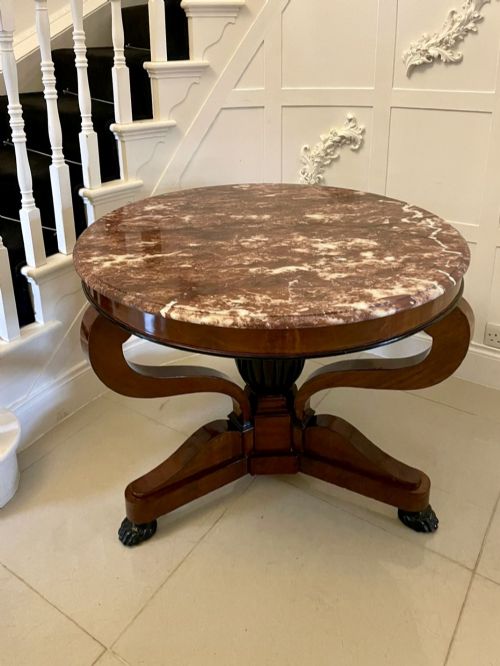
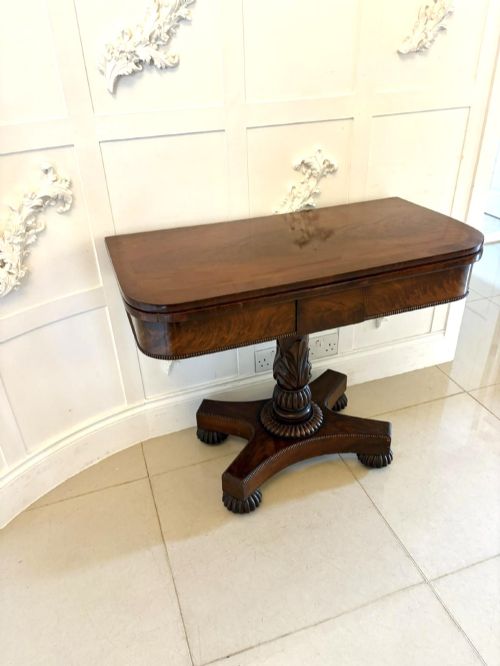
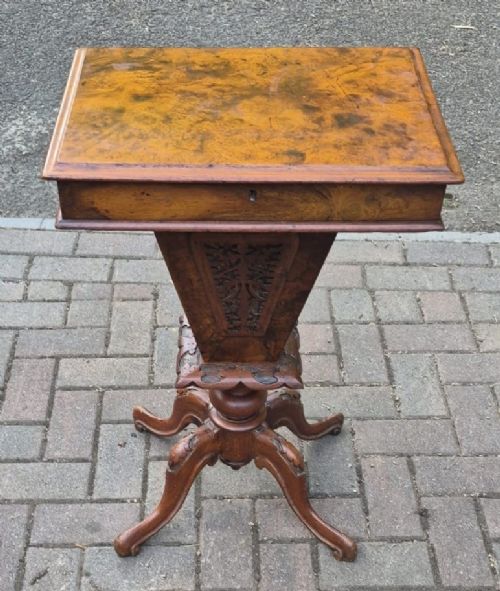
Brown Pedestal Table
A brown pedestal table brings rich timber warmth and sturdy central support to a room, offering both practical surface area and timeless architectural presence.
What a brown pedestal table is
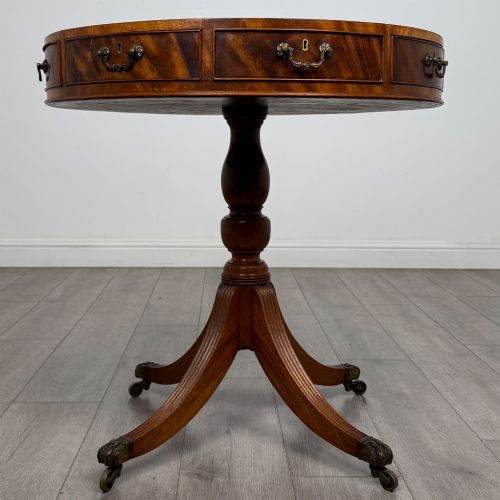
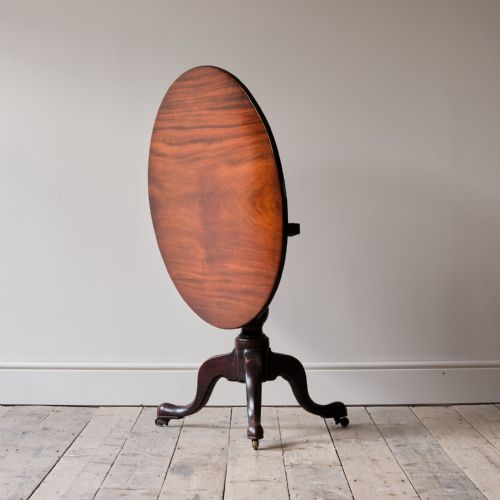
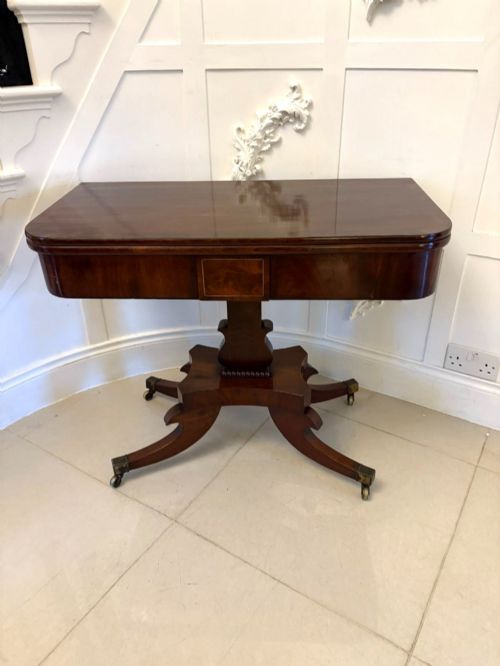
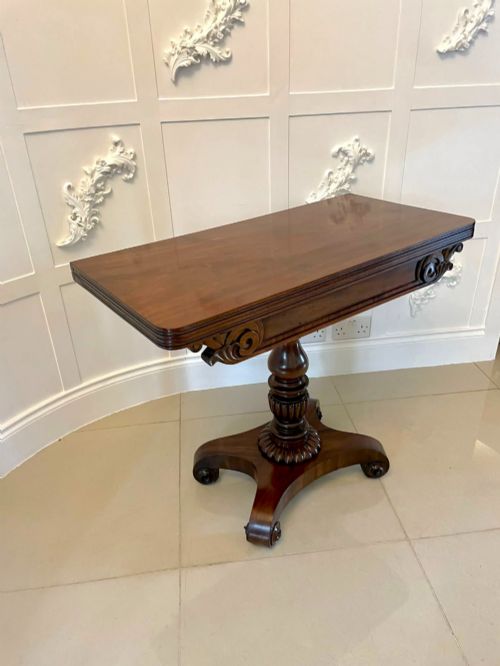
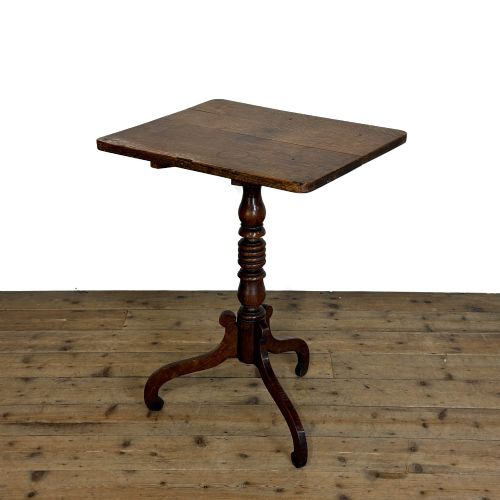
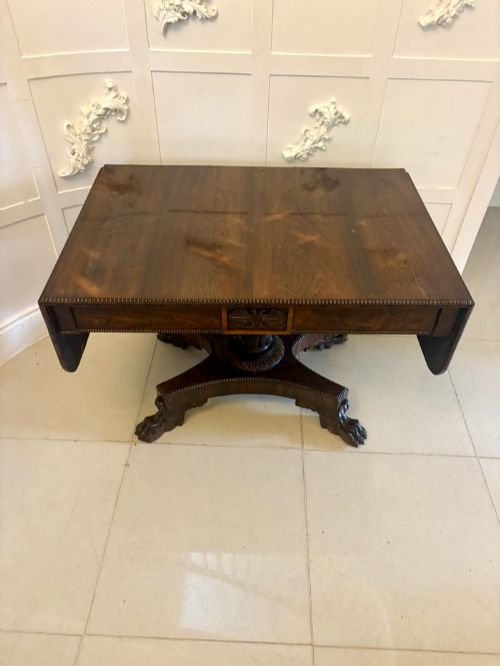
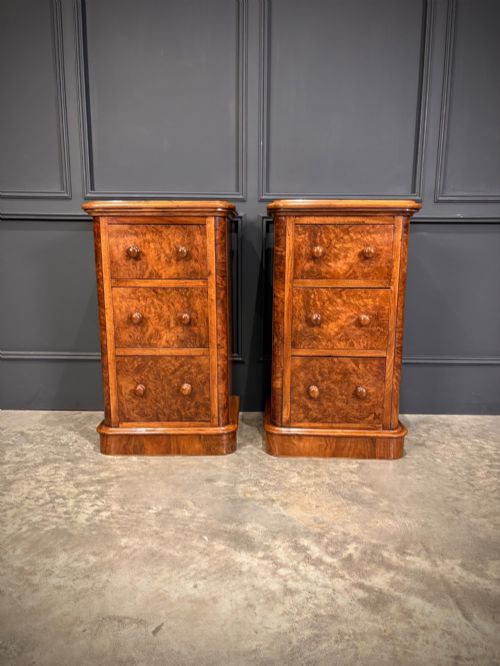
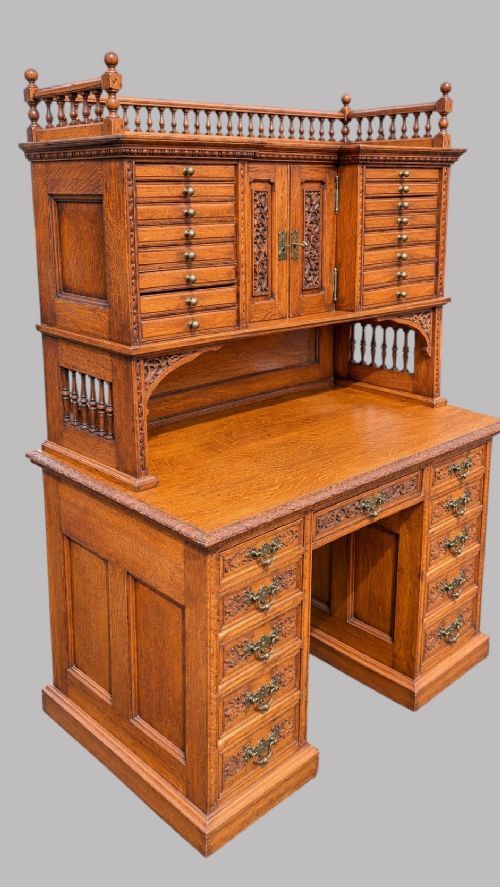
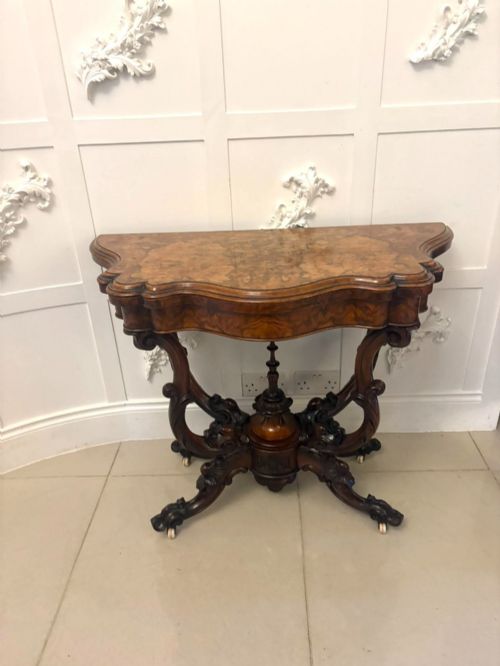
When you search for a brown pedestal table, you are looking at sturdy central-column furniture designed for daily utility and formal display across several distinct historical eras. These pieces range from compact occasional side pieces to larger breakfast and centre tables supported by a single central pillar.
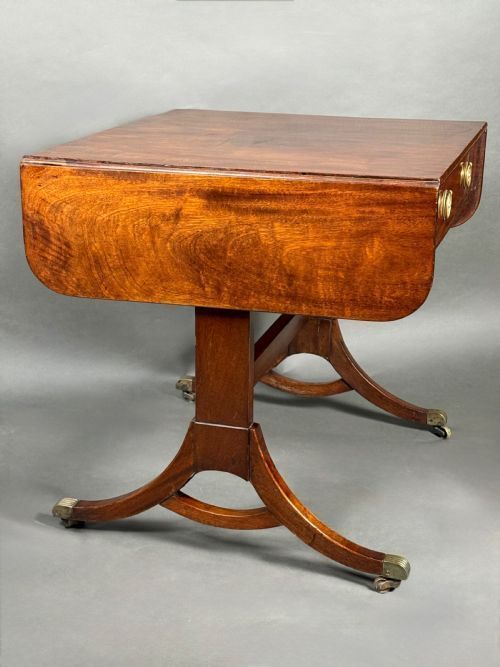
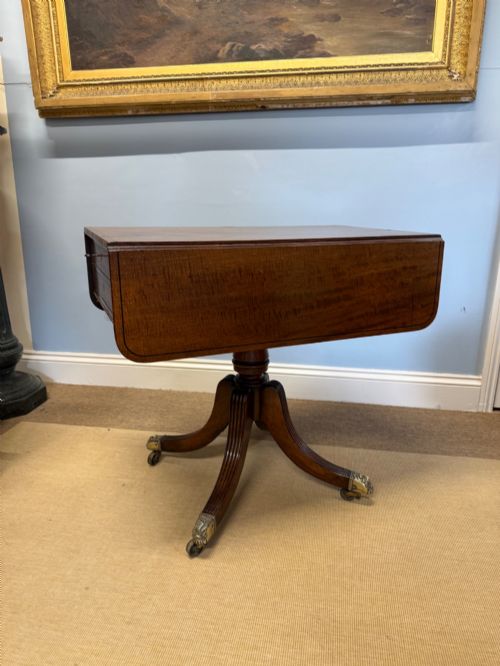
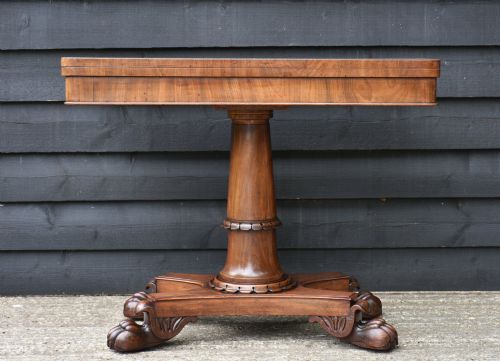
The versions you are most likely to meet on this page span the Georgian, Regency, William IV, and Victorian periods, showcasing traditional British cabinet-making forms. They frequently appear as wine tables, dish top coffee tables, tilt-top breakfast pieces, and octagonal centre tables.
Makers utilised rich hardwoods and versatile formats to create furniture that functioned efficiently in hallways, dining rooms, and sitting rooms. The central column design allowed maximum legroom while maintaining a heavy, stable footprint.
How they were made
These tables were constructed primarily from mahogany and walnut, often utilising timber veneer to create smooth, figured surfaces over solid wood foundations. Craftsmen selected dense grain patterns to highlight the natural colour and depth of the timber.
Metal components such as brass were incorporated into castors, fittings, and mechanisms for tilt-top or snap-top actions. Joinery relied on traditional techniques to secure the central pillar firmly to the tabletop and the supporting feet.
Retail Price Guide 2026
Typical UK retail prices for brown pedestal table, calculated from the Sellingantiques database of over a million retail prices indexed since 2003. This retail price guide relies exclusively on Sellingantiques data; no external sources or auction records are used, so the figures do not describe the wider market.
Some tabletops were dished entirely from a single thick board of mahogany just to stop your afternoon tea from sliding off.
What varies in quality
Quality in these tables is defined by the selection of timber figures, the precision of the turning on the central pedestal, and the stability of the support structure. Superior examples display carefully matched veneers and finely carved or reeded columns that reflect high standards of workshop execution.
The sophistication of the operating mechanisms, such as snap-top catches and original brass fittings, distinguishes finer pieces from simpler utility furniture. The harmony of proportions between the central pillar, base legs, and top surface dictates the visual balance.
The Brown Pedestal Table Glossary
- Pedestal table
- A table supported by a single central column or pillar rather than four corner legs. This configuration maximises floor space around the perimeter.
- Tilt top
- A tabletop hinged to the central column so it can be folded vertically when not in use. This allowed tables to be stored flat against a wall.
- Snap top
- A spring-loaded mechanism that locks a tilting tabletop securely into the horizontal position. It prevents accidental tipping during normal daily use.
- Dish top
- A solid wooden tabletop with a raised rim carved directly from the edge of the board. This feature stopped small items from rolling off.
- Veneer
- A thin layer of highly figured timber applied over a secondary wood base. It allowed cabinet makers to display expensive grain patterns economically.
Frequently Asked Questions
How do I use a pedestal table?
These tables function well as central display surfaces in hallways or as side tables beside seating in a drawing room.
Their central column design allows chairs to tuck neatly underneath without legs obstructing the placement.
What periods do these tables come from?
The listings on this page span the Georgian, Regency, William IV, and Victorian eras.
Each period brings distinct stylistic details in the turning of the pedestal and the shaping of the top.
What woods were used?
Makers relied heavily on rich hardwoods such as mahogany and walnut for both solid construction and decorative timber veneer.
Brass hardware frequently supplemented the wooden structure for operational mechanisms.