
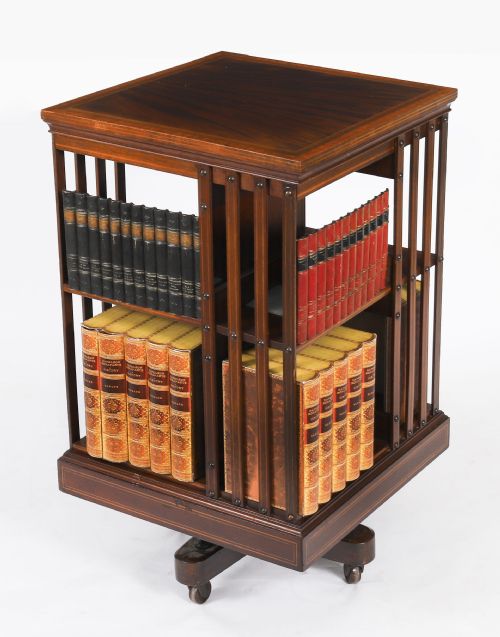
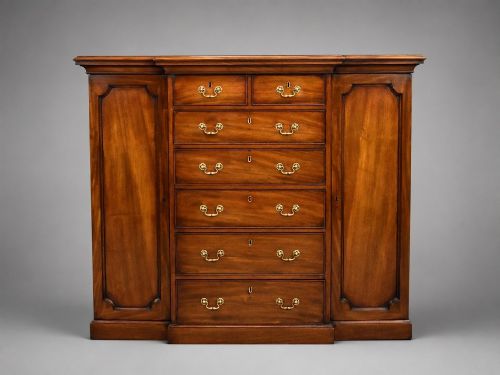

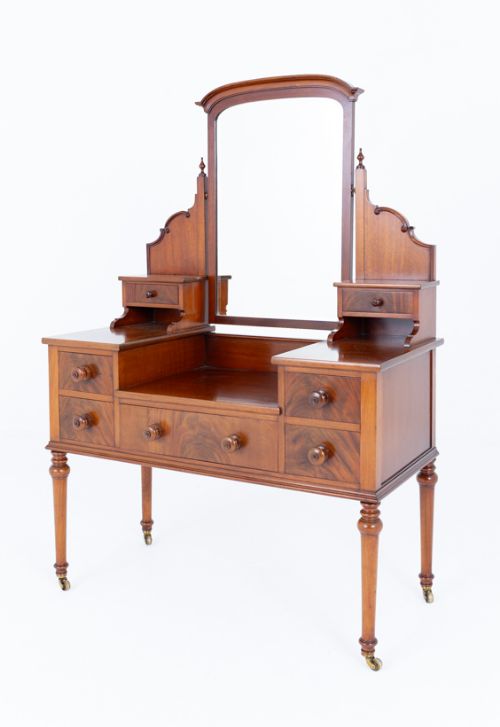
Victorian Flame Mahogany Table
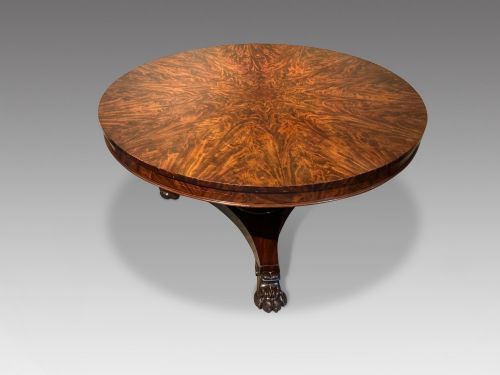
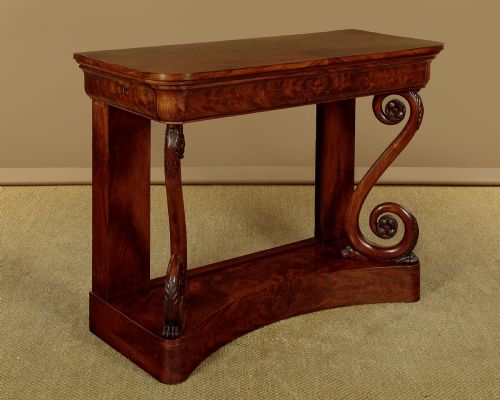
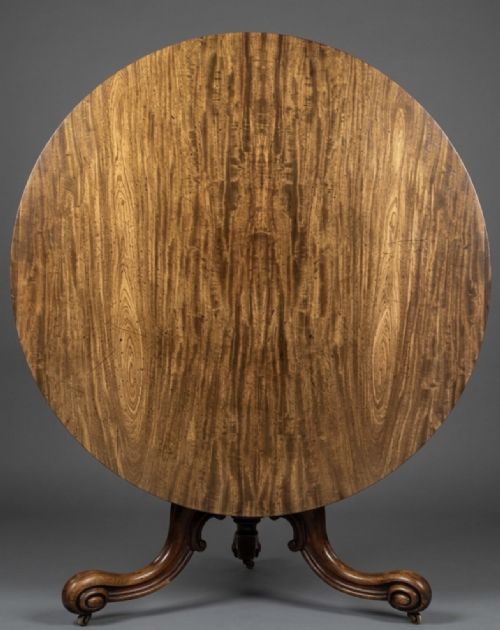
A victorian flame mahogany table brings warmth and rich grain patterning to a room, offering both practical surface space and striking period character.
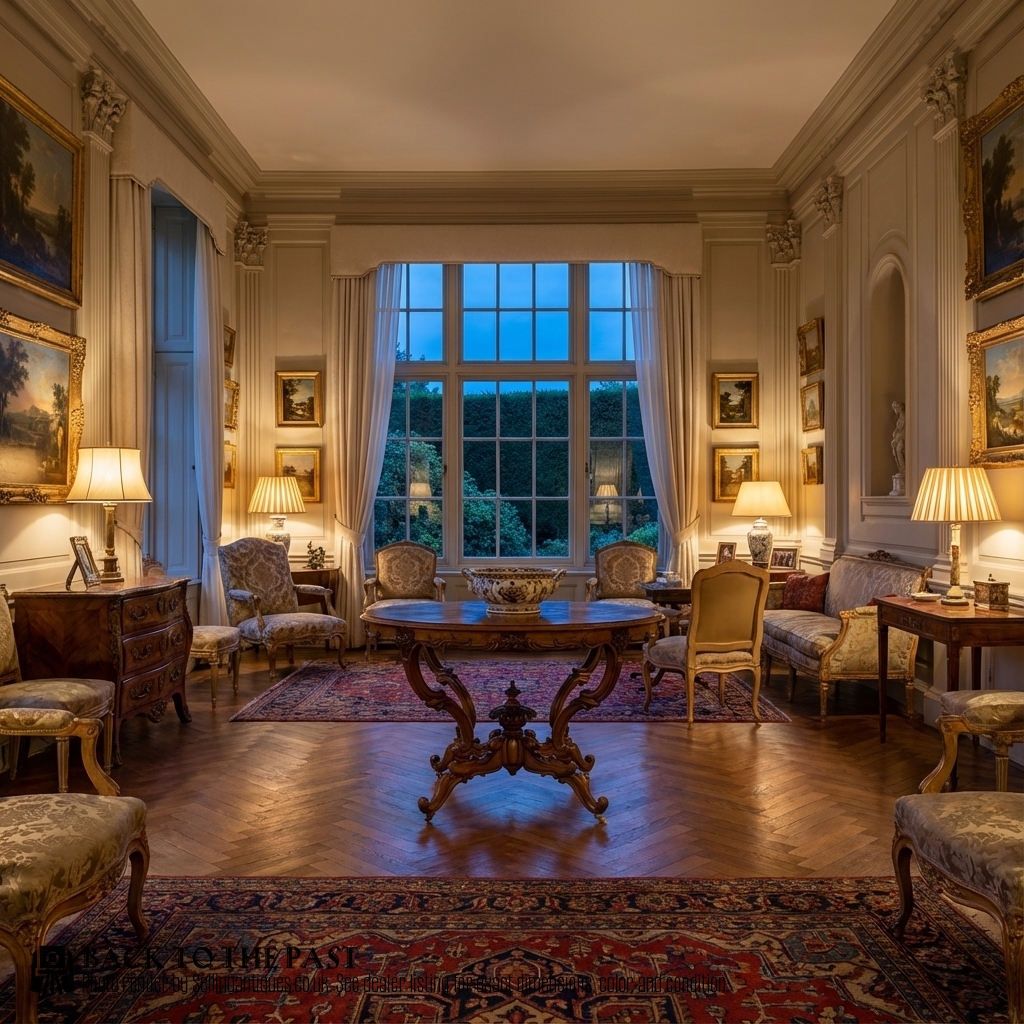
What these pieces are
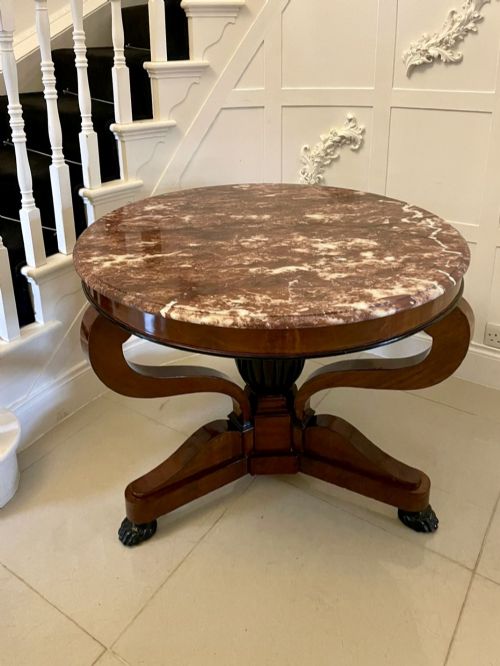
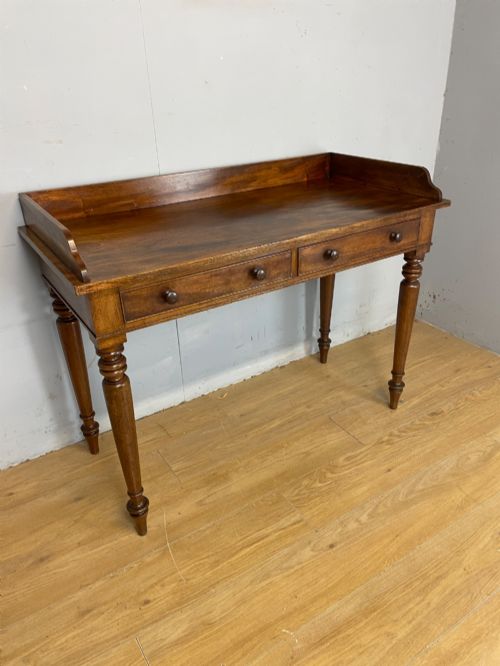
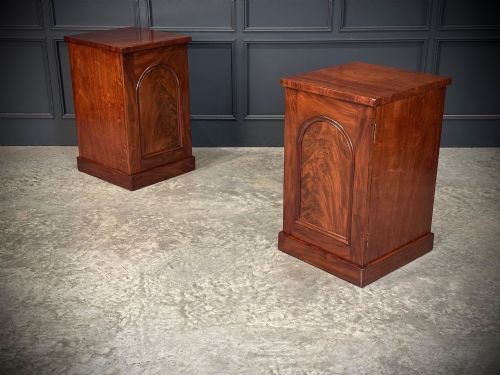
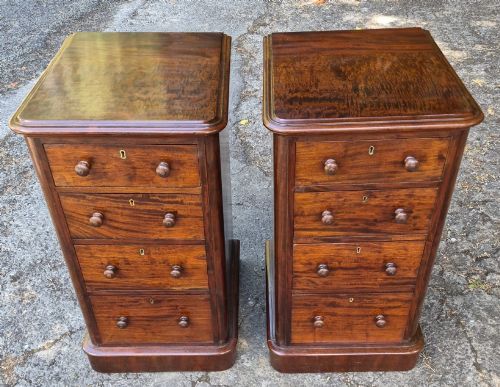
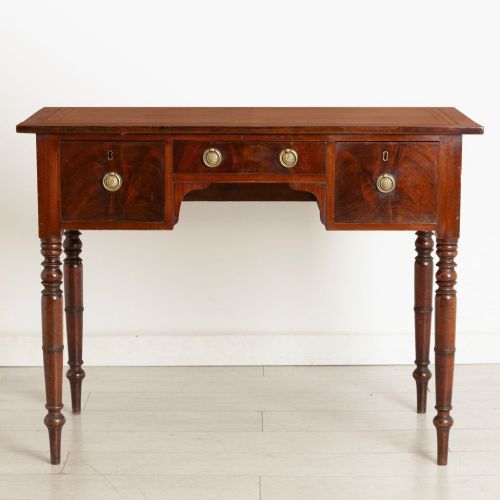
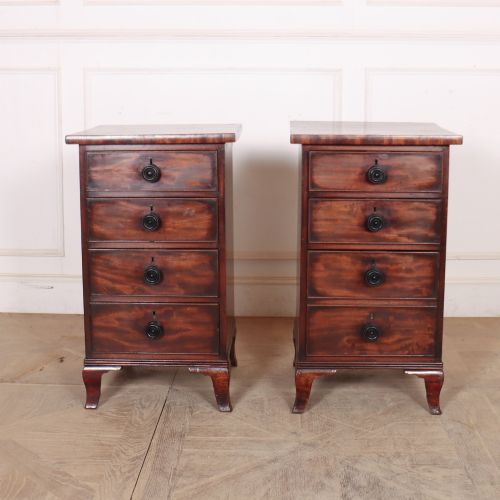
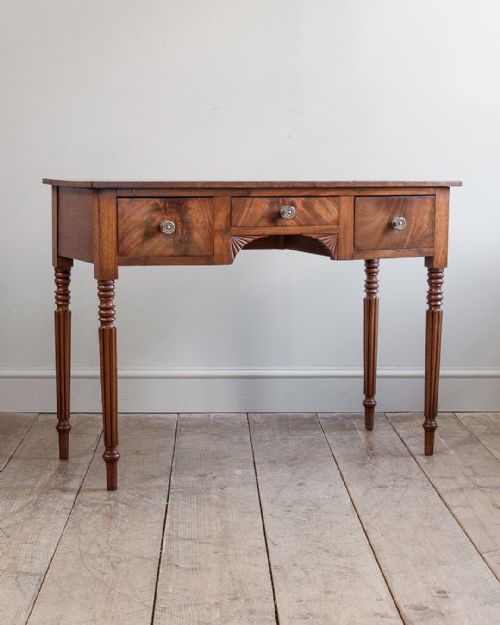
When you search for a victorian flame mahogany table, you encounter a diverse array of forms spanning dining tables, extending dining tables, centre tables, writing tables, desks, and smaller occasional or work tables. The evidence shows these pieces originate from the nineteenth century, including specific dates such as eighteen-forty, eighteen-fifty, eighteen-sixty, eighteen-seventy, eighteen-eighty, and nineteen-hundred. Dining versions frequently feature extending mechanisms, D-ends, or oval tops, while smaller examples include work tables, card tables, breakfast tables, and bedside tables.
The material identity rests firmly on mahogany and flame mahogany veneer, often accompanied by secondary woods and fitted details. You will find pieces described with leather tops, original handles, brass accents, glass, and ceramic elements. The scale ranges from miniature tilt-top breakfast tables and compact bedside chests up to grand sixteen-foot extending dining tables.
How they were made
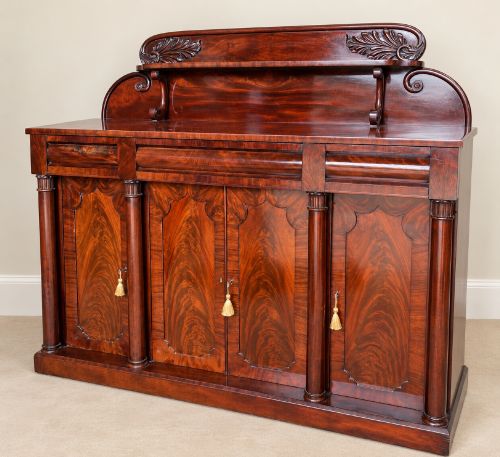
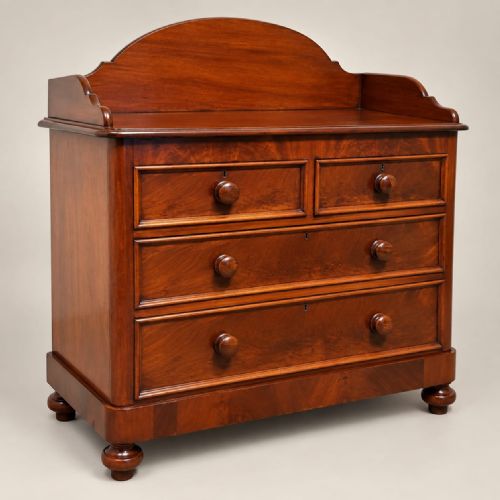
Cabinet makers utilised carefully selected flame mahogany veneer applied over solid timber substrates to create the characteristic swirling, fiery grain patterns seen across the tops and surfaces. Construction techniques involved precise joinery suited to the specific furniture type, whether housing drop leaves in work tables, swivel hinges in fold-over tea and card tables, or complex runner systems in large extending dining tables.
Retail Price Guide 2026
Typical UK retail prices for victorian flame mahogany table, calculated from the Sellingantiques database of over a million retail prices indexed since 2003. This retail price guide relies exclusively on Sellingantiques data; no external sources or auction records are used, so the figures do not describe the wider market.
Listings show work tables, centre tables, and extending dining tables spanning the nineteenth century in mahogany and flame mahogany.
What varies in quality
Quality in these pieces is primarily determined by the vibrancy and symmetry of the flame mahogany veneer figure across the main surfaces. Higher grade examples display deep, highly figured grain patterns that have been carefully matched and laid out by skilled makers.
The sophistication of the construction and the integrity of original fittings also separate standard items from superior pieces. Inclusion of original brass hardware, fitted interiors in work and writing tables, and robust extending mechanisms contribute significantly to a piece's standing.
The Victorian Flame Mahogany Table Glossary
- Flame mahogany
- A distinct veneer cut from the fork of the mahogany tree, producing a rippling, flame-like pattern across the timber surface. This figuring was highly prized by nineteenth-century cabinet makers for show surfaces.
- Centre table
- A freestanding table designed to be viewed from all sides rather than pushed against a wall. These often occupy the middle of a Victorian reception room.
- Work table
- A small domestic table fitted with drawers, boxes, or fabric bags for sewing and needlework supplies. They frequently feature drop leaves and compact proportions.
- D-end table
- A dining table whose end sections are semicircular, resembling the letter D. These sections often detach or serve as ends for extending dining tables.
Frequently Asked Questions
How do I date a Victorian table?
Dating relies on recorded periods, stylistic markers, and specific construction methods noted within the nineteenth-century timeline. Evidence points to variations from early Victorian eras around eighteen-forty through to nineteen-hundred.
Changes in hardware, timber preparation, and structural design help narrow down the decade of manufacture for individual tables.
What is flame mahogany?
Flame mahogany is a highly decorative wood veneer derived from specific sections of the mahogany tree. It exhibits dramatic, fiery grain patterns.
Cabinet makers utilised this veneer on prominent surfaces like tabletops and drawer fronts to create visual depth and movement.
How were extending dining tables used?
Extending dining tables provided flexible surface space for everyday dining and larger gatherings in Victorian homes. Mechanism designs allowed extra leaves to be inserted.
D-end and oval formats accommodated variable seating arrangements depending on the occasion.
Can I use a work table for storage?
Work tables incorporate internal compartments, boxes, or drawers originally intended for sewing materials. These spaces suit modern small item storage.
Drop leaves and compact footprints allow these tables to function effectively in tighter living areas.