
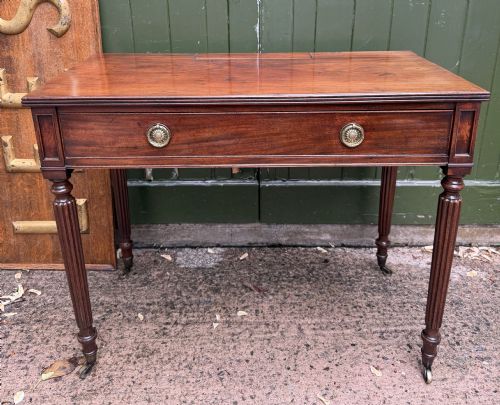


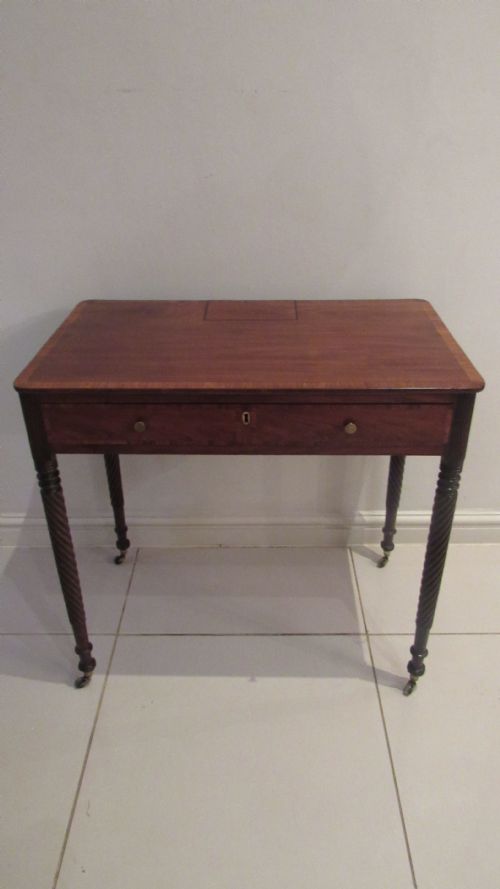


Mahogany Chamber Table
These mahogany chamber tables are compact writing desks and side pieces designed for domestic utility, offering refined proportions and classic cabinet-making.
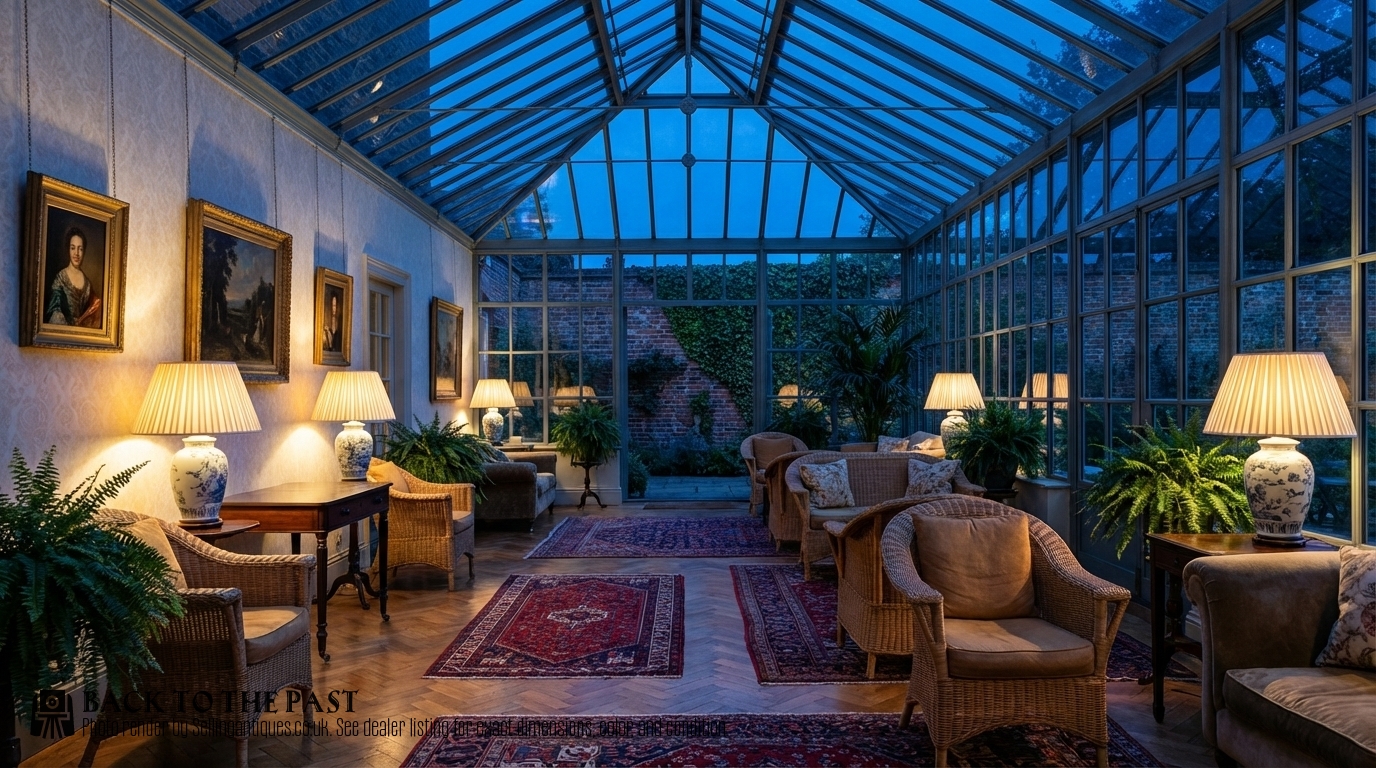
Mahogany Chamber Table
A mahogany chamber table is a versatile piece of antique furniture built for writing, bedside use, or general utility within private rooms. When exploring this selection, buyers frequently encounter compact writing tables and small writing desks originating from the Georgian, Regency, and nineteenth-century periods.
The forms span from straightforward side tables and pot cupboards to sophisticated writing desks equipped with fitted interiors and hinged lidded pentrays. Many examples reflect the distinctive design vocabulary associated with prominent workshops like Gillows of Lancaster.
These pieces served private living quarters where space was at a premium, combining writing surfaces with practical storage compartments. The surviving examples demonstrate how functional domestic furniture achieved high aesthetic standards through careful proportion and select timber.
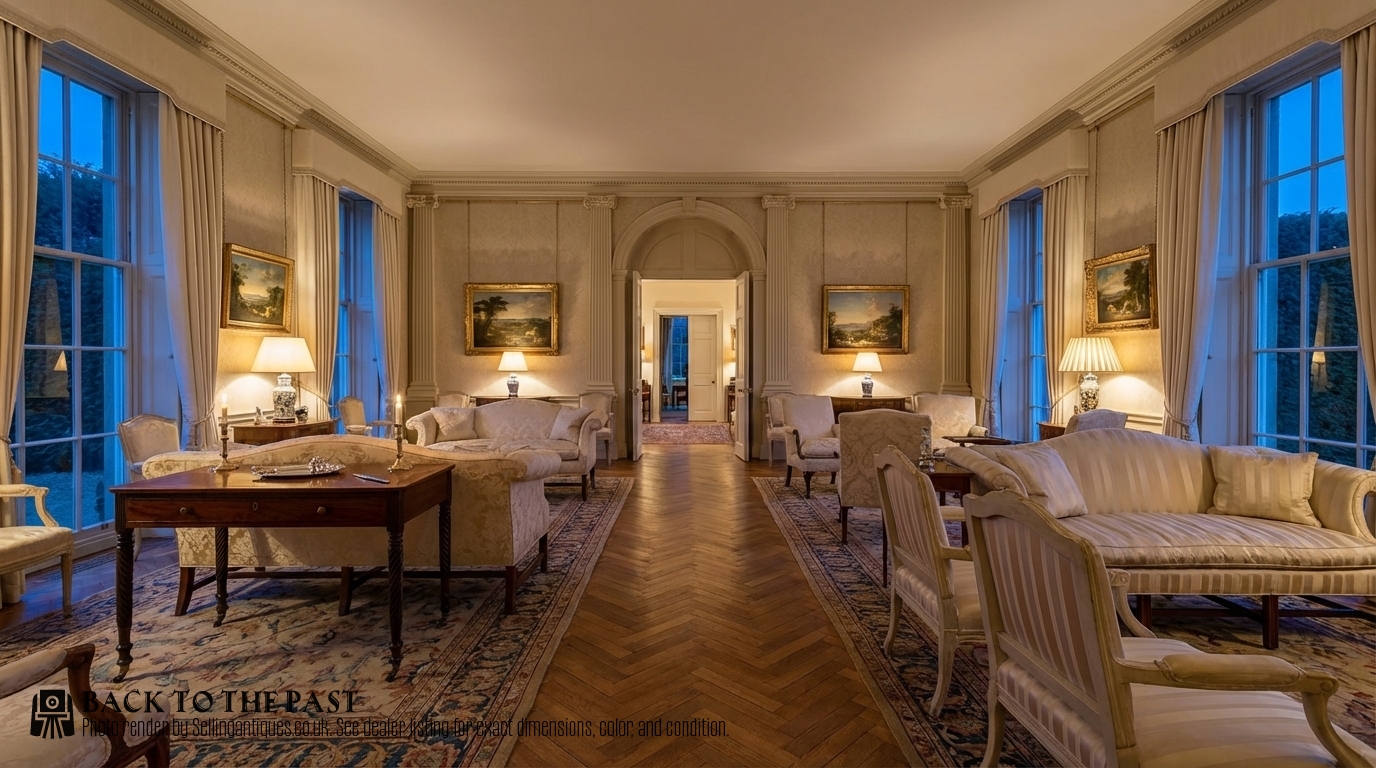
Materials and construction
Cabinet-makers relied primarily on solid mahogany and flame mahogany veneer, supported by secondary timbers such as oak for internal drawer construction. This dense tropical hardwood provided a durable and stable foundation for pieces subjected to daily writing and domestic use.
Decorative detailing was achieved through contrasting veneers and inlay work, incorporating satinwood and ebony banding to define borders and panels. Brass hardware, including castors and handles, completed the construction alongside occasional leather writing inserts.
Mahogany Chamber Table Retail Price Guide 2026
Typical asking prices for mahogany chamber table among the pieces listed under this phrase on Sellingantiques today, from the lower quarter to the upper quarter. They describe what is for sale here now, not the wider market.
The listings combine compact writing desks with bedside commodes under the wider heading of chamber furniture, constructed primarily in mahogany with occasional oak and ebony elements.
Judging quality and execution
Superior examples display exceptional figuring in the flame mahogany veneer, chosen with care to create balanced visual patterns across the top and drawer fronts. The grain alignment and the richness of the timber's natural tones distinguish finer workshop output from standard production.
Joinery execution defines the hierarchy of these tables, visible in the tightness of dovetails, the smooth action of drawers, and the integration of internal fittings like pentrays. Attribution to notable makers often rests upon this level of precise construction and distinctive structural quirks.
Gillows of Lancaster·Lamb of Manchester
The Mahogany Chamber Table Glossary
- Flame mahogany
- A veneer cut from the fork of the mahogany tree where the branch meets the trunk, producing a rippling, flame-like pattern. This decorative timber was utilised on prominent surfaces of high-status tables.
- Pentray
- A shallow compartment built into a writing table to hold pens, inkwells, and small writing implements. These often feature hinged lids in more elaborate chamber tables.
- Bandings
- Thin strips of contrasting wood inlaid into the edges of tabletops or drawer fronts to create decorative borders. Ebony and satinwood were common choices for this linear enrichment.
- Pot cupboard
- A small bedside cabinet or commode designed to house a chamber pot behind a panel door. Several pieces sharing this form appear alongside writing tables within the wider category.
Mahogany Chamber Table: Frequently Asked Questions
What is a chamber table?
A chamber table is a compact piece of nineteenth-century furniture originally intended for use in private bedrooms or personal sitting rooms. These pieces primarily functioned as writing desks or small bedside surfaces.
They combine a writing or display surface with functional storage, such as drawers or lidded pentrays. Their smaller dimensions made them suitable for domestic spaces where full-sized library desks proved impractical.
How do I spot Gillows work?
Attribution to Gillows relies on distinctive construction methods, high-grade flame mahogany, and specific internal arrangements like fitted pentrays. Their output is known for robust joinery and understated elegance.
While some pieces bear stamps or signatures, many are attributed based on characteristic design traits shared with documented workshop prototypes from Lancaster and London.
Are these desks for daily writing?
These tables provide stable writing surfaces equipped with fitted drawers and compartments suitable for modern stationery use. Their historical leather inserts or timber tops accommodate contemporary writing requirements.
Placement in a modern study or bedroom allows the furniture to function much as it did originally, offering practical surface area combined with period character.
How do I date these tables?
Dating relies on stylistic markers associated with the Georgian, Regency, and William IV periods, such as leg configuration and edge moulding. Regency examples often feature reeded legs or brass stringing.
Earlier pieces from the late eighteenth century show simpler, more rectilinear proportions, while nineteenth-century variations introduce heavier end supports and bolder veneer selections.