
Georgian Dressing Desk
A georgian dressing desk combines domestic practicality with fine timber work, offering the buyer a compact writing surface and storage for personal grooming.
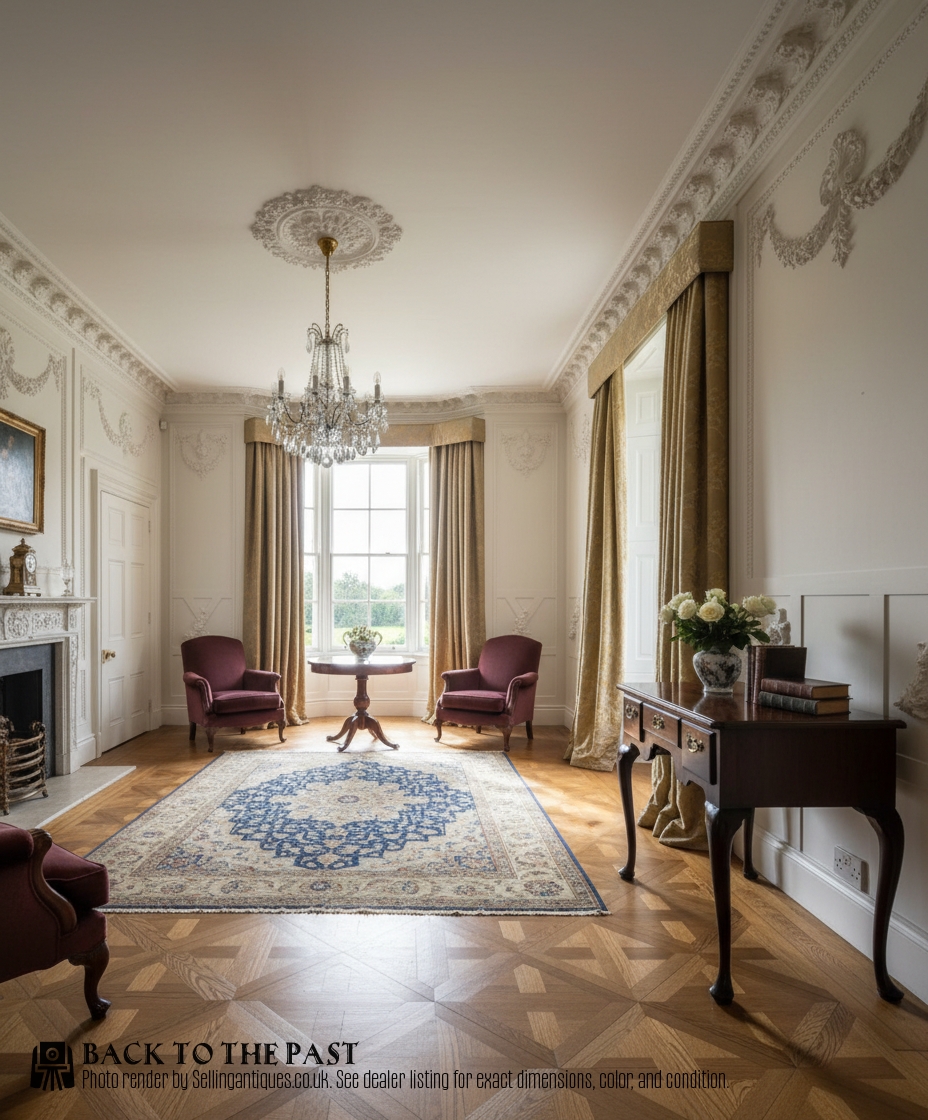
Georgian Dressing Desk
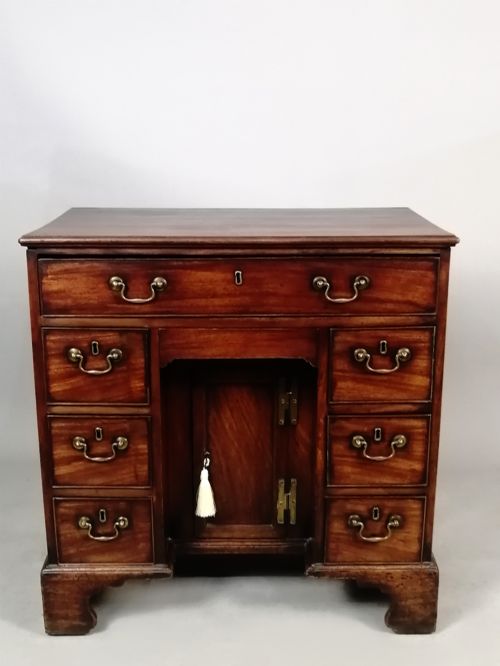
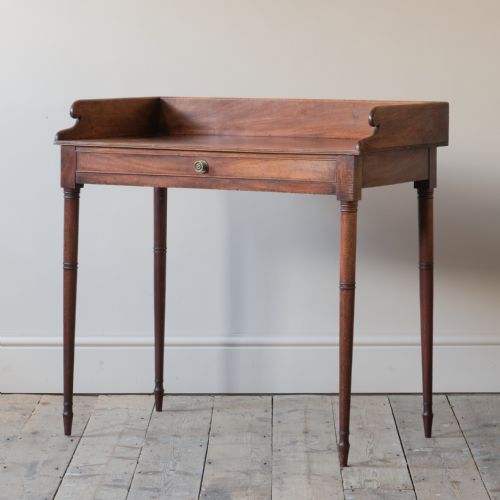
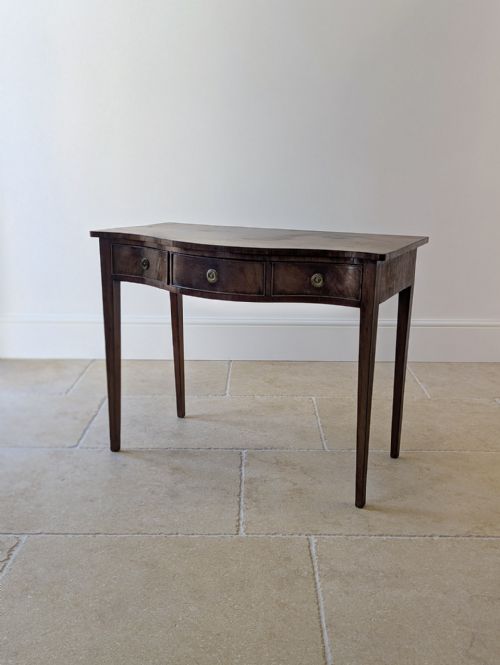
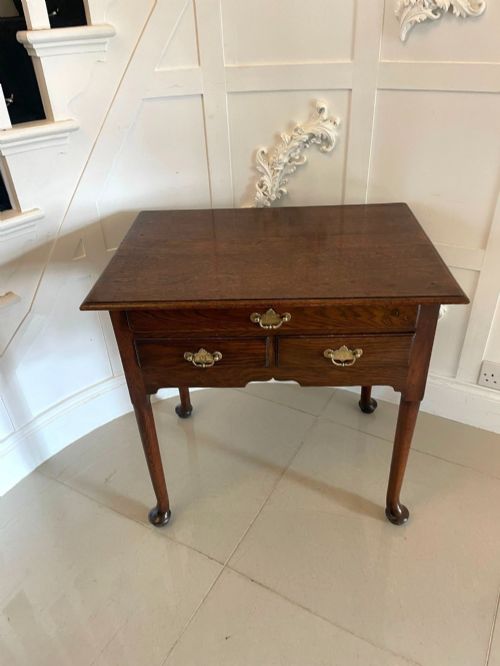
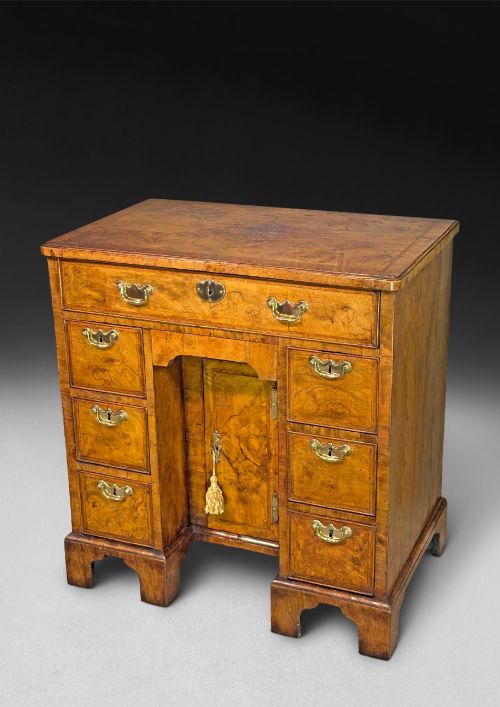
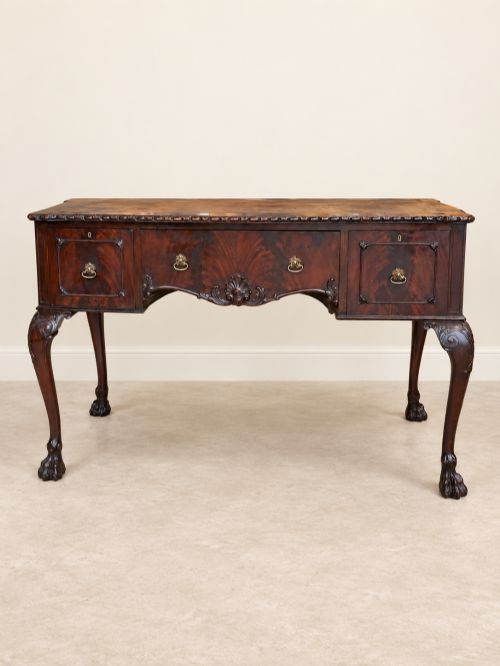
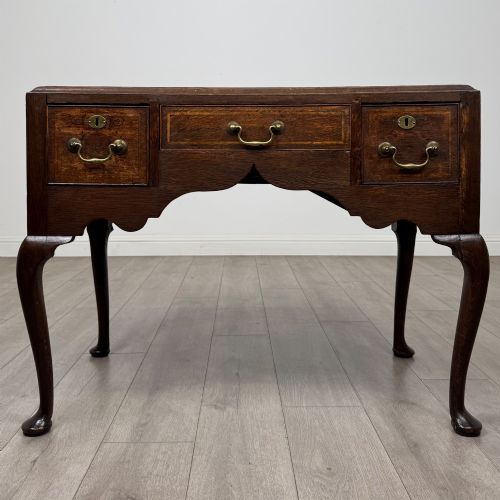
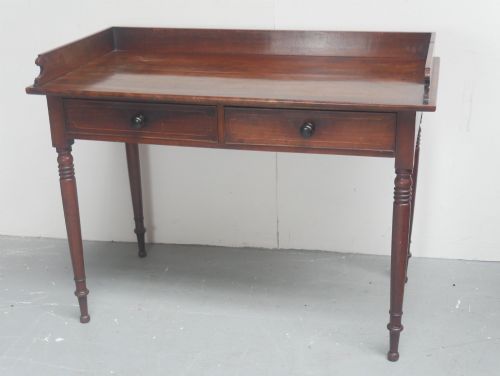
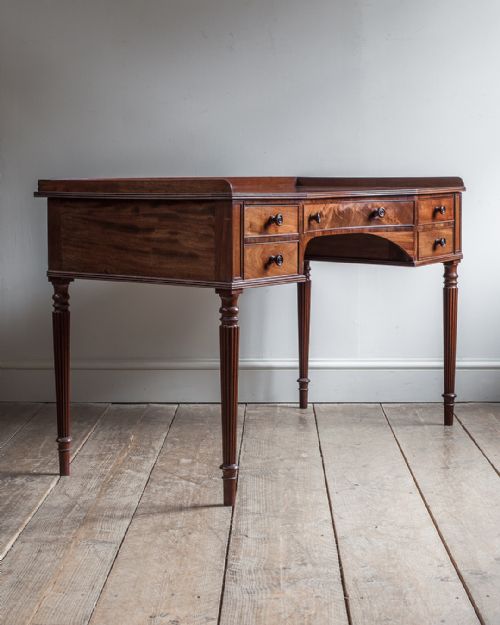
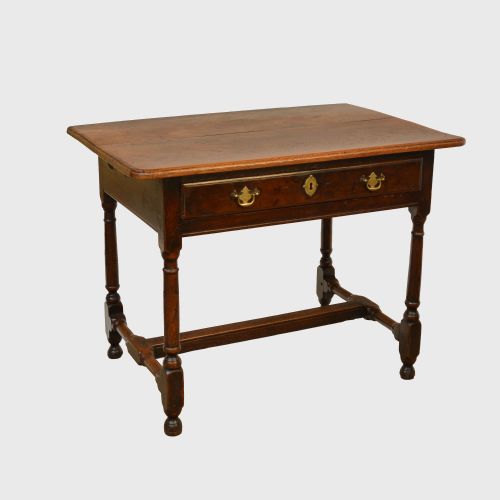
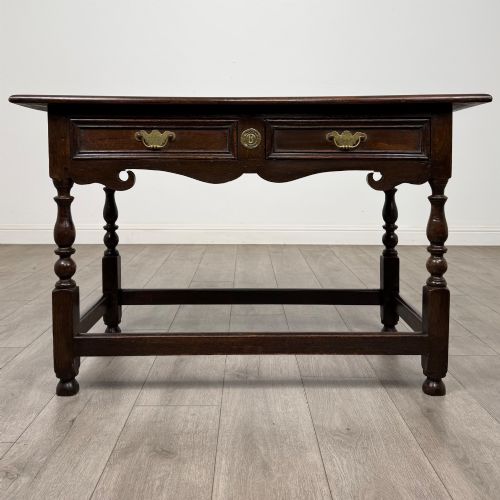
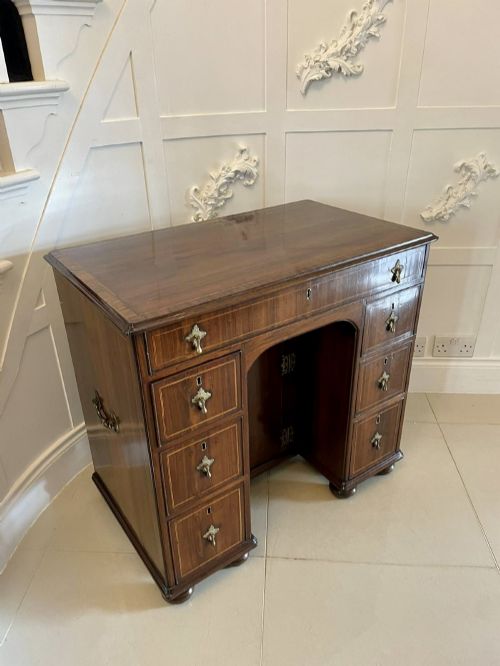
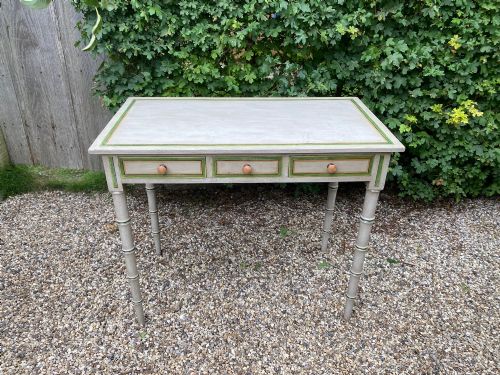
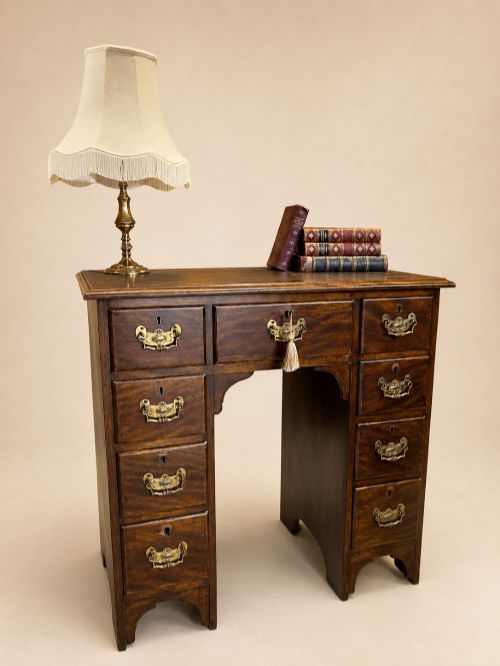
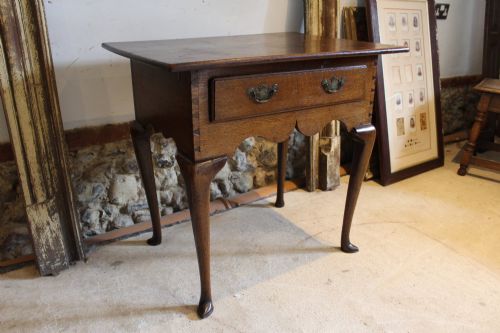
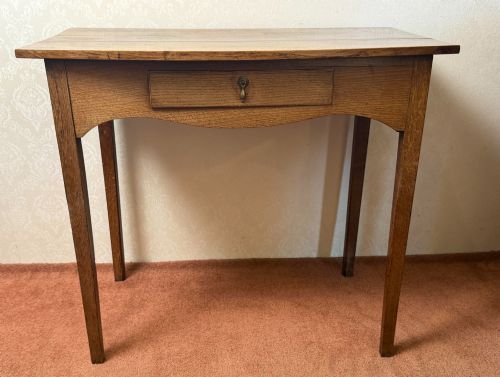
A georgian dressing desk appears in several related forms across this selection, most commonly as a lowboy, a kneehole desk, or a compact side table with fitted drawers. These items bridge the gap between private toilette preparation and correspondence, offering a dedicated surface for daily routines.
The materials and construction span the 18th century through to later revival periods, bringing distinct regional timbers and stylistic markers into the modern interior. Buyers frequently encounter mahogany, oak, and walnut examples featuring single or multiple drawers designed for practical utility.
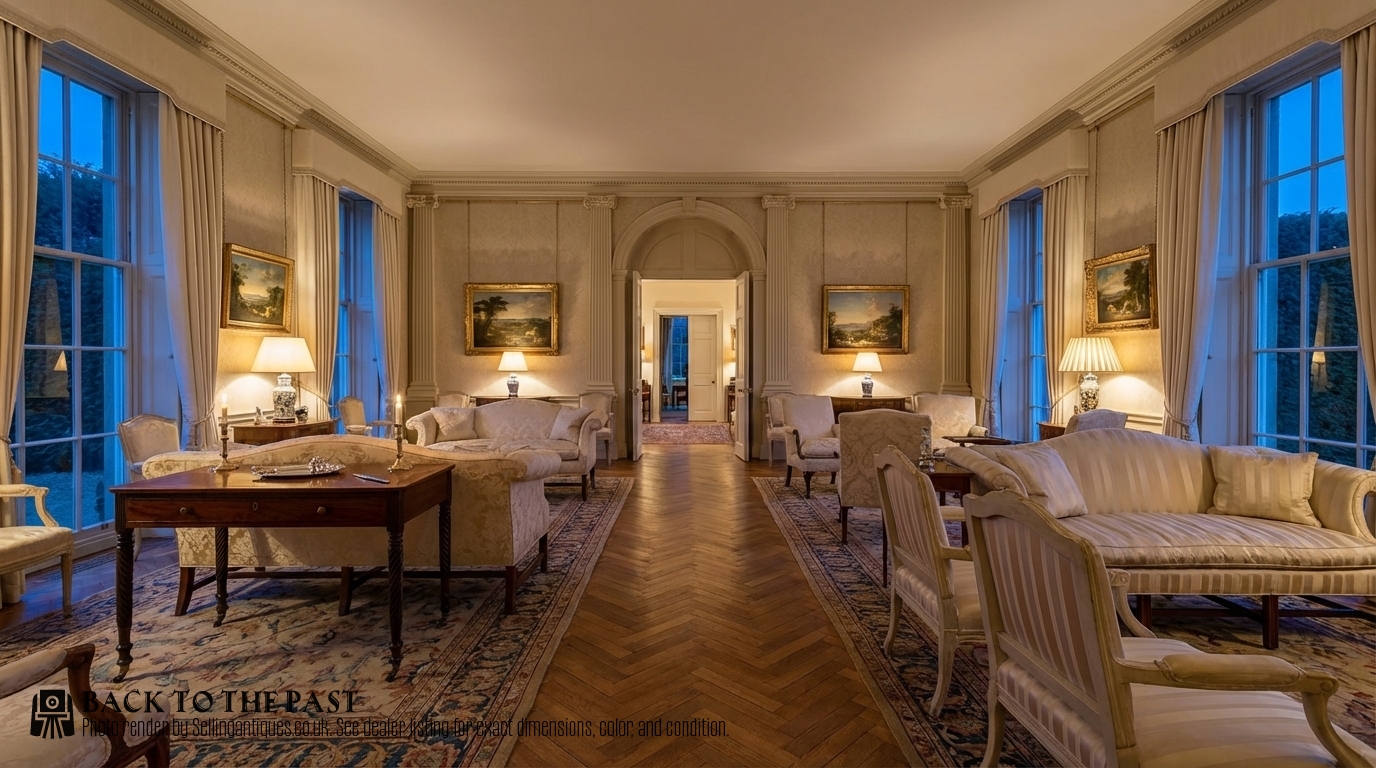
How they were made
Cabinet makers utilised dense hardwoods such as mahogany, oak, and walnut, often selecting figured veneers and burr timbers for primary display surfaces. Secondary timbers like elm, fruitwood, and yew appear in drawer linings and structural framing.
Joinery methods relied on dovetailed drawer construction and pegged tenons, complemented by cast brass handles and escutcheons that secure the operational elements of the furniture.
Several pieces combine writing surfaces with clever concealed compartments designed for storing private letters and secret ledgers.
What varies in quality
The hierarchy of quality rests upon the choice of timber figure, the crispness of moulded edges, and the retention of original brass hardware. Dense burr walnut and figured mahogany command attention through careful bookmatching and balanced grain patterns across the top and drawer fronts.
Structural integrity and the survival of original secondary woods separate standard provincial pieces from exceptional examples produced by master workshops. The refinement of leg turning, apron shaping, and interior drawer division further distinguishes the better pieces.
The Georgian Dressing Desk Glossary
- Lowboy
- A small table with one or more drawers, typically standing on four tall legs, used historically as a dressing table or side table.
- Kneehole desk
- A writing table featuring a central recessed space for the legs, flanked by pedestals of small drawers.
- Burr walnut
- Timber taken from a tree growth or burl, highly prized by cabinet makers for its swirling, decorative grain patterns.
- Fitted drawer
- A drawer internally divided into compartments or containing small lidded boxes for organised storage.
- Serpentine
- A curved shape curving outward in the centre and inward at the sides, often seen on table fronts.
Georgian Dressing Desk: Frequently Asked Questions
What is a lowboy?
A lowboy is a small table with drawers, built during the 18th century and used primarily for dressing or as a side table.
These versatile pieces fit easily into modern bedrooms or hallways as compact surfaces.
Are these desks suitable for daily use?
These tables and desks accommodate modern laptop use or handwriting tasks while adding historic character to a room.
Careful placement away from direct heat sources protects the antique timber and polished surfaces.
What woods were commonly used?
Cabinet makers relied heavily on mahogany, oak, and walnut, frequently enhancing them with burr veneers and inlay.
Secondary timbers such as elm and fruitwood frequently appear within the internal drawer construction.