



Eighteenth Century Side Table
An eighteenth century side table brings practical surface space and architectural presence to a hallway, sitting room or bedroom.
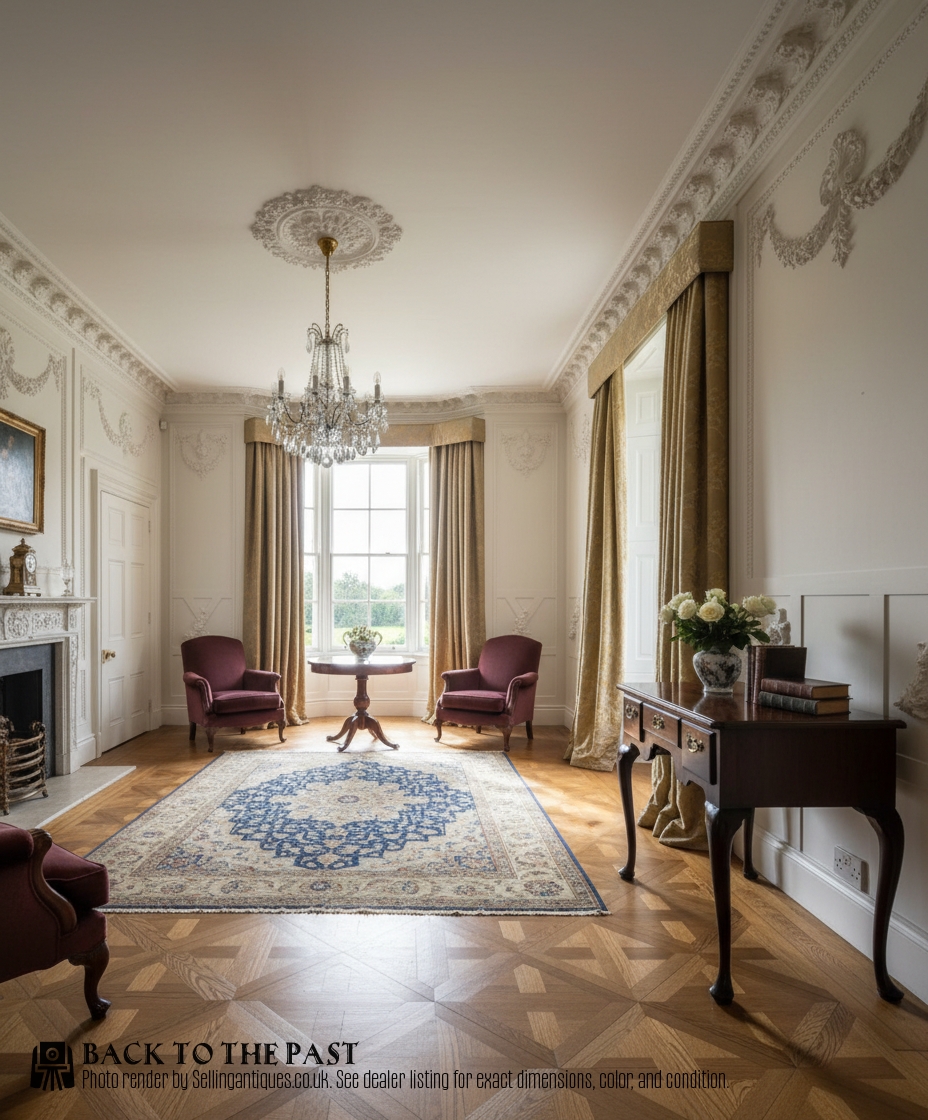
Eighteenth Century Side Table
An eighteenth century side table provides a sturdy surface and useful storage in compact domestic formats, appearing most often on this page as mahogany or oak examples from the Georgian and George III periods.
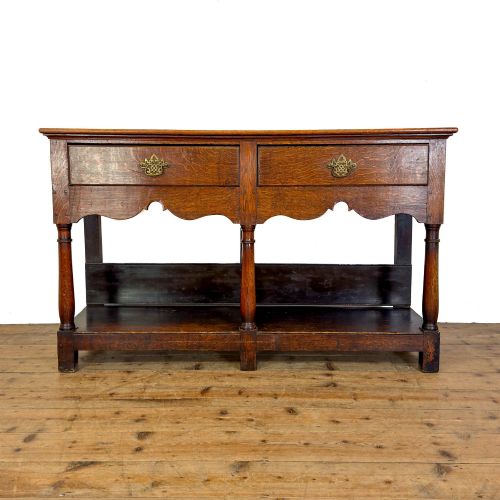
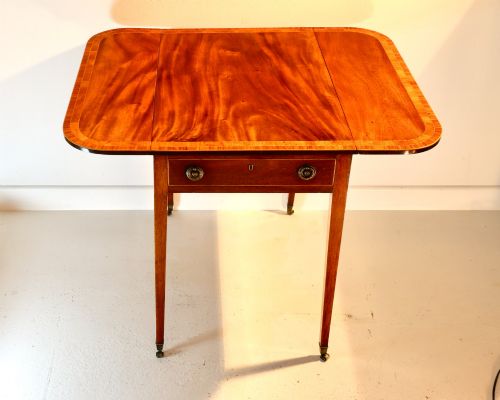
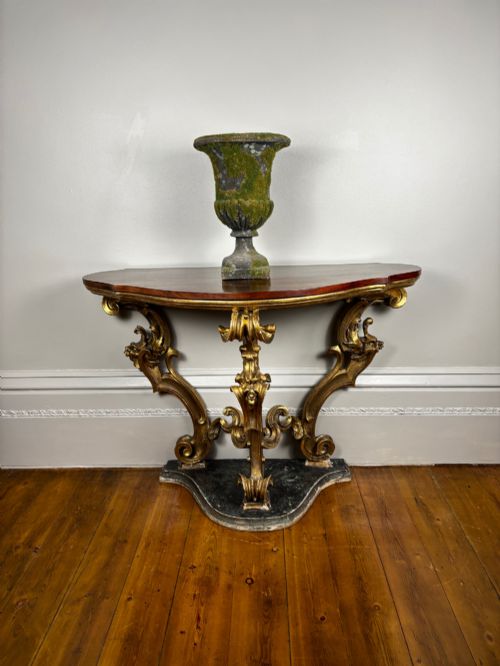
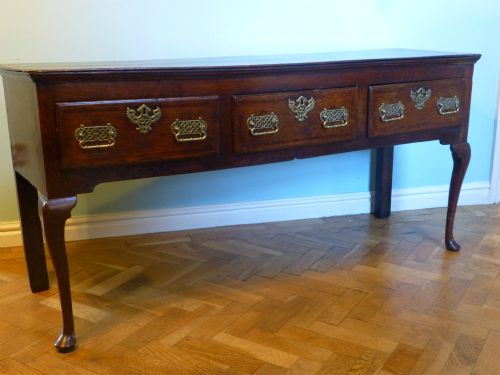
Buyers encounter numerous regional variations alongside formal designs, including lowboys with single or multiple drawers, Pembroke tables with folding leaves, and console tables designed for display.
Makers of the era constructed these pieces primarily for domestic utility in reception rooms and hallways, shaping timber to suit both urban drawing rooms and country houses.
How they were made
Cabinet makers utilised dense native and imported timbers, pairing solid oak and walnut with figured mahogany, satinwood and kingwood veneers.
Joinery methods relied on precision dovetails for drawer construction and sturdy mortise and tenon frames, complemented by brass handles, locks and castors.
Surface finishes ranged from polished natural grain and hand-rubbed wax to painted pine, giltwood and gesso applied over carved wooden substrates.
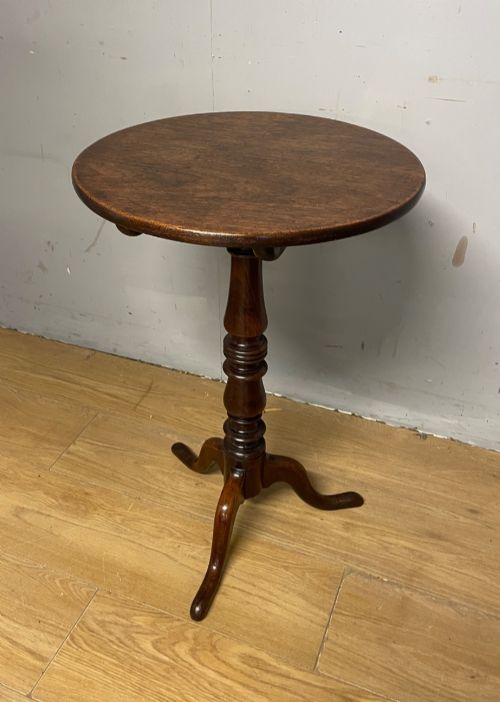
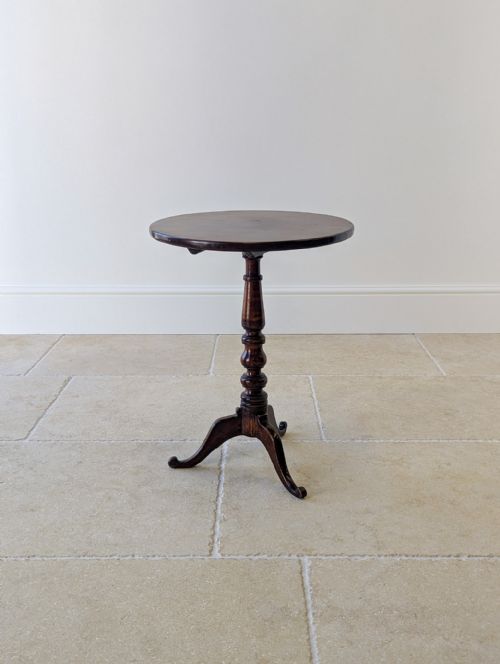
Tilt-top wine tables waited patiently in corners until evening, ready to pivot upright and vanish against the wall when the dancing started.
What varies in quality
The degree of refinement in the timber selection and carving separates standard domestic items from pieces intended for formal reception rooms.
Original brass hardware, uncompromised structural joinery and crisp execution of details like inlay, bandings or cabriole legs determine the standard of survival.
Proportion and balance dictate the aesthetic success of each form, from simple country oak lowboys to sophisticated satinwood writing tables.
The Eighteenth Century Side Table Glossary
- Lowboy
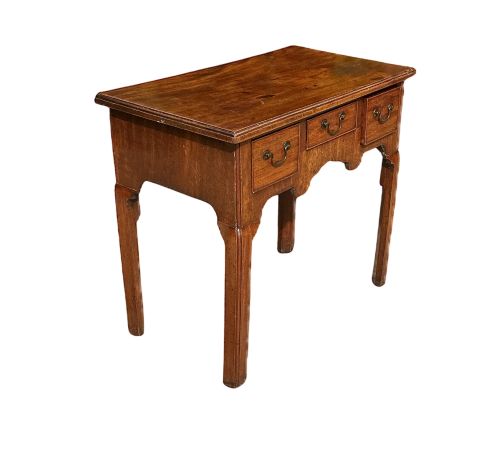
- A small table with one or more drawers, standing on four legs and commonly utilised as a dressing table or side table in the eighteenth century. These pieces offer compact storage beneath a rectangular top.
- Pembroke table
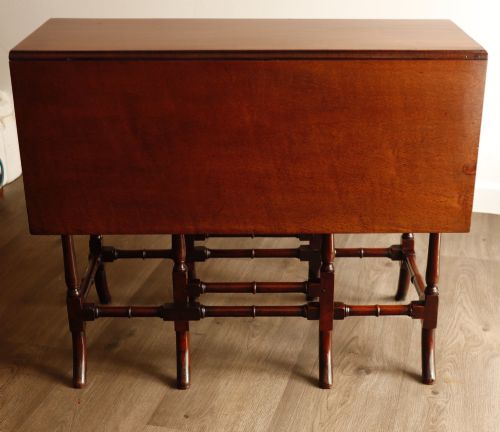
- A drop-leaf table featuring hinged flaps on either side, introduced during the eighteenth century for versatility in breakfasting or writing. They often include a single drawer.
- Console table
- A wall-mounted or freestanding table designed to stand against a vertical surface, frequently featuring decorative carving, giltwood or marble tops. They serve primarily for display in grand interiors.
- Demi-lune
- A half-moon shape characteristic of tea tables and console tables designed to sit flush against a wall. This form became popular during the late eighteenth century for saving floor space.
- Tilt-top table
- A table featuring a mechanism that allows the top to pivot to a vertical position when not in use. Tripod bases frequently support these space-saving designs.
Eighteenth Century Side Table: Frequently Asked Questions
Where should I put an eighteenth century side table?
These tables fit naturally in entrance halls, living rooms or alongside seating where surface space is required for lamps or decorative objects. Their modest depth allows them to sit comfortably against walls without obstructing walkways.
Choose a spot that protects older timbers and polished finishes from direct sunlight and fluctuating heat sources. Smaller formats such as wine tables or lowboys adapt easily to tight corners and alcoves.
How do I identify a George III side table?
George III pieces typically display classic proportions influenced by architectural standards, utilising materials like mahogany or satinwood with refined joinery. Look for characteristic traits such as straight or tapered legs, subtle stringing, and well-executed drawer dovetails.
Checking the secondary woods inside the drawers helps confirm the period of construction. Regional pieces from the same era often feature sturdier oak construction and simpler outlines.
What is the difference between a lowboy and a side table?
A lowboy is a specific form of small side table characterised by a low height and one, two or three drawers integrated into the frieze. They function primarily for storage and personal grooming in bedrooms or parlours.
General side tables encompass a broader range of designs, including console tables, Pembroke tables and serving surfaces without drawer configurations. Both types share eighteenth-century domestic origins.
Can I use an antique Pembroke table every day?
Pembroke tables handle normal daily use well, provided hinges and drop-leaf supports receive gentle treatment. Their folding leaves make them adaptable as occasional desks or small dining surfaces.
Avoid overloading the drop leaves and use coasters to protect polished wood surfaces from moisture and heat. Regular waxing maintains the moisture balance of the timber.