

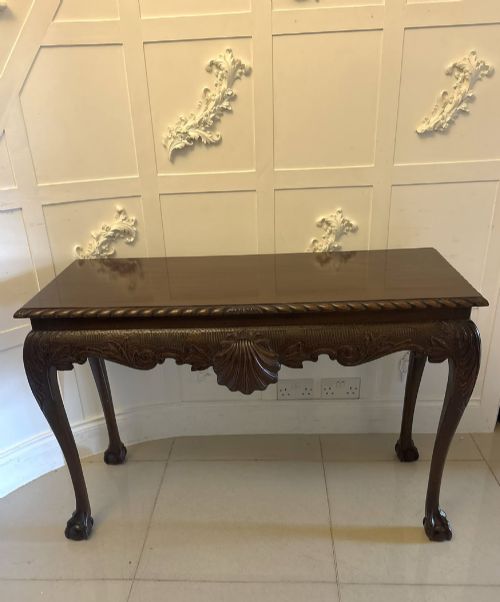
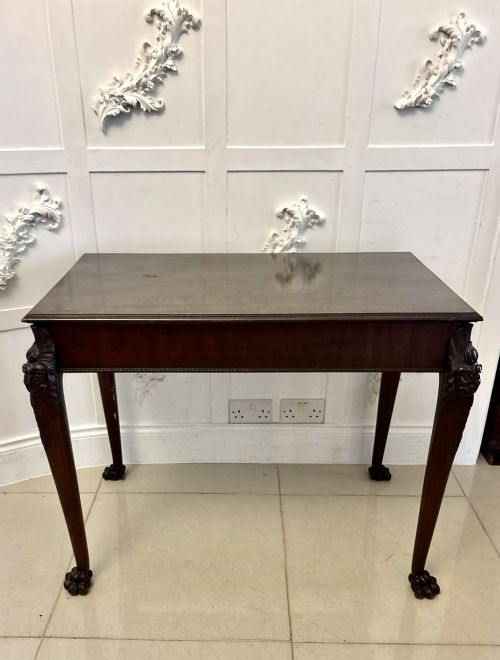
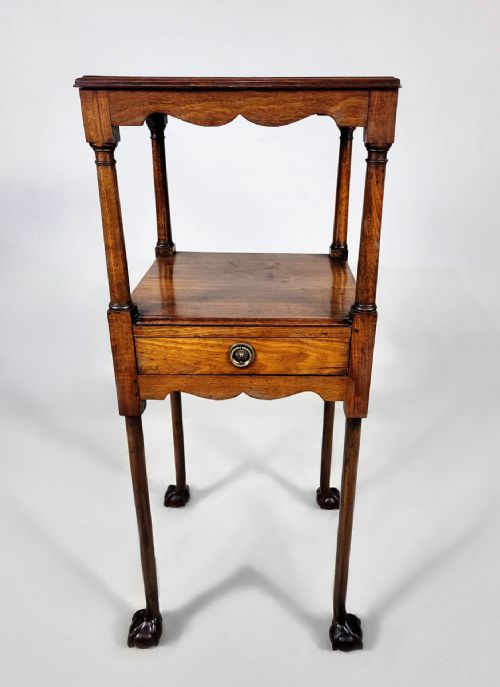
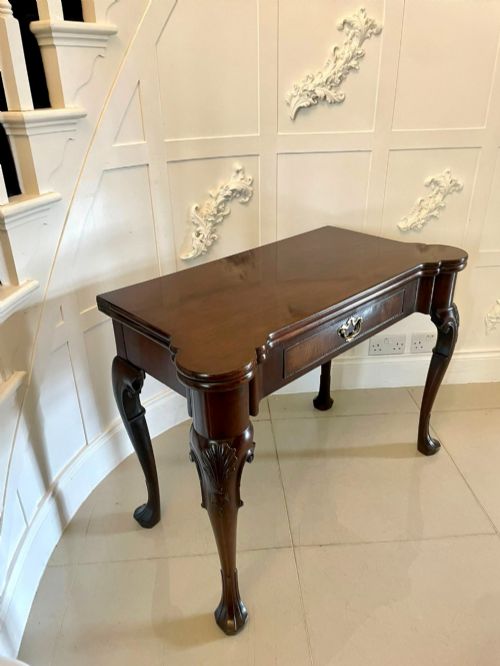
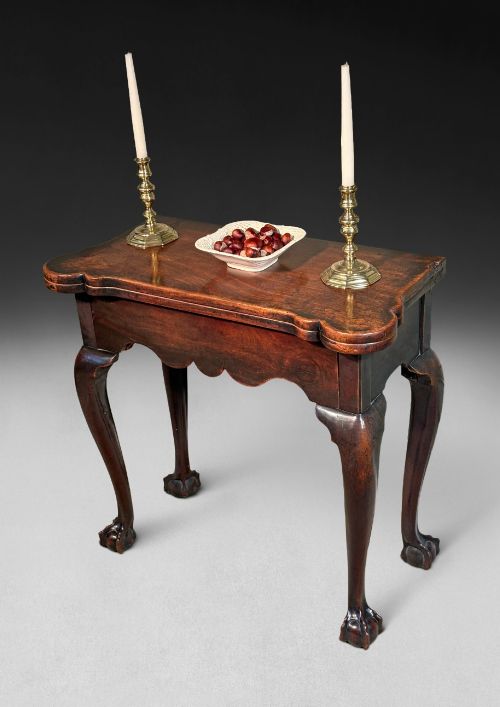
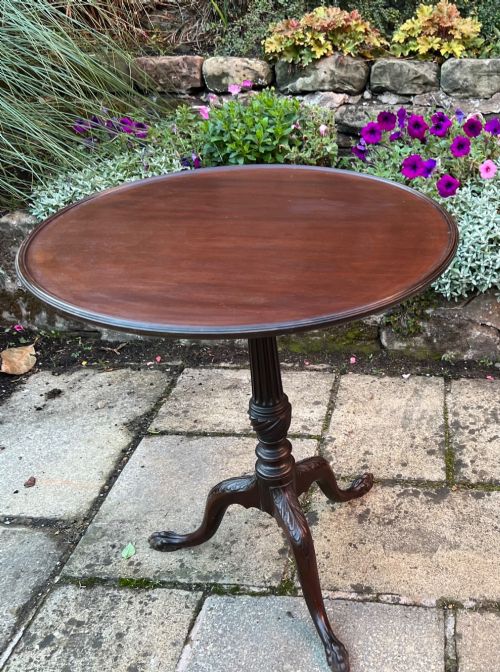
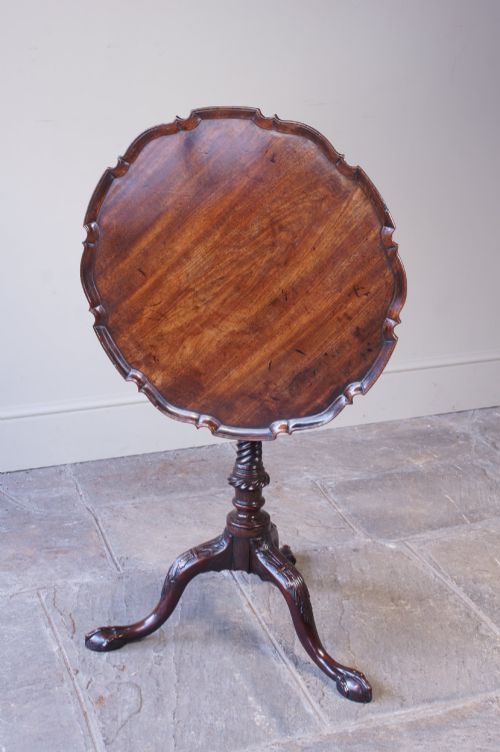
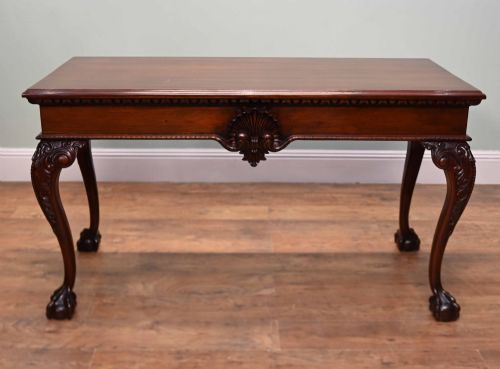
Claw and Ball Side Table
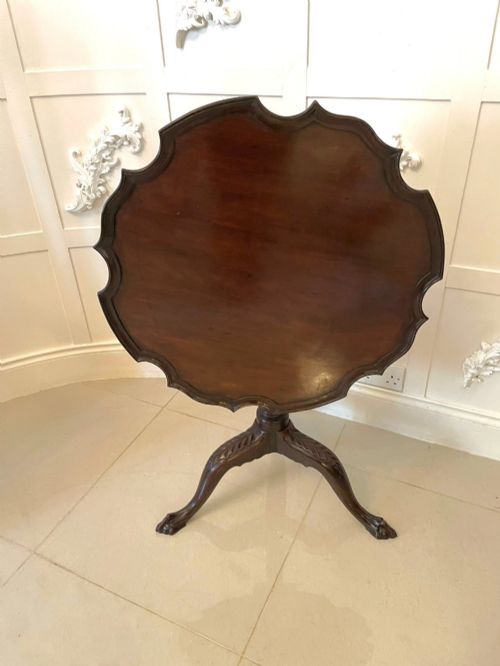
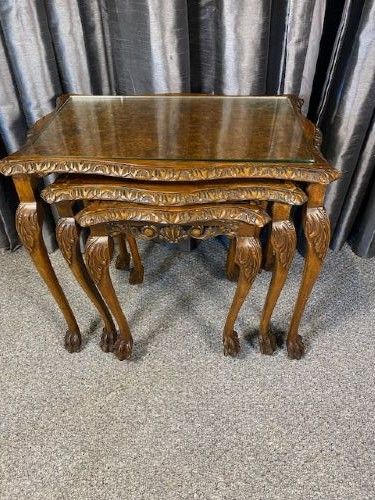
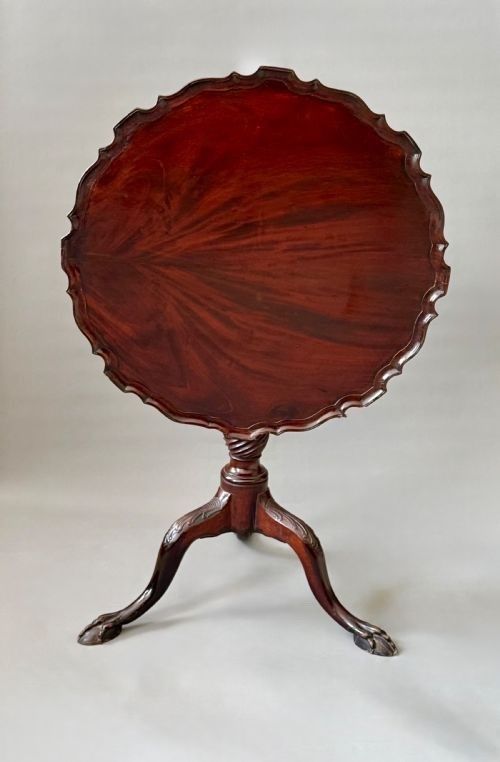
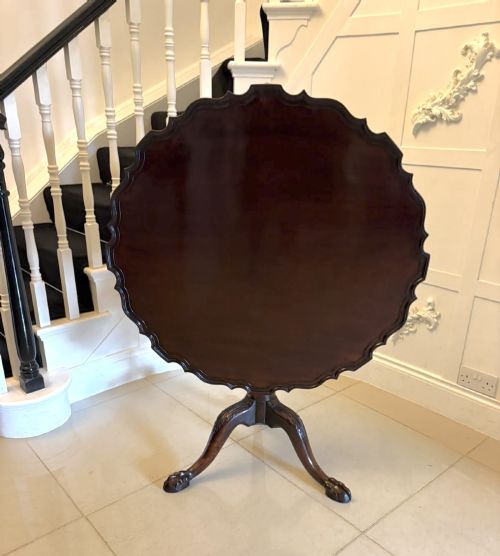
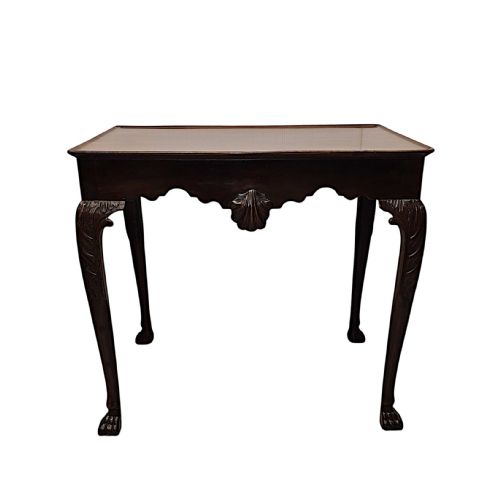
A claw and ball side table brings substantial presence to a room, grounding the space with carved animal feet grasping a sphere.
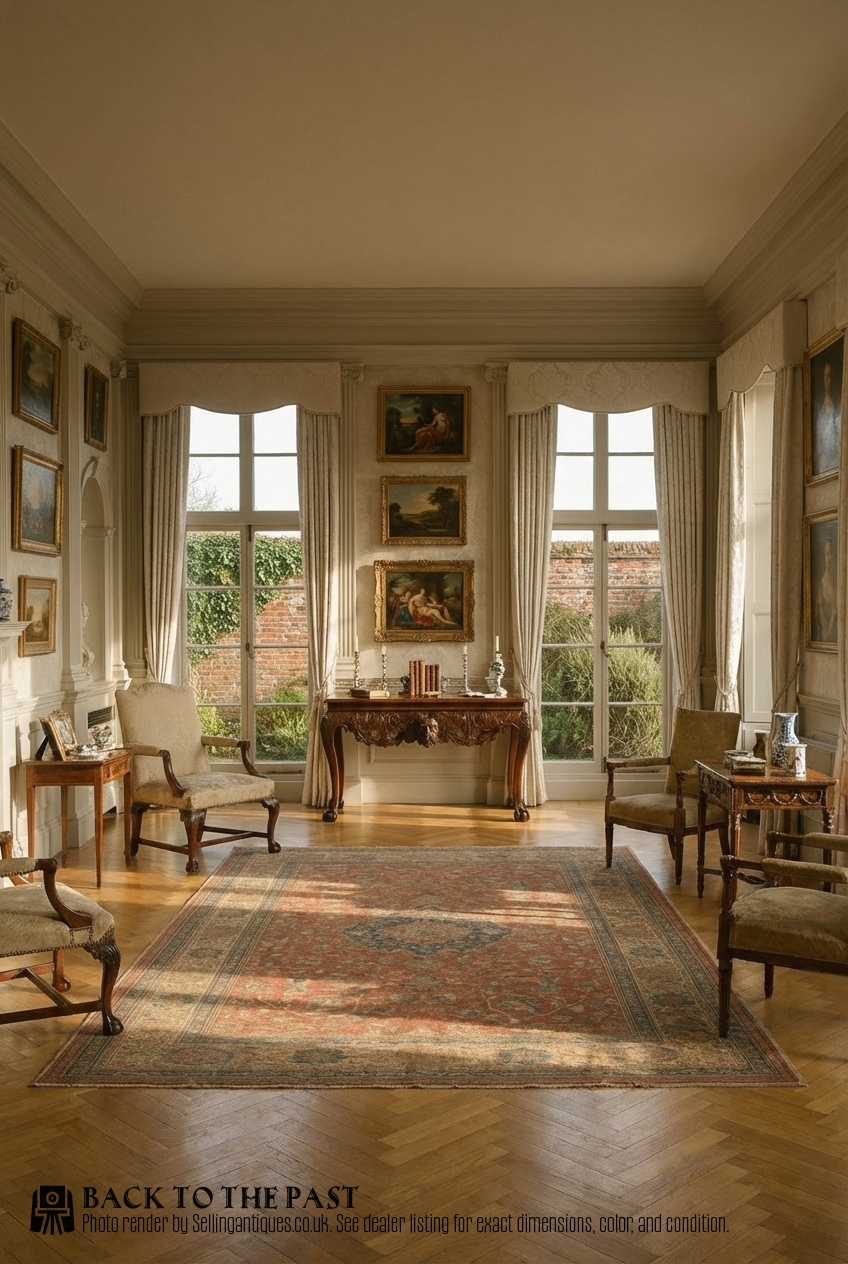
Claw and Ball Side Table
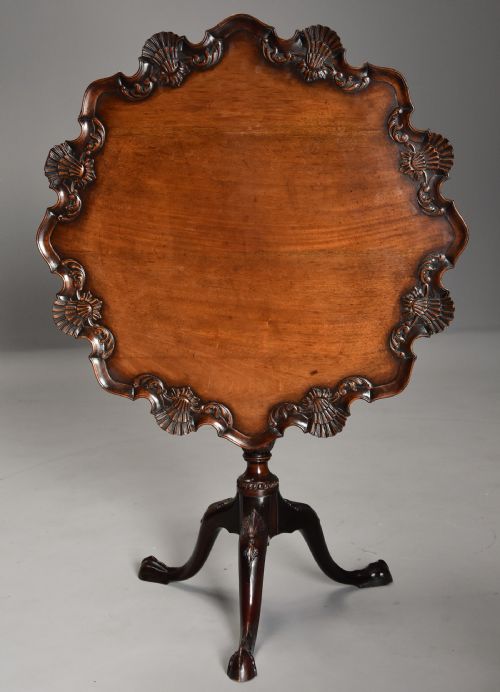
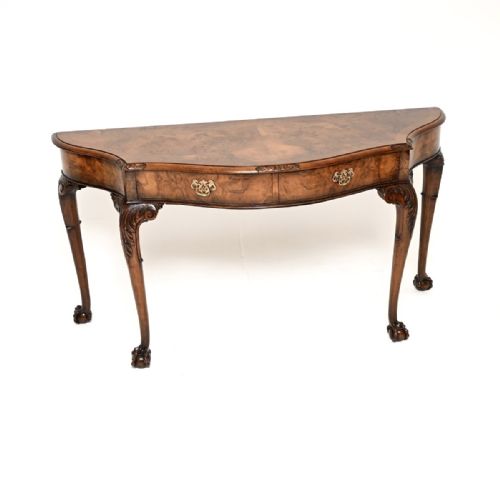
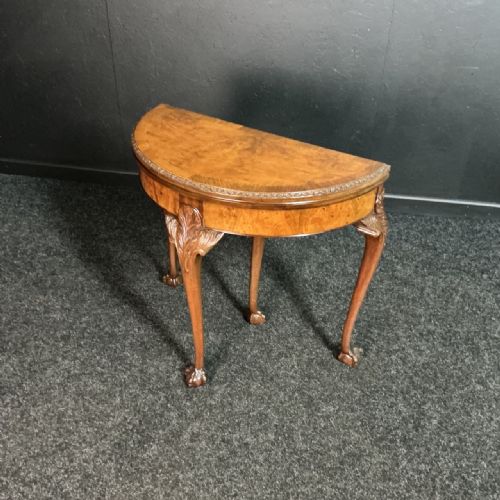
A claw and ball side table encompasses diverse formats such as tripod tables, console tables, card tables, and occasional tables originating from the eighteenth century through the early twentieth century.
Makers utilised primary timbers like mahogany and walnut, frequently incorporating marble tops, brass mounts, or leather inserts depending on the specific domestic function.
Materials and construction
Cabinetmakers worked extensively with solid mahogany, walnut, and burr walnut, employing figured veneers and marquetry inlay to achieve rich surface variation.
Carved elements on the legs and feet demanded skilled hand chiselling, while tilt mechanisms and fold-over card table hinges relied on sturdy brass hardware.
Claw and Ball Side Table Retail Price Guide 2026
Typical asking prices for claw and ball side table among the pieces listed under this phrase on Sellingantiques today, from the lower quarter to the upper quarter. They describe what is for sale here now, not the wider market.
The listings demonstrate that mahogany and walnut remain the dominant timbers across these centuries, alongside marquetry and marble.
Craftsmanship and proportion
The sharpness and depth of the hand carving on the feet and knees separate superior examples from softer, less defined reproductions.
Timber selection drives distinct tiers of quality, where rich natural patina, Figured grain patterns, and solid structural integrity dictate the standing of a piece.
Gillows·Maple and Co.
The Claw and Ball Side Table Glossary
- Piecrust edge
- A raised, carved circular tabletop border resembling pastry work. This decorative moulding appears frequently on tripod and occasional tables.
- Tripod table
- A small freestanding table supported by a central pillar and three legs. These versatile pieces often feature tilt-top mechanisms.
- Marquetry
- Inlaid patterns formed using different coloured wood veneers. Artisans employed this technique on eighteenth century Dutch tables.
- Lowboy
- A small side table or dressing table equipped with drawers and cabriole legs. Examples date from the eighteenth century and subsequent revival periods.
- Partners desk
- A large double-sided desk designed for two people to work opposite one another. These substantial items incorporate drawers and pedestals.
Claw and Ball Side Table: Frequently Asked Questions
What is a claw and ball side table?
A claw and ball side table is a piece of furniture defined by its distinctive feet, which depict a bird's talon or animal paw clutching a sphere. These tables appear in various forms, including console, card, and occasional tables.
Craftsmen produced these designs across multiple periods, ranging from original eighteenth century examples to twentieth century revival pieces constructed in mahogany and walnut.
How do I date a claw and ball side table?
Dating requires examining the timber species, construction joints, and the stylistic details of the carving. Eighteenth century originals display authentic period wear and hand-tool marks, whereas revival pieces from the Edwardian era or the 1920s show later manufacturing methods.
Comparing the specific cabriole leg profile and foot design against known period styles helps establish the approximate decade of manufacture.
Where should I place a side table?
These tables suit hallways, drawing rooms, and studies where their carved tripod bases or console proportions can stand clear of heavy traffic. Card tables and serving tables fit neatly against walls or behind sofas.
Placing them away from direct heat sources protects the timber and delicate burr walnut veneers from drying out.
How do I care for antique mahogany and walnut?
Maintain the timber surfaces by dusting with a soft, dry cloth and applying traditional beeswax sparingly to nourish the grain. Avoid placing drinks directly on the wood without coasters to protect the polish.
Keep the tables away from direct sunlight and radiators to prevent timber movement or veneer lifting.