

Traditional Mahogany Server
A traditional mahogany server brings rich timber and practical dining room utility into a home.
Understanding traditional mahogany server pieces
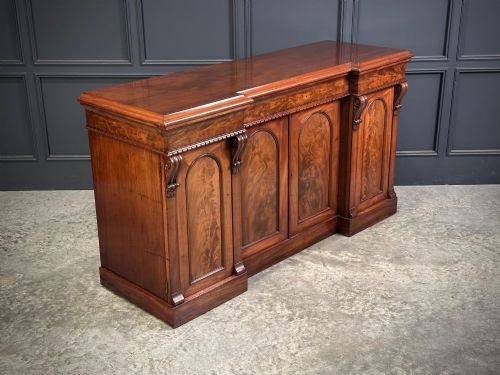
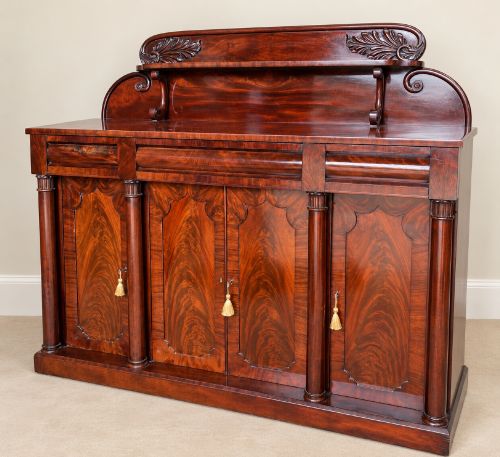
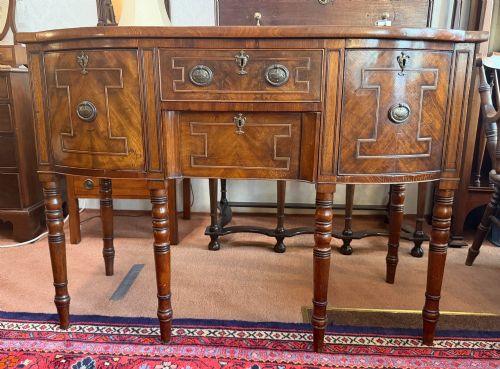
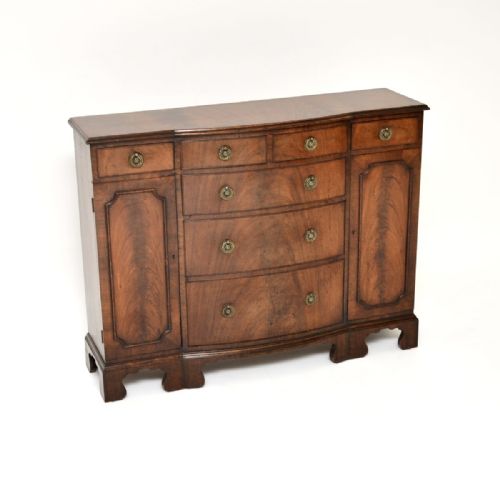
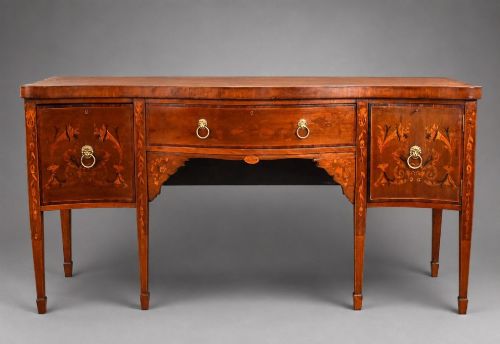
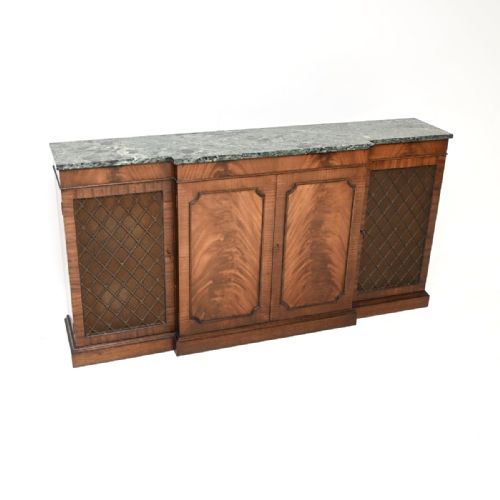
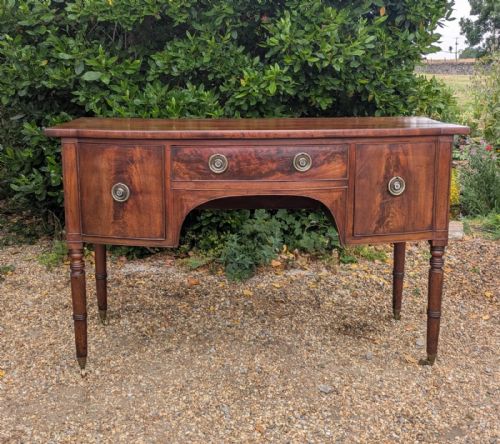
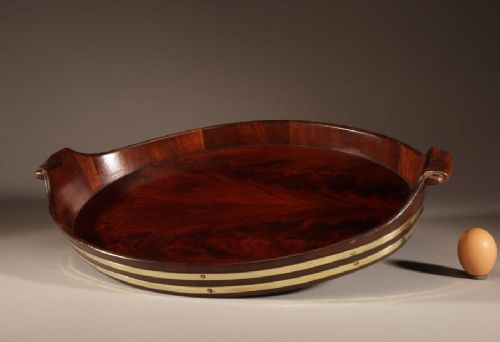
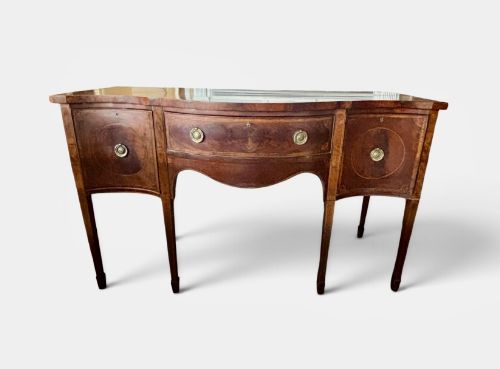
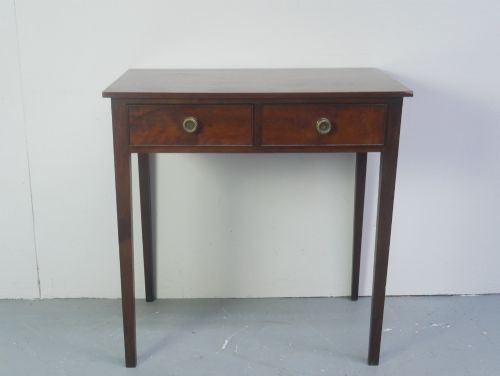
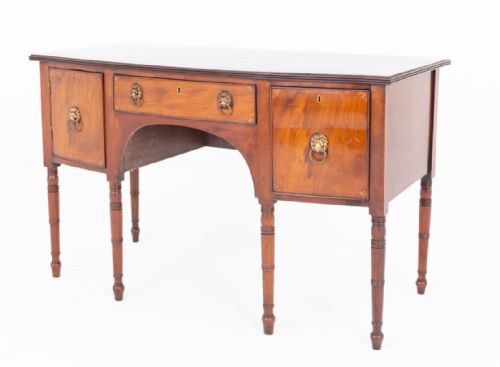
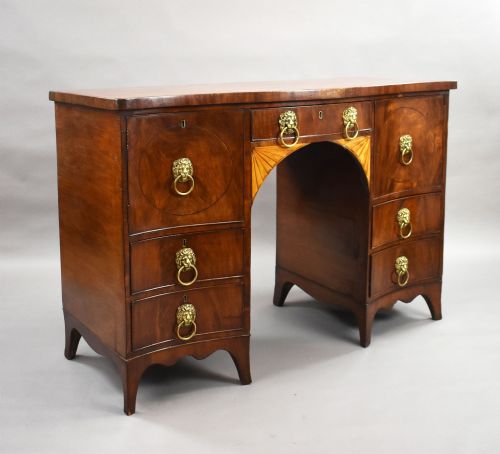
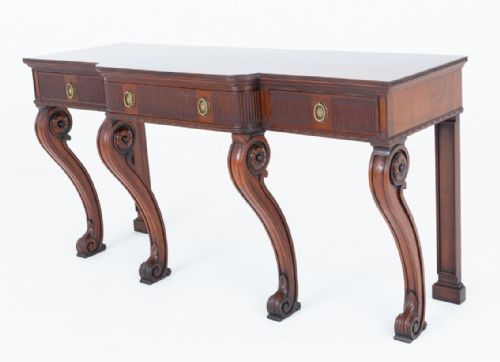
A traditional mahogany server covers a range of dining room furniture including sideboards, cupboards, serving tables, and tea trolleys. These pieces date across the Victorian, Edwardian, William IV, and Georgian periods, showcasing enduring cabinet-making traditions.
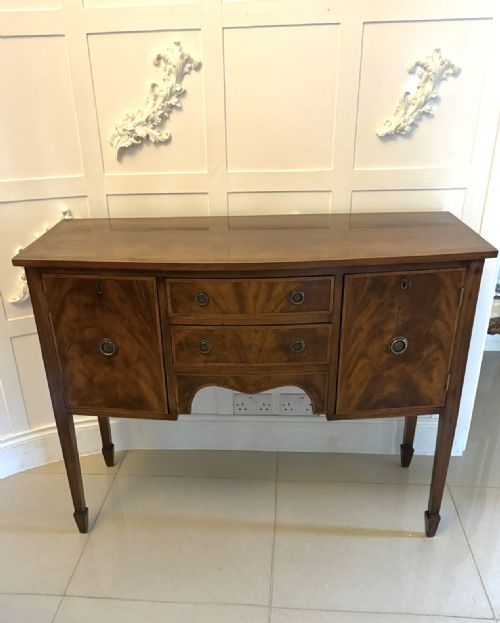
The most common forms on this page are Victorian and Edwardian sideboards, alongside serving tables and dumb waiter stands. They offer substantial surface space and storage for dining rooms.
Originating from the nineteenth and early twentieth centuries, these items reflect the evolving functional demands of British and Irish dining spaces. They combine deep wood tones with classic architectural proportions.
Materials and construction methods
Makers utilised solid mahogany and flame mahogany veneer over structural timbers to create rich, figured surfaces. Brass hardware and metal components provide functional accents and structural support.
Construction techniques include tailored veneering, turning for legs and tiers, and glass integration in specific cabinet doors. Timber selection prioritises deep grain patterns and durable structural integrity.
Retail Price Guide 2026
Typical UK retail prices for traditional mahogany server, calculated from the Sellingantiques database of over a million retail prices indexed since 2003. This retail price guide relies exclusively on Sellingantiques data; no external sources or auction records are used, so the figures do not describe the wider market.
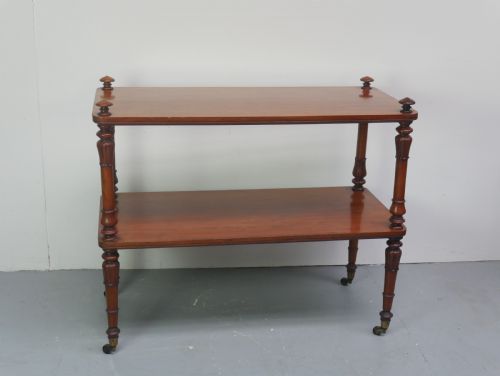
A three-tier dumb waiter stands ready to hold afternoon tea without interrupting the conversation.
Distinguishing quality across the range
Quality rests upon the selection of timber figures, particularly the depth and movement within flame mahogany veneer. Superior examples display careful matching of wood grains across doors and drawers.
Refinement in carving, the crispness of turned details, and the integration of brass fittings separate standard utility items from more ambitious cabinet-making. Proportion and balance in forms like pedestal sideboards and dumb waiters dictate visual success.
The Traditional Mahogany Server Glossary
- Mahogany
- A durable tropical hardwood prized for its deep reddish-brown colour and stable working properties. It serves as the primary structural and visual material across these pieces.
- Flame mahogany veneer
- A thin slice of wood cut from fork joints where branches meet the main trunk, creating a dramatic, flickering flame pattern. Cabinet-makers apply this to prominent drawer fronts and doors.
- Dumb waiter
- A tiered stand or movable serving table designed to hold dishes without requiring constant servant attendance. Examples feature multiple graduated shelves supported by turned central columns.
- Pedestal sideboard
- A large dining room base unit featuring flanking pedestals connected by a central counter or recess. This architectural form provides significant enclosed storage.
Frequently Asked Questions
What is a traditional mahogany server used for?
These pieces serve as functional dining room furniture designed for holding serving dishes, tableware, and beverages during meals. They provide surface space for food presentation alongside integrated storage.
Beyond dining use, they function as display surfaces and storage cabinets in hallways and living rooms. Their substantial tops and internal shelving accommodate everyday household items.
How do I care for mahogany furniture?
Maintain mahogany surfaces by keeping them away from direct sunlight and extreme temperature fluctuations to prevent timber splitting or fading. Regular dusting with a soft, dry cloth preserves the polished finish.
Apply quality beeswax periodically to nourish the wood and maintain its natural lustre without building up heavy chemical residues. Avoid placing wet or hot items directly on the polished timber.
Are these pieces suitable for modern homes?
Their classic proportions and rich timber tones allow them to anchor contemporary dining rooms, hallways, and living spaces effectively. The varied forms, from small bowfront sideboards to tea trolleys, fit different spatial requirements.
Storage capabilities make them practical for organising modern tableware, linens, or media equipment while adding historical character to a room.