

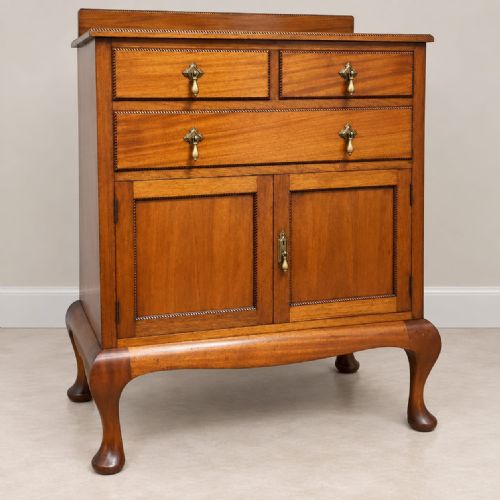
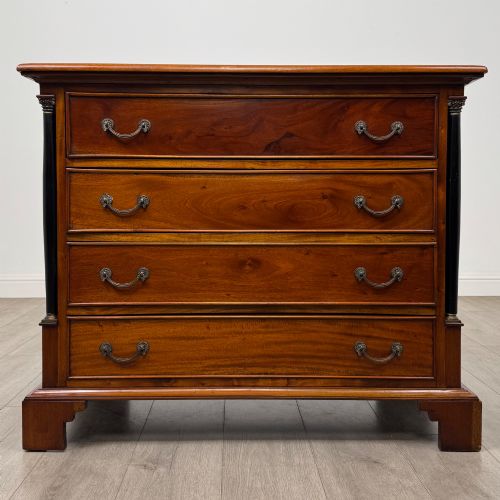
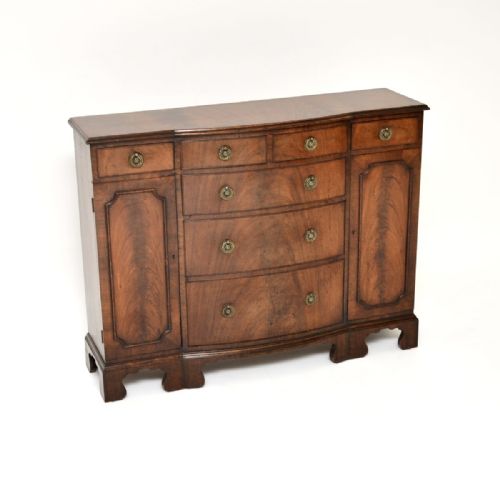
Vintage Mahogany Storage Cabinet
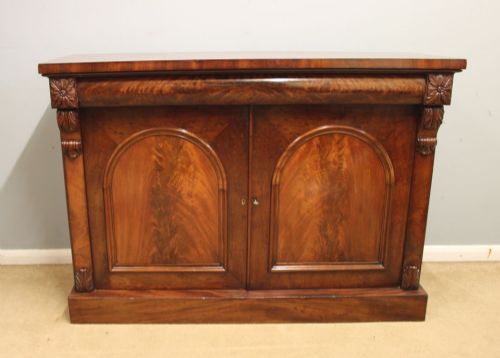
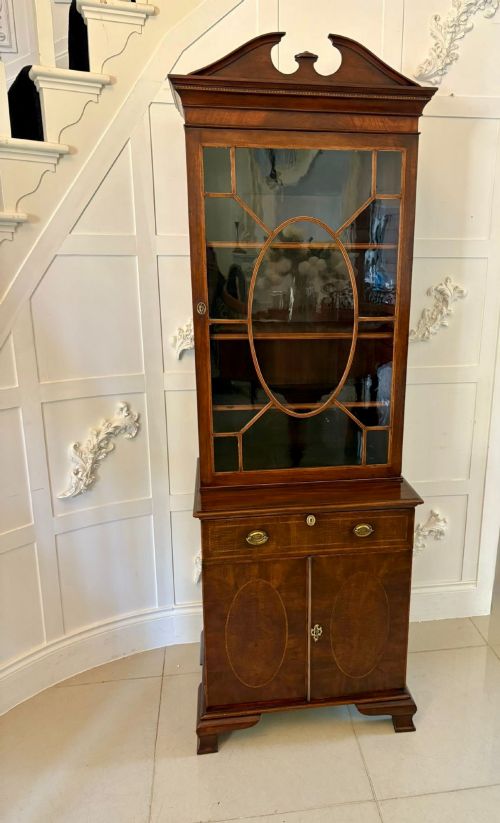
A vintage mahogany storage cabinet brings deep timber grain and functional interior depth to a room, offering robust storage disguised in classical forms.
Vintage Mahogany Storage Cabinet
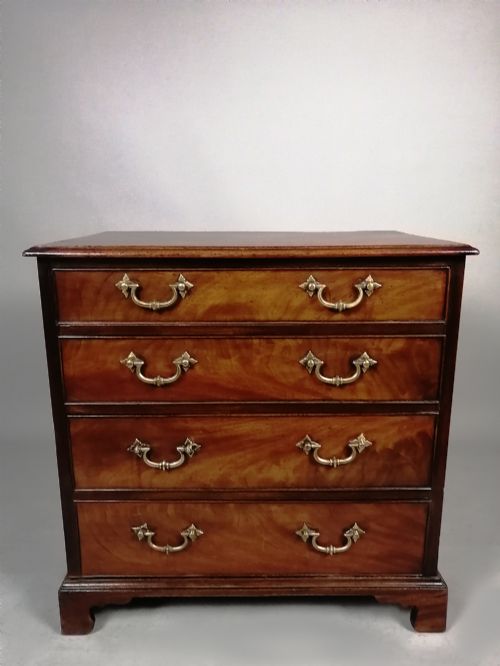
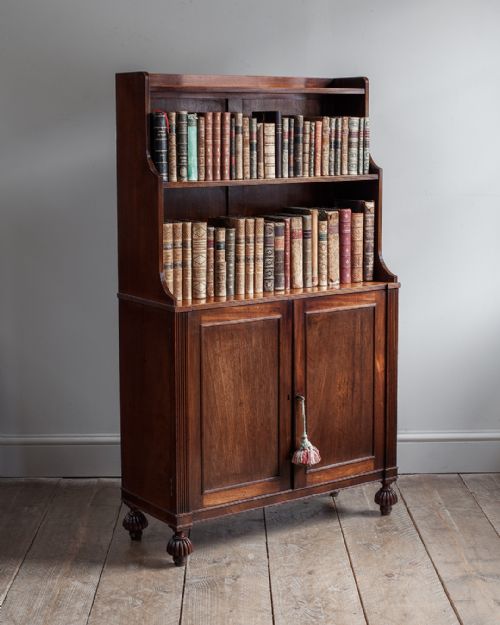
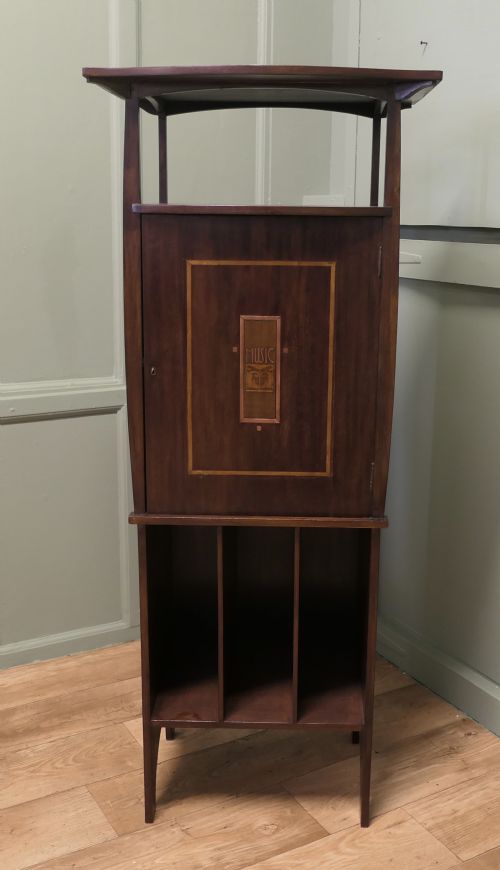
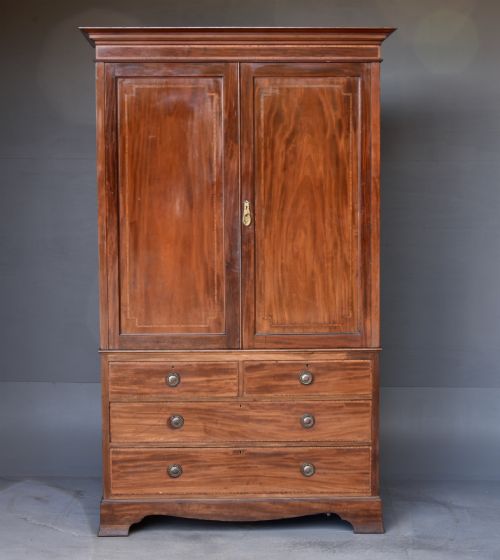
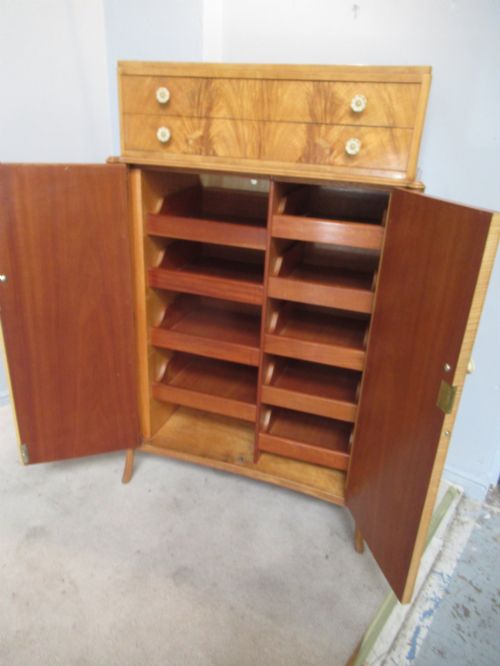
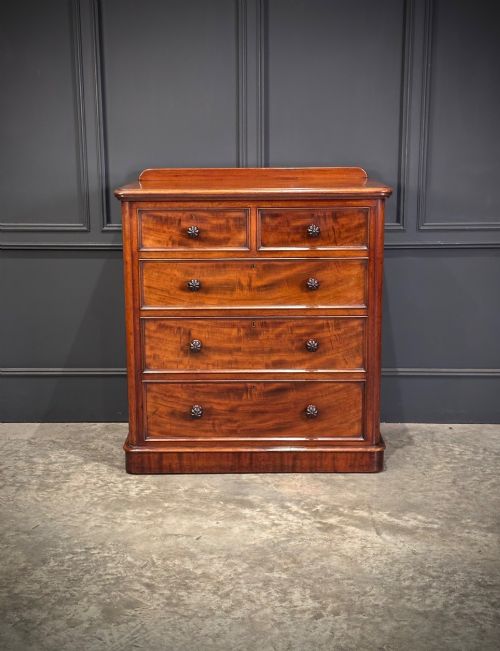
A vintage mahogany storage cabinet covers a broad sweep of domestic furniture designed to hold linens, books, music sheets, or clothing while anchoring a room with dark timber. These pieces range from Georgian chests of drawers and Regency side cabinets to Edwardian music cabinets and tallboys.
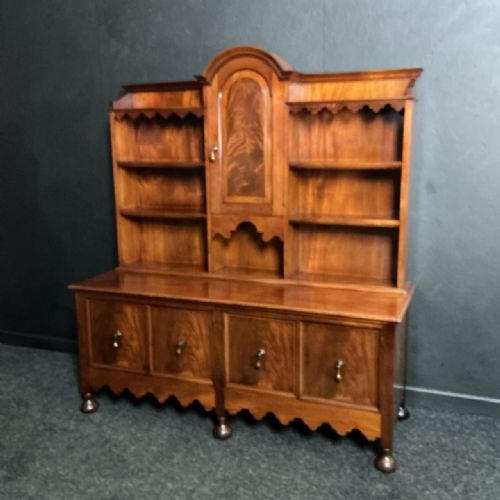
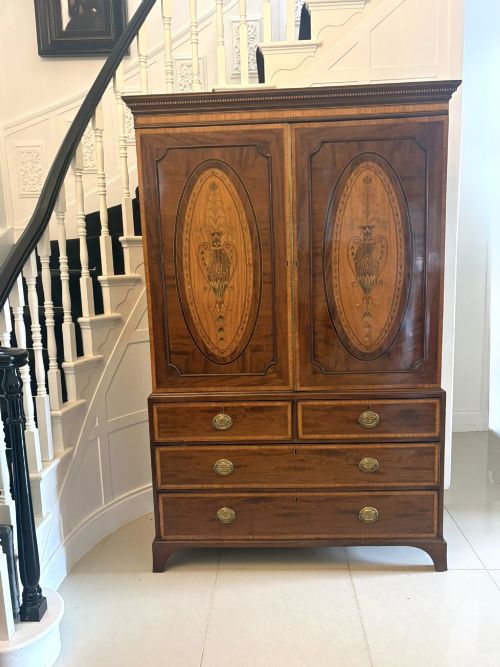
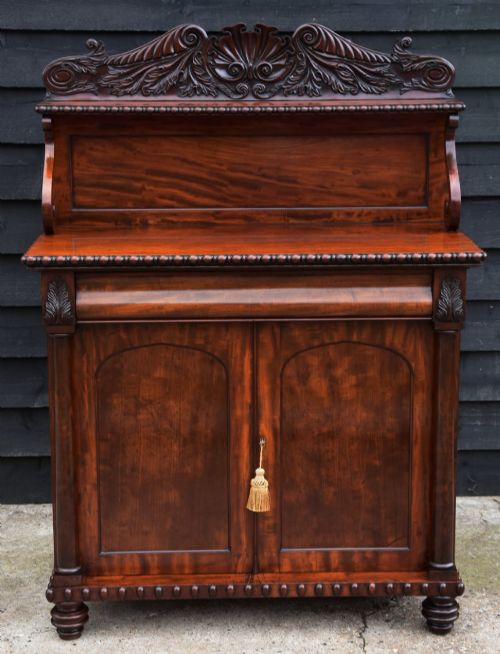
The versions most commonly met on this page date from the Edwardian era and the early twentieth century, though nineteenth-century pieces and Georgian examples appear frequently. They take many forms, including bowfront cupboards, linen presses, chiffoniers, and breakfront sideboards.
Makers utilised dense timbers and functional interior compartments to create pieces that served specific domestic needs in bedrooms, libraries, and drawing rooms. Buyers seek them out for their combination of generous capacity and disciplined proportion.
How they were made
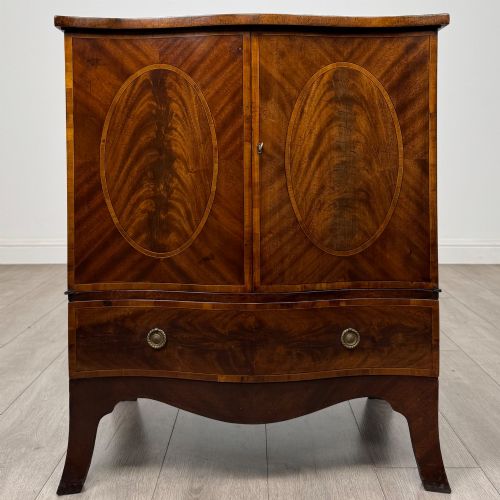
Makers built these cabinets using solid mahogany and flame mahogany veneer applied to secondary woods, often accentuating the primary timber with satinwood inlay. Glass doors, marble tops, and brass handles or lock escutcheons complete the construction.
Cabinetmakers employed techniques such as dovetailing for drawer construction and curved sawing for bowfront and serpentine forms. Joinery focused on structural endurance, ensuring that heavy timber doors and deep drawers operated smoothly over decades of daily use.
Vintage Mahogany Storage Cabinet Retail Price Guide 2026
Typical asking prices for vintage mahogany storage cabinet among the pieces listed under this phrase on Sellingantiques today, from the lower quarter to the upper quarter. They describe what is for sale here now, not the wider market.
Several cabinets were specifically engineered to house sheet music or heavy wine bottles, proving that past generations took their hobbies very seriously indeed.
What varies in quality
Quality rests in the choice of timber figure, such as richly grained flame mahogany veneer, and the crispness of inlaid satinwood stringing. Superior examples display balanced proportions, fine dovetailing, and original brass hardware that sits correctly in the wood.
The refinement of architectural details, including moulded cornice tops, carved bracket feet, and properly fitted internal shelving or linen slides, separates standard utility furniture from pieces of high workshop origin.
GM Elwood for JS Henry·maples & co·Denby & Spinks
The Vintage Mahogany Storage Cabinet Glossary
- Flame mahogany
- A veneer figure characterised by a flame-like or feather pattern created by slicing through burls or fork branches of the tree. This decorative grain was prized for drawer fronts and cabinet doors.
- Bowfront
- A convex, outwardly curved front on a chest of drawers or sideboard. This curved form requires specialist woodworking skill to shape solid timber or bend veneer.
- Linen press
- A tall cupboard featuring upper sliding trays or shelves for storing household linen and lower drawers for garments. They often display panelled doors and substantial cornice moulding.
- Chiffonier
- A low sideboard or cabinet developed in the nineteenth century, typically featuring a shelf or back-tier on top. They provide enclosed cupboard storage for dining or living rooms.
- Tallboy
- A tall chest of drawers consisting of one chest stacked upon another to maximise vertical storage. They are narrow in footprint and elevated on short legs or feet.
Vintage Mahogany Storage Cabinet: Frequently Asked Questions
How do I choose the right cabinet size?
Measure the floor space and ceiling height of your room carefully before selecting a piece. Taller items like tallboys and wardrobes require substantial wall clearance, whereas bedside chests and small cupboards fit into tighter corners.
Consider the internal depth needed for your specific storage items, such as books, linens, or clothing. Drawers and shelves vary significantly between Georgian, Victorian, and Edwardian examples.
Where should I place my cabinet?
Mahogany storage cabinets suit bedrooms, living rooms, and hallways where their dark timber tones can anchor the interior scheme. Keep them away from direct sunlight and strong heat sources to protect the wood and veneer finish.
Ensure the room humidity remains relatively stable to prevent the solid timber and drawer runners from binding or warping over time.
How do I care for mahogany furniture?
Dust the surfaces regularly with a soft, dry cloth to prevent grit accumulation on the polished wood. Avoid silicone-based polishes, opting instead for traditional beeswax applied sparingly when the timber appears dry.
Check brass hardware and drawer pulls periodically, tightening screws gently if they loosen with atmospheric changes.
How do I tell Edwardian pieces apart from Georgian ones?
Georgian cabinets often display heavier structural mass, hand-cut dovetails, and understated timber selection or subtle stringing. Edwardian and early twentieth-century pieces frequently utilise lighter framing, machine-sawn elements, and occasional revival styling.
Examine the backboards, drawer linings, and secondary woods inside the cabinet, as these construction details reveal the manufacturing period.