



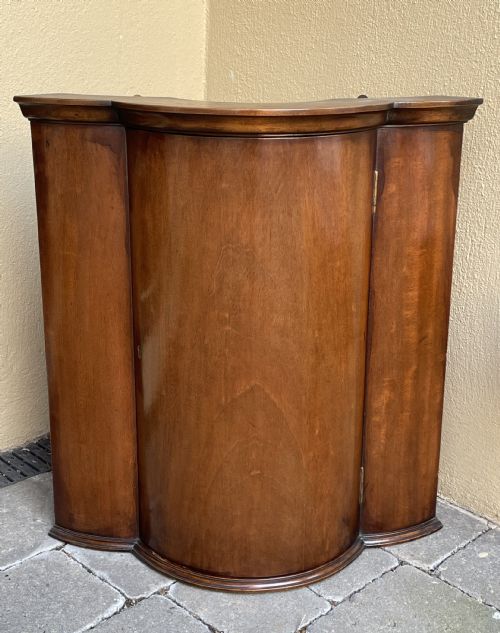
Antique Wooden Corner Unit
An antique wooden corner unit solves the perennial problem of dead space while offering handsome timber and period craftsmanship.
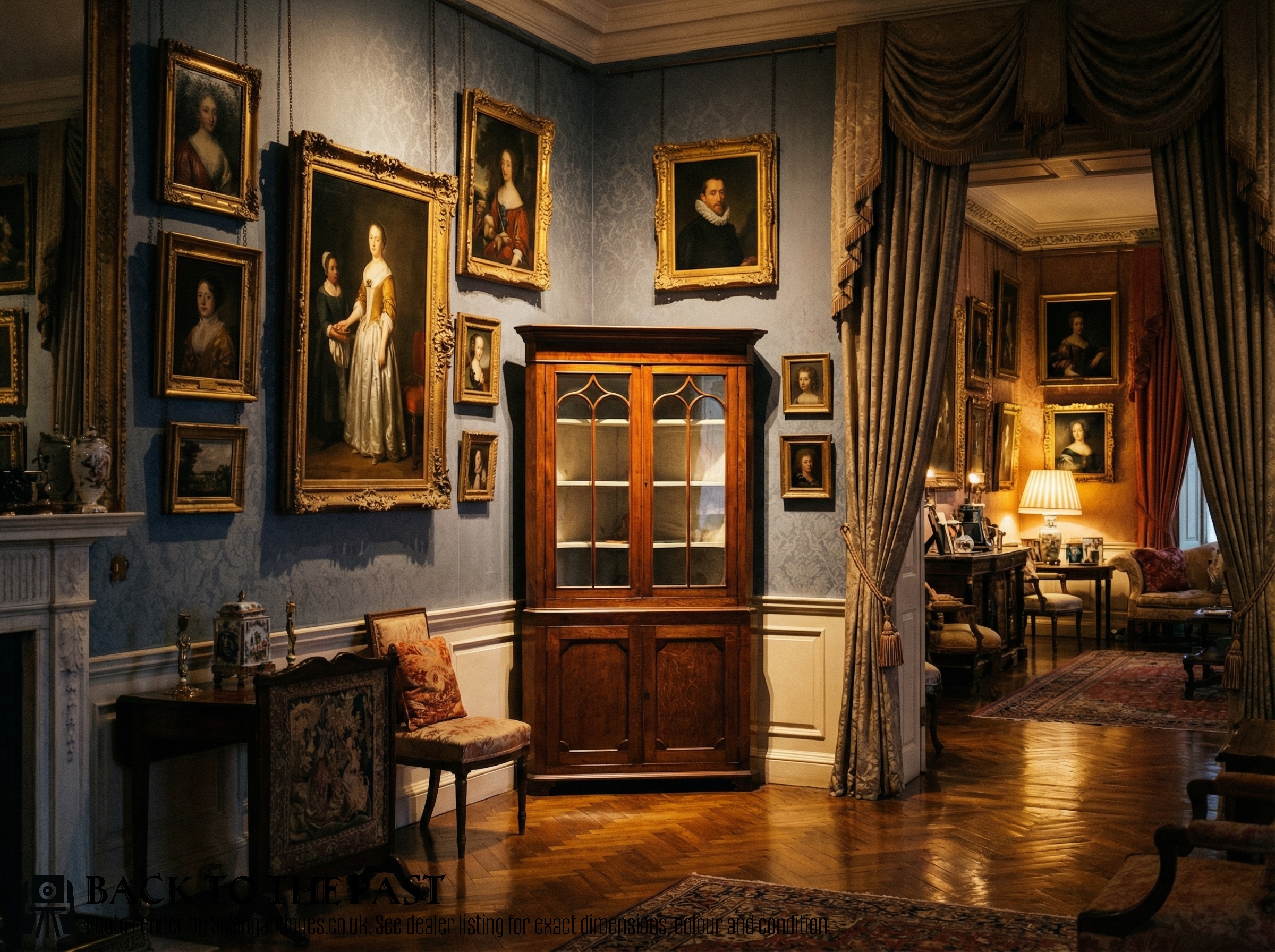
Antique Wooden Corner Unit
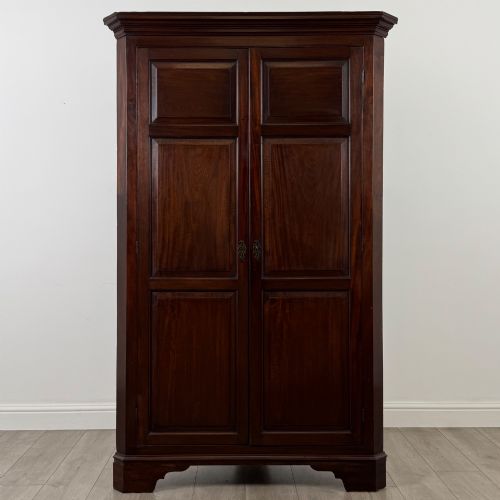
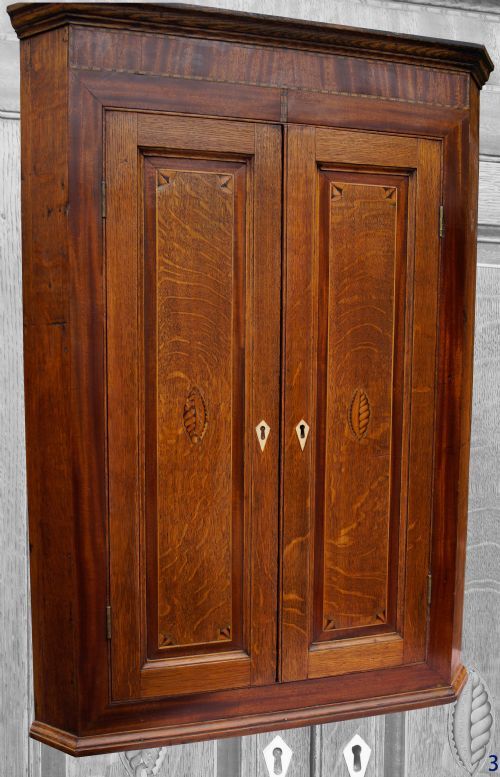
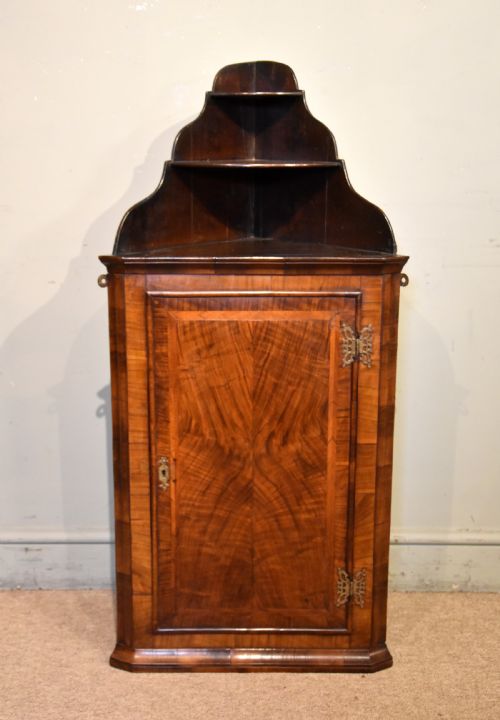
An antique wooden corner unit provides a practical solution for utilising awkward room junctions by combining storage and display. When you explore this selection of antique wooden corner unit options, you encounter formats ranging from hanging wall cupboards to tall floor standing cabinets.
The pieces span several centuries of design, with Georgian and 19th Century examples forming the backbone of the selection. Oak and mahogany dominate the offerings, appearing in both wall mounted and freestanding configurations.
How they were made
Cabinet makers relied primarily on solid oak and mahogany, frequently enhanced by secondary timbers such as pine or walnut. Workshops employed traditional joinery to construct the angled frames required to fit snugly against intersecting walls.
Surface decoration involved careful polishing of the wood grain, occasionally augmented by boxwood inlay or painted finishes. Glazed doors and brass hardware complete the construction of the finer surviving examples.
Antique Wooden Corner Unit Retail Price Guide 2026
Typical asking prices for wooden corner unit among the pieces listed under this phrase on Sellingantiques today, from the lower quarter to the upper quarter. They describe what is for sale here now, not the wider market.
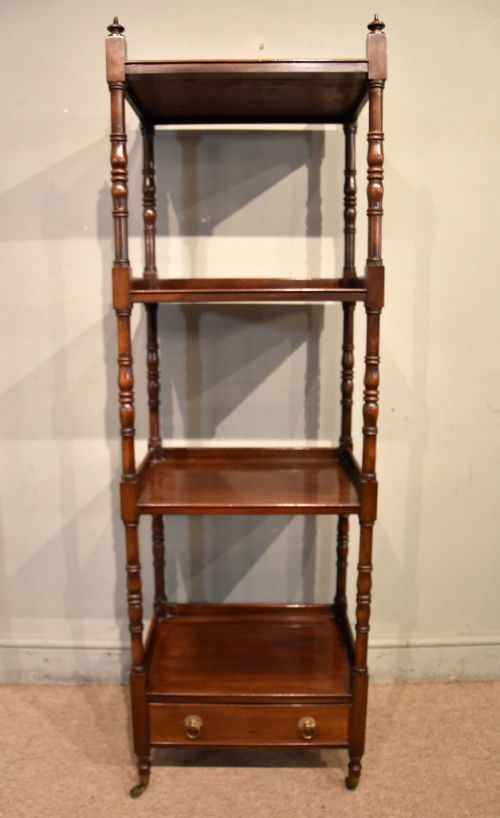
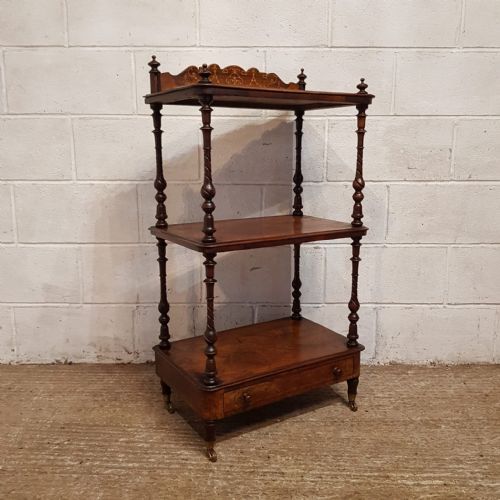
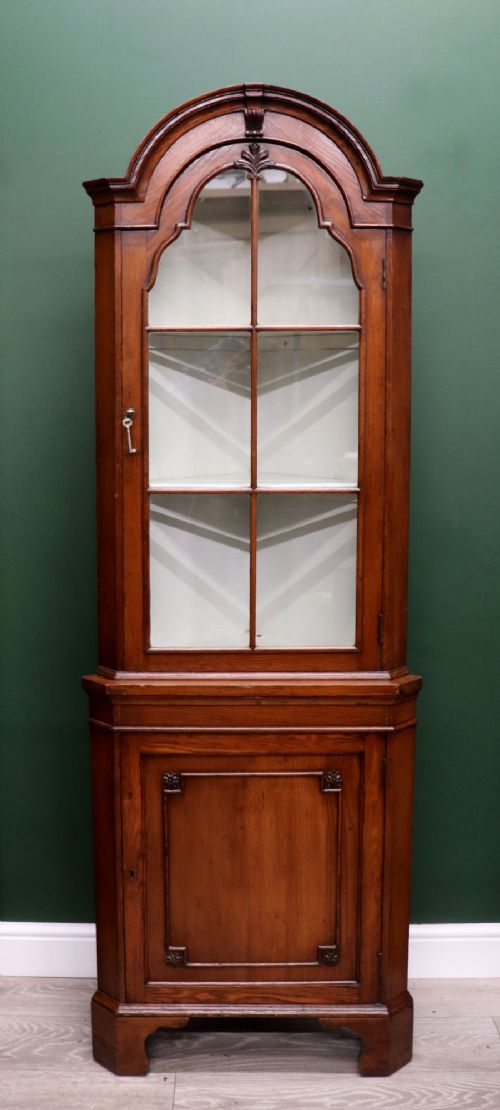
Formats range from closed floor-standing cupboards to open tiered whatnots and glass-fronted display cabinets.
What varies in quality
The distinction between standard utility pieces and finer examples rests on timber selection and decorative restraint. Pieces featuring figured veneers, such as burr walnut or birdseye maple, indicate a higher grade of craftsmanship.
The Antique Wooden Corner Unit Glossary
- Bow front
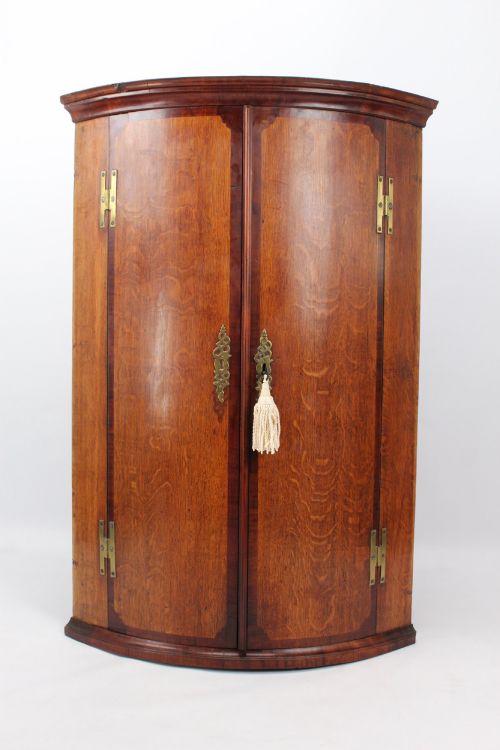
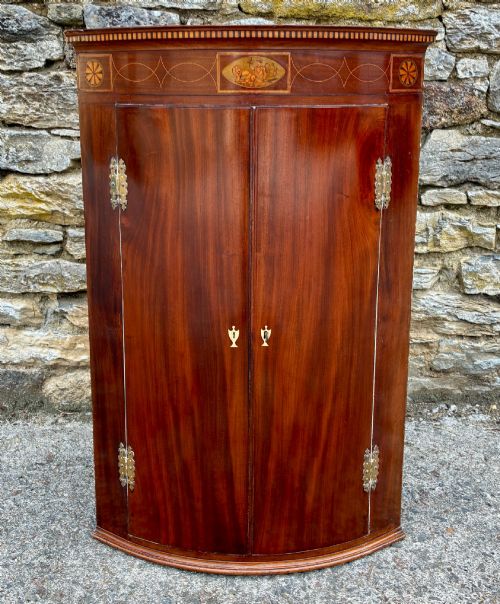
- A curved convex front profile that projects outward, frequently seen on Georgian cupboards. This shape softens the angular geometry inherent in furniture designed for room corners.
- Whatnot
- An open set of tiered shelves used for displaying ornaments or books. These freestanding or wall-mounted units gained popularity during the 19th century.
- Pediment
- The decorative architectural structure surmounting the top of a cabinet. Elaborate versions such as the broken arch add height and formality to taller pieces.
- Inlay
- A technique where contrasting materials like boxwood are embedded into the timber surface to create patterns. It adds visual interest to mahogany and walnut surfaces.
- Biedermeier
- A Central European style characterised by utilitarian comfort and clean lines without excessive ornamentation. Pieces from this tradition focus on the natural beauty of the wood grain.
Antique Wooden Corner Unit: Frequently Asked Questions
How do I install a wall-mounted corner cupboard?
Hanging cabinets require secure fixing directly into masonry or structural wall studs to bear the weight of the timber and its contents. Most period examples feature internal fixing points drilled through the back stiles.
Ensure the unit sits level across both adjoining walls before tightening the fixings permanently. Professional installation is advisable for heavier hardwood pieces.
How do I care for antique mahogany and oak?
Maintain timber surfaces by dusting regularly with a soft, dry cloth and avoiding silicone-based polishes. Apply a quality beeswax occasionally to nourish the wood and preserve the lustre.
Keep pieces away from direct heat sources and strong sunlight to prevent the timber from warping or fading. Stable indoor humidity levels protect both the wood and historic joinery.
Are these units suitable for modern rooms?
These pieces excel in contemporary interiors by transforming neglected room junctions into focal points. Their compact footprint provides useful storage without dominating floor space.
Tall floor standing variants work well in dining rooms or hallways, while smaller wall cabinets suit kitchens or compact living areas.