


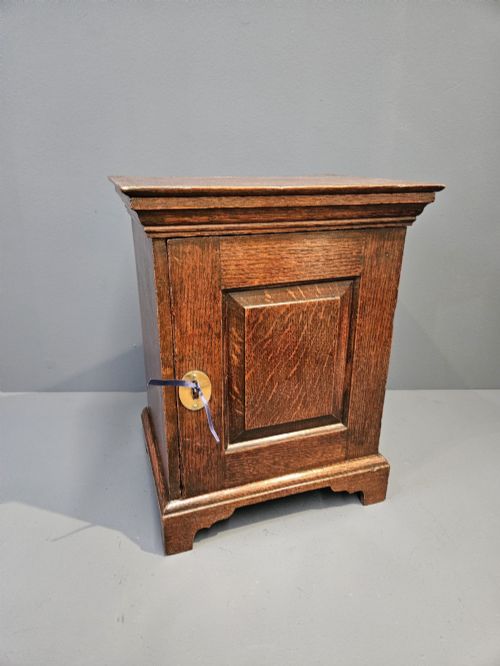
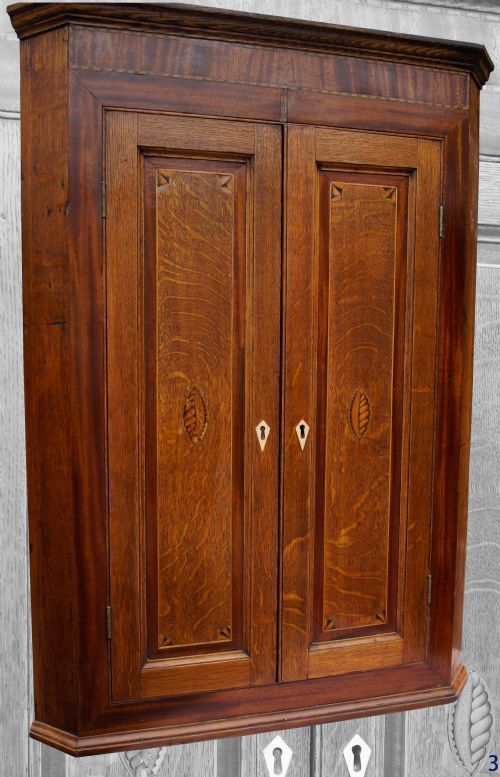
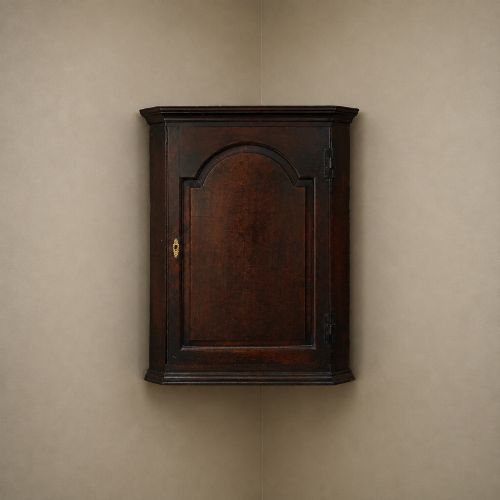
Dark Oak Wall Cabinet
A dark oak wall cabinet brings robust timber and period utility to any room, and these pieces offer compact storage with centuries of character.
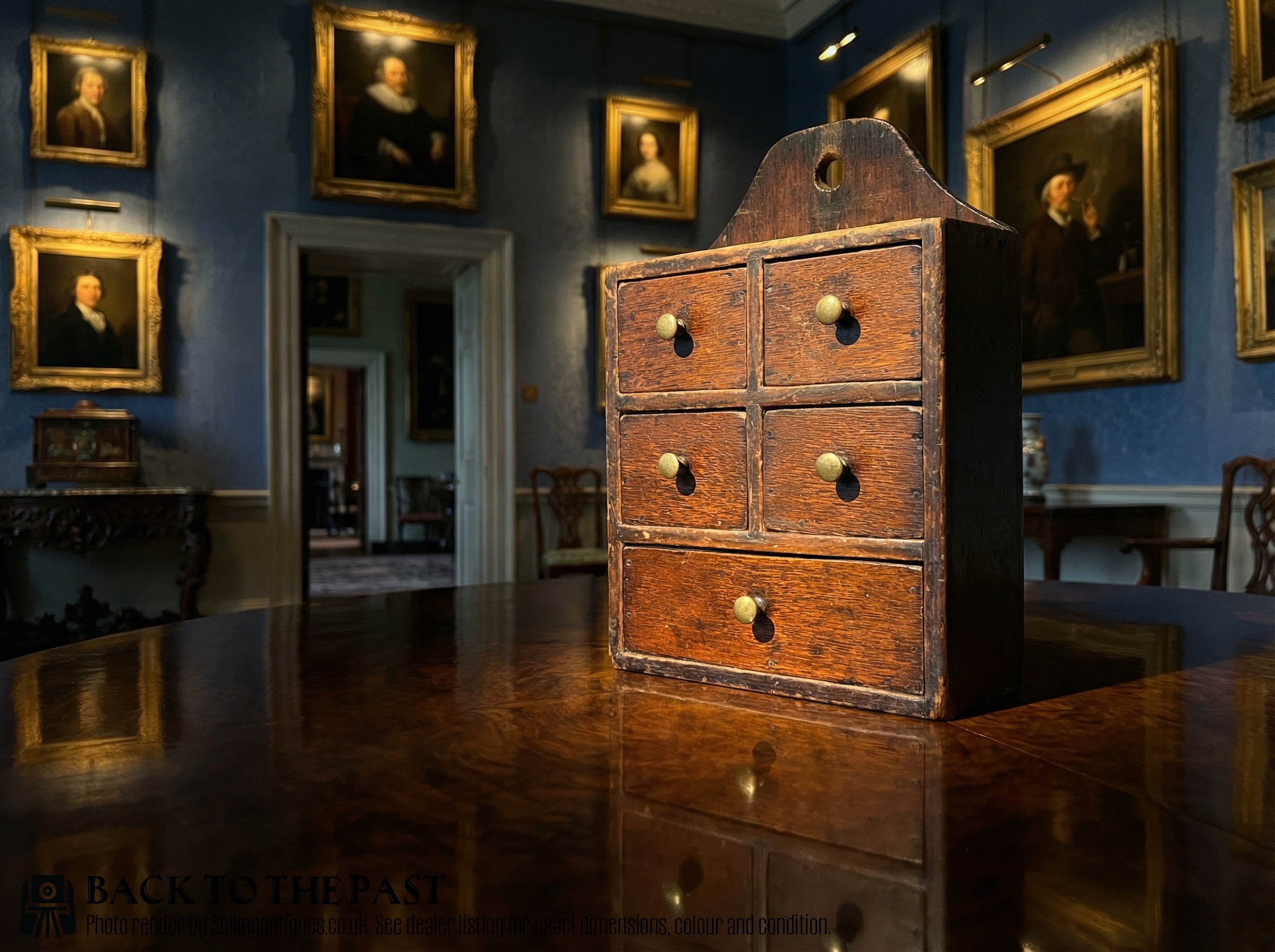
Dark Oak Wall Cabinet
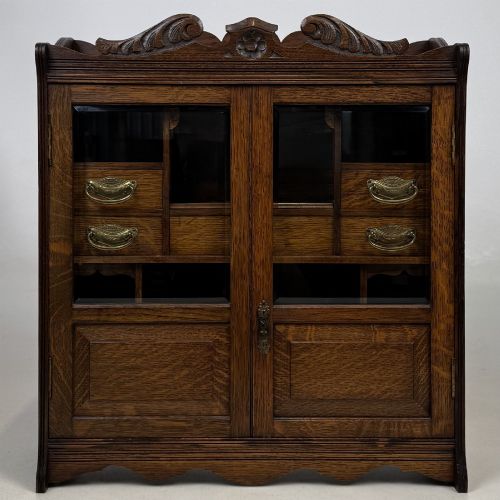
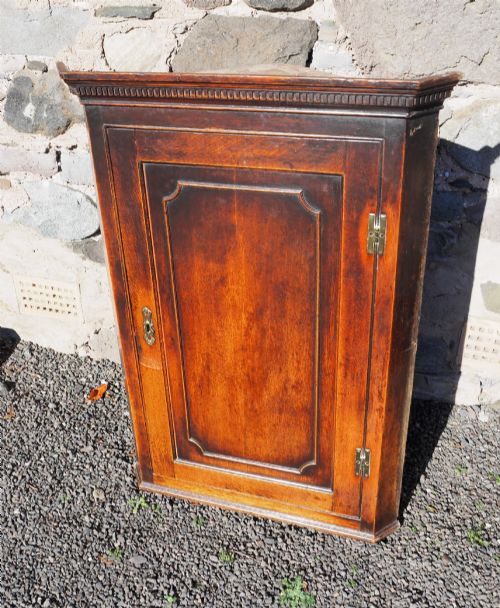
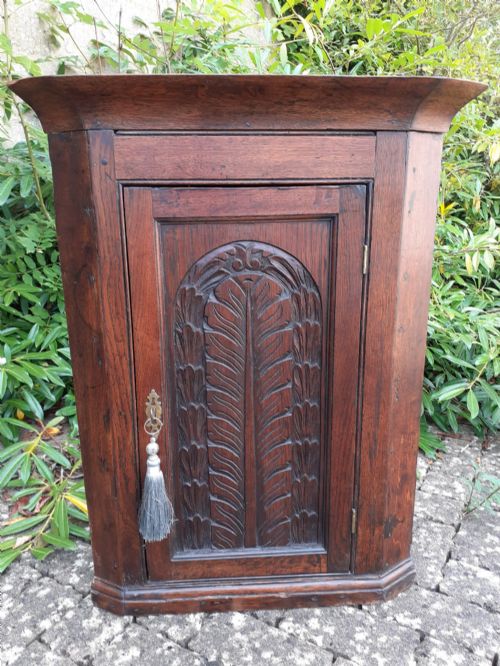
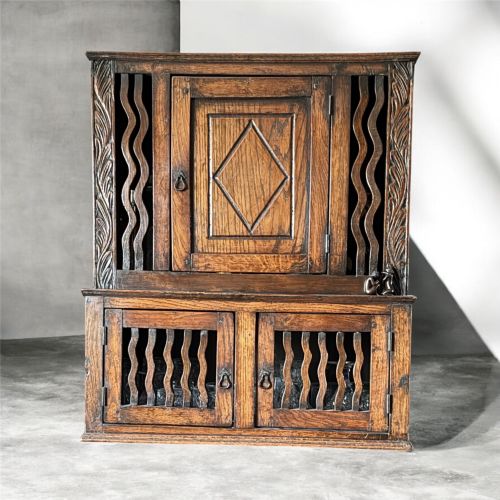
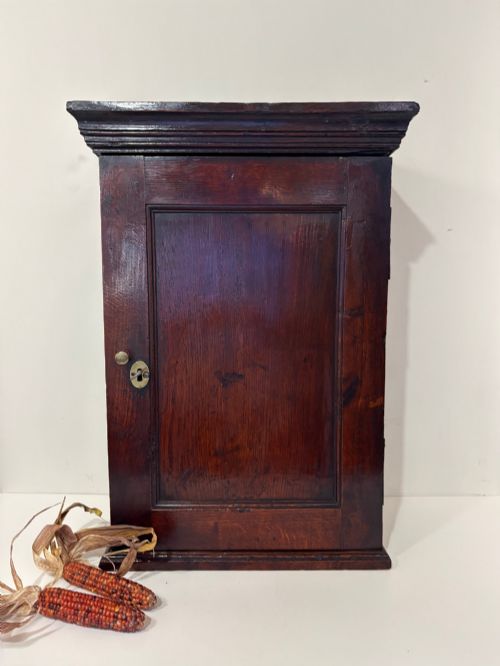
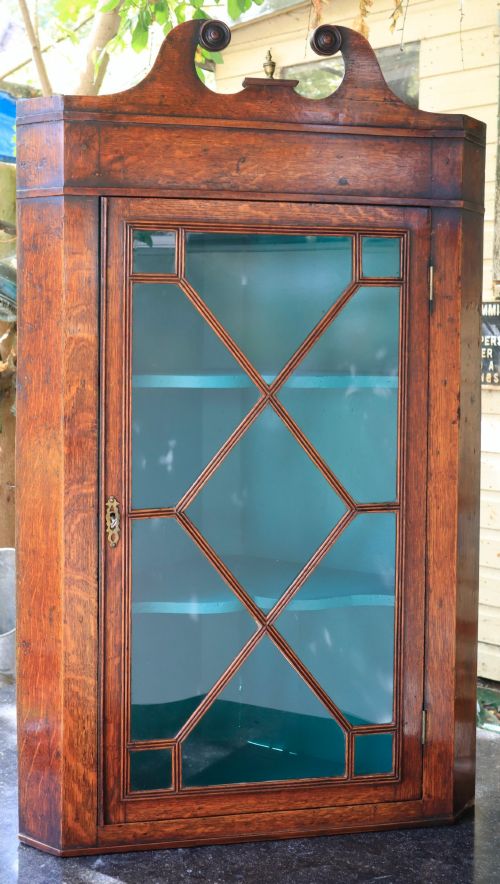
When searching for a dark oak wall cabinet, buyers encounter hanging cupboards, corner cupboards, and spice cupboards originating from the seventeenth, eighteenth, and nineteenth centuries. These pieces mount directly to walls to save floor space, often featuring panelled doors and enclosed shelving.
The selection here draws heavily on Georgian and Victorian examples, alongside French provincial pieces and country furniture. Most pieces serve specific storage roles, from holding small kitchen spices to displaying glassware in corners.
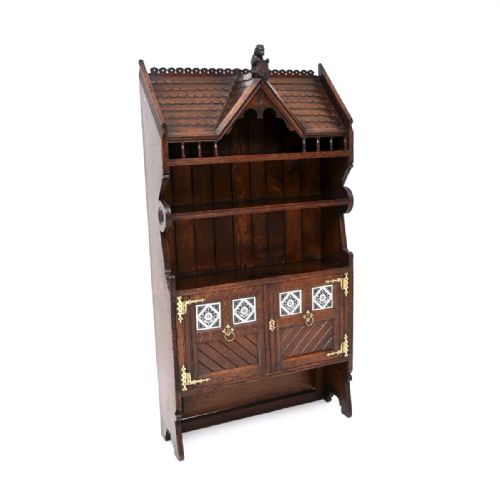
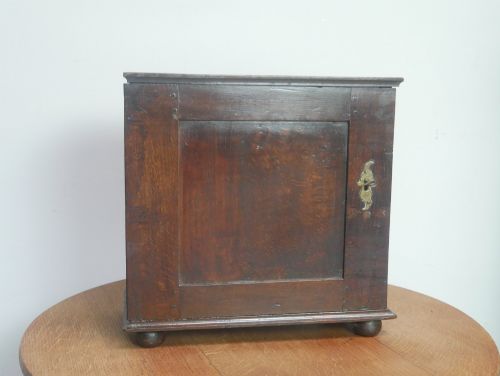
Forms range from simple flat-front wall boxes to bow-front corner units and architectural styles incorporating Gothic panels. Oak dominates the construction, sometimes paired with secondary timbers like pine or accented with brass hardware.
How they were made
Cabinet makers relied primarily on solid oak, utilising pine as a secondary wood for internal backs and shelves. Joinery typically involved pegged mortise and tenon frames, ensuring structural rigidity for pieces that hang unsupported on walls.
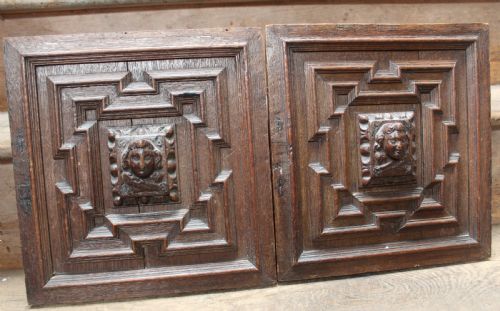
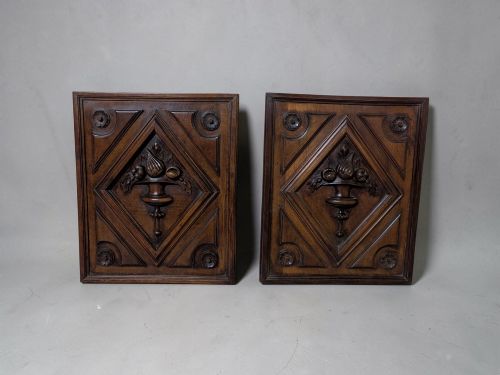
Surface decoration relies on carving, panel moulding, and wood inlay rather than applied veneers. Brass hinges and latches provide functional contrast to the dark timber, while glass panels appear in later glazed display variants.
Dark Oak Wall Cabinet Retail Price Guide 2026
Typical asking prices for dark oak wall cabinet among the pieces listed under this phrase on Sellingantiques today, from the lower quarter to the upper quarter. They describe what is for sale here now, not the wider market.
Listings feature oak cabinets spanning the seventeenth, eighteenth, and nineteenth centuries, alongside regional variants in pine, mahogany, and wrought iron.
What varies in quality
Distinction across these cabinets lies in the depth of hand-carving, the crispness of panel mouldings, and the integrity of the original timber. Early seventeenth and eighteenth-century examples display robust panel construction and hand-planed surfaces that contrast with mass-produced later joinery.
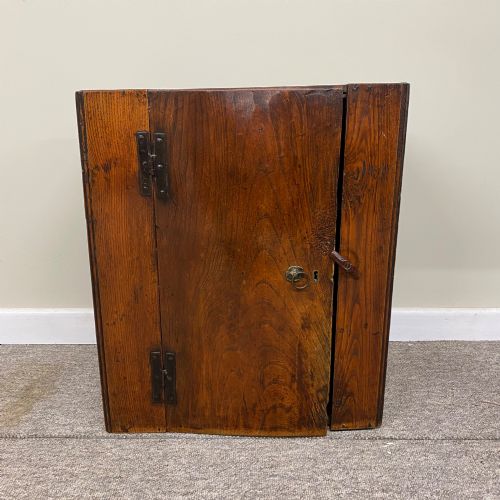
Hardware integrity also separates standard utility boxes from finer domestic pieces. Original brass H-hinges, working locks with period keys, and undisturbed patination on the dark oak elevate a piece above altered or heavily restored alternatives.
John Moyr Smith
The Dark Oak Wall Cabinet Glossary
- Spice cupboard
- A small wall-mounted storage box traditionally used for keeping culinary spices and herbs secure. These frequently feature small internal drawers behind a single panelled door.
- Bow front
- A convex curved cabinet front that projects outward from the corners. This design adds visual weight and interior capacity to corner cupboards.
- H-hinge
- A wrought iron or brass hinge shaped like the capital letter H, surface-mounted onto early cabinet doors. They are typical of seventeenth and eighteenth-century vernacular joinery.
- Gothic Revival
- A nineteenth-century design style incorporating medieval architectural motifs such as pointed arches and trefoil panels. Cabinets in this style adapt church ornamentation for domestic storage.
Dark Oak Wall Cabinet: Frequently Asked Questions
How do I hang a heavy oak wall cabinet?
Wall-mounted oak cabinets require secure fixing directly into masonry or wall studs due to the substantial weight of old timber. Using appropriate internal brackets or reinforced backboards ensures the piece remains safely supported.
Professional installation is advisable for larger seventeenth and eighteenth-century cupboards. Distributing the weight prevents strain on historic joints and historical fixings.
What is the difference between a corner cabinet and a wall cupboard?
Corner cabinets are specifically engineered with angled sides to fit snugly into room junctions. Wall cupboards feature flat backs designed for continuous flat wall surfaces.
Both types utilise hanging brackets or screw holes through the internal backboards. Their internal shelving layouts differ to accommodate their respective spatial geometries.
How should I clean dark oak furniture?
Maintain dark oak surfaces by dusting regularly with a dry, soft cloth. Avoid silicone-based polishes that build up residue and dull the historic finish.
Occasional application of traditional beeswax nourishes the dry timber and preserves the natural patina. Keep cabinets away from direct heat sources and strong sunlight to prevent wood splitting.
Are these cabinets made of solid oak?
The primary exterior structures and doors consist of solid oak timber. Secondary woods such as pine occasionally appear on internal drawer linings and backboards.
Construction methods reflect the period of origin, utilising hand-sawn boards and pegged joinery. Examining the interior reveals the timber composition and historic tool marks.
How can I date an antique oak cabinet?
Dating relies on construction techniques, hinge types, and stylistic indicators such as raised panels or carved motifs. Seventeenth-century examples typically show rugged pegged joinery and hand- cleft boards, whereas Victorian pieces employ tighter machine-sawn tolerances.
Hardware styles provide further chronological clues, as wrought iron giving way to cast brass marks the transition into the Georgian and Victorian eras.