


Antique Wall Hanging Cupboard
An antique wall hanging cupboard saves valuable floor space while storing precious domestic items at eye level.
Antique Wall Hanging Cupboard
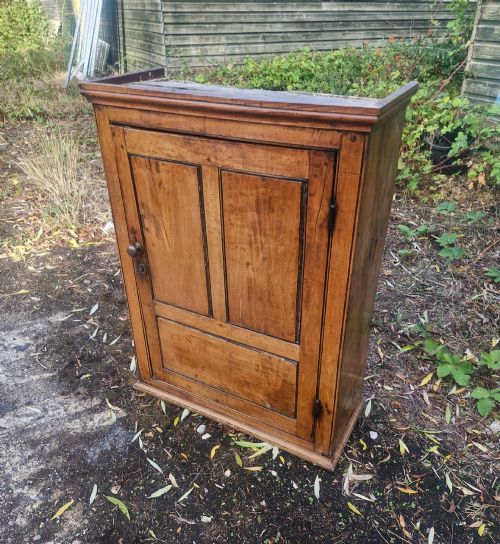
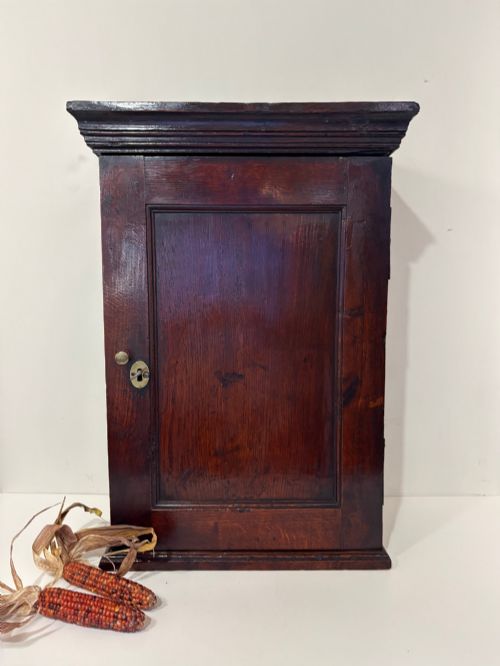
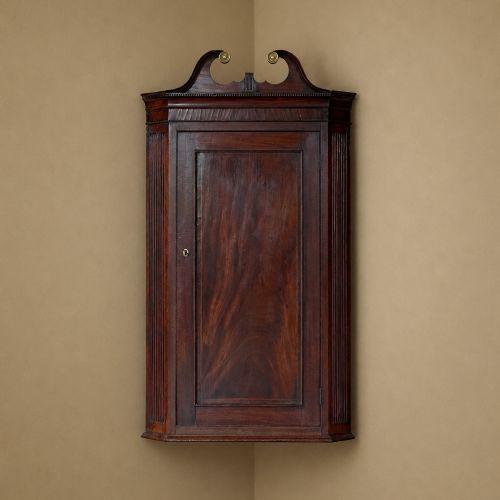
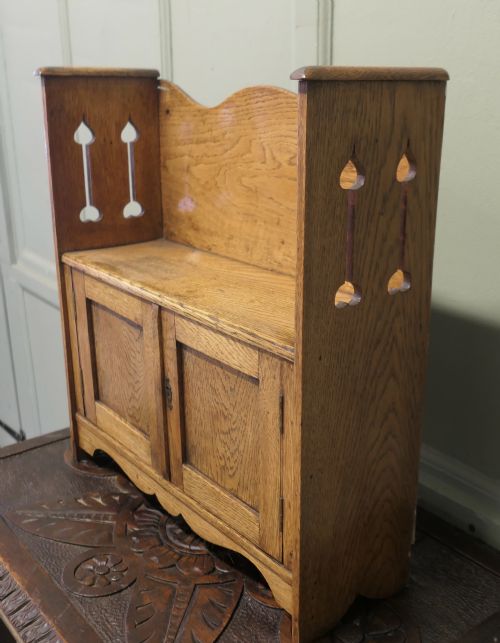
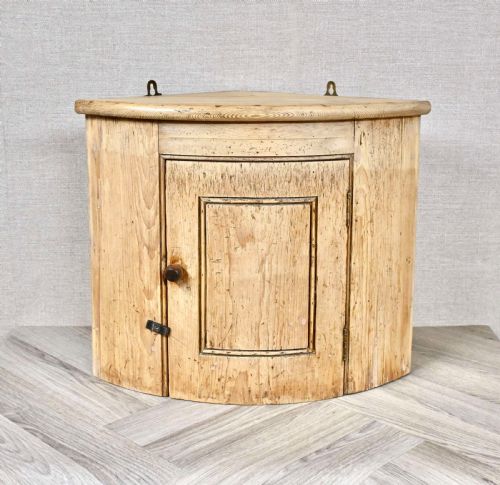
When seeking an antique wall hanging cupboard, buyers encounter compact storage solutions designed to utilise vertical room in domestic spaces. The selection ranges from flat wall-mounted cabinets to wedge-shaped corner cupboards built to fit snugly into room angles.
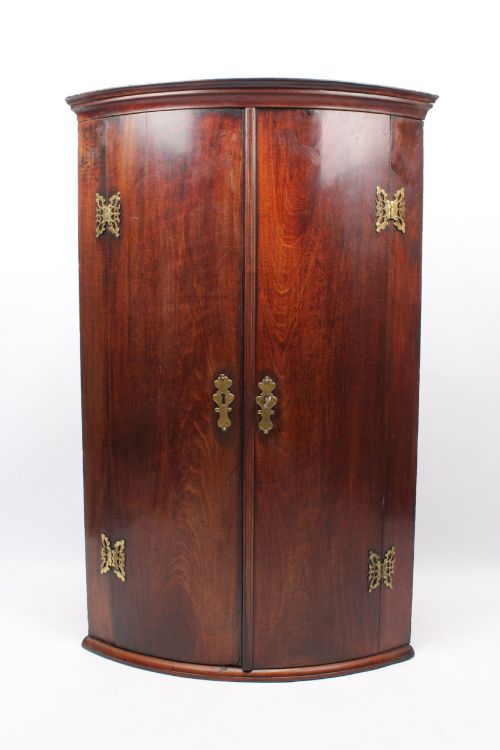
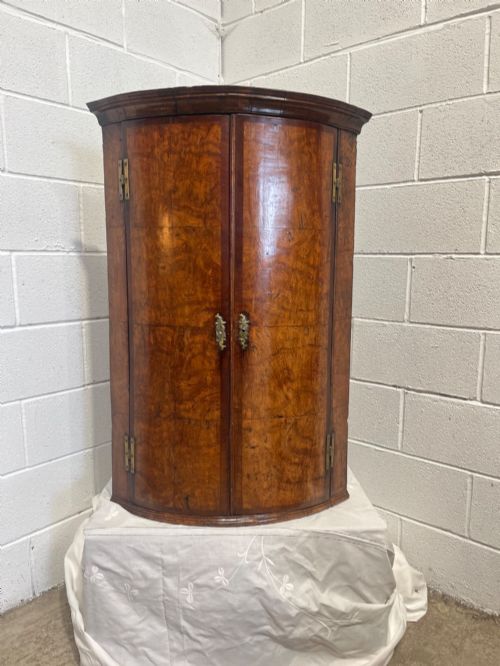
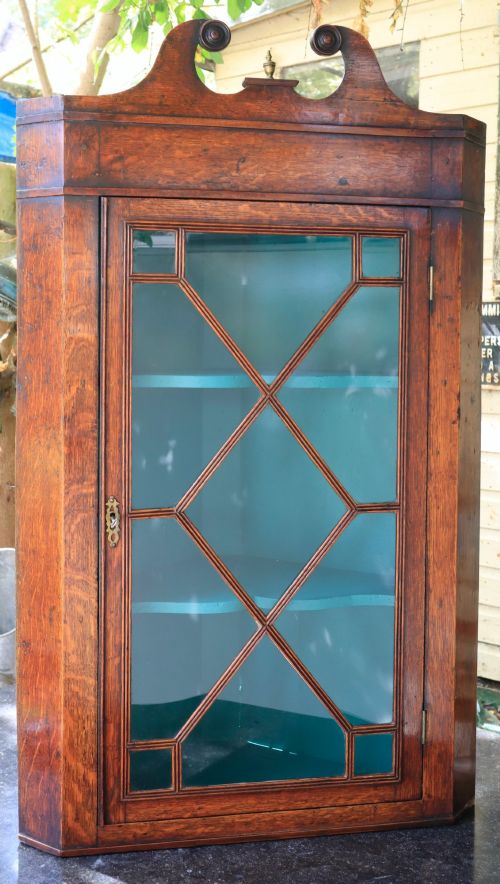
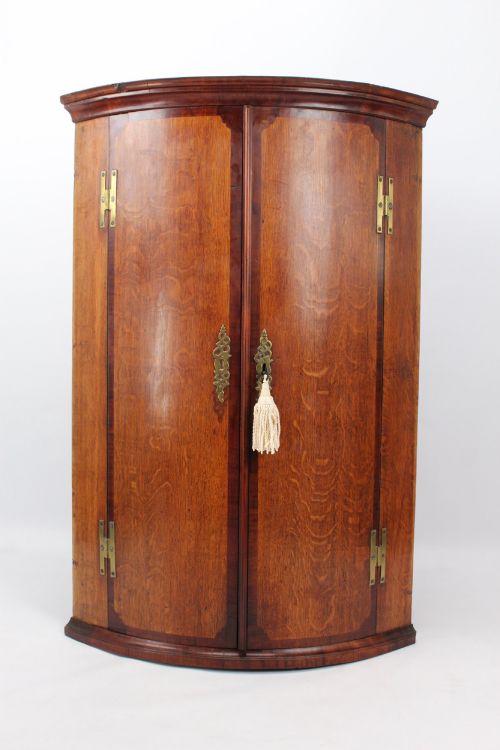
The version most commonly met on this page is the Georgian mahogany or oak corner cupboard, frequently featuring a bow front. These pieces bridge utilitarian needs and decorative display, serving as storage for spices, drinks, or valued ceramics.
Origins stretch from rural farmhouses to urban parlours, reflecting domestic habits across the eighteenth and nineteenth centuries. Alongside standard square or rectangular wall cabinets, smaller spice cupboards and glazed display units appear across the inventory.
Materials and Construction
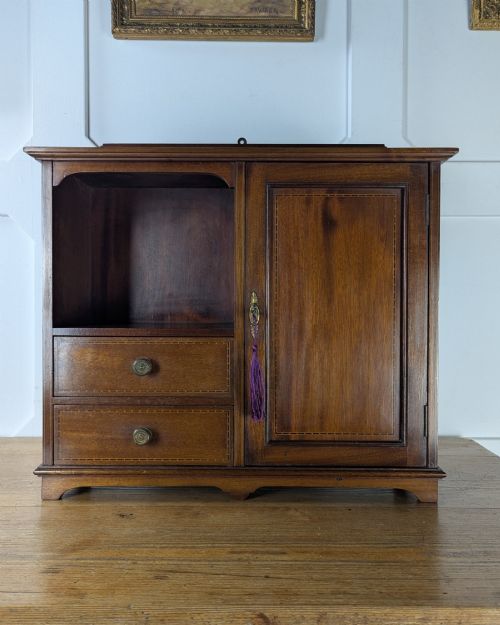
Makers relied primarily on native timbers such as oak, mahogany, and pine, often enhancing surfaces with walnut veneers, satinwood inlay, or cross-banding. Structural integrity depended on traditional joinery like dovetailed corners and pegged joints designed to support the weight of the cabinet against a wall.
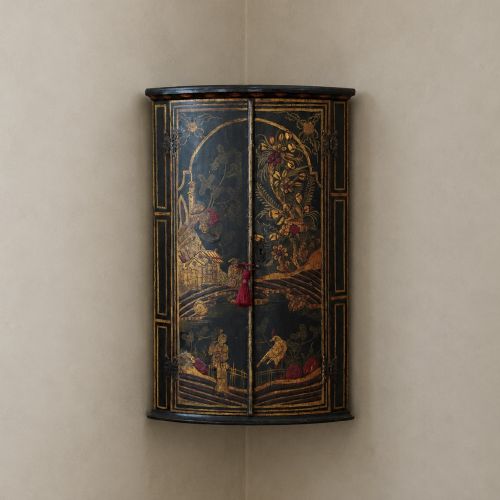
Surface treatments varied from clear wax finishes highlighting natural grain patterns to japanned chinoiserie lacquer and painted schemes. Brass hardware, including H-hinges, escutcheons, and working keys, provided both functional security and decorative contrast to the timber.
Antique Wall Hanging Cupboard Retail Price Guide 2026
Typical asking prices for wall hanging cupboard among the pieces listed under this phrase on Sellingantiques today, from the lower quarter to the upper quarter. They describe what is for sale here now, not the wider market.
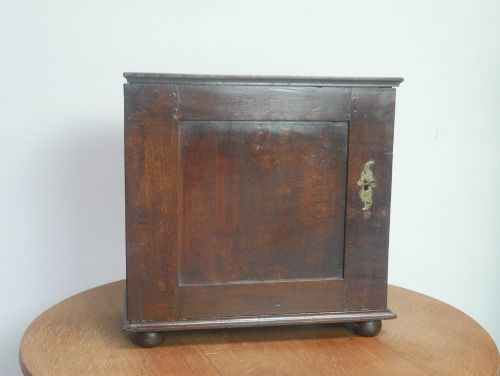
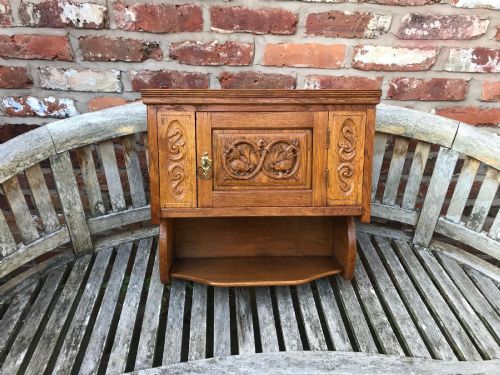
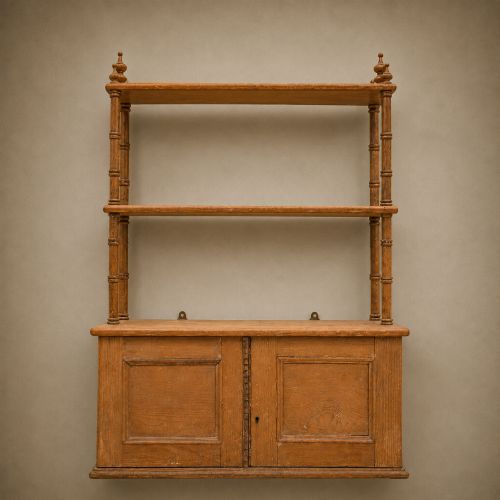
The inventory records cabinet forms ranging from utilitarian spice boxes and open wall shelves to glazed display units and bow-fronted corner cupboards.
Evaluating the Pieces
Quality separates examples by the selection of figured timbers, such as plum pudding mahogany or burr oak, chosen for rich visual depth. Superior construction shows in the precision of inlaid details, finely cut dovetails, and the retention of original glass panes and brass fittings.
Proportion and cabinetmaker artistry dictate distinction, where balanced cornices and harmonious door panels elevate a utilitarian storage box into a refined interior furnishing.
The Antique Wall Hanging Cupboard Glossary
- Bow front
- A cabinet front curved outward in a convex shape, popular during the Georgian period to soften sharp room angles. This contour adds visual depth and demands advanced woodworking skill to match the curved shelves inside.
- Japanned
- European imitation of East Asian lacquering, featuring raised gilt figures and scenes on a dark background. Artisans built up layers of varnish to achieve a glossy, decorative surface.
- Cross-banding
- A border technique where thin strips of veneer are applied to the edges of a panel so the grain runs perpendicular to the central wood. It frames the primary timber and demonstrates cabinetmaking precision.
- Astragal glazed
- Glass cabinet doors divided into smaller panes by narrow wooden bars called glazing bars. This technique secured smaller pieces of glass before large sheets were readily manufactured.
- Spice cupboard
- A small wall-mounted cabinet containing multiple internal drawers designed for storing culinary herbs and spices. These diminutive pieces often date to the early eighteenth century or before.
Antique Wall Hanging Cupboard: Frequently Asked Questions
How were antique wall cupboards mounted?
These cabinets relied on sturdy internal fixing points, often utilising heavy brass brackets or direct screw fixings through the backboards into wall studs. Because eighteenth and nineteenth-century walls varied in construction, installation required careful alignment to bear the weight of stored contents safely.
Many surviving pieces retain their original hanging brackets or reinforced mounting rails at the top and bottom interior edges. Ensuring secure wall attachment remains essential when living with these heavy timber cabinets today.
What is a corner cupboard used for?
Corner cupboards originally served to utilise unused domestic angles for storing fine ceramics, glassware, or household provisions out of the way of daily foot traffic. Their triangular footprints allowed them to maximise storage capacity without protruding into main living spaces.
Over subsequent generations, many homeowners repurposed these cabinets as drinks cupboards or display spaces for treasured ornaments. Their enclosed shelving keeps contents protected from dust while presenting an attractive focal point in a room.
How do I date a wall hanging cupboard?
Dating relies on examining construction techniques, timber choices, and hardware styles across different stylistic periods. Eighteenth-century pieces frequently feature solid oak or early mahogany with hand-cut dovetails and wrought iron hinges, whereas Victorian examples often incorporate machine-sawn elements and pine carcases.
Stylistic markers also help narrow the timeline, such as the distinct geometric paneling of seventeenth-century work compared to the delicate stringing and oval inlays of the George III era. Evaluating secondary woods inside drawers provides further clues to a piece's geographical origin and age.
Are these cabinets suitable for small rooms?
Wall hanging cupboards provide excellent storage solutions for compact interiors because they occupy zero floor space. Hanging a cabinet at eye level draws the gaze upward while freeing up the floor area underneath for other furniture.
Corner models prove especially effective in small rooms by utilising awkward junctions that standard furniture cannot easily inhabit. Their shallow projection ensures they do not overwhelm narrow hallways or modest dining spaces.