

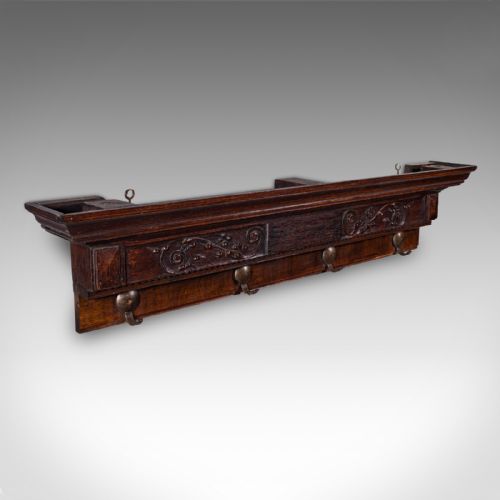
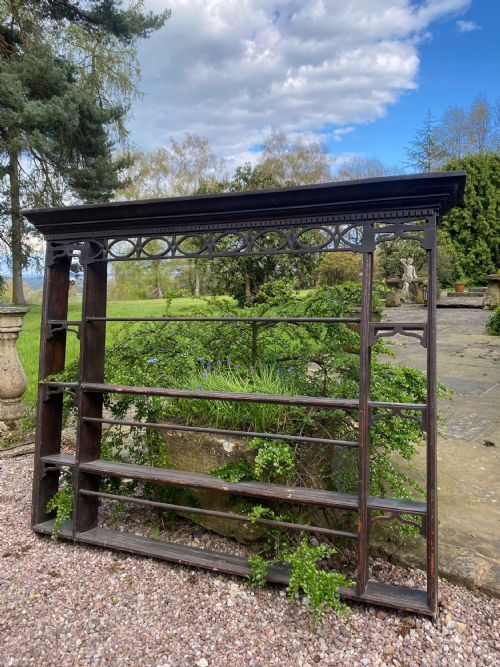
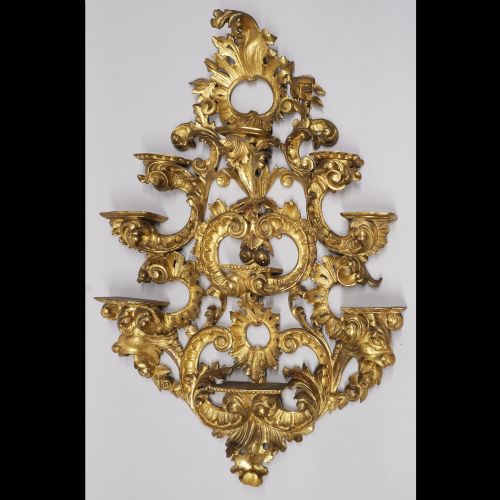
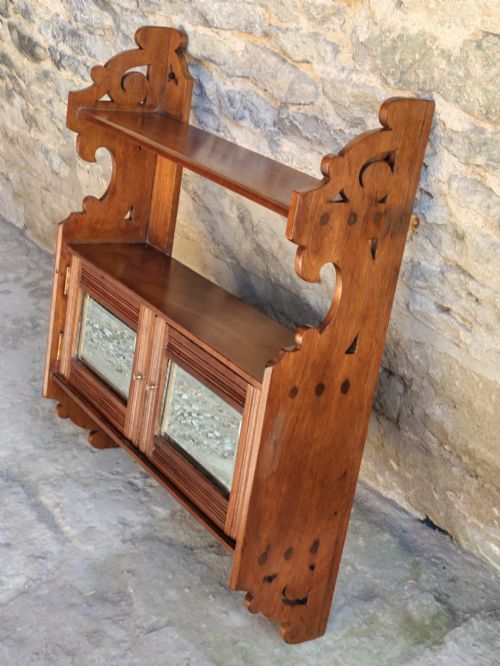


Carved Wood Wall Shelf
Carved wood wall shelf pieces bring historic character to interiors, offering practical display surfaces shaped by centuries of craftsmanship.
Carved Wood Wall Shelf
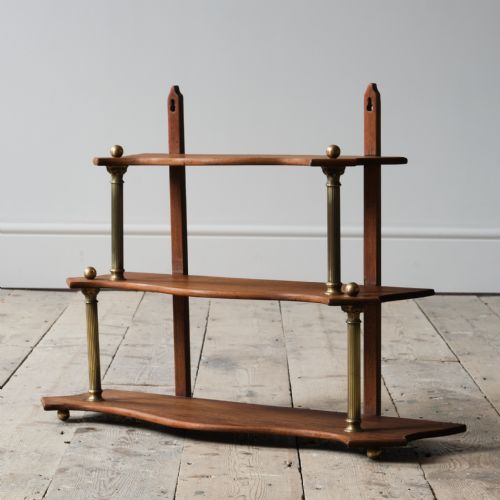
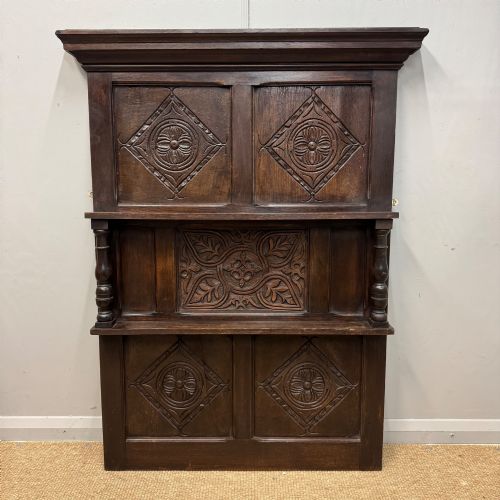
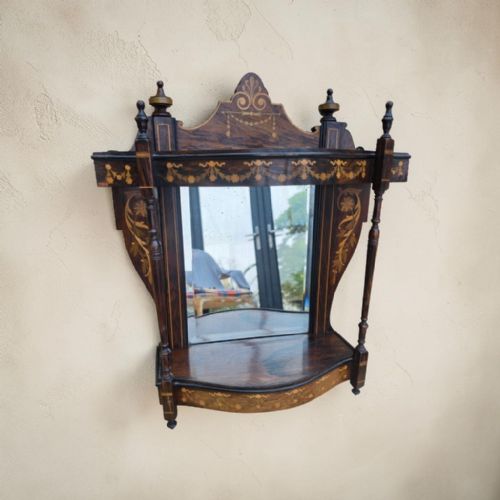
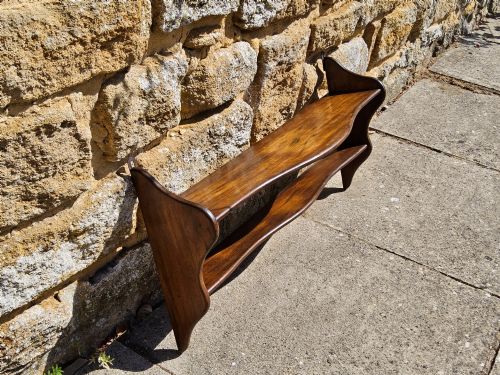
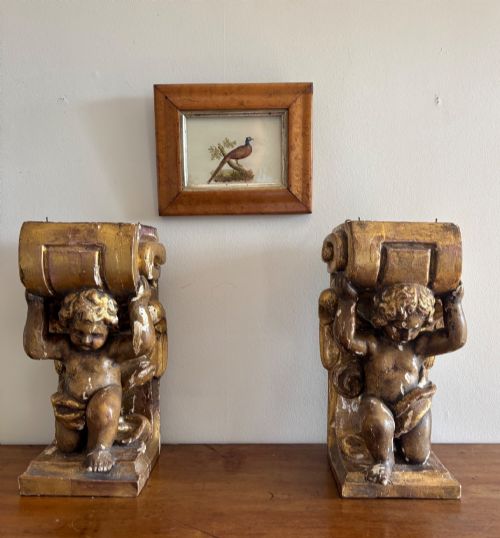
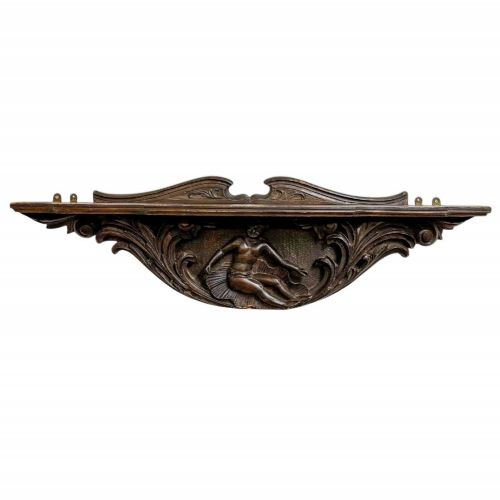
A carved wood wall shelf provides an architectural display surface designed to mount directly onto vertical wall spaces. When exploring this selection, buyers encounter formats ranging from simple hanging tiers to ornate display brackets, console tables, and wall cabinets.
The pieces span multiple centuries and stylistic revivals, with nineteenth-century examples and Victorian designs appearing frequently alongside earlier eighteenth-century items. These functional furnishings often incorporate mirrors, cupboards, or brass hooks alongside their primary wooden platforms.
Origins stretch across English workshops, French ateliers, and Italian carvers, offering diverse regional interpretations of domestic display. Whether housing books, plates, or decorative objects, these wall fixtures combine utility with sculptural presence.
Materials and construction methods
Cabinetmakers utilised a variety of dense hardwoods including mahogany, walnut, oak, and rosewood to ensure structural stability for wall mounting. These timbers were frequently carved, turned, or inlaid with contrasting woods to create intricate surface enrichment.
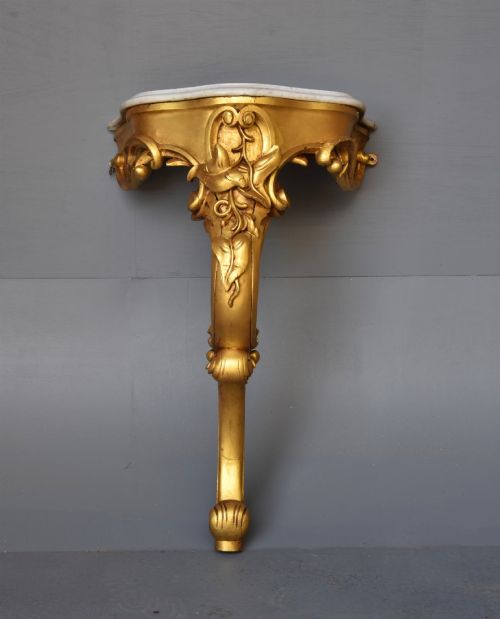
Giltwood and gesso applications appear on decorative brackets and consoles, applying metallic leaf over prepared plaster grounds to achieve brilliant reflective surfaces. Brass elements, mirrored glass, and painted highlights frequently complement the primary wooden structures.
Victorian hallways once demanded specialised wall furniture, ensuring guests had decorative wooden ledges ready to receive visiting calling cards.
Quality variations in carved shelves
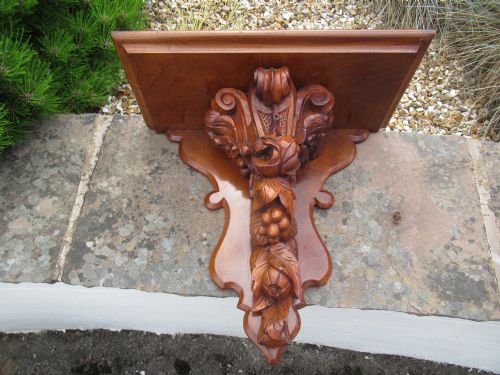
The distinction between ordinary and exceptional pieces lies primarily in the depth, crispness, and artistic ambition of the carving. Hand-chiseled foliage, figurative motifs, and balanced proportions reveal the hand of a skilled artisan rather than mechanical replication.
Material selection and structural integrity further differentiate the range, as dense cabinet timbers retain their joinery and crisp edge details over generations. Superior surfaces show considered finishing, whether polished French polish on mahogany or meticulously applied gold leaf over gesso.
Luigi Frullini·Liberty and Co
The Carved Wood Wall Shelf Glossary
- Gesso
- A plaster-based mixture applied to wood surfaces as a smooth preparation layer for gilding or painting. It provides a crisp base for intricate relief ornament.
- Giltwood
- Timber carved and coated with gold leaf, creating a bright metallic finish popular in baroque and rococo revival interior schemes.
- Corbel
- A structural bracket projecting from a wall to support a weight, often taking ornamental carved forms in wood or stone.
- Overmantel
- A decorative fitting designed to sit directly above a fireplace mantelpiece, frequently incorporating mirrors, shelves, or carved panels.
- Inlay
- A decorative technique where contrasting materials such as lighter woods or brass are inserted into recesses within the solid wood surface.
Carved Wood Wall Shelf: Frequently Asked Questions
How do I hang an antique wall shelf securely?
Antique wall shelves often require appropriate wall anchors and screws suited to the weight of dense hardwoods like mahogany or oak. Fixing directly into wall studs ensures the stability of heavier display brackets and cabinets.
Many older pieces feature integrated hanging loops or brackets on the reverse designed for secure wall attachment. Professional installation is recommended for larger giltwood or mirrored pieces to protect the historic structure.
What rooms suit a wooden wall shelf?
These shelves suit hallways, reception rooms, and bedrooms, where they function as display ledges, key cabinets, or valet surfaces. Smaller hanging tiers work well in compact spaces requiring vertical storage without floor intrusion.
Overmantel formats and larger display cabinets anchor primary living spaces above fireplaces or sideboards. Their varied designs complement traditional interiors as well as eclectic modern rooms.
How do I care for antique carved wood?
Maintain antique wooden surfaces by dusting gently with a dry, soft cloth to prevent particulate accumulation within carved recesses. Avoid chemical polishes and keep pieces away from direct heat sources and strong sunlight.
Occasional application of microcrystalline wax helps nourish traditional polished finishes on timbers like walnut and mahogany. Giltwood surfaces require particular care to prevent damage to fragile metallic leaf layers.
How do I distinguish Victorian from earlier pieces?
Victorian pieces often display robust proportions and draw inspiration from historical revivals like Gothic, Baroque, and Rococo styles. They frequently utilise dense mahogany, walnut, or rosewood alongside machine-assisted manufacturing refinements.
Earlier eighteenth-century items generally exhibit hand-cut joinery methods, lighter structural framing, and simpler patination developed through long use. Stylistic cues such as specific moulding profiles and carved motifs help clarify the period of origin.