
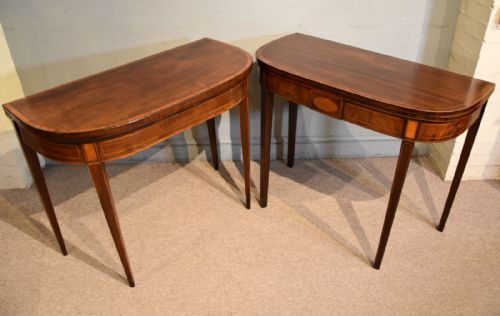
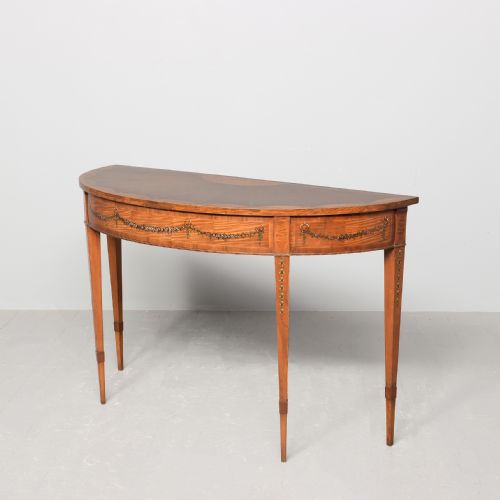


18th Century Style Console
These pieces deliver an 18th century style console to a room, bringing period character and substantial timber surfaces for display.
18th Century Style Console
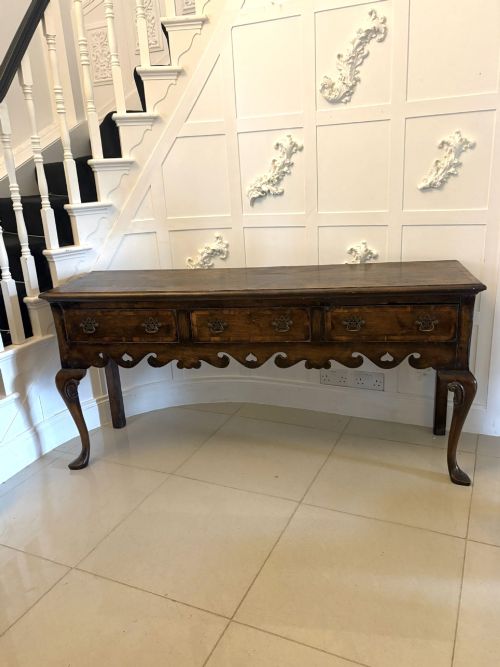
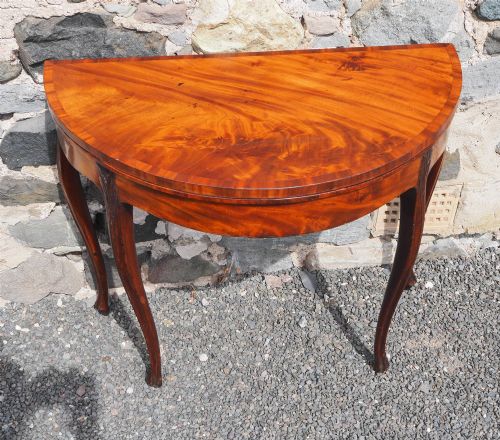
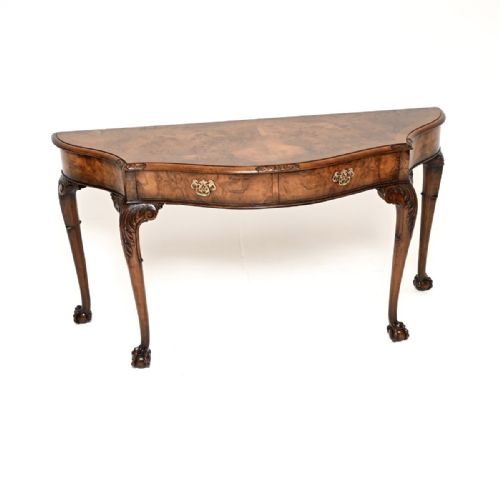
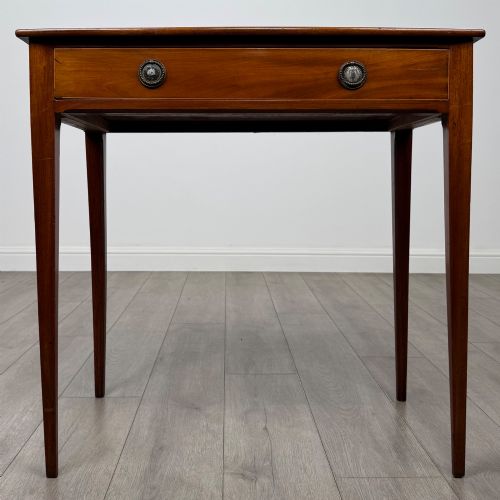
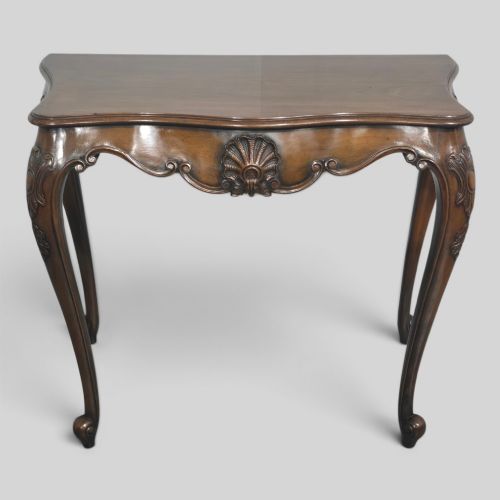
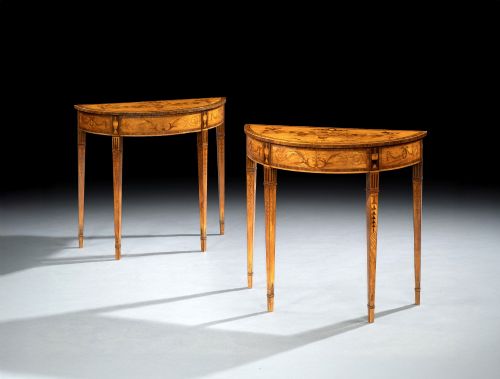
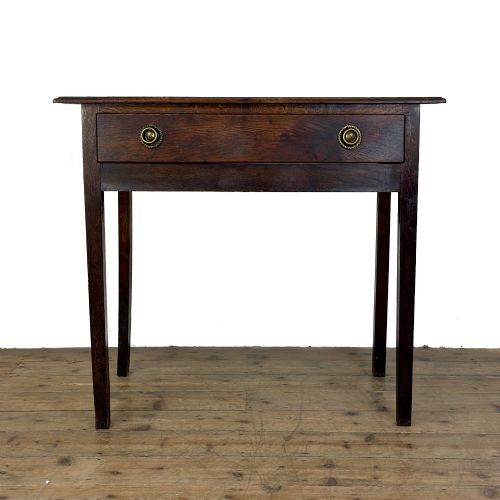
When searching for an 18th century style console, buyers encounter console tables, side tables, card tables, and lowboys that reflect Georgian, Queen Anne, and Neoclassical design. These tables frequently appear in mahogany, walnut, and satinwood, often taking demi-lune, rectangular, or serpentine forms.
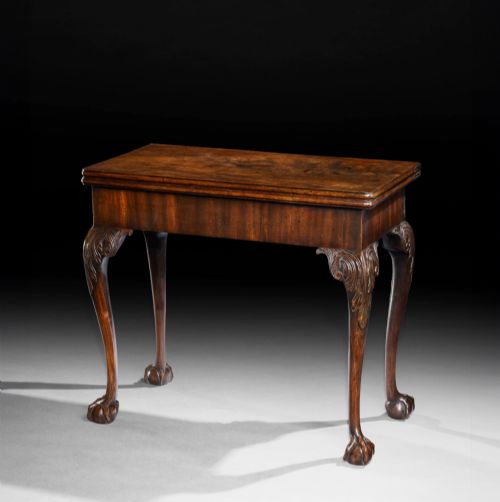
The selection ranges from genuine 18th-century pieces to later reproductions from the nineteenth and twentieth centuries built in historical manners. Pieces often incorporate folding leaves for games or tea, alongside fixed console formats designed to stand against a wall.
Materials and construction
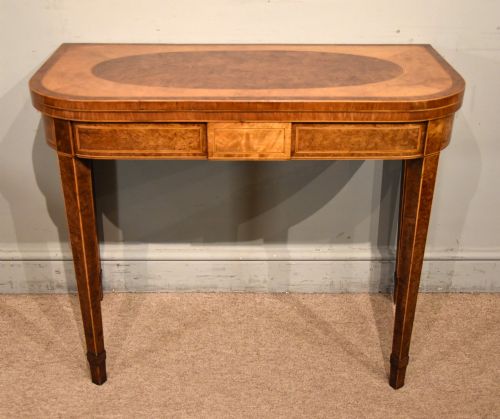
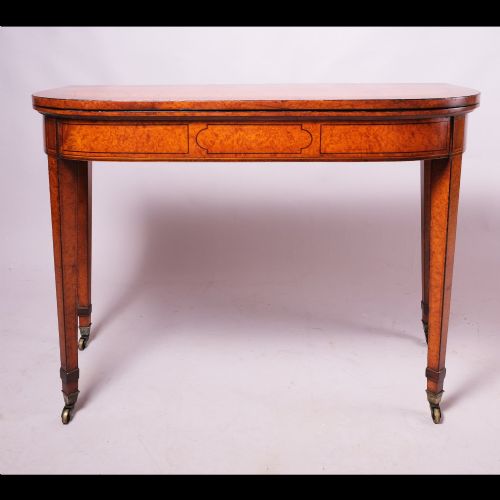
Cabinetmakers utilised dense hardwoods such as mahogany, walnut, and oak for structural frames and primary surfaces. Decorative veneers including burr yew, satinwood, and padouk were applied to tabletops, often enhanced with marquetry or inlay work.
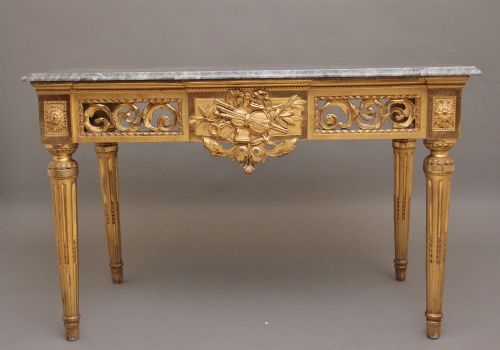
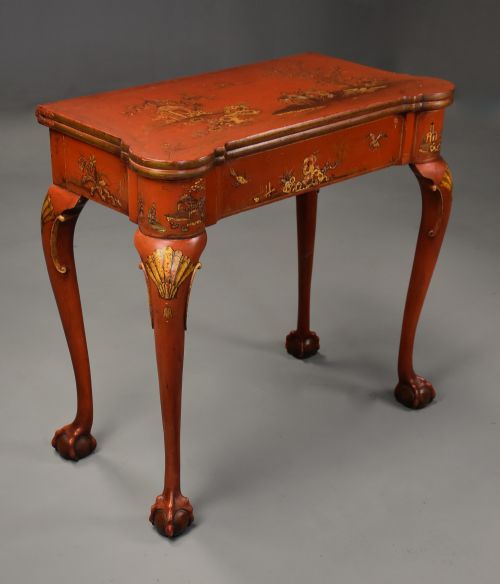
Giltwood and painted finishes appear on continental and neoclassical examples, sometimes complemented by carved wooden details or marble tops. Joinery methods included concertina actions for expanding card tables and traditional drawer construction.
One exceptional eagle console table doubles as a standalone carved avian sculpture standing ready beneath its top.
What separates the best from the rest
Quality rests in the crispness of carved details, the choice of timber figures, and the precision of inlaid work. Superior examples display thoughtful grain matching across tabletops and balanced proportions that respect historical design canons.
Simpler pieces rely on plain timbers and straightforward forms, whereas higher-end items incorporate complex veneers, giltwood carvings, or specialised mechanisms like concertina frames for games tables.
Giles Grendey·Gillow
The 18th Century Style Console Glossary
- Demi-lune
- Half-moon shape. This curve describes tables designed to sit flush against a wall.
- Lowboy
- A small table with drawers. These low tables typically served as dressing or side tables.
- Concertina action
- An expanding table frame. This mechanism allows card table legs to move outward when the top unfolds.
- Marquetry
- Fitted wood veneer patterns. Craftsmen piece different coloured woods together to create pictorial designs on tabletops.
- Giltwood
- Wood coated in gold leaf. This finish creates a bright metallic surface on carved tables.
18th Century Style Console: Frequently Asked Questions
Where do console tables go?
These tables fit best against hallway walls, in living rooms, or beneath large mirrors where surface space is useful.
Their shallow depth allows them to occupy narrow passages without obstructing movement through a room.
How do I use a card table?
Card tables feature folding leaves that open to reveal baize or polished wood playing surfaces for games.
When closed, they function as standard side or console tables against a wall.
What is a lowboy used for?
A lowboy functions as a compact side table with storage drawers, historically used for dressing or writing.
Today, they work well in bedrooms or hallways to hold small decorative items.
How can I tell the period?
Dating relies on timber choices, leg styles like cabriole or square tapered, and construction methods.
Later revival pieces often blend decorative traits from multiple eras while utilising twentieth-century timber preparation.