








Black Lacquer Tea Table
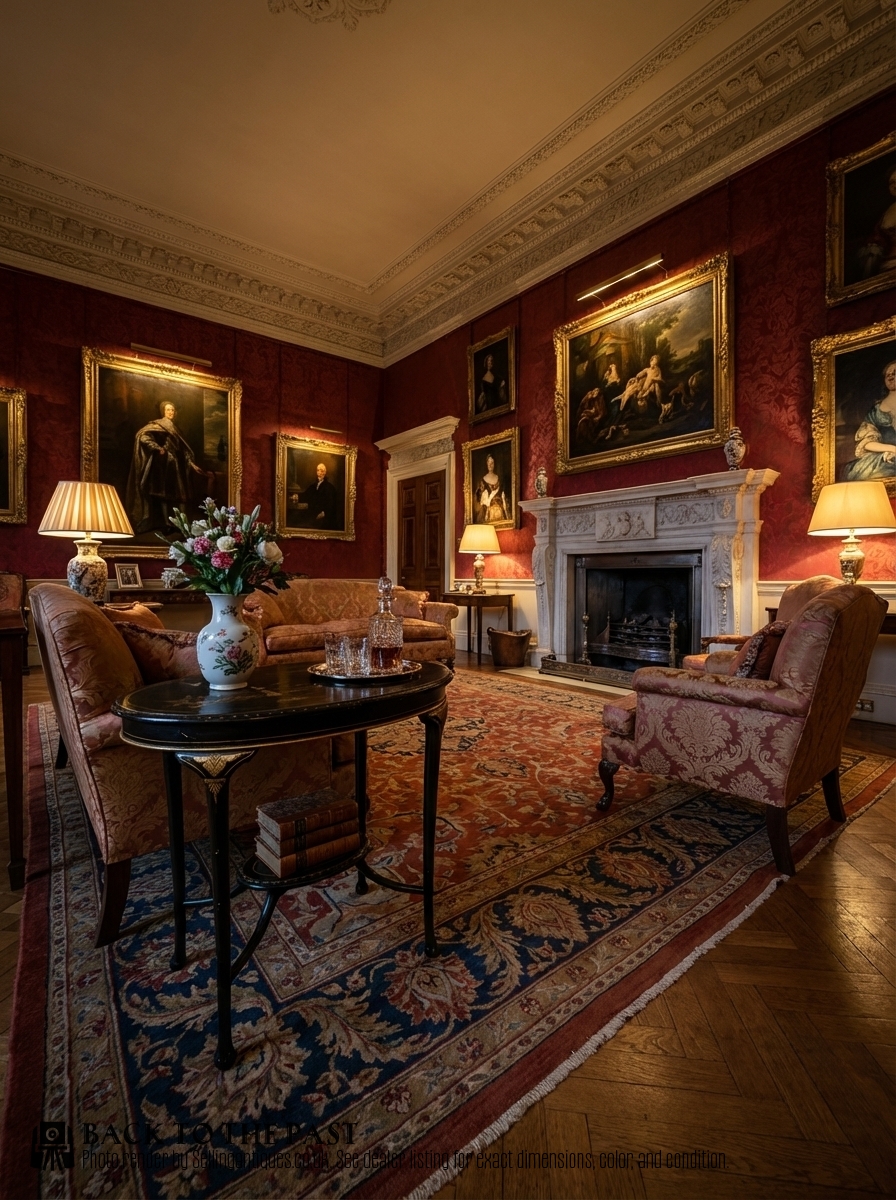
A black lacquer tea table brings rich visual depth and painted narrative to a room, offering a functional surface steeped in historical craftsmanship.
Black Lacquer Tea Table
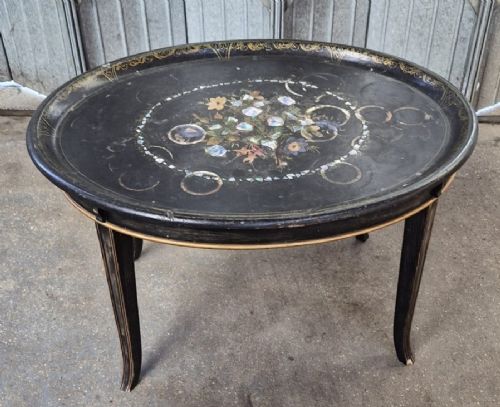
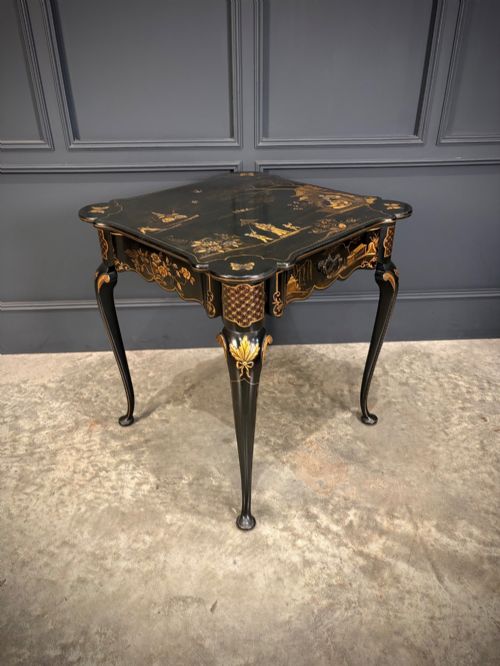
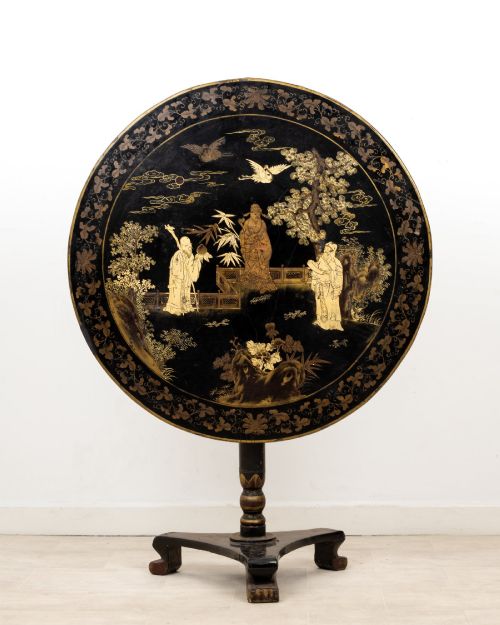
When you search for a black lacquer tea table, you encounter diverse forms ranging from tray tables on stands and tilt-top occasional tables to dedicated coffee tables. The pieces span multiple eras, with strong representation from the nineteenth century, Victorian period, and Edwardian age, alongside Georgian and Regency examples.
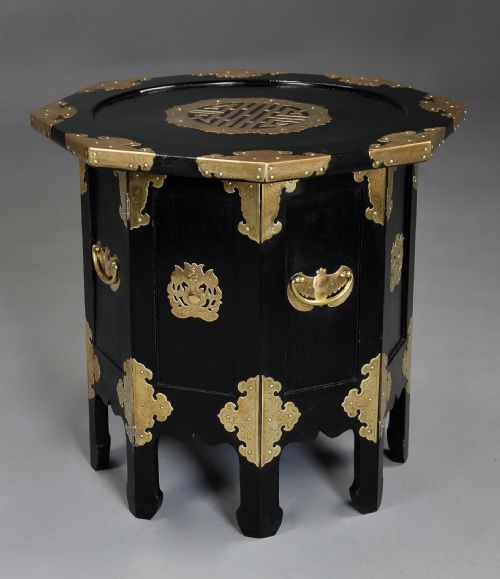
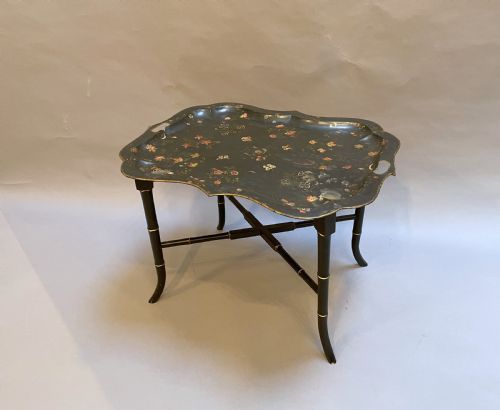
Makers utilised various formats, including serving trays mounted on later or period stands, alongside low coffee tables and lamp tables. Origins stretch from English interpretations in the Chinoiserie and Sheraton styles to Chinese imports and Burmese lacquerwork.
Materials and construction
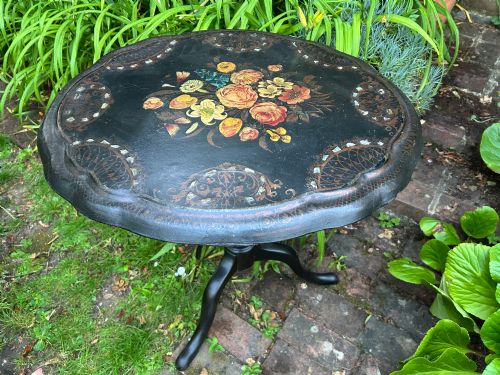
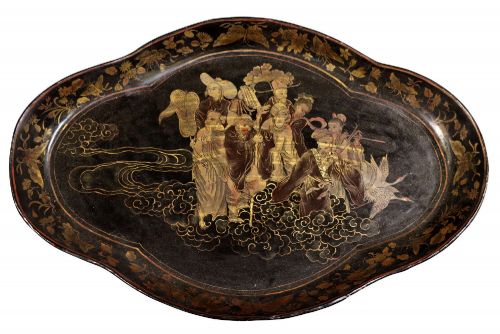
Construction relies on wood, papier-mâché, and toleware as the primary foundational bases for the smooth dark surfaces. Artisans applied successive layers of lacquer to build a deep sheen, often incorporating gold leaf, parcel gilt, and intricate paintwork.
Decoration frequently embraces Chinoiserie motifs, ink work, and floral compositions, sometimes enhanced with brass details or structural tilt-top mechanisms.
Black Lacquer Tea Table Retail Price Guide 2026
Typical asking prices for black lacquer tea table among the pieces listed under this phrase on Sellingantiques today, from the lower quarter to the upper quarter. They describe what is for sale here now, not the wider market.
Some Victorian papier-mâché trays spent their youth serving tea before retiring to polite living rooms on folding wooden stands.
Assessing the craftsmanship
Quality reveals itself in the crispness of the hand-painted details and the durability of the lacquer finish against age-related crazing or wear. Finer examples display meticulous brushwork in the gold leaf and motifs, whereas simpler items show more utilitarian execution.
The integration of the top to its base, especially in tray tables and tilt-top tables, dictates the structural integrity and overall balance of the piece.
Jennens and Bettridge·Henry Clay
The Black Lacquer Tea Table Glossary
- Chinoiserie
- European imitation and adaptation of Chinese artistic styles and motifs, typically featuring figures, landscapes, and pavilions rendered in gold paint on dark backgrounds.
- Papier-mâché
- A composite material made of paper pulp or sheets of paper mixed with glue and resin, pressed and dried to form a sturdy, smooth surface ideal for fine painting.
- Tilt-top table
- A small occasional table featuring a hinged mechanism that allows the tabletop to pivot into a vertical position when not in use.
- Toleware
- Enamelled or lacquered metalware, commonly iron or steel, painted with decorative scenes or floral patterns.
- Parcel gilt
- A decorative technique where specific portions of an object are partially gilded with gold leaf or powder, accentuating carved or painted details.
Black Lacquer Tea Table: Frequently Asked Questions
How were tray tables used historically?
These tables often began as detachable serving trays used by domestic staff to bring tea or refreshments to guests in the drawing room. Resting on dedicated folding or fixed stands, the tray transformed into a functional piece of furniture when entertaining.
Over time, many trays became permanently associated with specific stands, shifting their primary role from transport to static display and serving surfaces within the home.
Can I use a lacquer table daily?
These surfaces tolerate normal daily use as occasional or coffee tables provided you take sensible precautions with moisture and heat. Using coasters and placemats protects the delicate painted finish from rings and scratches.
Positioning the table away from direct sunlight preserves the rich dark tones and prevents the lacquer from fading or drying out over decades of domestic life.
How do I distinguish Victorian from Georgian pieces?
Georgian examples often display restraint and precise neoclassical proportions, frequently associated with Sheraton-inspired design principles and delicate structural lines. Victorian pieces tend toward bolder forms, heavier papier-mâché constructions, and elaborate floral or scenic Chinoiserie ornamentation.
Examining the underlying timber, fixings, and wear patterns helps clarify the manufacturing era when stylistic cues overlap.
What is the difference between lacquer and ebonised wood?
Lacquer involves the application of a resin-based coating that cures to a hard, glossy, smooth finish, sometimes built up in multiple layers. Ebonised wood is standard timber, such as beech or mahogany, stained or painted black to imitate the appearance of ebony.
While both achieve a dark, sophisticated surface, lacquer provides a distinct reflective depth that differs from the grain visibility of painted wood.