


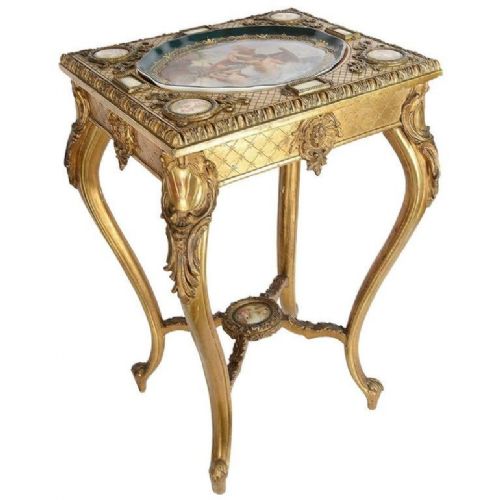

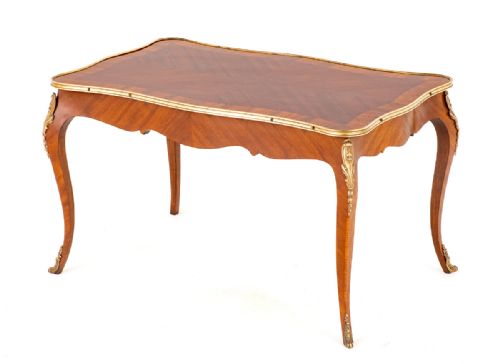


Ormolu Mounted Coffee Table
An ormolu mounted coffee table brings gilt brass mounts and French cabinet-making traditions into a modern room.
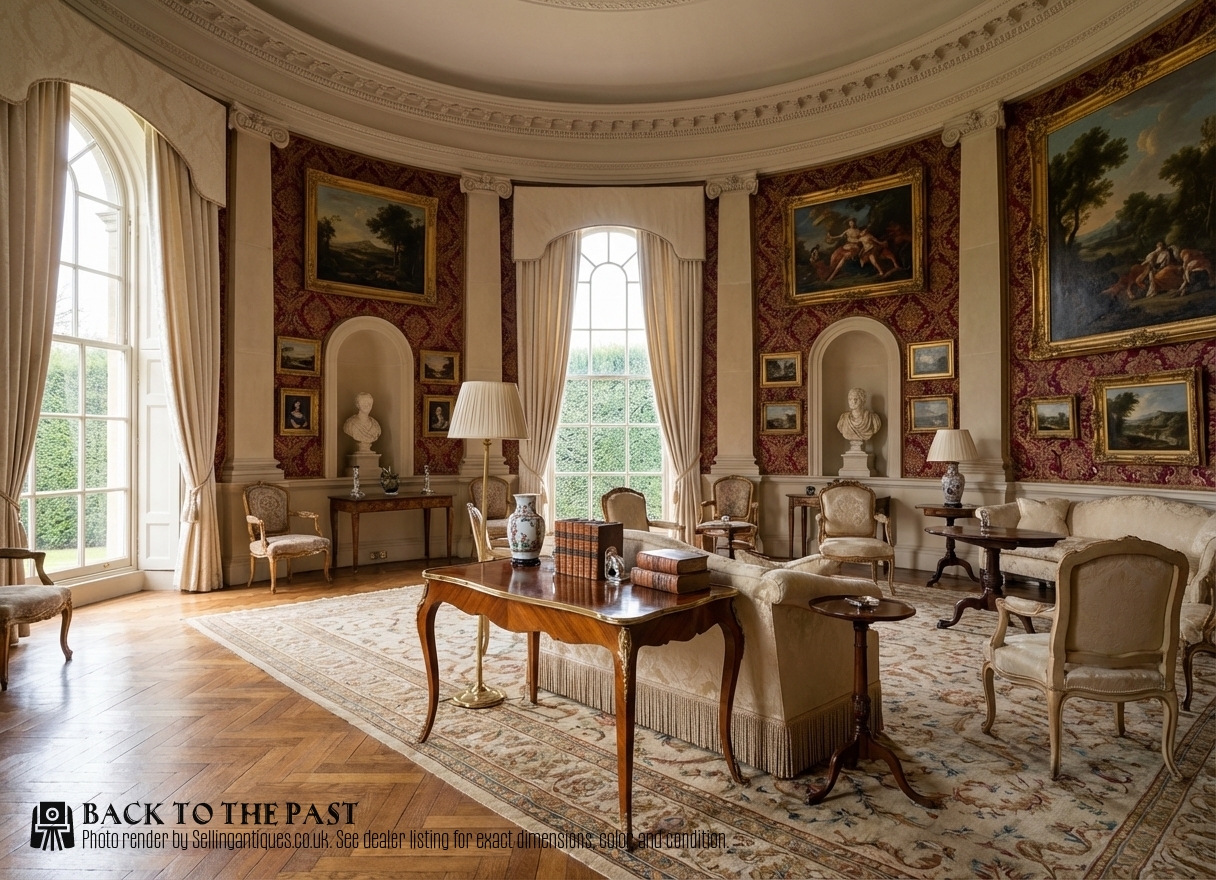
Ormolu Mounted Coffee Table
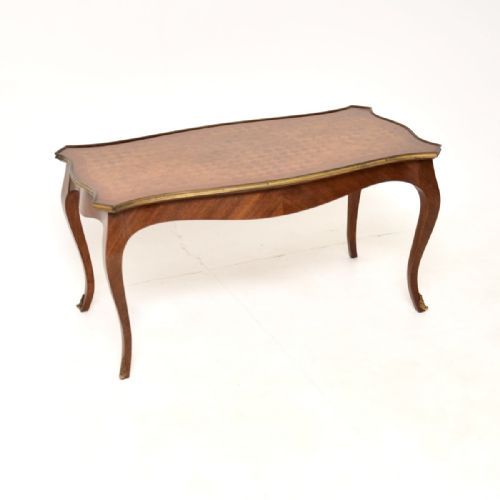
When searching for an ormolu mounted coffee table, buyers encounter low tables adapted from earlier centre table, occasional table, and games table forms. These pieces date across the nineteenth and early twentieth centuries, spanning periods such as the mid nineteenth century, nineteen-ten, nineteen-twenty, and nineteen-thirty.
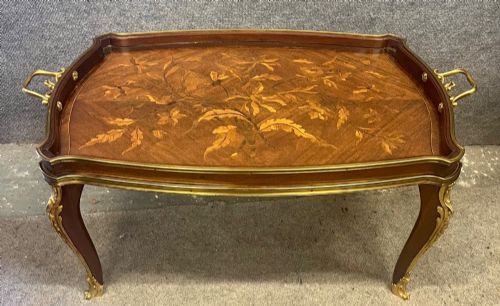
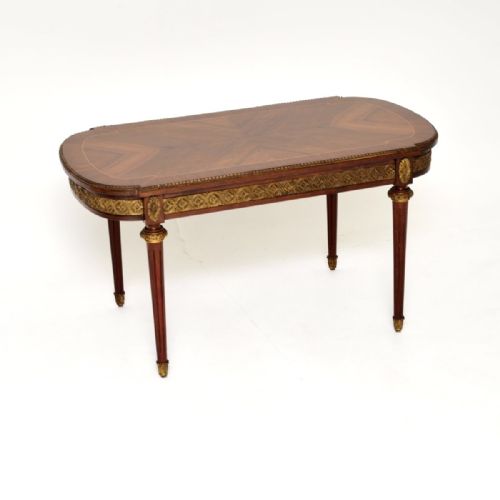
The prevalent aesthetics draw heavily on continental designs, notably Louis XV revival, Louis XVI style, Rococo revival, and the Aesthetic movement. Common forms include oval formats, two-tier galleried occasional pieces, and tray top tables originating from French workshops.
Many examples utilise classic low proportions suited to contemporary seating arrangements while retaining historical marquetry, parquetry, and porcelain plaques. Walnut, burr walnut, kingwood, rosewood, and black lacquer form the typical timber foundations for these gilt metal ornaments.
Assessing quality and execution
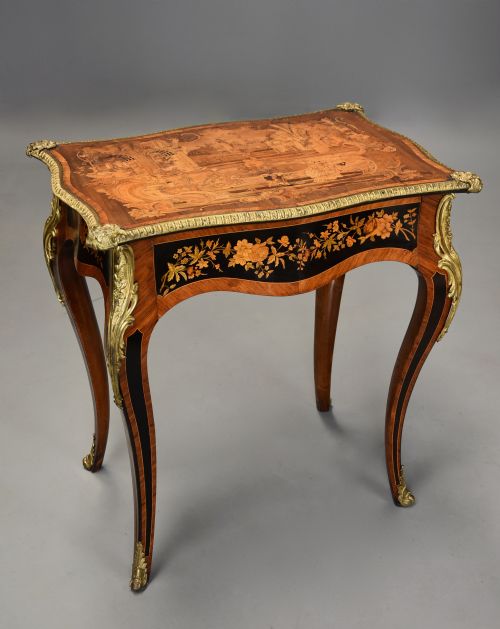
The distinction between standard and superior pieces rests on the crispness of the ormolu chasing and the complexity of the wood veneers. Finer tables exhibit deeply detailed gilt mounts that fit precisely against the contours of the timber.
Parquetry and marquetry work demonstrates varying degrees of hand-cut precision in the arrangement of contrasting grain. Tables after specific makers or incorporating porcelain plaques show greater ambition in their design and execution.
The archive includes trays, tiers, and games surfaces adapted into low coffee table formats.
Zwiener
The Ormolu Mounted Coffee Table Glossary
- Ormolu
- Gilded bronze or brass applied as decorative mounts to furniture. This technique provides metallic highlights against dark wood surfaces.
- Marquetry
- Inlaid wood veneers forming decorative pictures or patterns. Craftsmen piece together different timber species to create floral or geometric designs.
- Parquetry
- Geometric patterns formed by wood veneers fitted together. Squares, triangles, and cubes create repeating tiled surfaces on table tops.
- Centre table
- A freestanding table finished on all sides for placement in the middle of a room. Many low coffee tables derive from this earlier nineteenth-century form.
- Gallerie
- A raised metal or wood rim around the edge of a table top. This feature prevents items from sliding off tray top designs.
Ormolu Mounted Coffee Table: Frequently Asked Questions
Are these tables original or converted?
Many low tables originated as taller centre, occasional, or games tables and were later reduced in height to serve as coffee tables.
Proportions, leg placement, and the distribution of ormolu mounts usually reveal whether a piece retains its original dimensions or underwent subsequent alterations.
How do I care for ormolu mounts?
Ormolu requires gentle dusting with a soft, dry cloth to prevent the accumulation of dirt in the recessed chased details.
Avoid using metal cleaners or abrasive polishes, as these substances can strip the gilding from the underlying brass or bronze.
What wood types are most common?
Walnut, burr walnut, and kingwood appear frequently as the primary timber veneers on these French-style tables.
Darker backgrounds like black lacquer and rosewood also provide contrast for the bright gilt metal mounts.
How do I distinguish Louis XV and Louis XVI styles?
Louis XV style pieces feature asymmetrical curves, scrolling cabriole legs, and elaborate Rococo ornamentation.
Louis XVI style furniture introduces straighter lines, symmetry, classical architectural motifs, and tapered legs.