

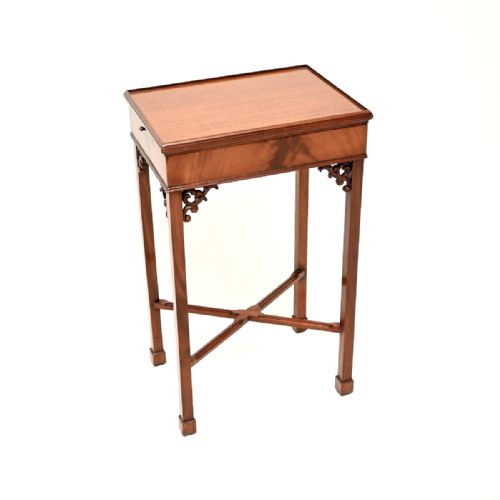
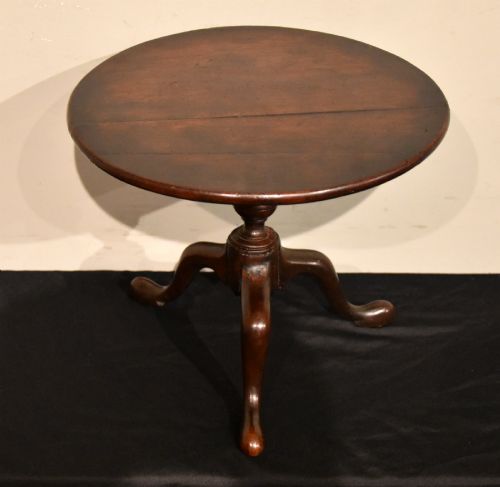
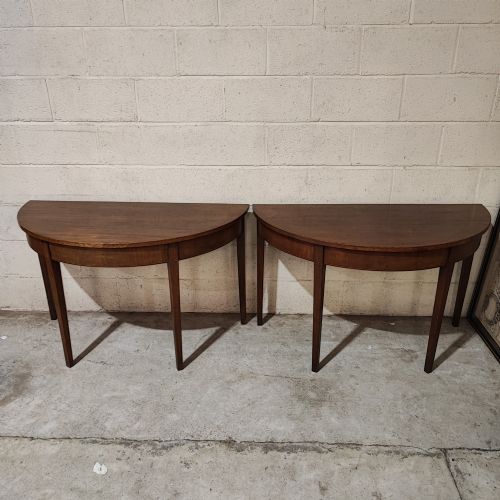
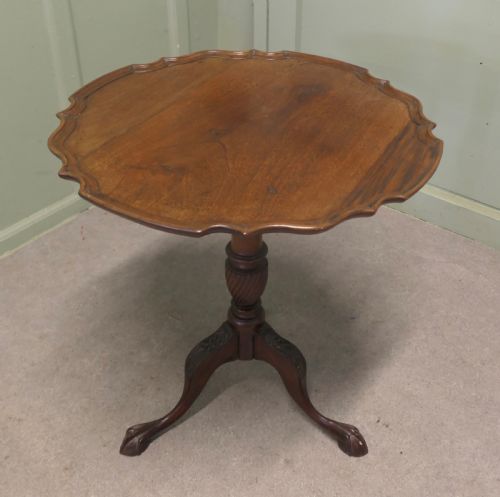
Rich Mahogany Side Table
A rich mahogany side table brings architectural warmth and disciplined timber grain to a room.
Rich Mahogany Side Table
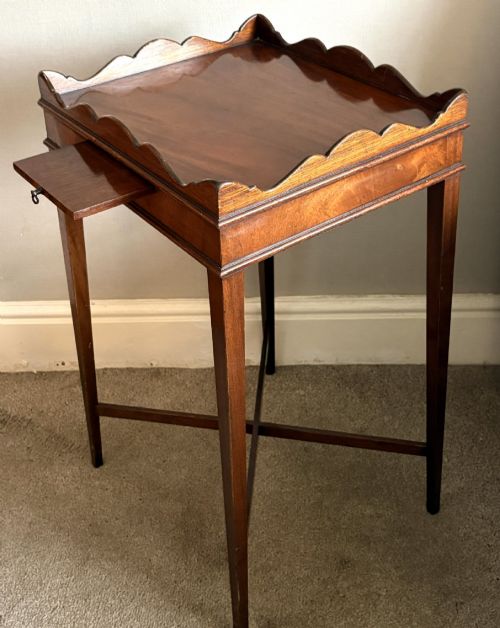
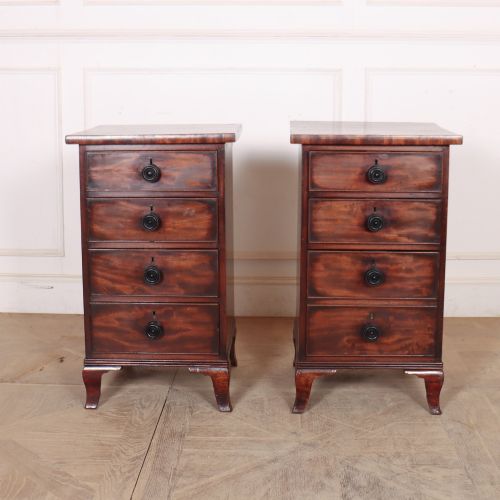
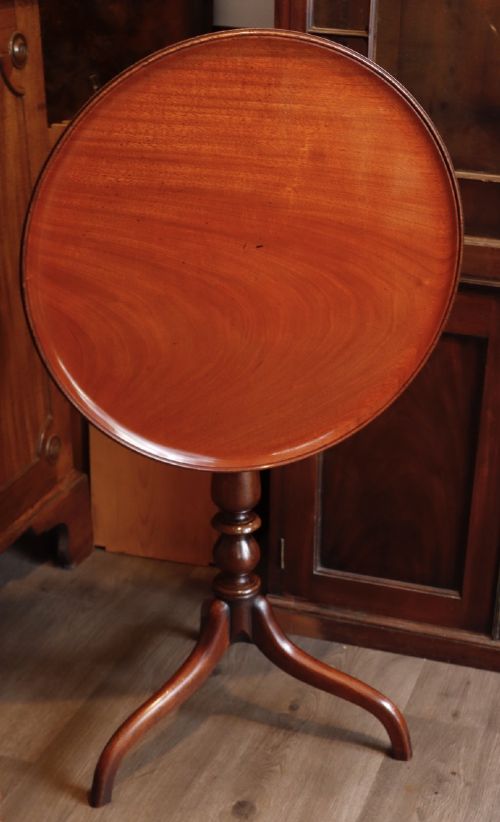
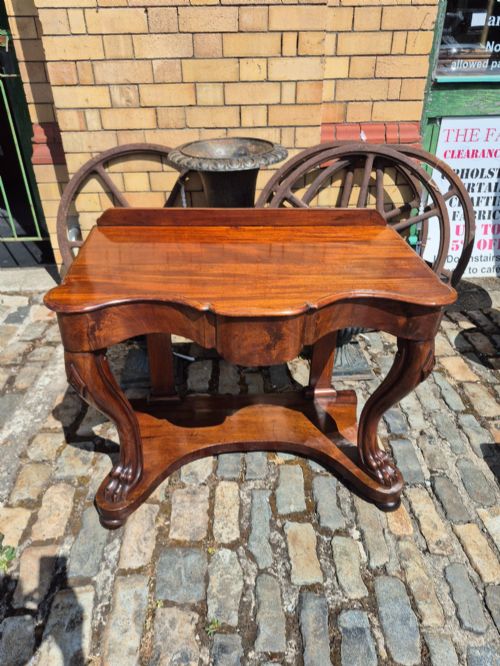
When you search for a rich mahogany side table, you encounter compact occasional furniture designed for specific domestic duties in Georgian and Regency interiors. These pieces combine practical surfaces with the dense, dark timber characteristic of late eighteenth and early nineteenth century cabinet making.
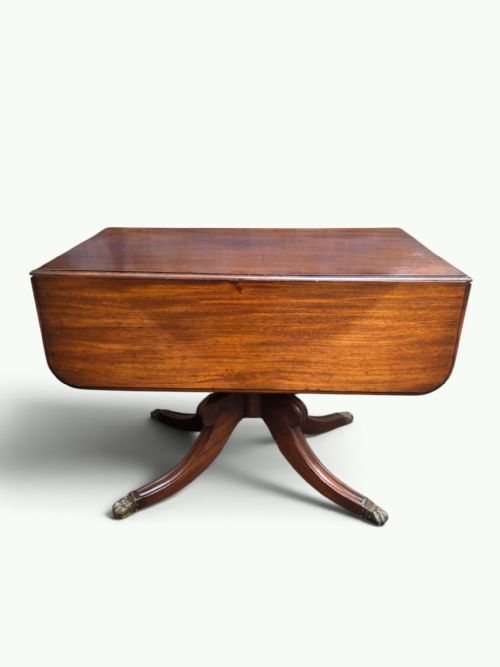
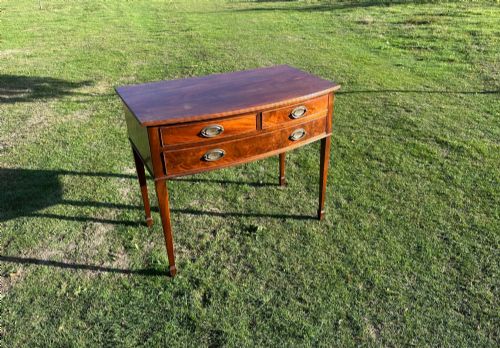
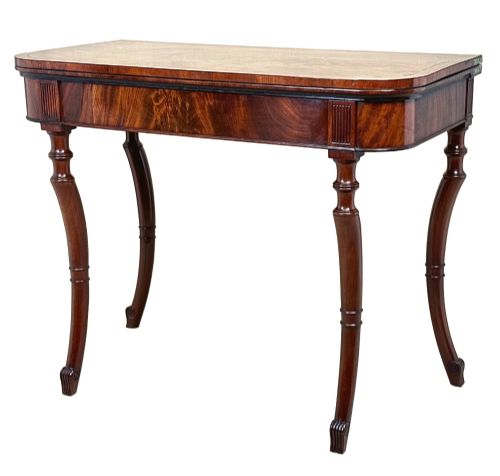
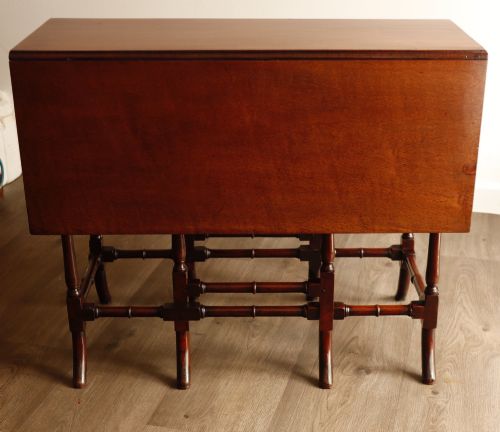
The versions most commonly met on this page belong to the Regency and Georgian periods, spanning side tables, drop-leaf tables, and occasional tables. Makers of these eras utilised the timber's natural depth to create functional items that doubled as decorative accents.
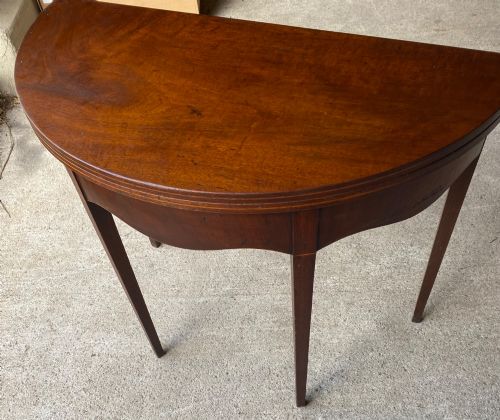
Occasional variants and associated forms, such as semi-elliptical shapes or drop-leaf constructions, demonstrate how these tables adapted to compact spaces. Each specimen reflects the domestic requirements of its era through straightforward geometric forms and restrained ornamentation.
Distinctions in quality
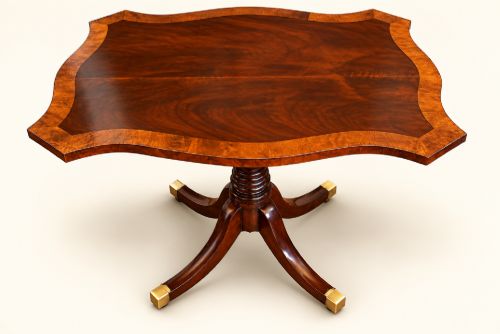
Quality separates standard utilitarian items from exceptional pieces through the selection of timber and the precision of the veneer work. Flame mahogany requires careful book-matching across table tops to create symmetrical patterns that catch the light.
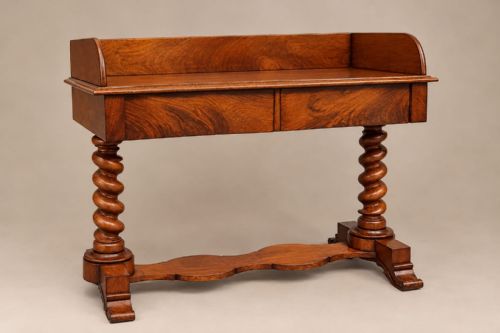
The refinement of turned legs and the integrity of original brass or iron hardware dictate the upper tier of the range. Tables possessing documented workshop origins or distinct regional proportions command greater interest among collectors.
Rich Mahogany Side Table Retail Price Guide 2026
Typical asking prices for rich mahogany side table among the pieces listed under this phrase on Sellingantiques today, from the lower quarter to the upper quarter. They describe what is for sale here now, not the wider market.
One recorded bidet stool reveals that Regency domestic furniture sometimes concealed surprisingly utilitarian functions beneath dignified mahogany facades.
Gillows Lancaster
The Rich Mahogany Side Table Glossary
- Flame mahogany
- A veneer cut from the fork of the tree where branches meet the trunk, producing a distinctive fire-like ripple pattern. Cabinet makers reserved this striking timber for the most visible surfaces of fine tables.
- Drop-leaf table
- A table featuring hinged flaps on either side that fold down to save space when not in use. Supports swing out from the frame to hold the leaves level.
- Semi-elliptical
- A half-oval shape commonly found on late eighteenth-century side tables designed to stand flat against a wall. This form softens room geometry while occupying minimal floor space.
- Occasional table
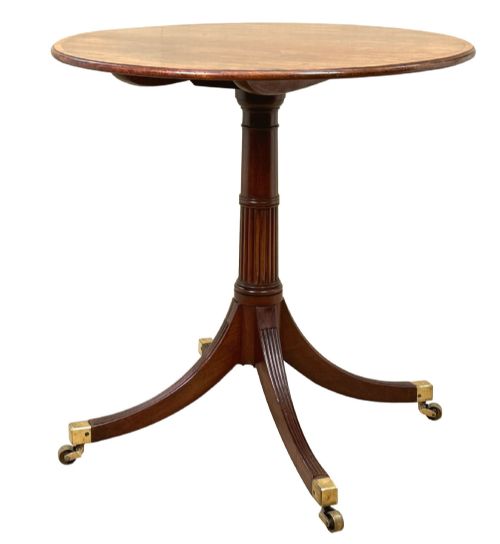
- A small, movable table intended for specific, intermittent tasks rather than permanent placement. These versatile pieces appeared frequently in Regency drawing rooms.
Rich Mahogany Side Table: Frequently Asked Questions
What is a rich mahogany side table used for?
These tables served various domestic functions in Georgian and Regency interiors, from holding lamps and books to providing a stable surface for writing or serving.
Their compact proportions allowed them to sit unobtrusively against walls or beside seating arrangements when extra surface area was required.
How do I date a Regency mahogany table?
Dating relies on observing structural characteristics, timber selection, and stylistic details such as leg turnings and brass or iron mounts.
Pieces from the Regency and Georgian eras typically display tighter grain figures and specific joinery methods that distinguish them from later nineteenth-century reproductions.
How should I care for antique mahogany furniture?
Maintenance involves keeping the timber away from direct sunlight and fluctuating heat sources to prevent the wood and veneer from drying out.
Regular application of traditional beeswax helps nourish the surface and preserve the deep lustre developed over centuries.