
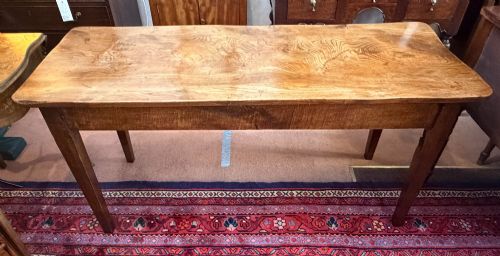
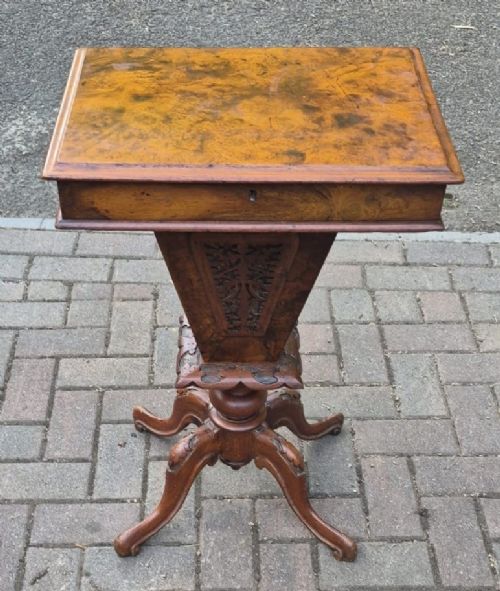
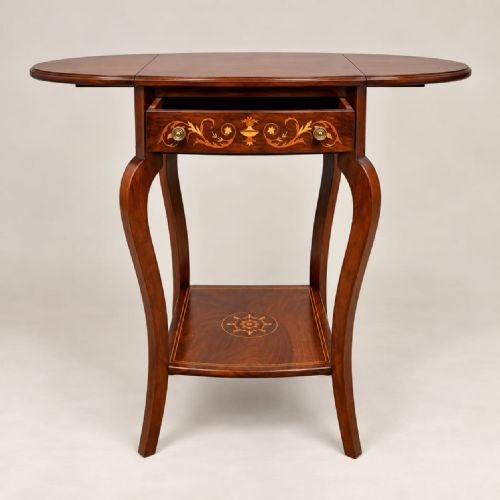

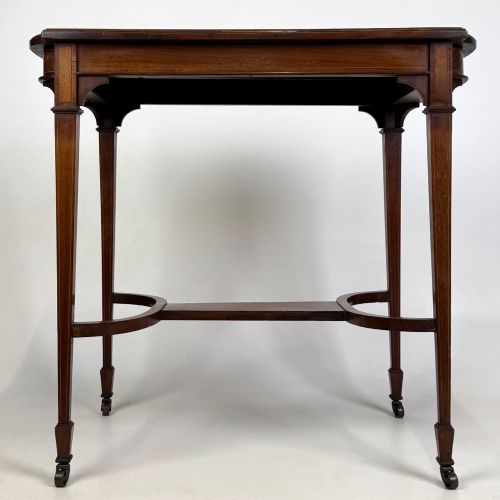
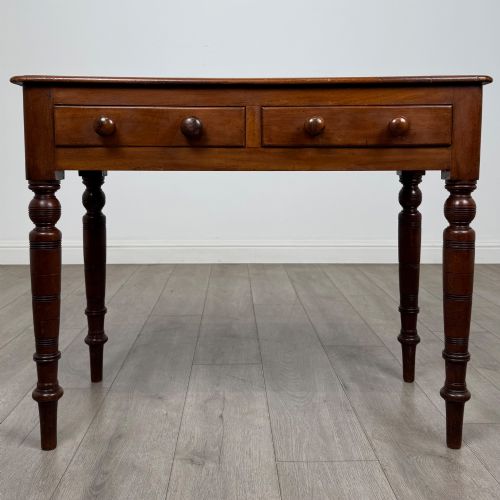
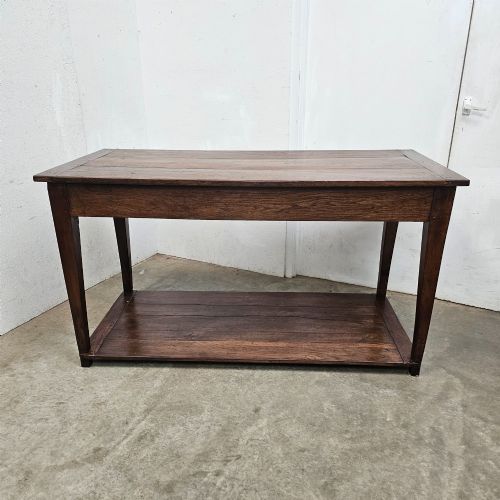
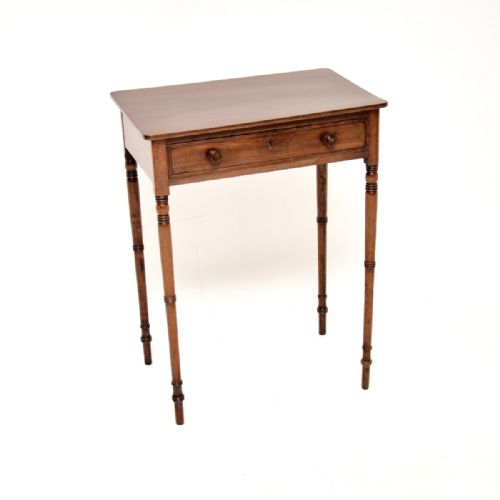
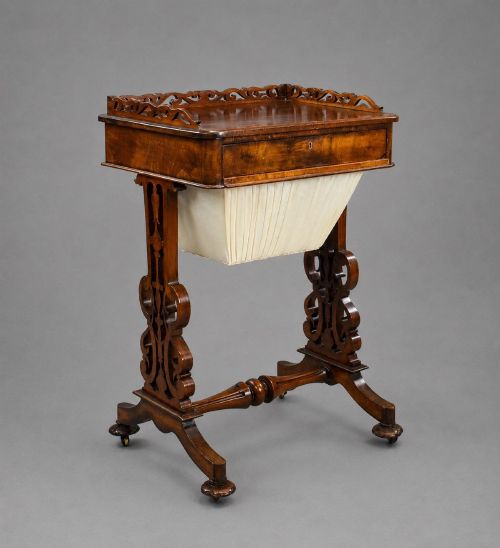
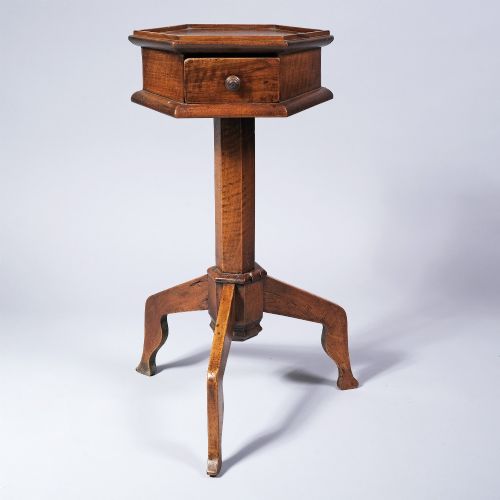
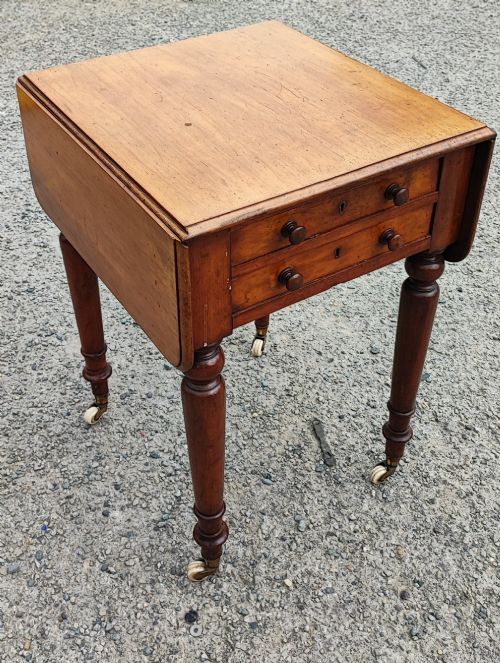
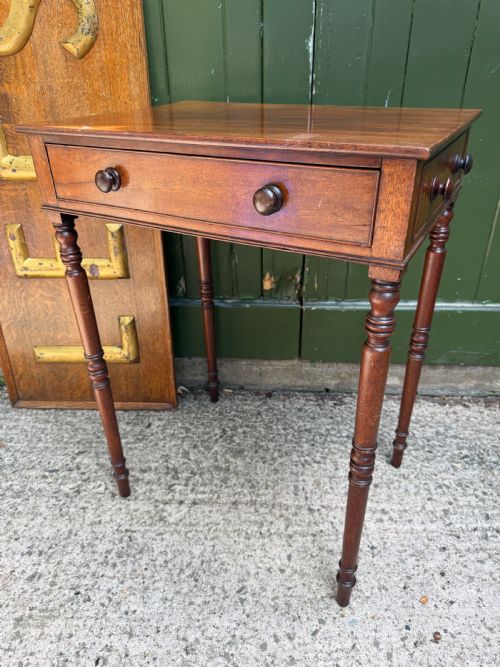
Brown Wooden Work Table
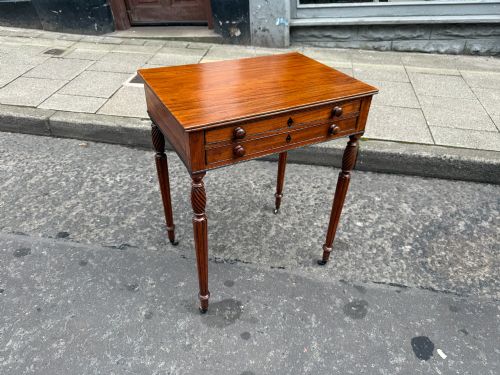
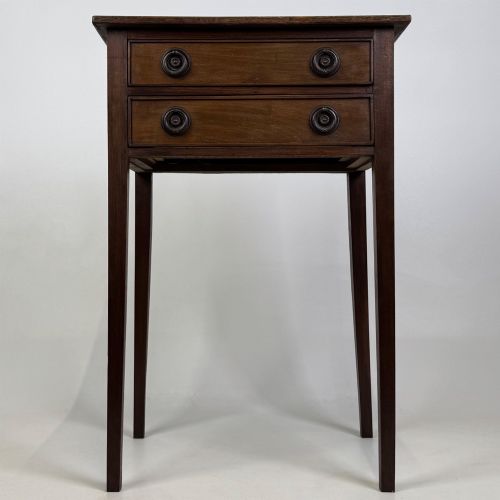
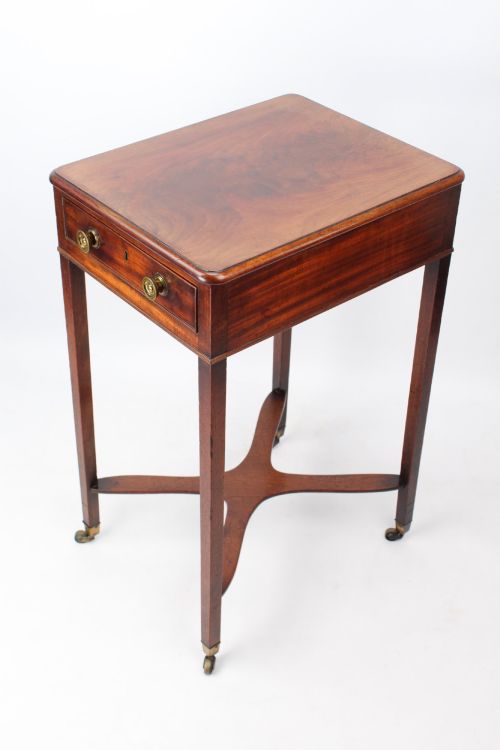
These brown wooden work table examples combine refined period craftsmanship with practical utility, offering collectors versatile surfaces fitted with clever compartments for sewing or dressing.
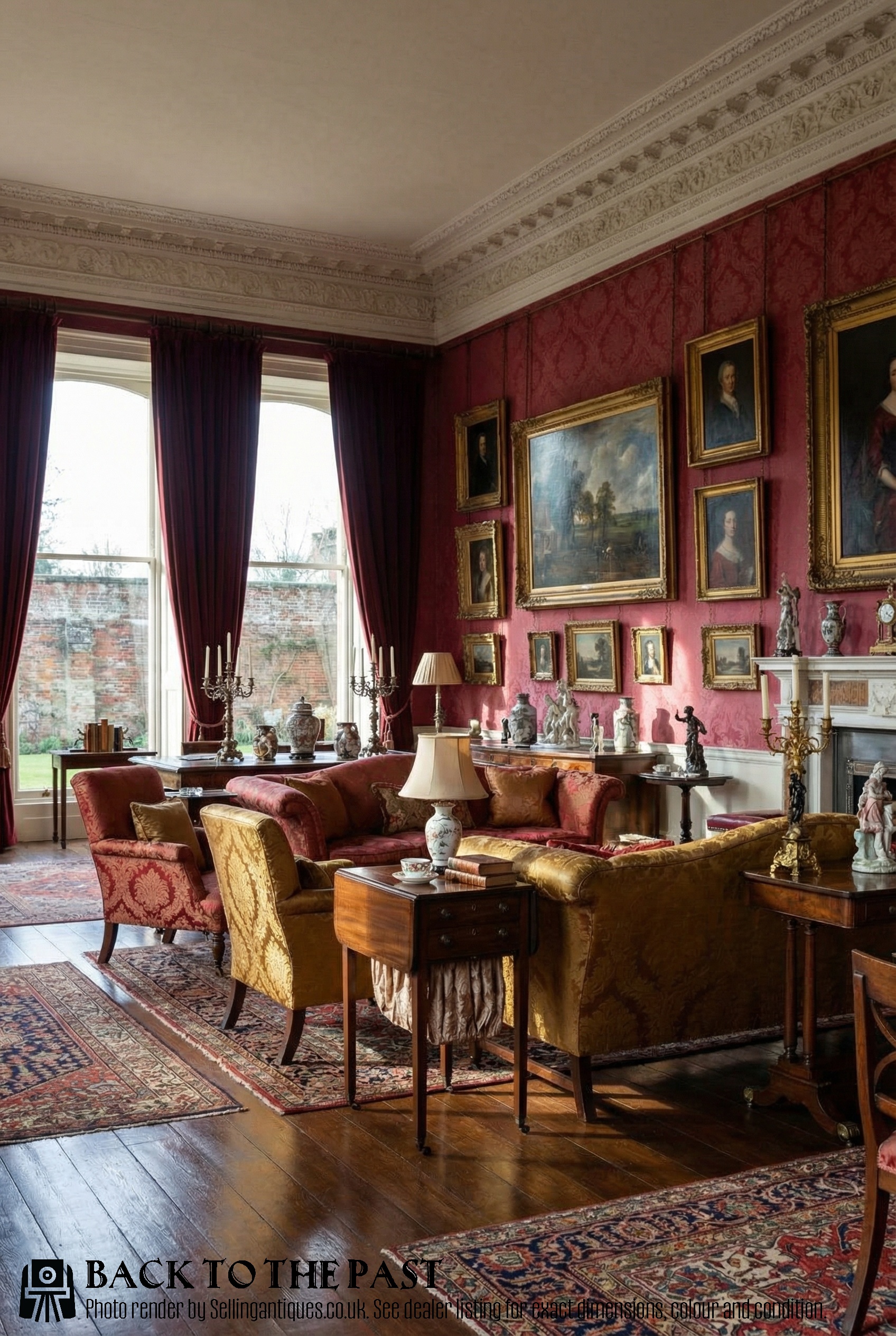
What a brown wooden work table is
When you search for a brown wooden work table, you encounter a selection of domestic utility pieces originating primarily from the Regency, Victorian, and Edwardian eras. These pieces typically function as sewing tables, occasional tables, or dressing tables designed for domestic chambers.
The most common forms on this page include mahogany and burr walnut variations dating through the nineteenth century. These items often incorporate specialised compartments or folding tops suited to needlework and personal grooming.
How they were made
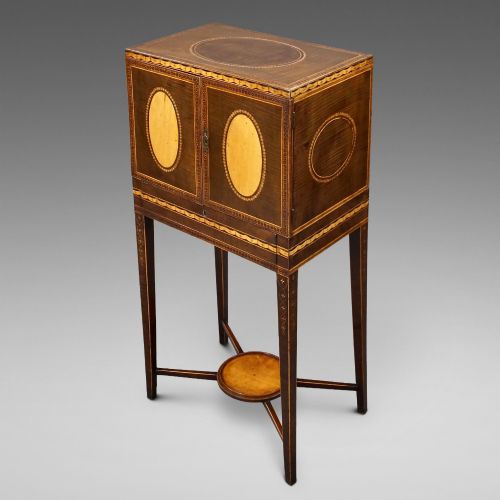
Cabinetmakers constructed these tables using solid hardwoods and decorative veneers such as flame mahogany, satinwood, and burr walnut. Surfaces frequently showcase meticulous boxwood inlay and contrasting timber details.
Makers integrated functional hardware including brass fittings and bone elements to accent the interiors of work boxes and sewing drawers. Structural designs range from Pembroke drop-leaf formats to fold-over games tables.
Retail Price Guide 2026
Typical UK retail prices for brown wooden work table, calculated from the Sellingantiques database of over a million retail prices indexed since 2003. This retail price guide relies exclusively on Sellingantiques data; no external sources or auction records are used, so the figures do not describe the wider market.
The selection spans four distinct periods: Regency, Victorian, 19th Century, and Edwardian, utilising mahogany, burr walnut, and satinwood.
What varies in quality
Quality in these pieces rests upon the selection of timber veneers and the precision of the inlay work. Finer examples display symmetrical grain patterns like flame mahogany or burr walnut paired with crisp boxwood stringing.
Structural refinement also dictates value, where smoothly operating drawers, well-fitted compartments, and original brass hardware distinguish superior examples from plain utility furniture.
The Brown Wooden Work Table Glossary
- Pembroke table
- A small occasional table featuring two hinged drop leaves on opposite sides. This design allows the surface to expand for use or contract to save space.
- Work box
- A compartmented box, often integrated into a table, designed to hold sewing implements, threads, and small accessories. Interiors frequently feature lidded wells and bone fittings.
- Stringing
- A thin inlay of contrasting wood used to outline panels, drawers, or table tops. Boxwood is commonly utilised for this decorative detailing.
- Veneer
- A thin slice of figured wood adhered to a secondary timber base to create decorative surfaces. Flame mahogany and burr walnut are typical examples.
Frequently Asked Questions
What is a work table?
A work table is a specialised nineteenth century domestic furniture piece designed primarily for needlework, sewing, and small crafts. These tables typically feature fitted drawers or hanging fabric bags to hold materials.
Over time, many of these pieces adapted to serve as versatile occasional tables or dressing surfaces within the home. Their compact proportions made them convenient for placement beside chairs or in bedrooms.
How do I date a wooden table?
Dating relies on identifying stylistic markers, timber choices, and construction methods characteristic of periods like the Regency or Edwardian era. Regency pieces often exhibit classical proportions and satinwood finishes, while Edwardian versions frequently incorporate delicate inlaid decoration.
Examining secondary timbers and interior hardware also provides clues to the manufacturing date. Cabinetmaking techniques evolved significantly between the early nineteenth century and the Edwardian period.
How were sewing tables used?
Sewing tables provided ladies with a dedicated mobile workspace for mending, embroidery, and lacemaking. The internal compartments kept spools, needles, and patterns organised and close at hand.
When not in use for crafts, the drop leaves and fold-over tops allowed the furniture to function as a standard side table. This dual purpose made them essential furnishings in period drawing rooms.
How do I care for antique wood?
Antique wooden furniture requires protection from direct sunlight and extreme humidity fluctuations to prevent veneer cracking and timber shrinkage. Maintaining stable indoor environments preserves the integrity of the finish.
Applying appropriate wax polishes periodically helps nourish the timber and maintain a soft sheen. Avoid modern silicone sprays, which can penetrate and damage historic polished surfaces.