
Small Side Table
A small side table provides a practical surface beside a chair or bed while introducing period character to a room.
Small Side Table
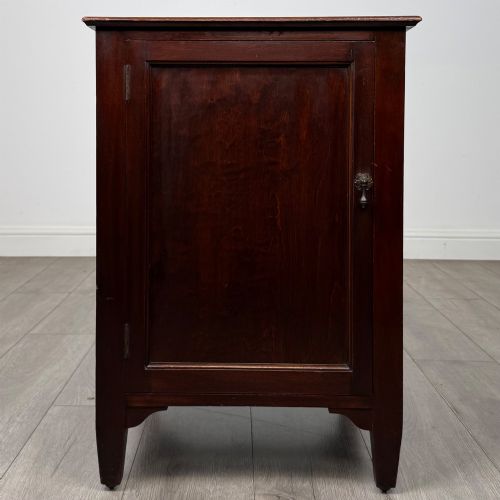
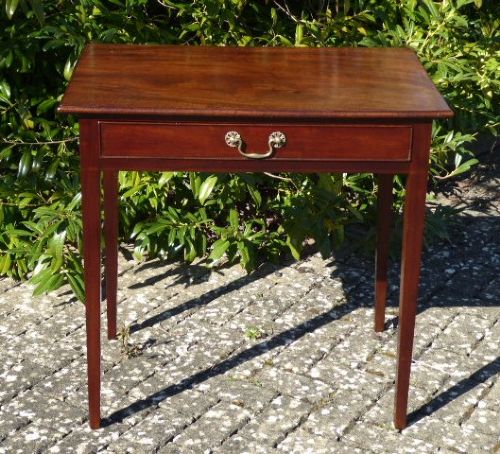
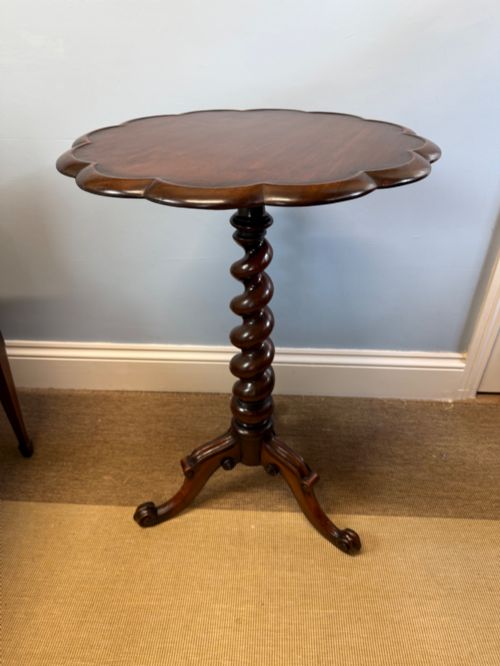
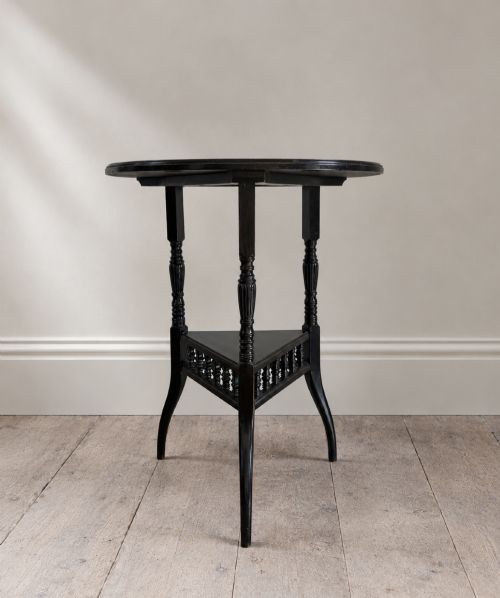
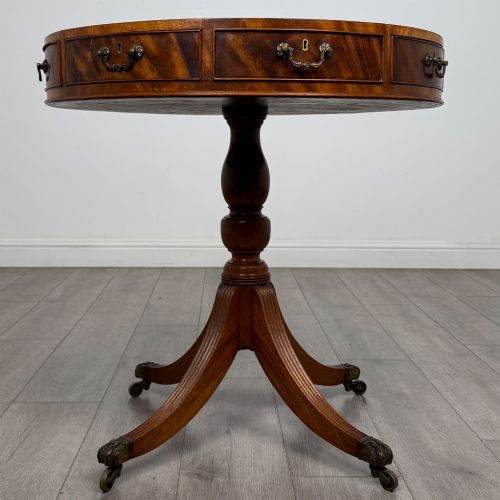
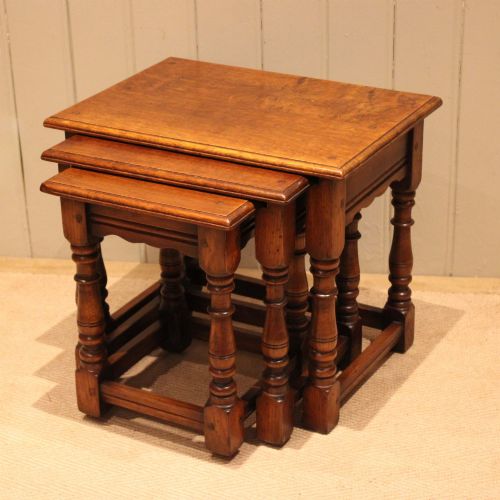
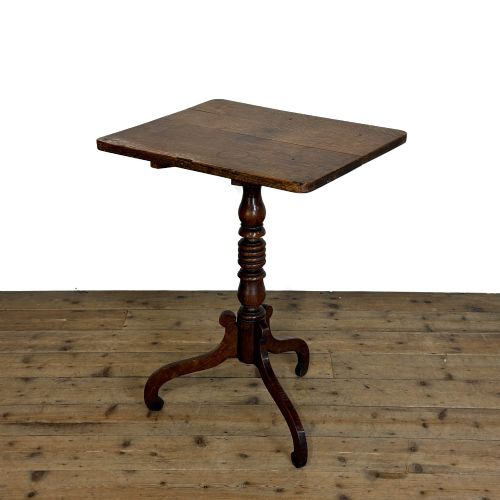
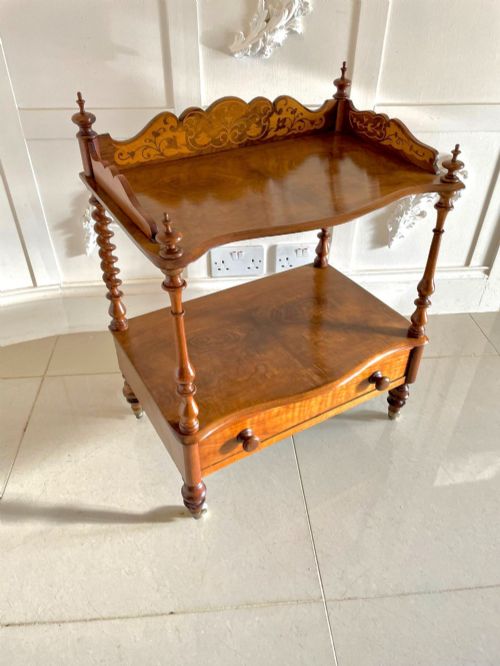
A small side table serves as a compact surface designed for occasional use in domestic rooms, often taking the form of wine tables, lamp tables, or occasional tables. These pieces emerge from periods spanning the seventeenth century through to the Art Deco era, encompassing Georgian, Regency, Victorian, and Edwardian designs.
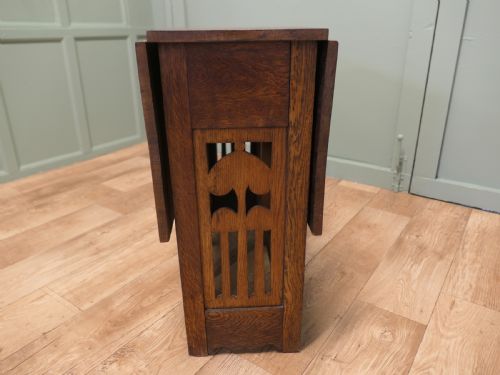
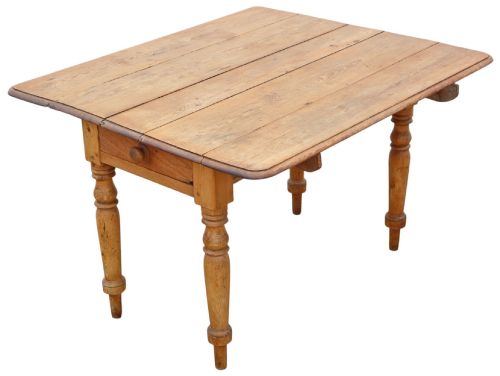
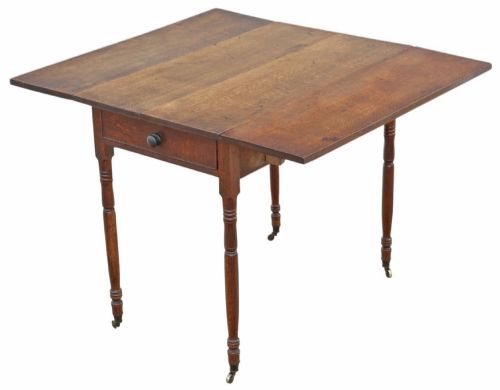
The versions most frequently encountered on this page utilise timbers such as mahogany and oak, alongside walnut and satinwood. Their structural forms range from simple tripod bases to rectangular drop-leaf tables and tiered occasional pieces intended for domestic utility.
How they were made
Cabinet makers constructed these tables using solid hardwoods and selected veneers, employing traditional joinery such as mortise and tenon frames alongside dovetails for drawers. Turning lathes shaped upright pillars and legs, while hand-carving and inlay work introduced decorative detail to tops and friezes.
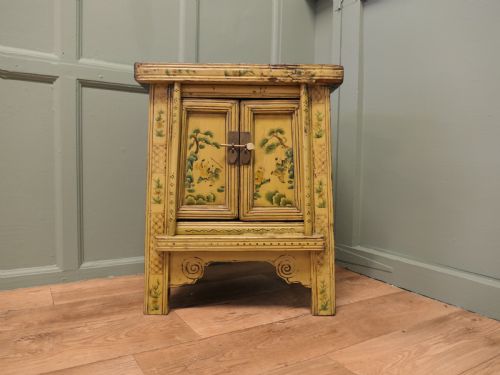
Surfaces received finishes including wax, polish, or painted decoration such as Chinoiserie, which protected the timber grain while highlighting the natural figure of mahogany, oak, and walnut.
Some small tables feature clever tilt tops designed to fold flat against the wall like stubborn wooden paintings.
What varies in quality
The standard of a small side table depends on the selection of timber, such as figured mahogany, burr walnut, or quarter-sawn oak, and the precision of the underlying joinery. Superior examples exhibit balanced proportions, crisp carving, and well-fitted internal components like drawer linings.
Later revivals and simpler utility pieces utilise plain secondary woods and simpler construction methods, distinguishing standard commercial production from workshop pieces designed with greater attention to detail.
JAS Shoolbred·Shapland & Petter
The Small Side Table Glossary
- Pembroke table
- A small rectangular table featuring hinged drop leaves on two opposing sides, often incorporating a single end drawer.
- Wine table
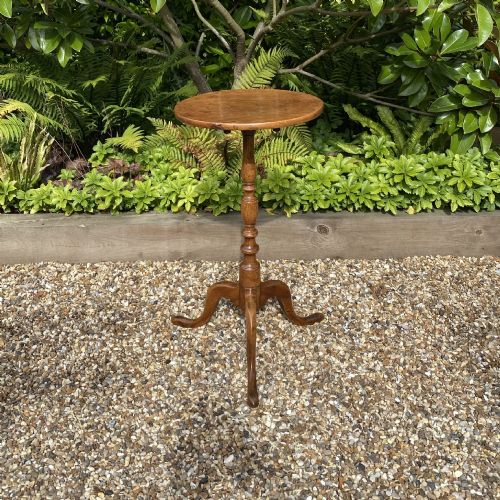
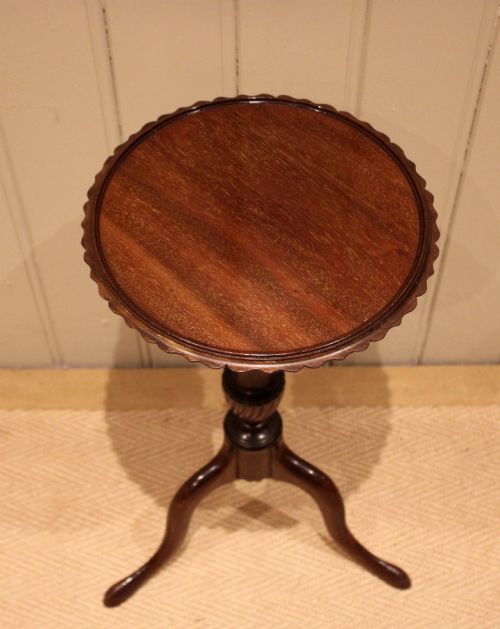
- A compact occasional table with a small circular top supported by a central pillar and tripod legs, designed to hold a glass or bottle.
- Cricket table
- An early small round wooden table supported by three splayed legs connected by stretchers near the base.
- Tilt top table
- A table featuring a hinged mechanism that allows the top to pivot into a vertical position when not in use.
- Parquetry
- A geometric mosaic of wood pieces used for decorative surfacing on table tops and cabinet doors.
Small Side Table: Frequently Asked Questions
What is a small side table used for?
These pieces function as versatile surfaces placed beside seating or beds to hold lamps, drinks, or small decorative objects. They provide convenient tabletop space without dominating the floor plan of smaller rooms.
Historically, specific forms like wine tables and work tables catered to particular domestic habits, from afternoon tea to needlework.
How do I date a small side table?
Dating relies on identifying the prevailing timber choices, construction techniques, and stylistic revivals characteristic of specific periods. Georgian and Regency pieces often show lighter proportions and specific leg turns, whereas Victorian and Edwardian examples frequently display heavier timber sections or revival motifs.
Secondary woods used inside drawers and the presence of hand-cut versus machine-cut joints also help narrow down the period of manufacture.
Where should I place a small side table?
A small side table fits easily beside an armchair, sofa, or bed where a compact surface is required for everyday items. Tripod wine tables and plant stands work well in empty corners or beside windows.
Because many examples feature finished backs or freestanding pedestal designs, they can sit away from walls without disrupting the room layout.
Are these tables sturdy enough for daily use?
Solid hardwood construction in timbers like oak, mahogany, and walnut gives these tables considerable durability for daily domestic tasks. Proper maintenance of joints and surfaces ensures they withstand regular placement of lamps and household objects.
Tables with folding mechanisms or delicate inlay require gentle handling compared to heavy solid oak or pitch pine variants.