






Georgian Ladies Work Table
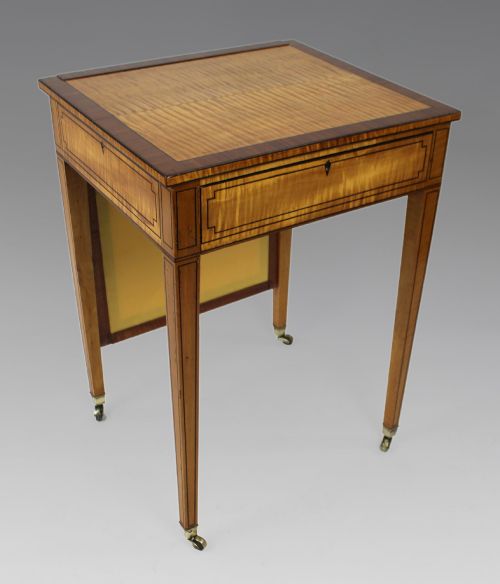
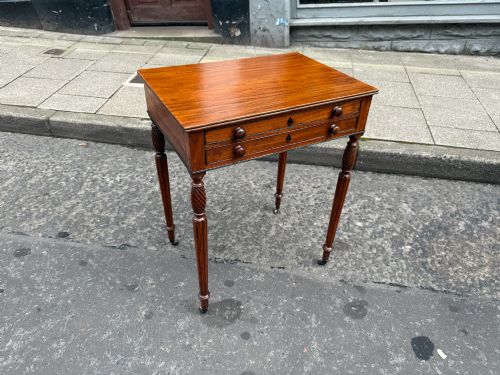
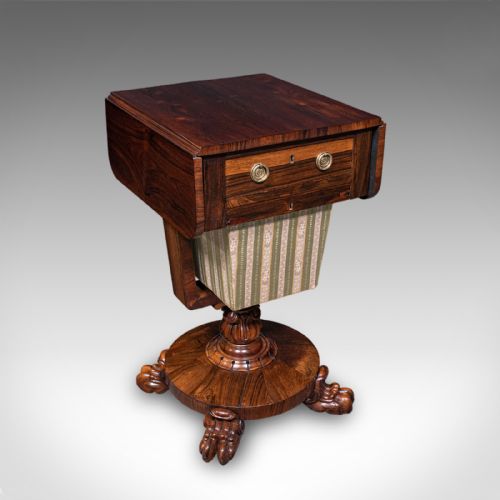
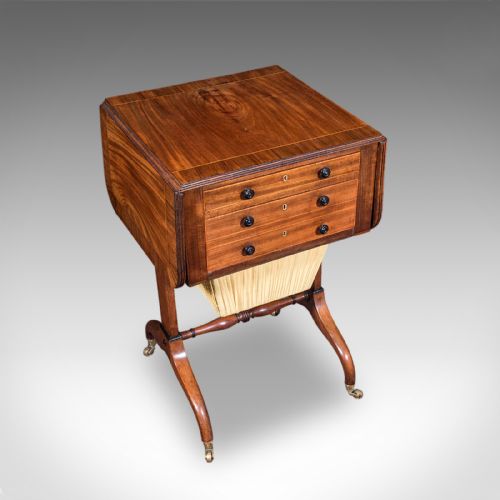
A georgian ladies work table is a versatile domestic piece designed for needlework and correspondence, combining fitted interior compartments with elegant occasional table proportions.
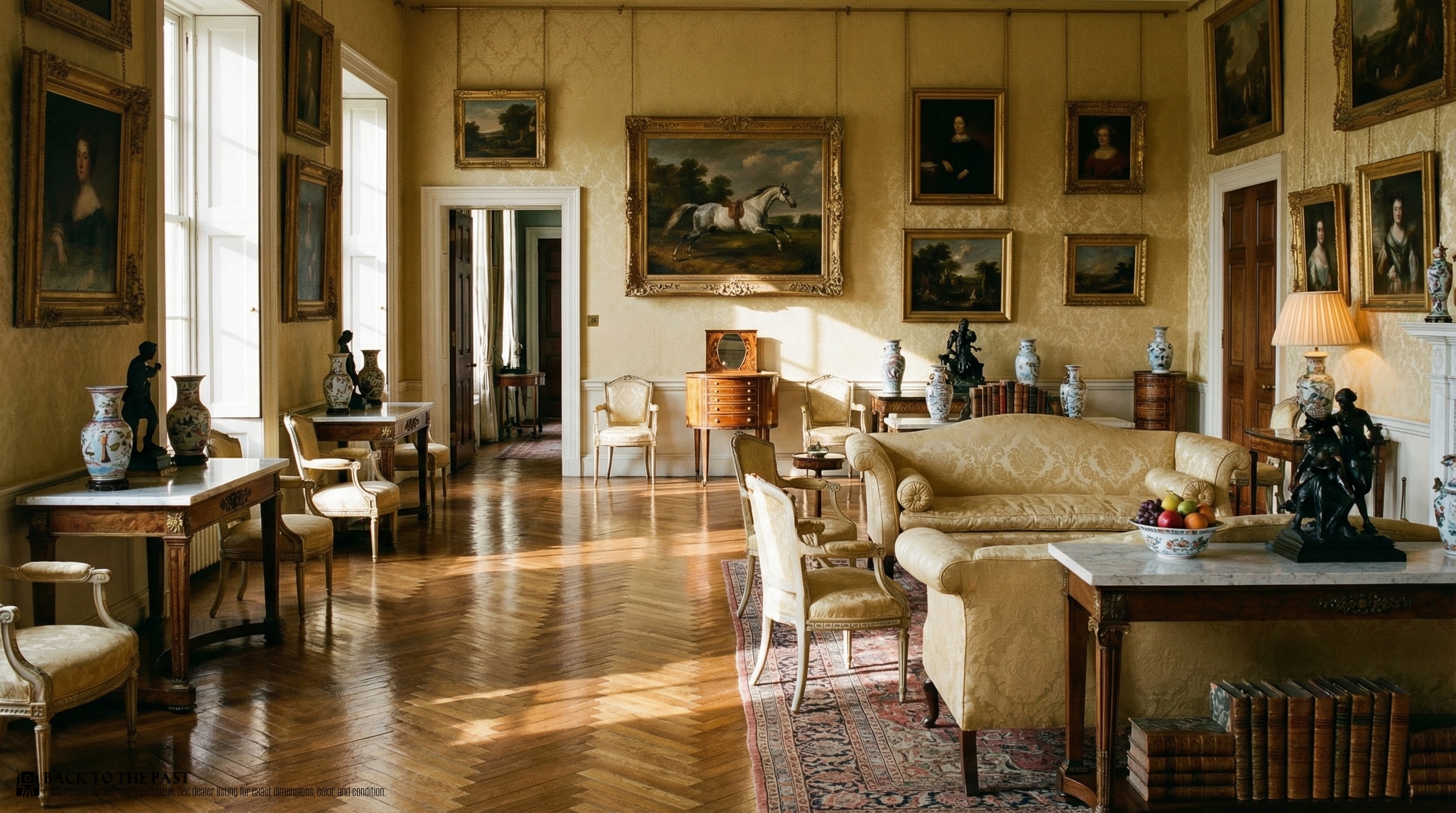
Georgian Ladies Work Table
When you search for a georgian ladies work table, you encounter small multipurpose furniture pieces designed for domestic pursuits like sewing and writing. These tables date primarily from the Georgian, Regency, and William IV periods, spanning the late eighteenth century into the nineteenth century.
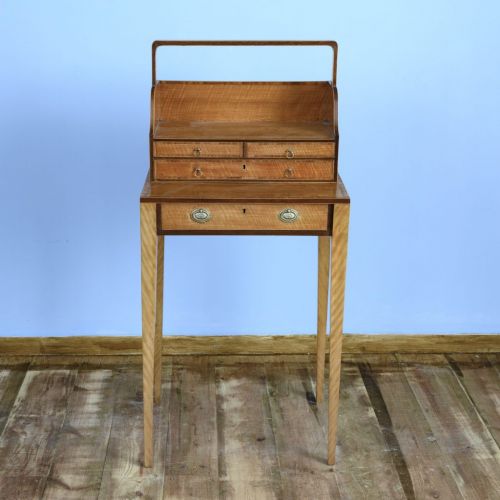
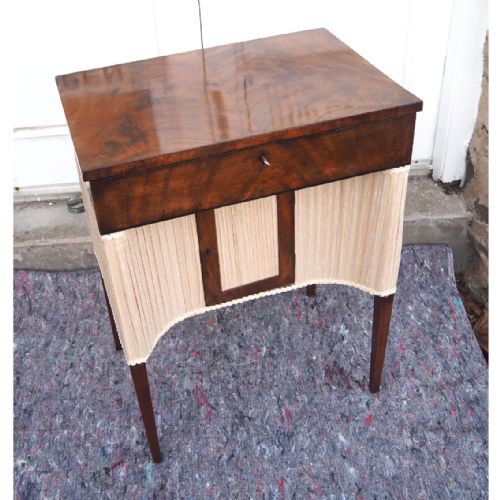
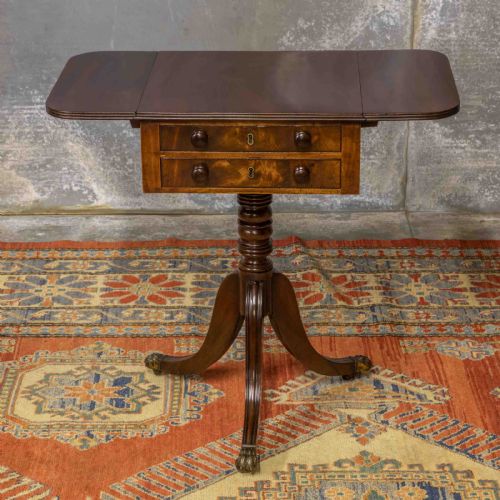
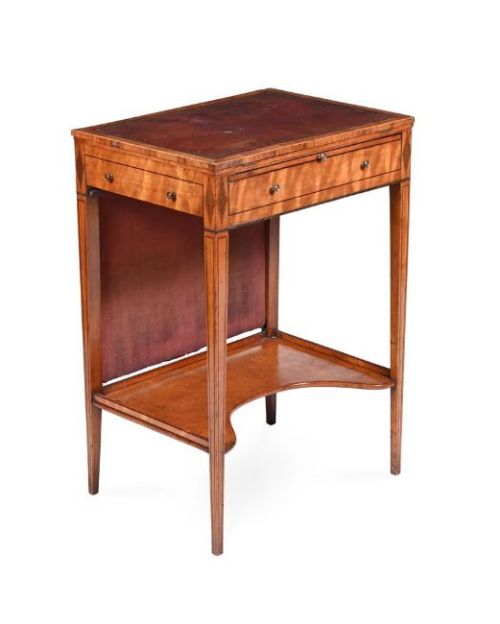
The pieces on this page appear in various forms, including drop leaf sewing tables, fitted writing desks, occasional tables, and table-top sewing boxes. Many examples incorporate specialised compartments, such as secret rising sections or fitted interiors for threads and implements.
Materials range from figured mahogany and satinwood to rosewood, silky oak, and tortoiseshell, frequently finished with specimen wood veneers or subtle inlay. Makers of the period engineered these compact items to serve as functional hobby tables within the parlour or boudoir.
How they were made
Cabinetmakers constructed these tables using solid timbers and carefully selected wood veneers, utilising flame mahogany, satinwood, and rosewood to create patterned exterior surfaces. Contrasting stringing and specimen wood veneers adorn the tops and borders of finer examples.
Joinery techniques included drop leaf hinges, sliding drawer mechanisms, and fitted internal compartments designed to house sewing accessories and writing materials. Delicate turned legs, brass castors, and sometimes rear screens complete the construction of these refined pieces.
Georgian Ladies Work Table Retail Price Guide 2026
Typical asking prices for georgian ladies work table among the pieces listed under this phrase on Sellingantiques today, from the lower quarter to the upper quarter. They describe what is for sale here now, not the wider market.
Some tables hide secret rising compartments, perfect for keeping small domestic mysteries safely out of sight.
What varies in quality
Quality in a georgian ladies work table depends largely on the choice of timber veneer and the intricacy of the internal fittings. Superior examples feature highly figured flame mahogany or finely detailed satinwood alongside complex arrangements of secret rising compartments.
The refinement of the decorative inlay, the crispness of the turning on the legs, and the cleverness of the mechanisms distinguishing sewing tables from writing desks separate standard utility pieces from exceptional cabinetwork.
The Georgian Ladies Work Table Glossary
- Cheveret
- A small multi-tier table featuring a removable book stand or writing box on top, supported by legs and fitted with a drawer.
- Drop leaf
- A table top configuration with hinged flaps on the sides that fold down to save space when not in use.
- Specimen wood
- Small pieces of various contrasting timbers utilised in geometric or pictorial inlay patterns to decorate furniture surfaces.
- Flame mahogany
- A decorative cut of mahogany timber displaying a distinctive rippled, flame-like grain pattern prized in cabinetmaking.
Georgian Ladies Work Table: Frequently Asked Questions
What is a georgian ladies work table used for?
These tables served primarily as compact stations for needlework, sewing, and light correspondence within private rooms.
They allowed individuals to keep thread, fabric, and writing implements organised inside fitted drawers and compartments.
How do I date a sewing table?
Dating relies on observing the prevailing wood choices, such as satinwood or flame mahogany, and structural traits like leg turning.
Periods like Regency or George III often feature specific decorative inlay motifs and brass hardware consistent with their era.
Are all these tables made of mahogany?
While mahogany appears frequently in the listings, makers also utilised satinwood, rosewood, silky oak, and tortoiseshell.
Some examples incorporate painted finishes or decorative specimen wood veneers across the surfaces.