


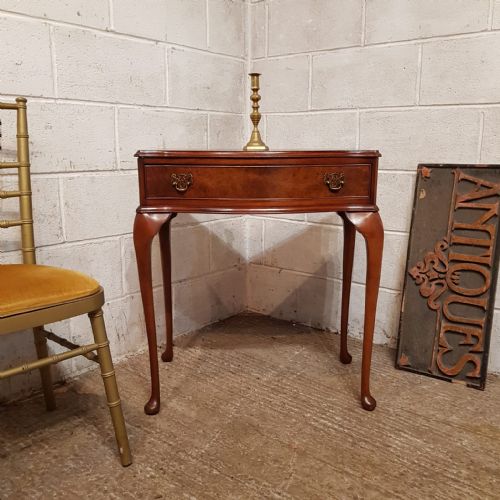


Queen Anne Revival Table
These queen anne revival table pieces bring rich walnut timber and elegant period proportions into modern rooms.
What They Are
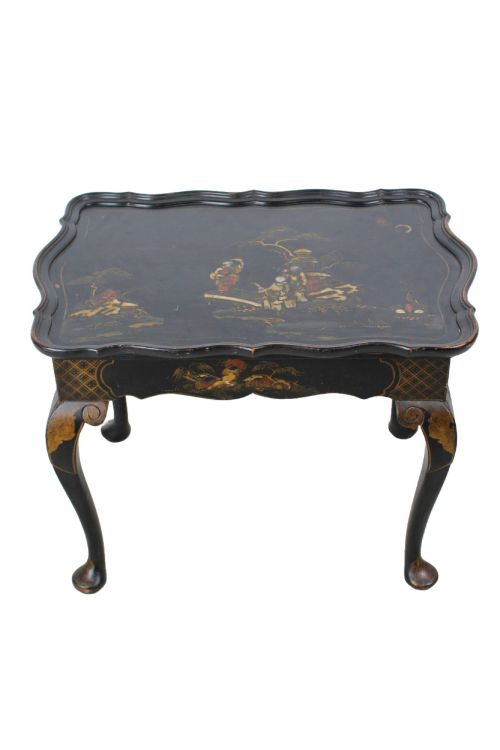
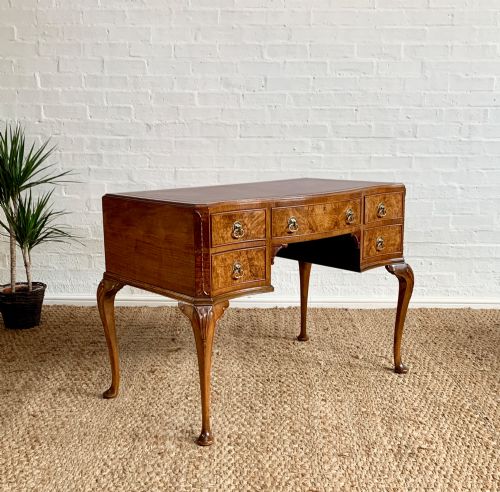
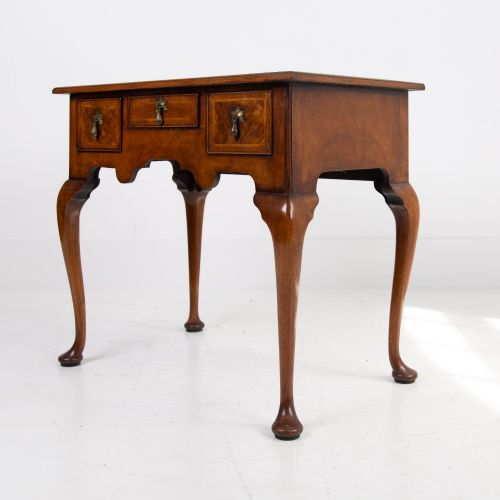
When you search for a queen anne revival table, you encounter early twentieth-century interpretations of eighteenth-century designs, most frequently appearing as coffee tables, side tables, and console tables.
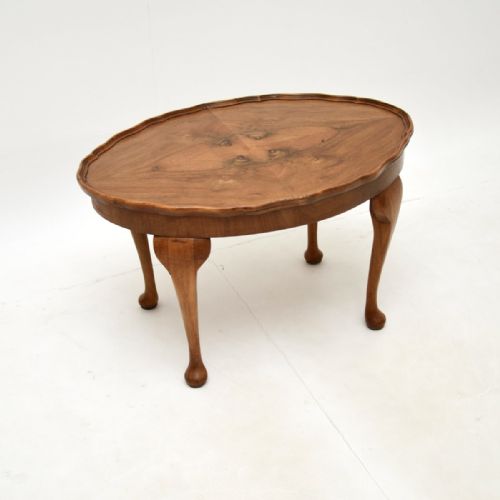
The evidence on this page points toward pieces fashioned from walnut and burr walnut, alongside occasional examples in elm.
These items span the Edwardian era through the nineteen-twenties and nineteen-thirties, capturing a distinct revivalist taste for graceful lines and figured timber veneers.
How They Were Made
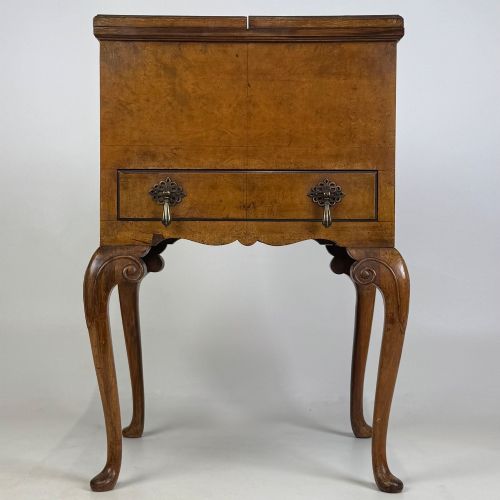
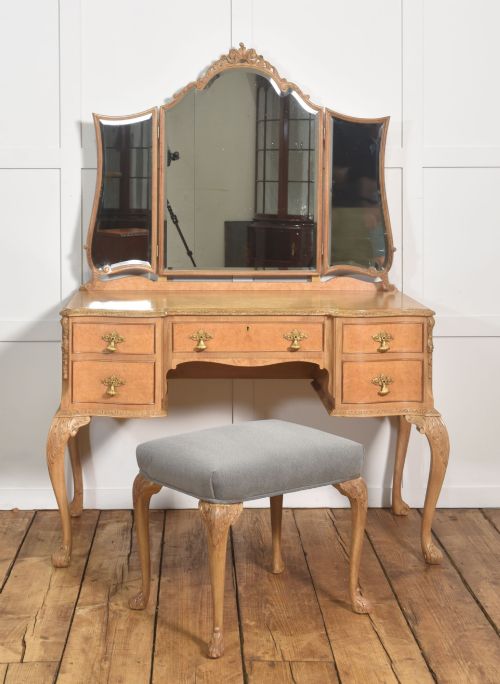
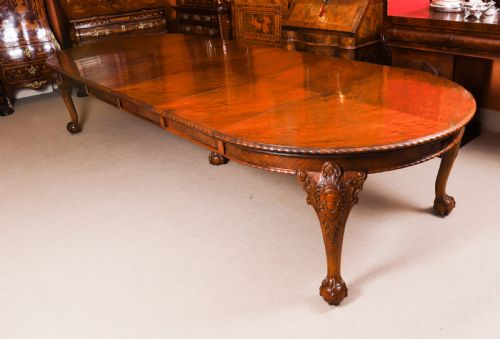
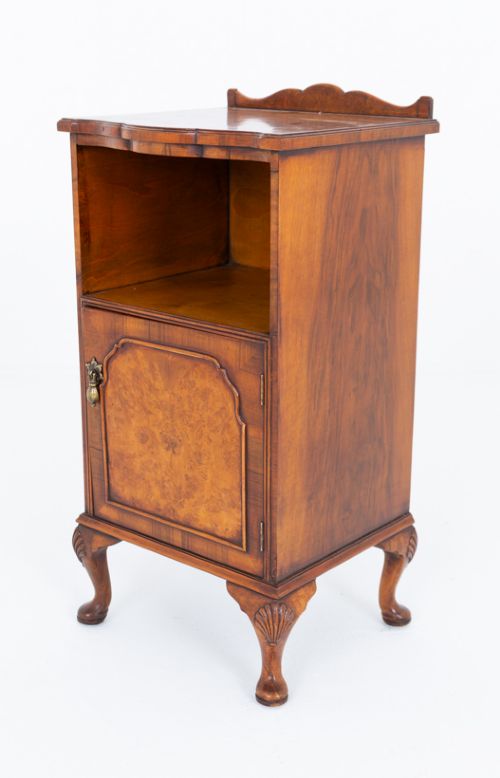
Maker construction relies heavily on figured timber, utilising walnut and burr walnut veneers to create striking surface patterns across table tops and drawer fronts.
Detailing includes brass hardware, pie crust edges, and occasional specialised forms like drop leaves or triptych dressing table mirrors.
Retail Price Guide 2026
Typical UK retail prices for queen anne revival table, calculated from the Sellingantiques database of over a million retail prices indexed since 2003. This retail price guide relies exclusively on Sellingantiques data; no external sources or auction records are used, so the figures do not describe the wider market.
Listings show walnut and burr walnut as the dominant materials across Edwardian and interwar items.
What Varies in Quality
Quality reveals itself in the choice of timber veneer, where deeply figured burr walnut commands attention compared to plainer walnut surfaces.
Refinement of form also dictates distinction, separating simple side tables from sophisticated console tables with bow fronts or multiple drawers.
The Queen Anne Revival Table Glossary
- Burr Walnut
- A beautifully figured wood grain prized for decorative veneer work. It comes from tree growths that produce swirling patterns.
- Lowboy
- A small side table or dressing table featuring drawers. This form provides useful surface space without bulk.
- Console Table
- A table designed to stand against a wall. These pieces often feature shallow depths and decorative fronts.
- Pie Crust Edge
- A raised, scalloped carved rim detail found on round table tops. This decorative flourish resembles pastry work.
Frequently Asked Questions
What is a queen anne revival table?
These pieces are twentieth-century interpretations of earlier eighteenth-century furniture styles. They capture the classic proportions of the original period while serving modern household functions.
You will find them most commonly configured as coffee tables, side tables, or console tables. Their construction relies heavily on rich walnut and burr walnut veneers.
How do I date these tables?
The pieces on this page typically date from the Edwardian era through the nineteen-twenties and nineteen-thirties. Revival furniture borrows historical aesthetics rather than originating in the actual reign of Queen Anne.
Examining the timber, construction methods, and hardware helps place these items within the early twentieth century. The revival movement particularly flourished during the interwar years.
Where should I place a console table?
Console tables fit neatly against hallway or living room walls where floor space is limited. Their shallow profiles offer surface display without obstructing movement.
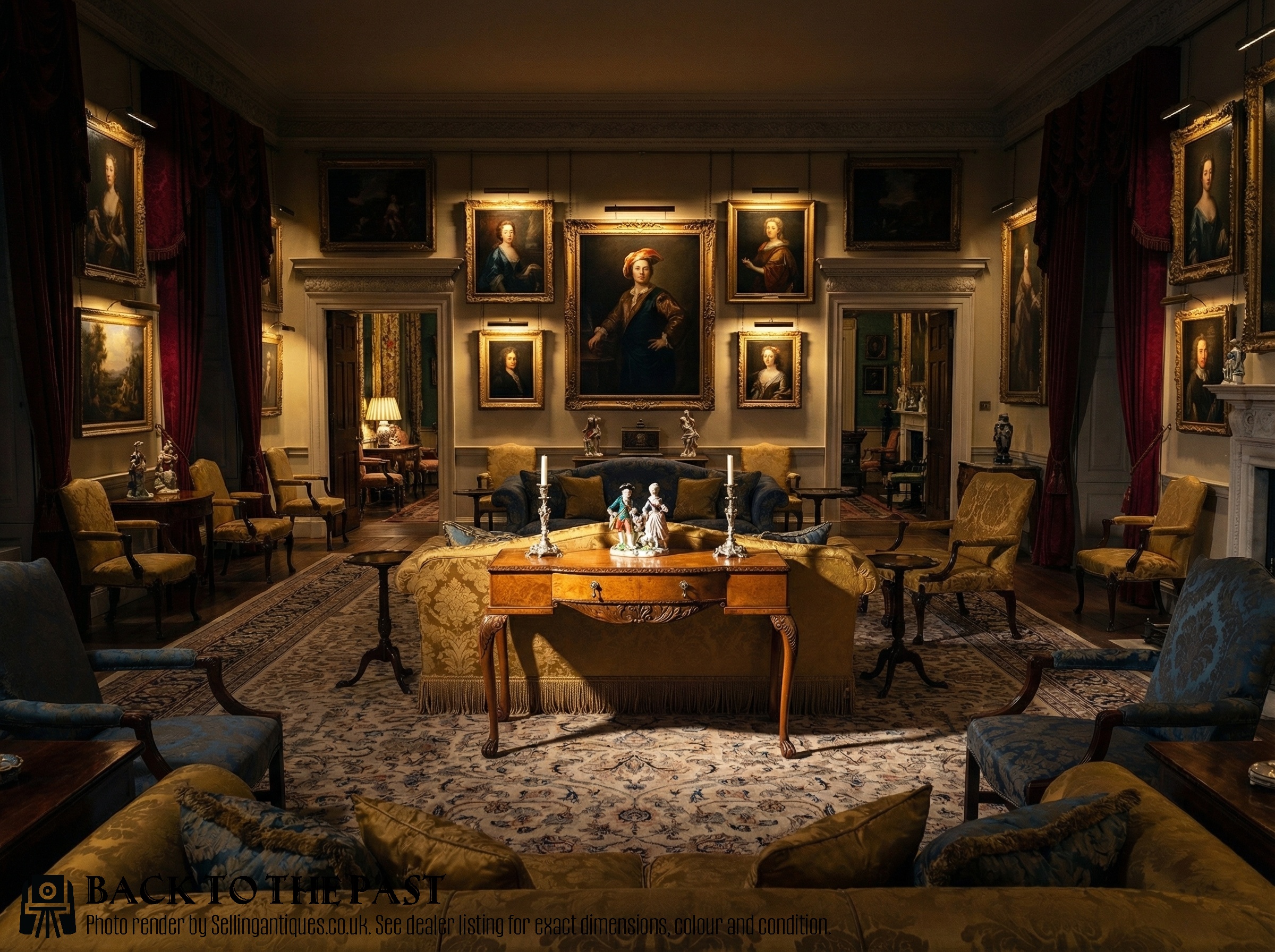
Many examples feature decorative bow fronts or burr walnut tops that draw the eye. They work well beneath mirrors or artwork.
How do I care for walnut veneer?
Walnut surfaces benefit from gentle dusting with a soft, dry cloth. Avoid placing timber furniture in direct sunlight or near heat sources to protect the veneer.
Applying occasional appropriate polish maintains the natural lustre of the wood. Careful handling preserves the delicate grain patterns for future generations.