
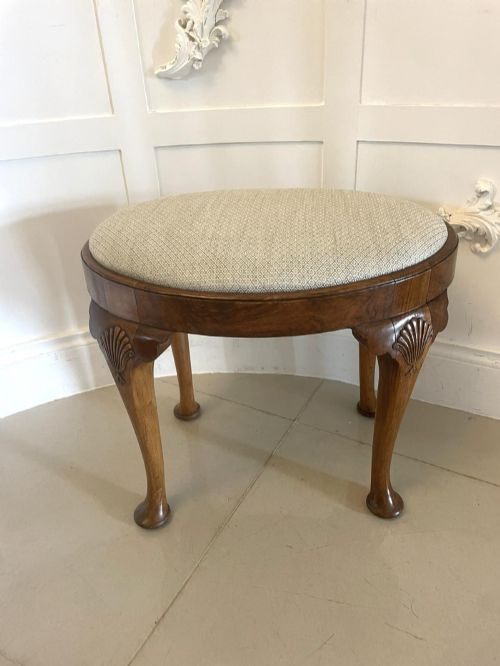
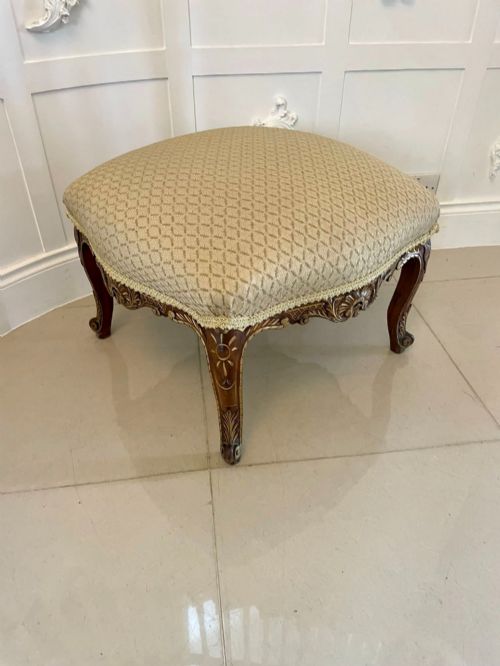
Vintage Walnut Vanity Table
A vintage walnut vanity table brings warmth and practicality to a bedroom, offering rich grain and surface space.
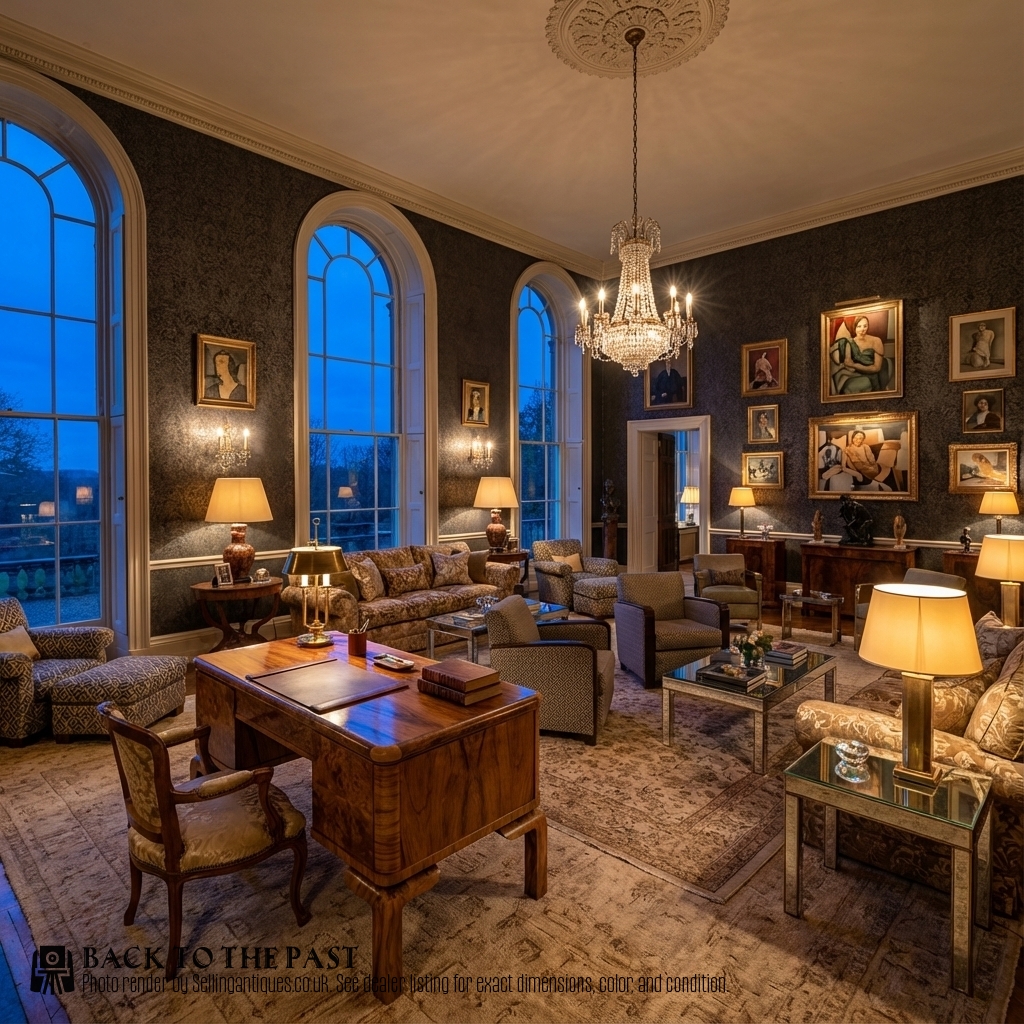
What a vintage walnut vanity table is
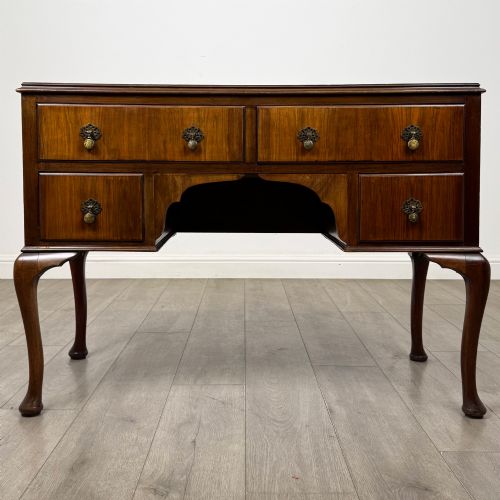
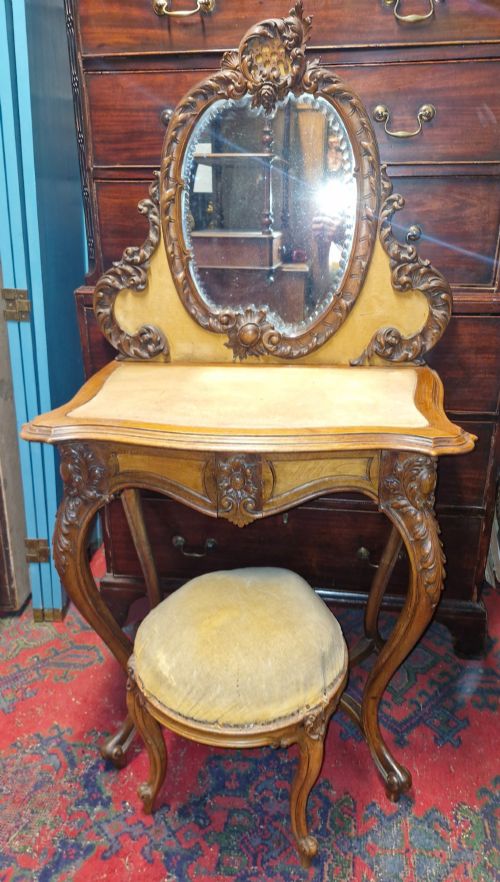
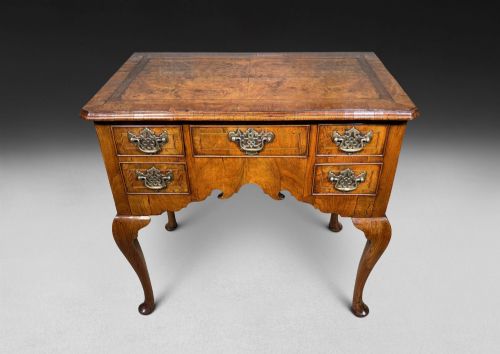
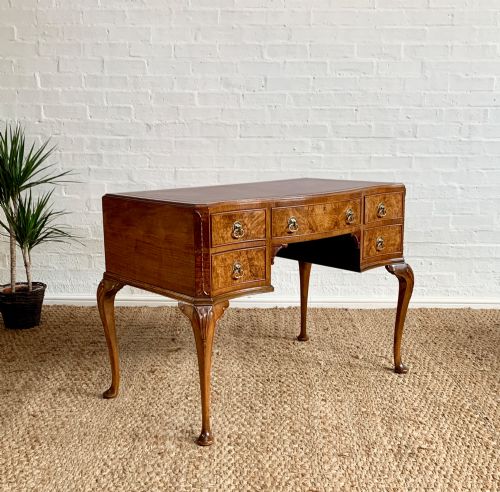
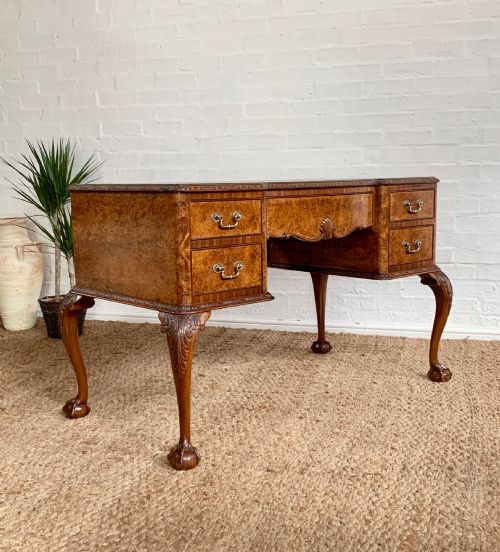
When you search for a vintage walnut vanity table, you encounter dressing tables, desks, writing tables, and side tables dating from the Edwardian era through to the 1930s. These pieces often feature kneehole designs, serpentine fronts, or lowboy proportions suited to domestic use.
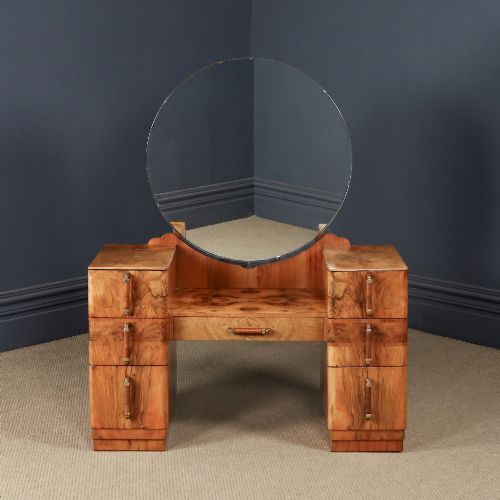
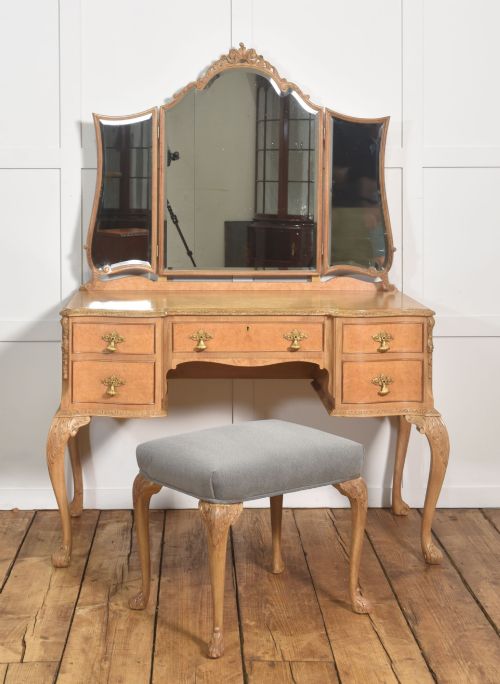
The most common form on this page combines a wooden surface with drawers and occasionally integrated mirrors, drawing on Queen Anne Revival and Art Deco styles. Origins span English workshops to continental makers, reflecting the varied tastes of the early twentieth century.
How they were made
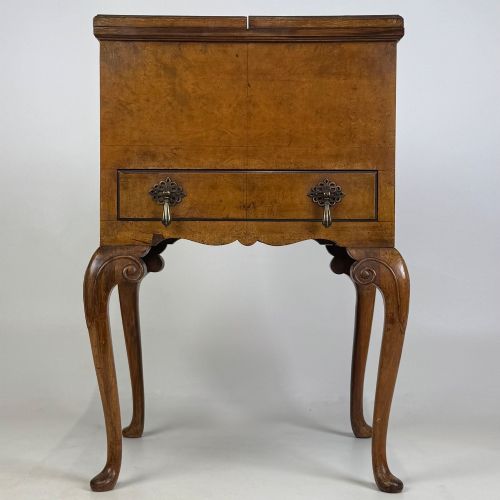
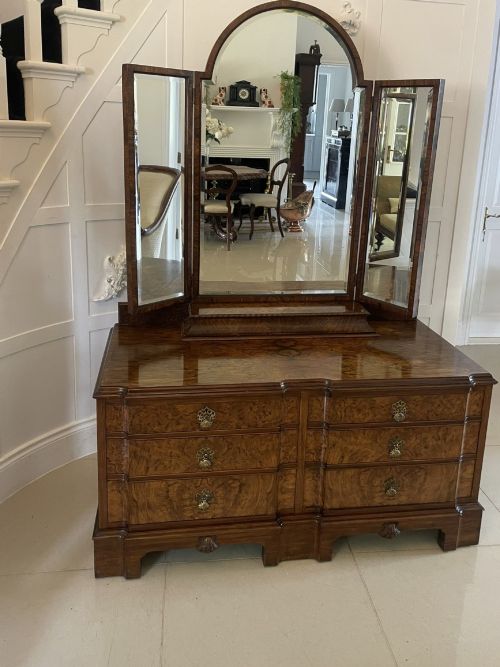
Cabinet makers utilised walnut timber, burr walnut, figured walnut, and walnut veneer applied over hardwood carcasses to create striking grain patterns across flat surfaces and curved drawer fronts. Brass fittings provide functional handles and accents.
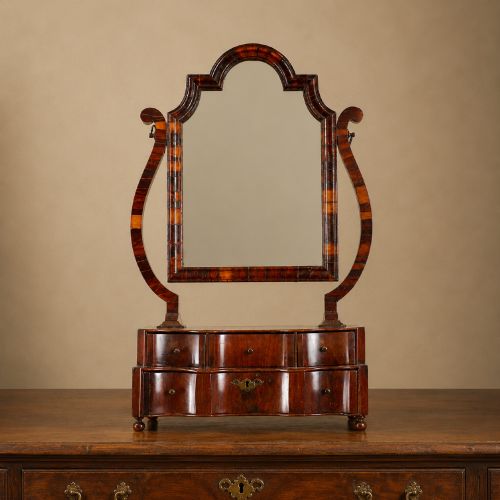
Writing and vanity surfaces frequently incorporate inset panels of green tooled leather, whilst pedestal and dressing tables integrate fitted glass components and adjustable mirrors into the overall structure.
Retail Price Guide 2026
Typical UK retail prices for vintage walnut vanity table, calculated from the Sellingantiques database of over a million retail prices indexed since 2003. This retail price guide relies exclusively on Sellingantiques data; no external sources or auction records are used, so the figures do not describe the wider market.
Burr walnut veneer is so intensely patterned that it occasionally creates accidental optical illusions resembling little woodland creatures in the grain.
What varies in quality
The distinction between standard examples and superior pieces rests on the choice of timber veneer and the precision of the cabinetwork. Figured and burr walnut displays complex, swirling grain patterns that demand expert matching across drawer fronts and tops.
Refined proportions, such as those found in Queen Anne Revival lowboys or stylish Art Deco pedestals, indicate a higher level of design ambition. The integration of quality brass hardware and well-tooled leather surfaces further elevates a piece.
The Vintage Walnut Vanity Table Glossary
- Burr walnut
- A prized veneer taken from the growth excrescence on a walnut tree, showing highly figured, swirling patterns.
- Kneehole desk
- A desk or vanity table featuring a central recess for the legs, flanked by pedestals of drawers.
- Lowboy
- A small table with drawers, typically standing on four tall legs, popular during revival periods.
- Serpentine front
- A furniture front that curves outward in the centre and inward at the sides in an undulating line.
- Queen Anne Revival
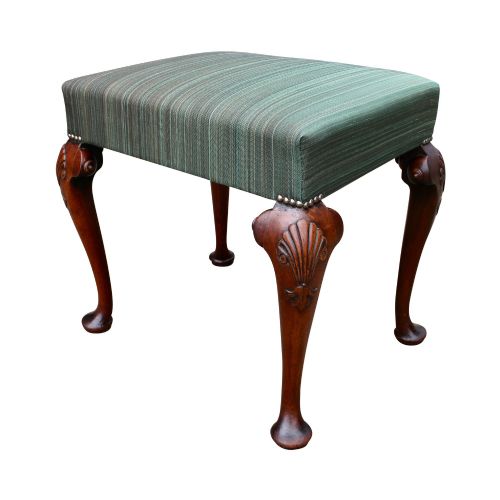
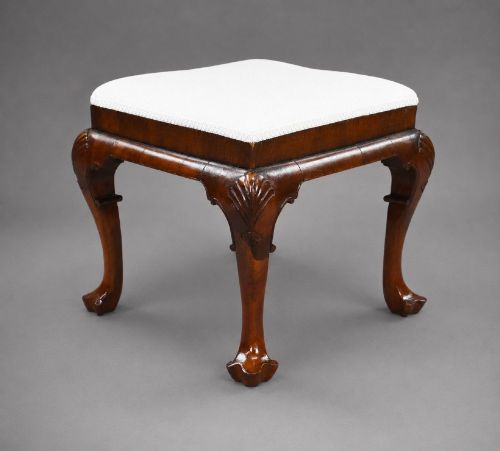
- A stylistic movement looking back to early eighteenth-century forms, characterised by cabriole legs and pad feet.
Frequently Asked Questions
What periods do these tables come from?
The pieces span from the Edwardian period through the 1920s and into the 1930s. Styles range from traditional revival forms to sleek Art Deco designs.
Date attribution relies on construction methods, hardware styles, and distinct aesthetic movements recorded in the evidence.
How do I identify burr walnut?
Burr walnut exhibits a distinctive, highly figured grain filled with small swirling knots and organic patterns. It is typically used as a veneer on prominent surfaces like drawer fronts and tops.
This timber creates a dramatic visual texture that sets it apart from straight-grained walnut.
Were these tables used for writing or grooming?
Many pieces serve a dual purpose or share forms between writing desks and dressing tables. Some incorporate dedicated mirrors and pedestal compartments specifically for vanity use.
Others focus on flat writing surfaces inset with leather and organised with multiple drawers.
How do I live with a walnut vanity table?
Place the table away from direct sunlight and extreme temperature fluctuations to protect the walnut veneer and timber. Regular gentle polishing maintains the lustre of the wood.
Leather writing surfaces benefit from avoiding moisture and being kept free of dust.