
Provincial Wooden Table
A provincial wooden table brings honest domestic utility and regional character into a room.
Provincial Wooden Table
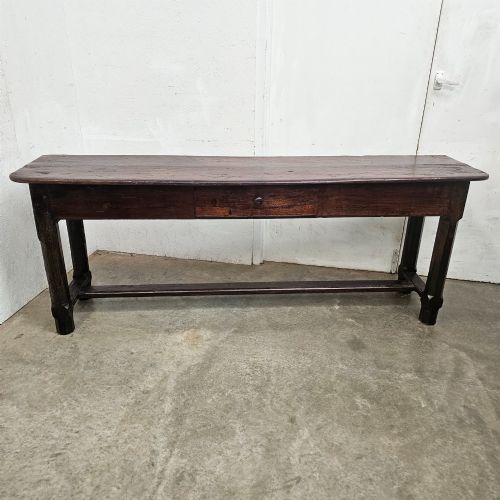
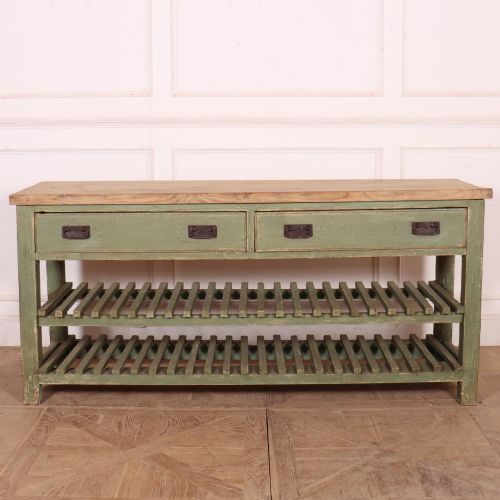
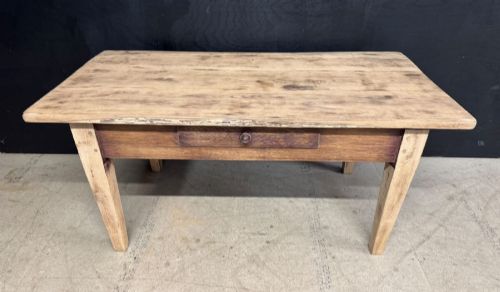
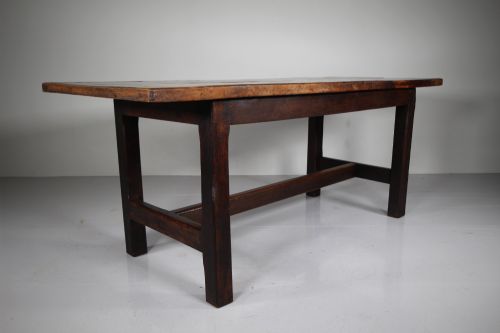
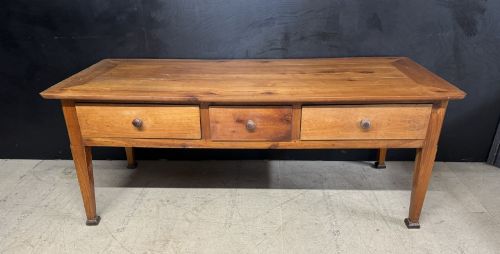
When you search for a provincial wooden table, you encounter domestic furniture shaped by regional traditions rather than urban fashion. The pieces listed span dining tables, coffee tables, bedside tables, console tables, and butchers blocks originating from country workshops.
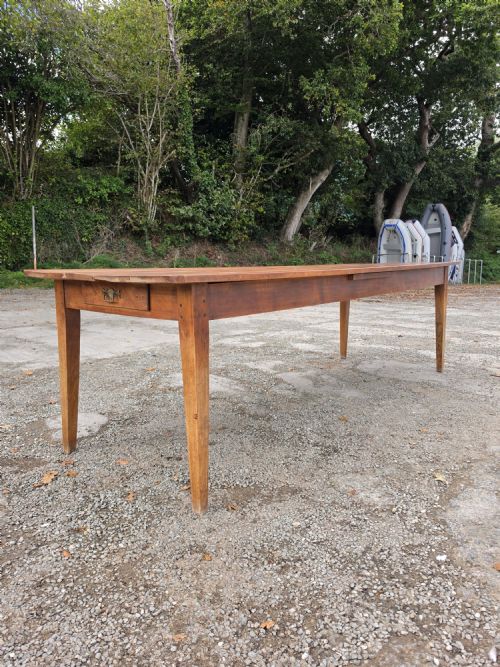
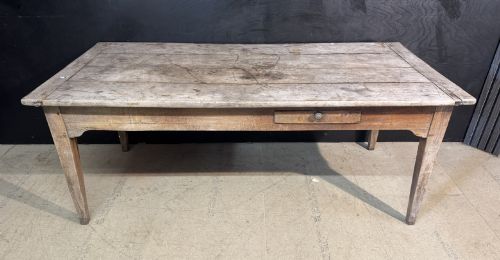
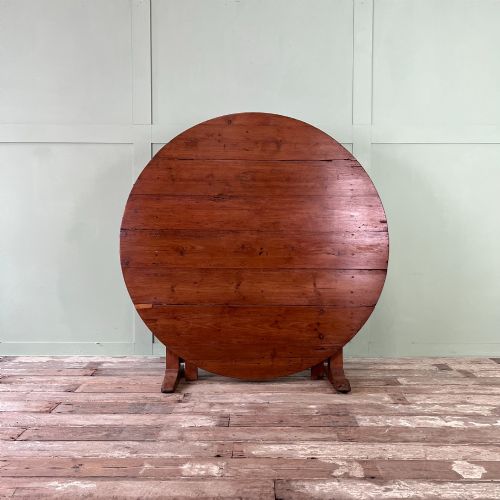
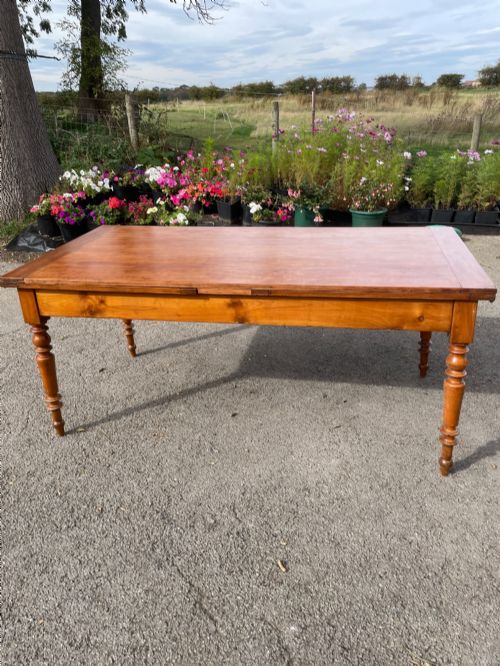
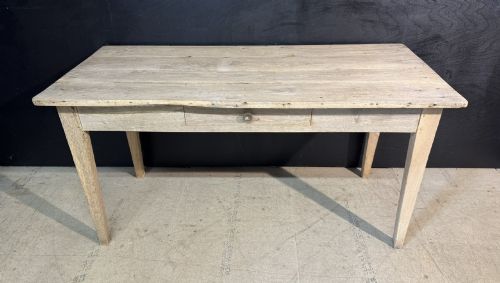
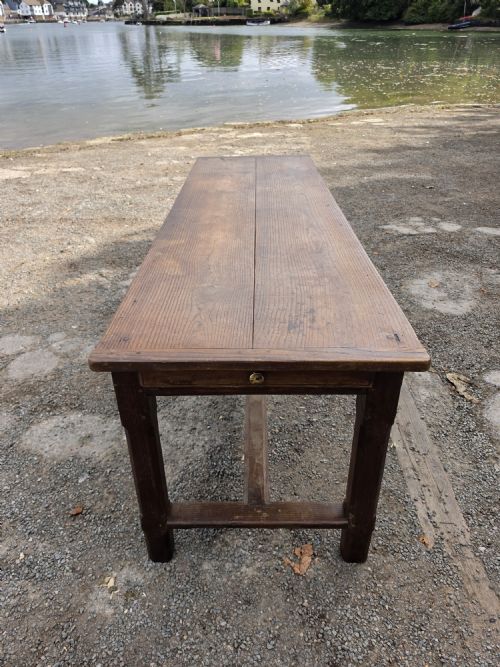
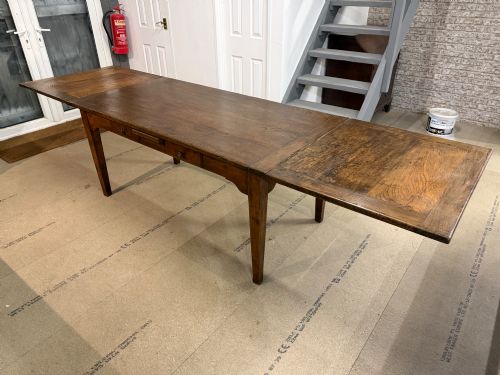
You are most likely to meet 19th-century examples in oak, fruitwood, and pine. These forms range from large farmhouse dining tables with two-board tops to smaller side tables, work tables, and games tables.
Styles lean towards French provincial, rustic farmhouse, and vernacular rural designs. The construction prioritises everyday utility, robustness, and straightforward domestic service over ornate court furniture.
How provincial wooden tables were made
Country joiners utilised regional timbers such as oak, fruitwood, cherrywood, walnut, elm, pine, and beech. Timber selection depended entirely on local woodland availability rather than imported exotic stocks.
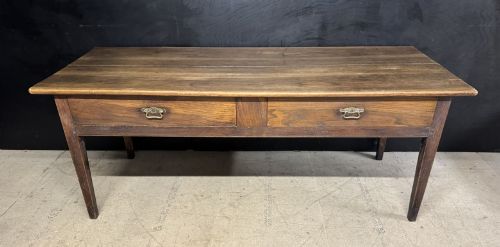
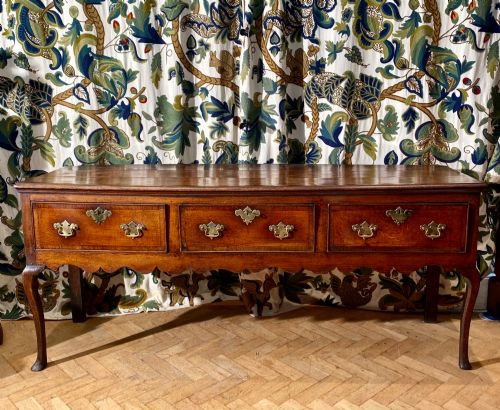
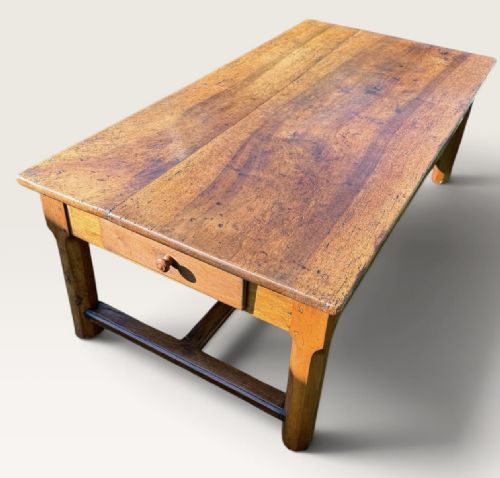
Makers constructed tops from thick boards, sometimes supported by sturdy stretchers, turned legs, or gnarled natural supports. Brass hardware appeared selectively on drawers and drop-leaf mechanisms.
Surfaces received simple finishes that exposed the natural grain and growth rings of the wood. Over decades of daily domestic use, these timbers developed a deep, rich patina.
The listings show 19th-century oak and fruitwood dining tables alongside 18th-century cherrywood and elm farmhouse boards.
What varies in quality
The distinction between ordinary utility items and superior provincial pieces lies in the selection and preparation of the timber. A top fashioned from wide, single-growth planks carries greater visual weight than joined scraps of lesser wood.
Joinery execution dictates the longevity and structural integrity of the table. Hand-cut joints that remain tight without excessive modern intervention separate thoughtful regional craftsmanship from hurried output.
Surface preservation and untouched patination define the upper tier of surviving examples. Tables retaining their original gnarled legs, unbleached pine surfaces, or authentic fruitwood colour hold superior character.
The Provincial Wooden Table Glossary
- Refectory table
- A long dining table historically used in communal halls and large country kitchens. These pieces typically feature sturdy stretcher bases to maintain stability over long spans.
- Fruitwood
- Timber harvested from fruit-bearing trees such as cherry, pear, or apple. Makers utilised these dense woods for their warm tone and fine grain in regional furniture.
- Parquetry
- A geometric mosaic of wood pieces used for decorative surfacing on tabletops. This technique demonstrates more formal cabinet-making skill within country pieces.
- Dough bin
- A domestic wooden chest integrated into a table or frame, historically utilised for kneading bread. These dual-purpose forms represent authentic vernacular rural life.
- Patina
- The surface sheen and colour acquired by wood through decades of handling, polishing, and exposure to light. Collectors value this visual evidence of age.
Provincial Wooden Table: Frequently Asked Questions
How do I clean a wooden table?
Dust the surface regularly with a soft, dry cloth to remove grit that might scratch the timber. Avoid modern silicone polishes that build up a hazy film over the historic finish.
Nourish dry wood occasionally with a traditional beeswax paste applied sparingly and buffed gently. Keep the piece away from direct heat sources and strong sunlight to prevent warping and splitting.
What is a fruitwood table?
A fruitwood table is constructed from timber gathered from orchard trees such as cherry, apple, or pear. These woods yield a warm, reddish-brown tone and a smooth grain that mellows deeply with age.
Country makers turned to these local fruit timbers when oak or walnut was scarce or costly. They bring a distinct warmth to smaller tables and provincial dining pieces.
Are farmhouse tables durable?
Farmhouse tables were built for heavy daily domestic labour, utilising thick solid boards and robust joinery. Elm, oak, and cherry tops withstand regular family use and dining.
Minor knocks and surface marks accumulated over generations only add to the honest character of the wood. Proper structural care ensures these tables remain serviceable for decades more.
How do I identify vernacular furniture?
Vernacular furniture displays local building traditions and materials rather than academic architectural styles. Look for regional quirks in leg turning, drawer construction, and timber choice.
These pieces were made by country joiners for practical farmhouses and cottages. Their unassuming forms reflect the specific needs of rural domestic life.