


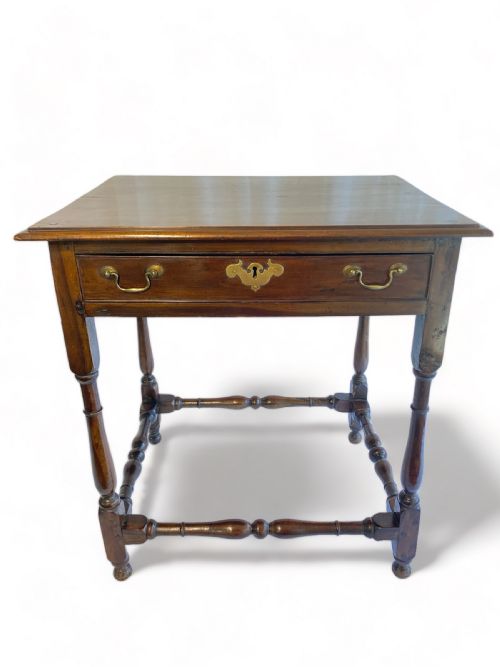

Fruitwood Hall Table
A fruitwood hall table is a practical antique surface built from dense, characterful timber, bringing warmth and enduring utility to an entrance.

Fruitwood Hall Table
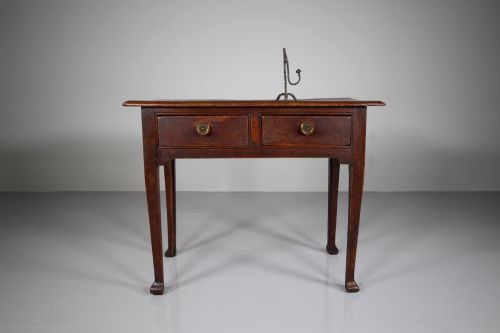
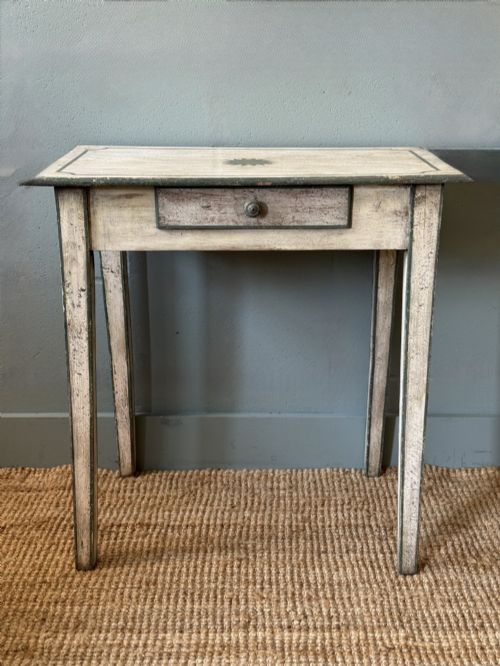
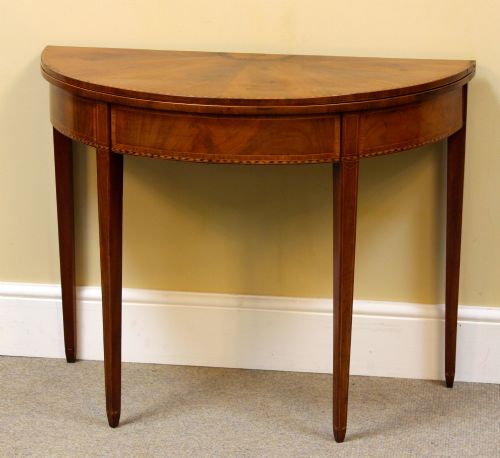
A fruitwood hall table encompasses side tables, lowboys, and occasional tables designed for narrow spaces and passage areas. The selection spans the eighteenth and nineteenth centuries, featuring Georgian English examples alongside French provincial and continental forms.
Buyers frequently encounter side tables and lowboys fitted with drawers, alongside occasional tables and console forms. These practical surfaces served domestic spaces historically and continue to function effectively in modern hallways.
How they were made
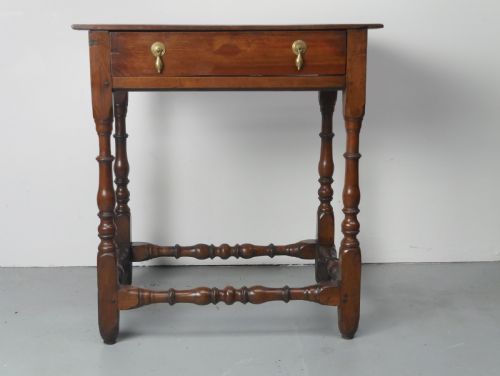
Cabinetmakers utilised dense timbers such as fruitwood, cherry, and walnut, frequently combining them with secondary woods like oak, elm, or alder for structural elements. Turned legs, stretchers, and carved cabriole legs provide stability and support across these pieces.
Construction techniques include traditional joinery combined with turned woodwork and occasional brass hardware. Surfaces display natural grain patterns, sometimes enhanced through paint finishes or simple drawer configurations.
Listings feature pieces spanning the 1700s to 1920, predominantly utilising fruitwood, walnut, oak, and cherry.
What varies in quality
The distinction between standard and superior pieces lies in the selection of timber and the sophistication of the joinery. Tables featuring sophisticated carved cabriole legs or thoughtful integration of walnut and fruitwood demonstrate higher craftsmanship.
Proportion and structural integrity define the better examples, where turned legs and stretchers remain firm and well-balanced. Original hardware and sound drawer construction further elevate the standing of an individual piece.
The Fruitwood Hall Table Glossary
- Lowboy
- A small occasional table featuring one or more drawers, typically raised on tall legs. These pieces were historically used for storage and grooming.
- Stretchers
- Horizontal wooden bars connecting the legs of a table to provide structural support and stability. They are common in earlier vernacular furniture.
- Cabriole leg
- A furniture leg that curves outward and then tapers inward, finishing in a pad or foot. This form is characteristic of Georgian and period designs.
- Demi-lune
- A half-moon shape used for console and card tables designed to sit flush against a wall. This form saves floor space in narrow hallways.
- Dresser base
- A robust lower cabinet structure fitted with drawers, offering generous surface area and storage. They originate from farmhouse and provincial kitchens.
Fruitwood Hall Table: Frequently Asked Questions
What is a fruitwood hall table used for?
These tables provide a functional surface in entryways and narrow corridors for holding everyday items. Historically, they served domestic working spaces as lowboys, side tables, or serving surfaces.
Today, they suit modern hallways well, offering a compact footprint for lamps, post, and decorative objects without crowding the passage.
Are fruitwood tables durable for daily use?
Fruitwood is a hard timber that resists everyday wear well, making these tables robust enough for regular use in busy hallways. Solid construction methods, including wood-turned legs and stretchers, add to their structural longevity.
Routine care involving gentle cleaning and wax maintenance preserves the timber surface over generations of use.
What is the difference between a lowboy and a side table?
A lowboy is specifically a low table featuring one or multiple rows of drawers beneath the work surface, originating in the seventeenth and eighteenth centuries. Side tables encompass a broader category that may or may not include drawers.
Both forms function effectively in a hall setting, though lowboys offer integrated storage within their compact frames.