



18th Century End Table
When you search for an 18th century end table, you find versatile timber pieces designed for intimate domestic use.
18th Century End Table
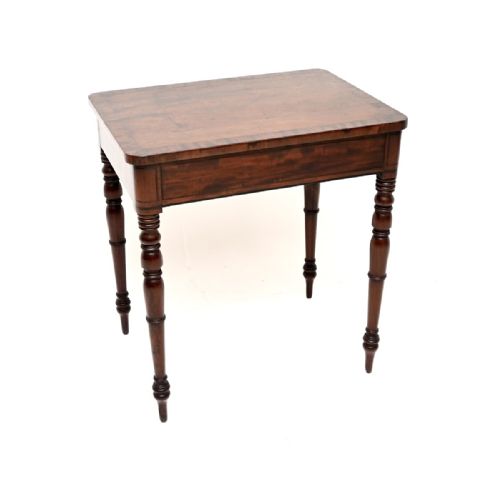
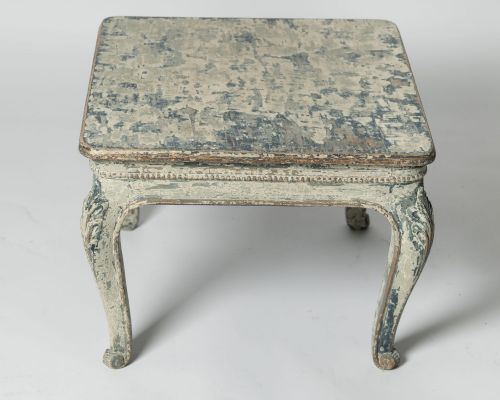
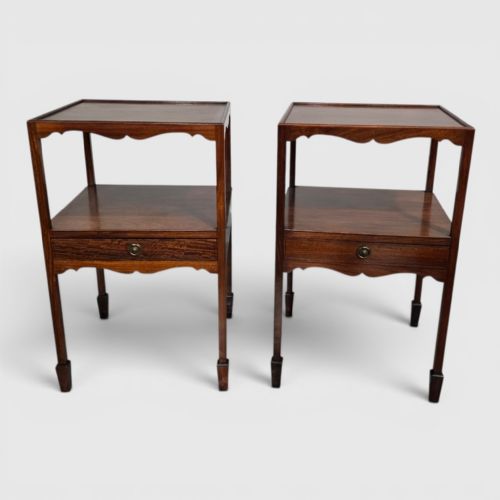
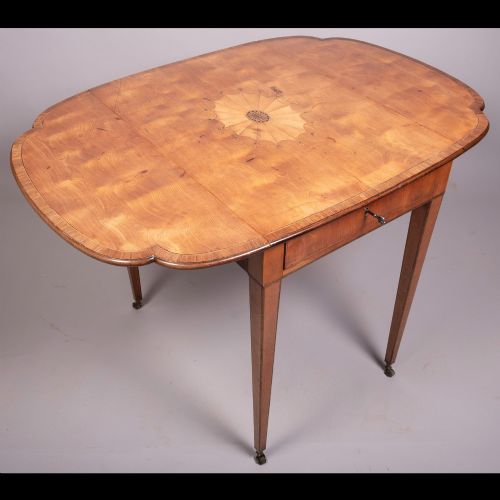
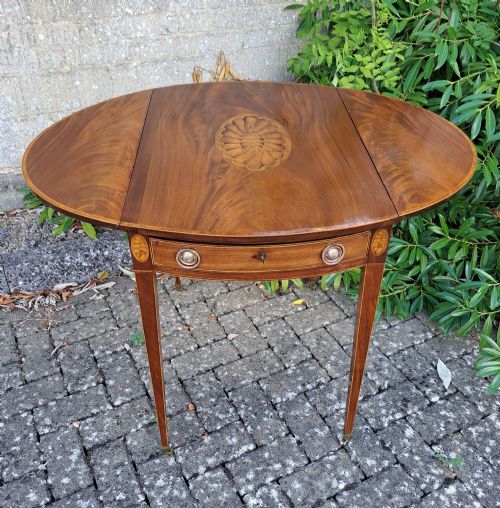
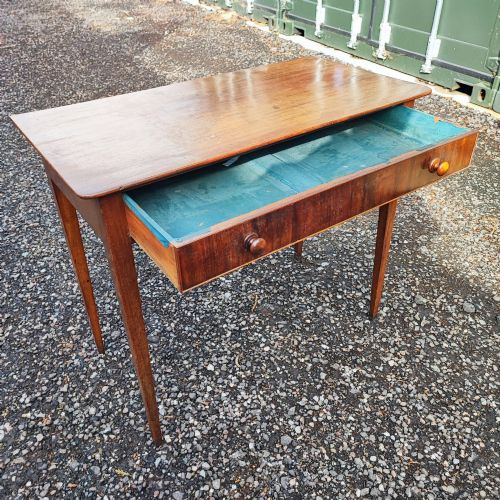
The 18th century end table encompasses a broad category of compact furnishings including side tables, occasional tables, lamp tables, and Pembroke tables. These pieces served flexible functions in period interiors, from holding bedside lighting to supporting tea service or reading materials.
Most examples encountered on this page date from the Georgian period or carry 18th century stylistic traits executed in mahogany, oak, or walnut. Alongside British forms, French provincial designs and Italian lime wood variants appear, reflecting diverse regional cabinet-making traditions.
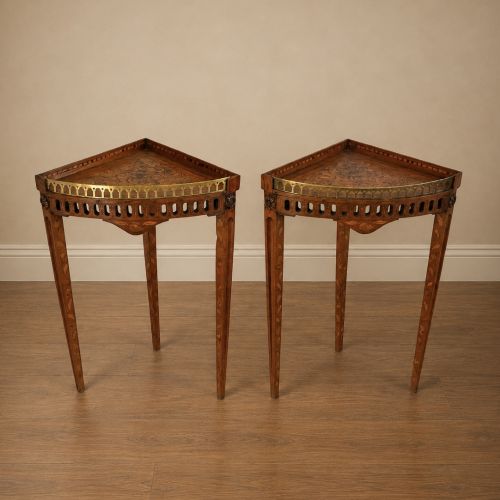
Buyers frequently encounter drop-leaf Pembroke tables and slender corner tables designed to utilise awkward interior angles. The survival of these domestic items demonstrates the enduring utility of compact 18th century tables in modern settings.
Materials and Construction
Cabinet-makers relied heavily on dense timbers such as mahogany, oak, and walnut, frequently pairing them with secondary woods like elm, pine, or fruitwood. Surfaces often display decorative elements including satinwood inlay, marquetry, painted finishes, and brass hardware such as galleries and drop handles.
Joinery techniques dictated the longevity of these tables, utilising pegged mortise and tenon joints in early oak pieces and sophisticated dovetailing in later mahogany drawer construction. Turning lathes produced bobbin-turned or wood-turned legs and stretchers, while specialist craftspeople executed delicate carving and veneer work.
Tables featuring sliding breadboard ends and hidden drawers managed centuries of household secrets.
Assessing the Craftsmanship
Quality reveals itself in the selection of timber and the precision of the joinery rather than mere ornamentation. Finer examples display carefully matched grain patterns, crisp carving, and robust structural integrity that has survived centuries of daily use.
The integrity of secondary components, such as original drawer linings, period brasses, and undamaged veneer or inlay, distinguishes superior specimens. Tables retaining their authentic surface patination and minimal structural alteration command greater appreciation among collectors.
Thomas Chippendale·Mayhew and Ince
The 18th Century End Table Glossary
- Pembroke table
- A small domestic table featuring two hinged drop leaves on opposing sides, often equipped with a single drawer. Thomas Chippendale and other period makers popularised this versatile design for breakfast or writing.
- Marquetry
- A decorative technique applying fitted pieces of veneer to form geometric or floral patterns on furniture surfaces. Craftsmen utilised contrasting timbers like satinwood and mahogany to achieve visual depth.
- Gateleg table
- A form featuring hinged legs that swing outward to support folding leaves. This mechanism allows a compact surface to expand significantly.
- Brass gallery
- A pierced or solid protective rail fixed around the perimeter of a tabletop. These fixtures prevented small items from sliding off fragile surfaces.
- Patina
- The surface sheen and colour developed by timber over decades of handling, polishing, and natural ageing. Unaltered patination is highly valued by traditional furniture enthusiasts.
18th Century End Table: Frequently Asked Questions
What distinguishes an 18th century table?
These tables are defined by period timber selection, traditional joinery methods, and proportions designed for historic domestic spaces. Genuine examples display the natural wear and patination accumulated over three hundred years.
Construction details such as hand-cut dovetails and pegged joints further separate authentic period items from later reproductions.
How were Pembroke tables used?
Pembroke tables served as multi-purpose furniture for breakfast, writing, or needlework within Georgian homes. Their folding leaves allowed them to sit compactly against a wall when not in use.
Owners moved them easily around rooms to suit changing daily activities and social gatherings.
Where should I place an antique table?
Compact antique tables suit hallways, beside seating arrangements, or as bedside surfaces in contemporary bedrooms. Their modest proportions allow them to function effectively in spaces where modern furniture might overwhelm the room.
Keeping them away from direct heat sources protects the historic timber and veneer from splitting.
How do I identify oak versus mahogany?
Early oak pieces display a visible, coarse grain with characteristic medullary rays, often carrying a deeper, polished brown tone. Mahogany, which dominated later 18th century cabinet-making, exhibits a tighter, reddish-brown grain that accepts fine carving and high polish.
Walnut represents an intermediate period, showing a rich, figured grain pattern popular before mahogany became the dominant timber.