





Georgian Fruitwood Desk
A georgian fruitwood desk brings warmth and honest regional character to a room, offering tactile timber surfaces shaped by eighteenth and nineteenth-century hands.
Georgian Fruitwood Desk
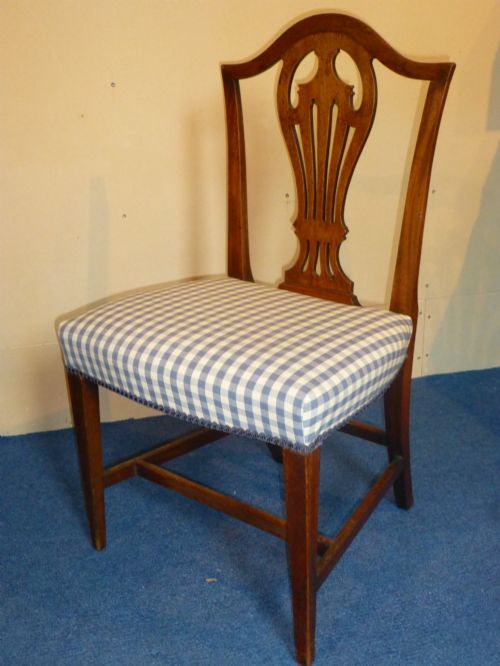
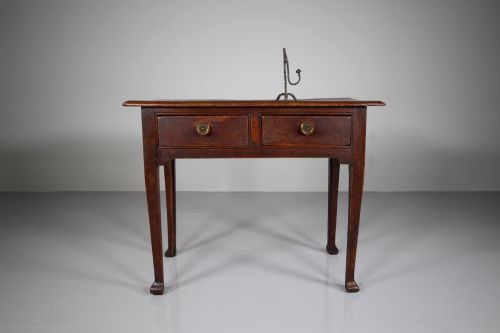
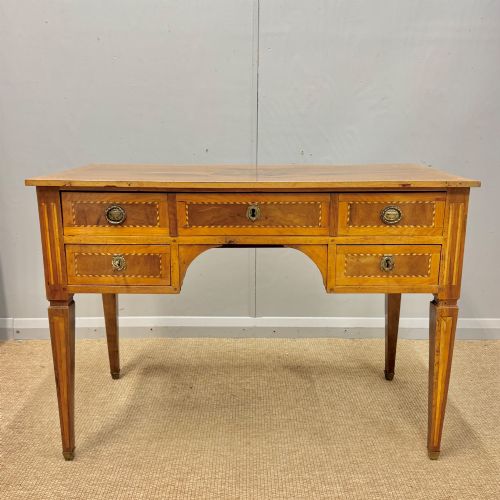
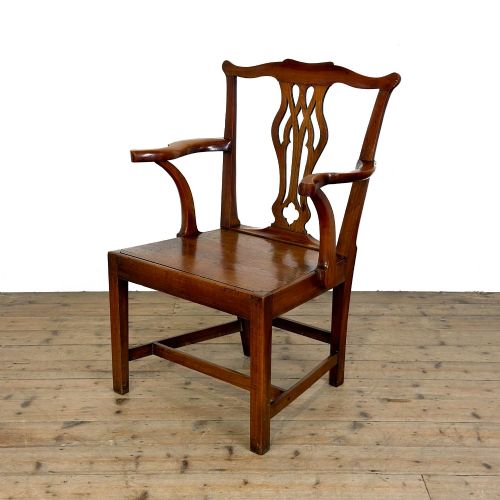
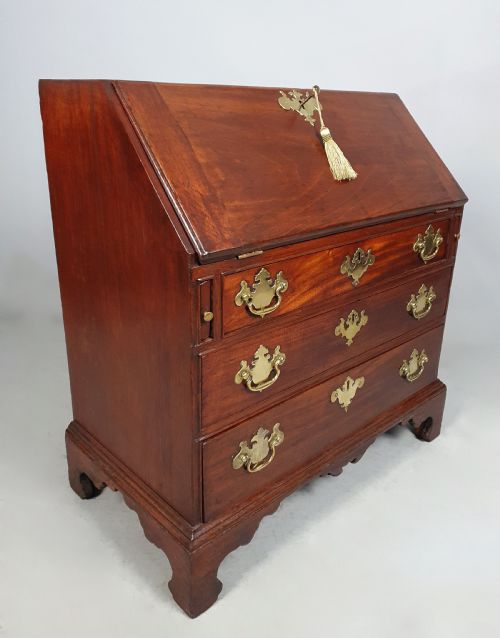
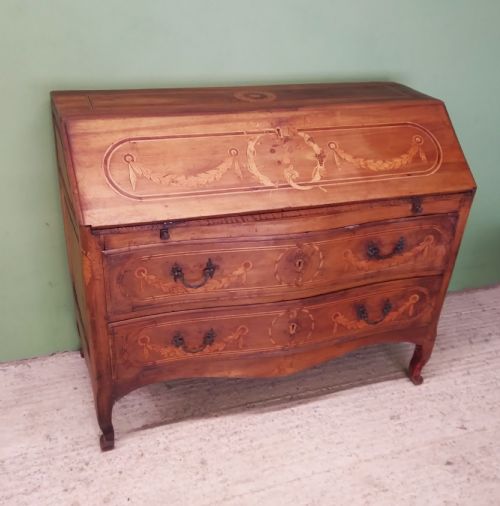
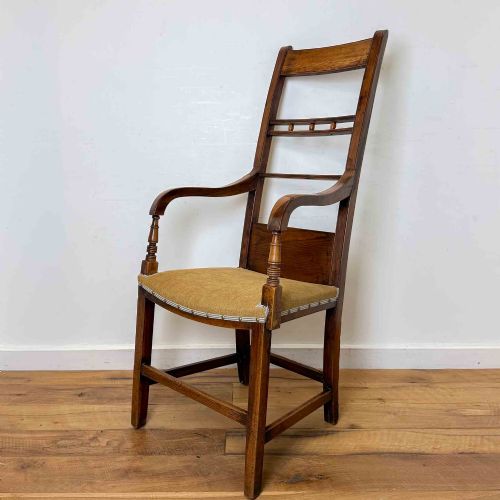
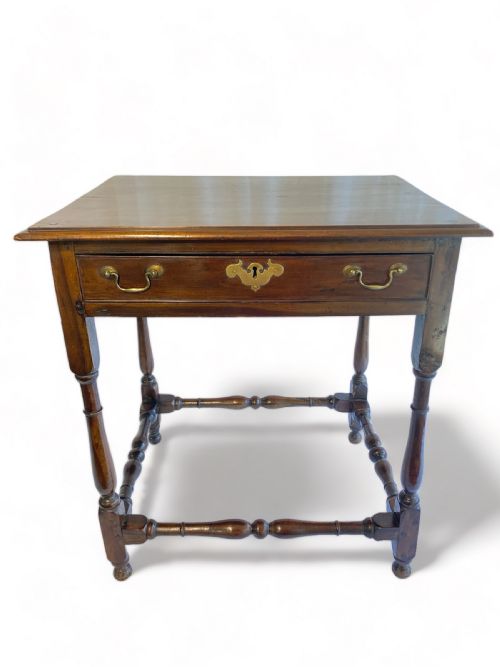
The selection blends formal George II and Chippendale styles with English regional country pieces and continental examples, including marquetry-decorated pieces. Alongside traditional desks, the evidence reveals related forms like lowboys, kneehole desks, and writing chairs that share the same warm timber palette.
Most items date from the eighteenth century through to the Regency period, demonstrating how cabinetmakers utilised accessible local fruitwoods to create durable working furniture. These pieces combine domestic utility with the distinct grain patterns and patination peculiar to softer deciduous fruit trees.
Materials and construction methods
Makers constructed these pieces using fruitwood as a primary timber, frequently pairing it with structural secondary woods such as oak, elm, and cedarwood. This combination provided the necessary strength for drawers and framing while showcasing the varied hues of the fruit tree timber.
Surface decoration relies on contrasting veneers, marquetry inlay, and traditional wood-turned legs and stretchers rather than heavy gilding or exotic imports. Cabinetmakers employed local woods deliberately, often augmenting fruitwood structures with walnut or brass handles and mounts.
Listings feature eighteenth-century and Regency pieces constructed from fruitwood, elm, oak, walnut, and cedarwood.
Distinctions in quality and execution
Quality separates simple regional vernacular work from sophisticated urban cabinet-making, visible in the precision of the joinery and the complexity of decorative marquetry. Finer examples display meticulous attention to timber selection, ensuring harmonious grain matching across writing surfaces and drawer fronts.
The sophistication of the carved elements, such as cabriole legs on lowboys or refined Chippendale styling on chairs and bureaus, marks the upper tier of the range. Simpler country pieces rely on the inherent charm of the fruitwood and elm rather than elaborate ornamentation.
The Georgian Fruitwood Desk Glossary
- Fruitwood
- Timber sourced from fruit-bearing trees such as pear, apple, or cherry, known for a dense grain and warm, mellow patination. It was widely used by regional cabinetmakers for both solid construction and decorative veneers.
- Lowboy
- A small table with one or more rows of drawers supported on four legs, frequently used as a dressing table or side table in the eighteenth century. They often feature cabriole legs and combinations of fruitwood and oak.
- Bureau
- A sloping desk with a hinged flap that opens to reveal a fitted interior of small drawers and pigeonholes. Georgian examples often stand upon bracket feet or cabriole legs.
- Marquetry
- The art and craft of applying pieces of veneer to a structure to form decorative designs and pictures. Eighteenth-century pieces utilise contrasting timbers to create elaborate geometric or floral motifs.
- Pounce pot
- A small container with a perforated lid used to sprinkle resin powder or cuttlefish bone dust onto rough paper to prepare it for ink. These small accessories frequently accompany antique writing equipment.
Georgian Fruitwood Desk: Frequently Asked Questions
What is a fruitwood desk?
A fruitwood desk is a writing surface constructed primarily from timber derived from fruit-bearing trees, dating typically from the eighteenth or early nineteenth century. These pieces range from simple regional country writing tables to more formal bureau forms.
Cabinetmakers valued the timber for its warm colour and fine texture, often combining it with oak, elm, or walnut. Surviving examples display the honest construction methods of the period.
How do I identify eighteenth-century furniture?
Identifying eighteenth-century pieces involves examining the timber patination, construction techniques, and stylistic markers characteristic of periods like George II and the Chippendale era. Joinery often relies on hand-cut dovetails and traditional pegging rather than modern metal fasteners.
The use of native fruitwoods combined with secondary timbers like oak and elm provides strong chronological clues. Regional variations further help distinguish country workshop output from urban cabinet work.
Where were these desks used?
These pieces served as functional writing furniture within domestic interiors, from grand country houses to modest regional dwellings. They were placed in bedrooms, halls, and parlours for correspondence and household administration.
Writing tables and bureaus provided dedicated spaces for paperwork before the widespread adoption of separate study rooms. Their compact proportions made them versatile additions to various living spaces.
How do I care for fruitwood timber?
Fruitwood surfaces require stable environmental conditions away from direct heat sources and strong sunlight to prevent timber movement and fading. Regular dusting with a soft, dry cloth maintains the finish without introducing moisture.
Applying traditional wax polish occasionally helps nourish the wood and preserve its historic patination. Avoid silicone-based sprays which can damage the aged surface of antique timber.