


Victorian Mahogany Occasional Table
A victorian mahogany occasional table brings warmth and dependable utility to a room, offering a surface for books, lamps or tea.

What the pieces are
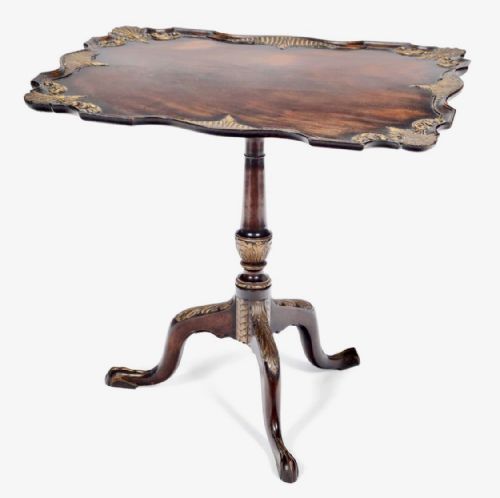
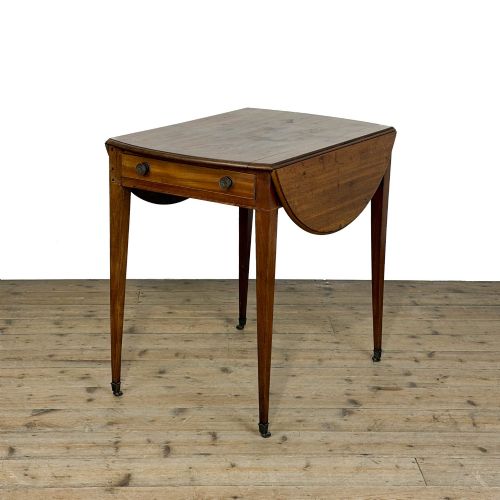
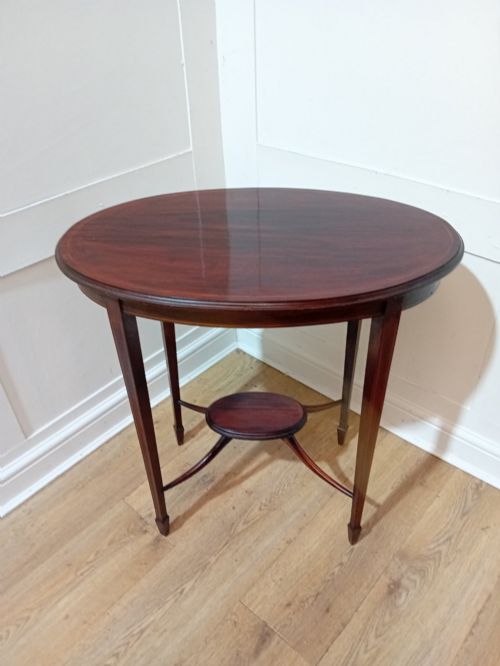
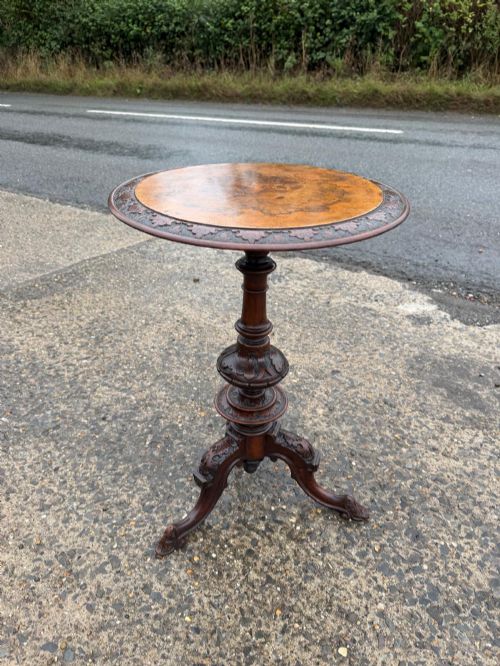
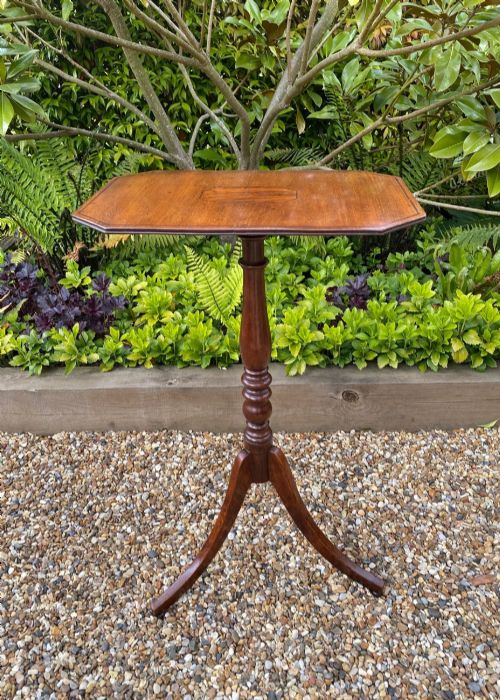
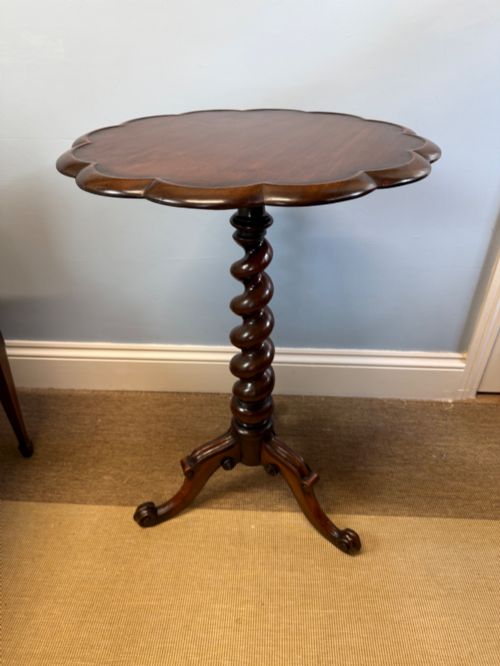
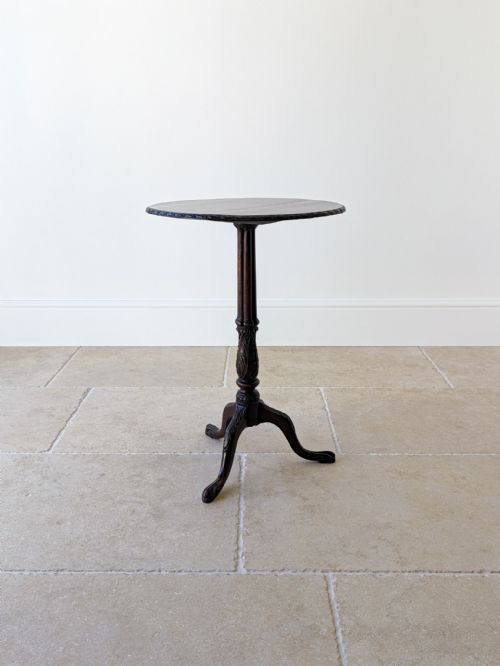
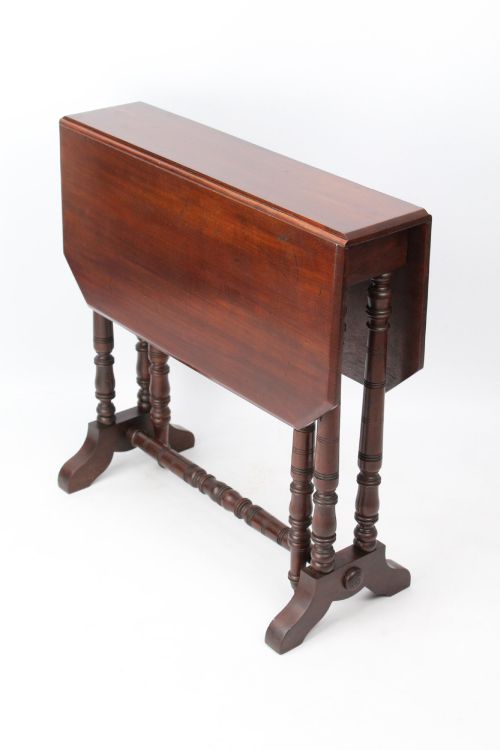
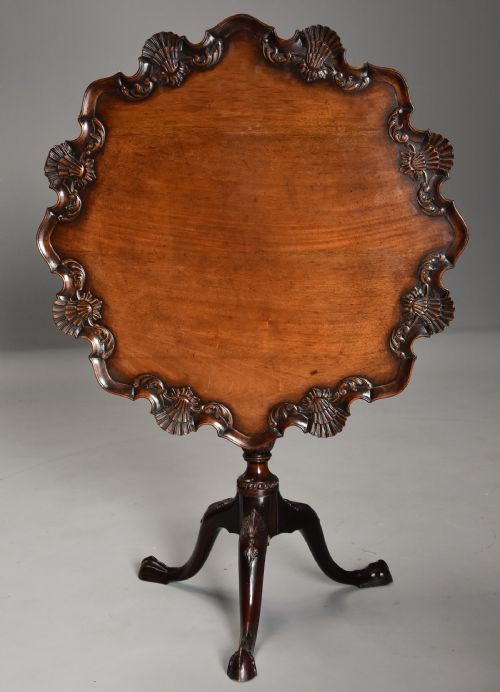
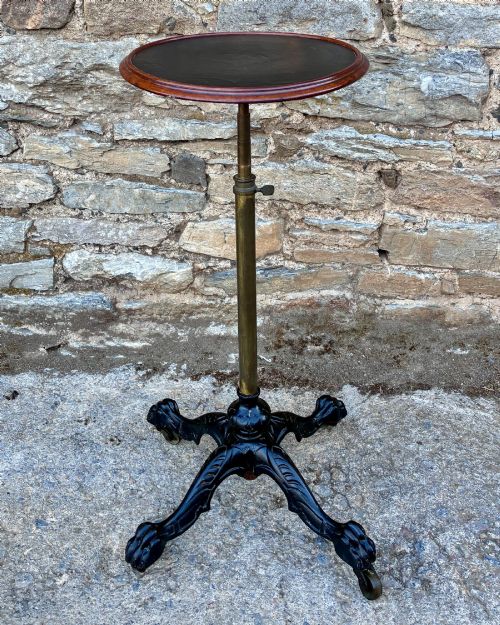
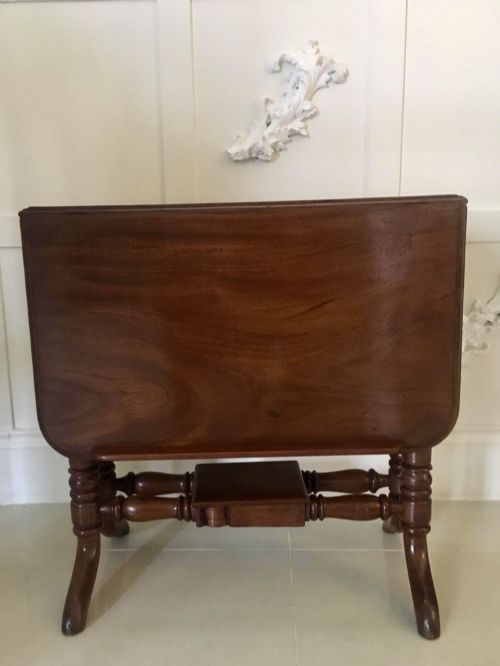
A victorian mahogany occasional table appears in various forms across the nineteenth century, including tripod wine tables, drop leaf pembroke tables and two tier lamp stands. These pieces served flexible domestic roles in sitting rooms and parlours, moving easily where a surface was needed.
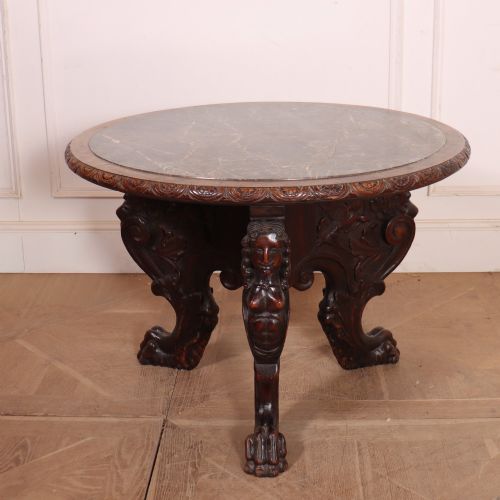
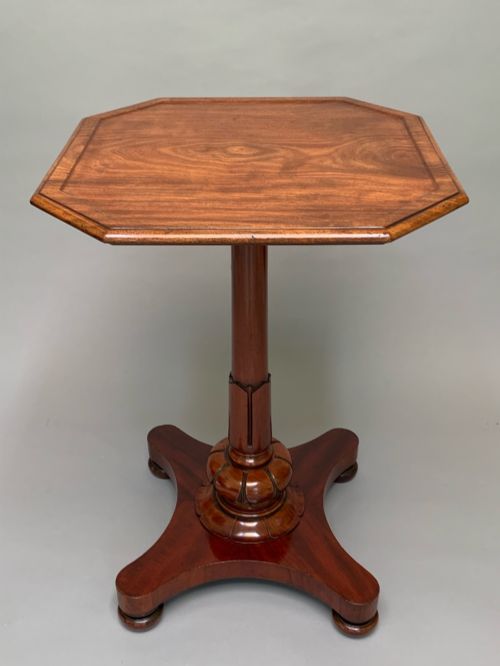
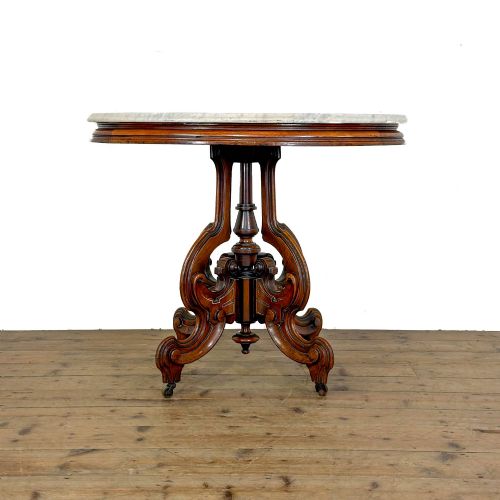
The versions met most frequently on this page feature circular or rectangular tops supported by pedestals or slender legs. Some examples incorporate tilt top mechanisms, stretchers or inlaid decoration reflecting aesthetic movement tastes.
Originating primarily from the Victorian period and nineteenth century England, these tables combine solid timber construction with functional proportions suited to modern homes.
How they were made
Joiners and cabinet makers utilised solid mahogany and mahogany veneers over secondary timbers, shaping tops and turning pedestals on lathes. The material offered stability and a rich grain that responded well to hand polishing.
Construction methods include mortise and tenon joints for frames, dovetails for drawers where present, and tripod or pillar bases secured with iron fixings or brass casters.
Retail Price Guide 2026
Typical UK retail prices for victorian mahogany occasional table, calculated from the Sellingantiques database of over a million retail prices indexed since 2003. This retail price guide relies exclusively on Sellingantiques data; no external sources or auction records are used, so the figures do not describe the wider market.
Listings show nineteenth century occasional tables in mahogany, spanning tripod wine tables, pembroke forms, and two tier stands.
What varies in quality
The refinement of the timber and the crispness of turned details distinguish finer examples from simpler workshop output. Superior pieces display carefully selected grain patterns and balanced proportions in the pedestal and legs.
Subtle elements such as hand cut inlay, well fitted tilt top catches, and original brass hardware elevate the character of a piece without relying on excessive ornamentation.
The Victorian Mahogany Occasional Table Glossary
- Pembroke table
- A drop leaf table with hinged flaps on opposite sides, designed to stand against a wall and pull out when needed.
- Tripod table
- A small circular table supported by three legs radiating from a central pillar, common in nineteenth century drawing rooms.
- Tilt top table
- A table with a mechanism allowing the surface to tip vertically for storage when not in use.
- Pie crust table
- A table featuring a raised, carved edge shaped in undulating curves resembling pastry work.
- Aesthetic movement
- A late nineteenth century design style emphasising artistic visual qualities over heavy historical revivalism.
Frequently Asked Questions
What is a victorian mahogany occasional table used for?
These tables served various light domestic duties in nineteenth century homes, acting as movable stands for lamps, books or afternoon tea.
Today they function effectively as side tables in living spaces or bedside stands, providing surface area without dominating a room.
How do I tell early victorian from later pieces?
Early examples often feature heavier pedestals and simpler structural lines reflecting Georgian inheritance, alongside deeper natural timber tones.
Later pieces from the end of the century frequently incorporate aesthetic movement styling, lighter inlay work or bamboo elements.
Are tilt top tables stable?
Tilt top mechanisms use a catch and block assembly beneath the surface to hold the top steady when horizontal. While they pivot for storage, a well fitted mechanism remains secure during normal daily use.
Where should I place an occasional table?
Their compact scale allows them to sit beside armchairs, in small hallway corners or next to sofas where a small surface is useful.
Tripod versions fit neatly into awkward spaces because the three legs offer flexibility in placement.