

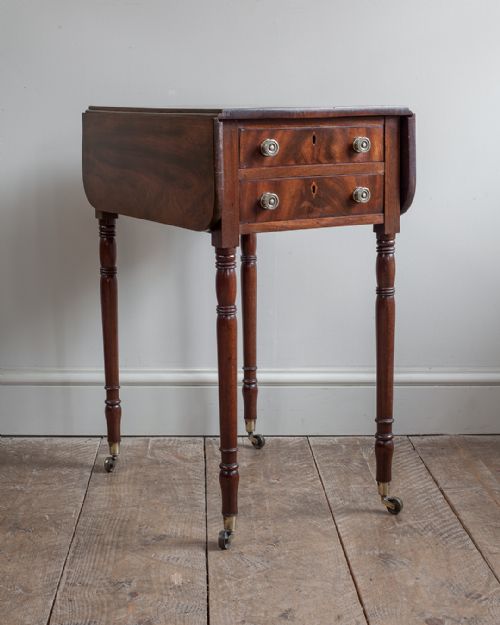
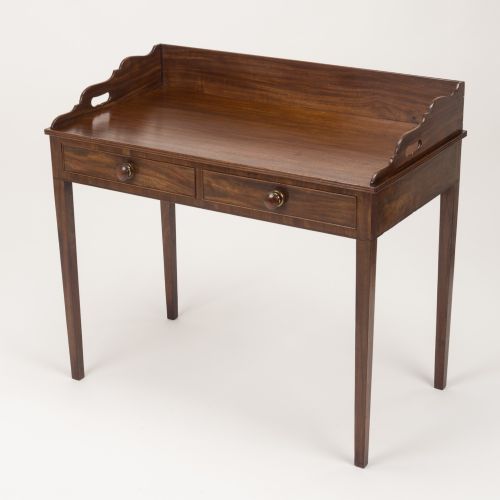
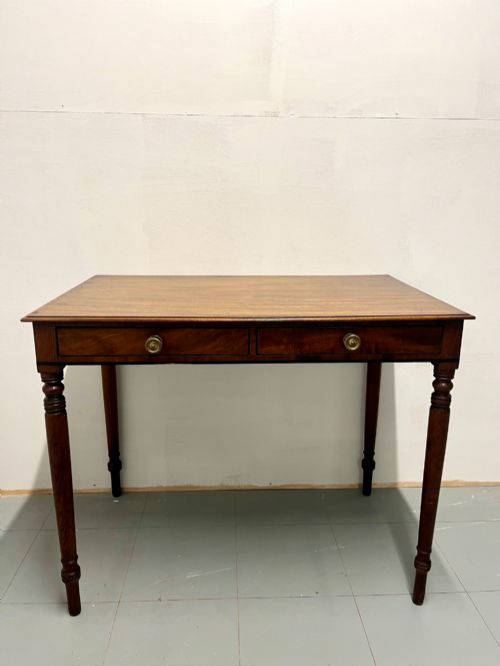
Georgian Two Drawer Table
A Georgian two drawer table offers clean proportions and honest utility, providing a versatile surface for daily household life.
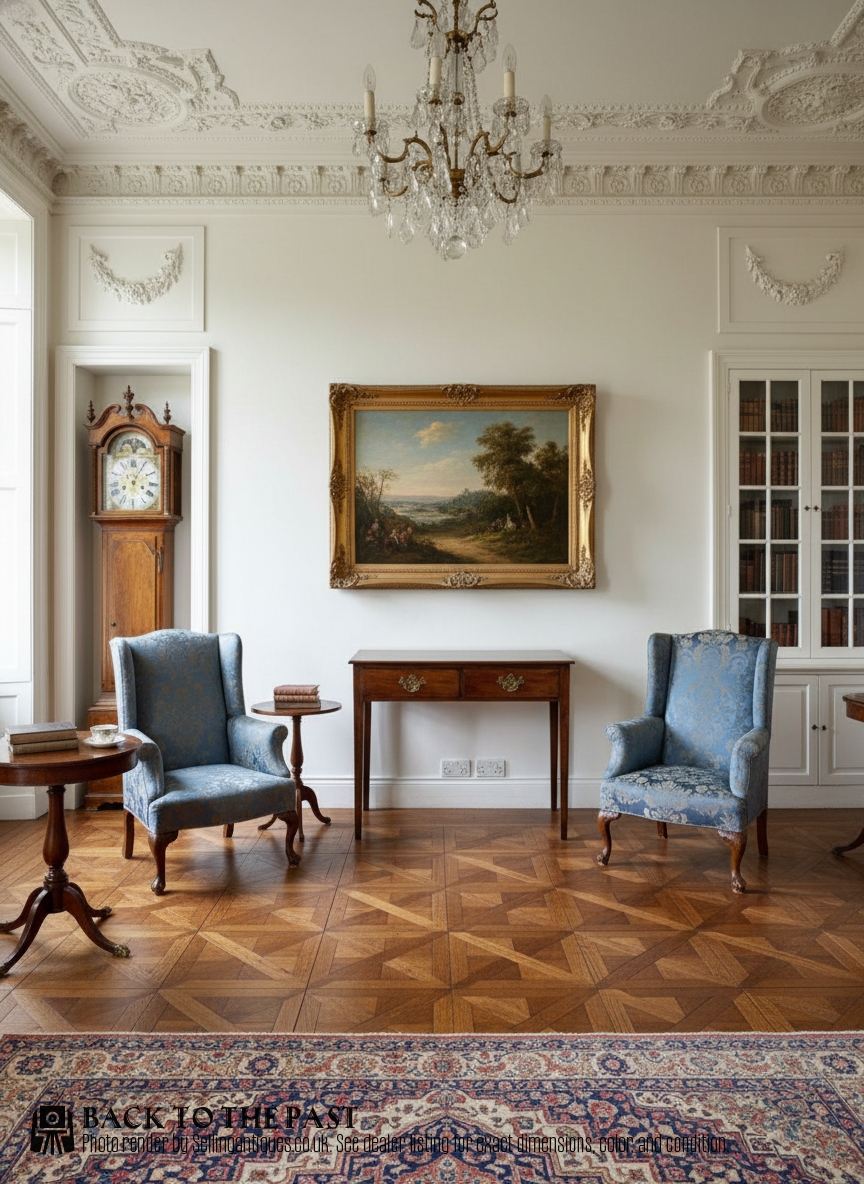
What a Georgian two drawer table is
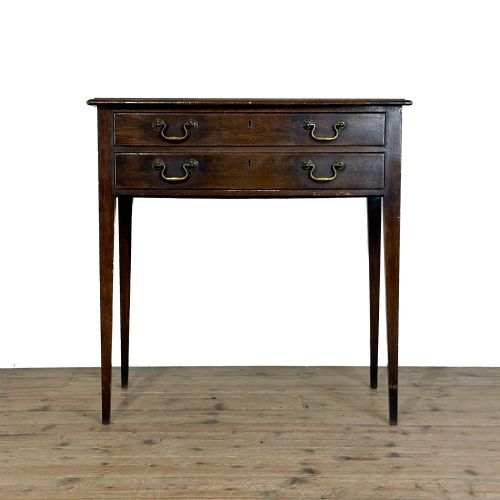
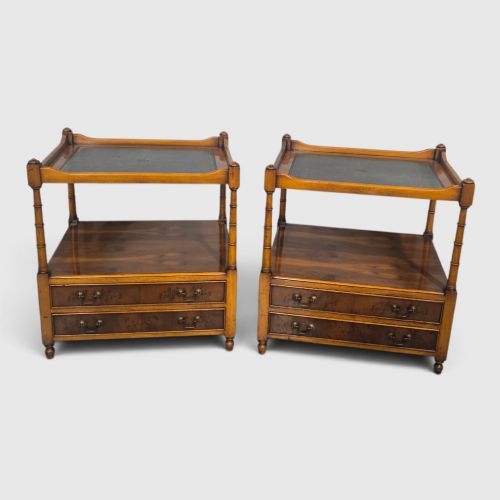
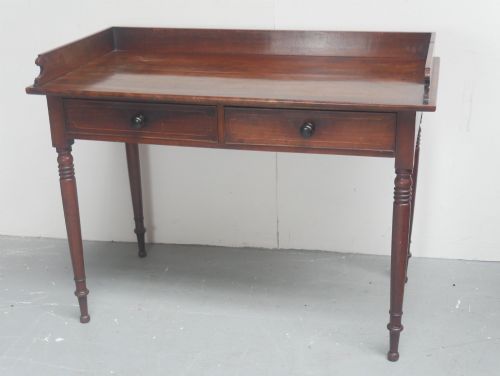
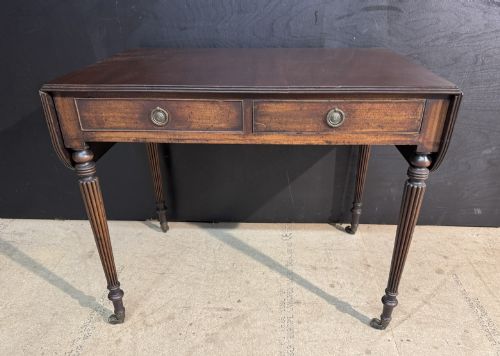
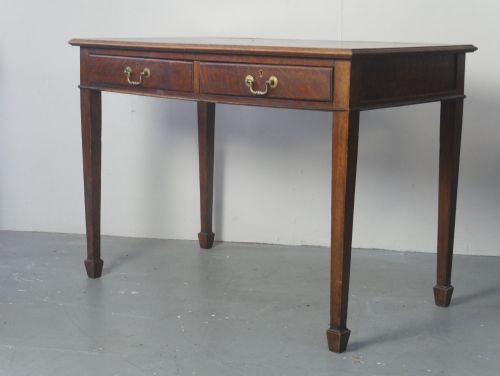
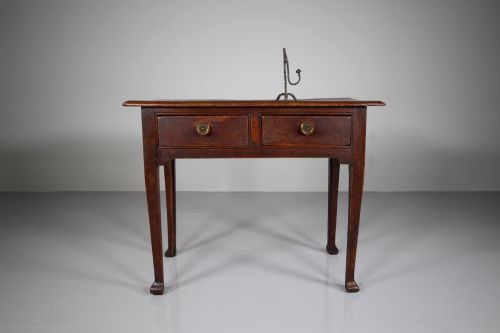
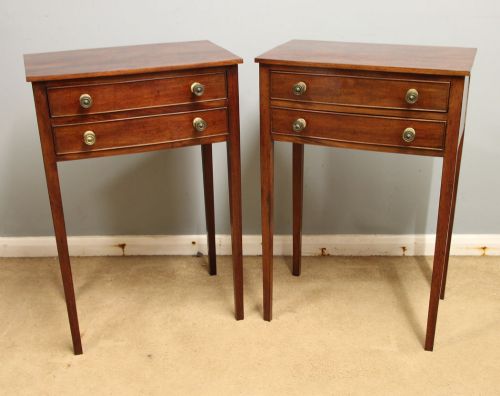
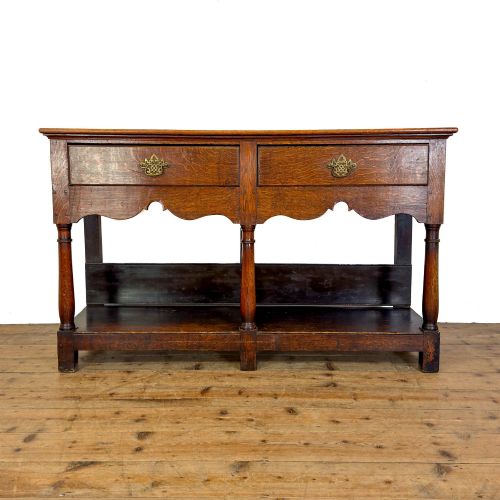
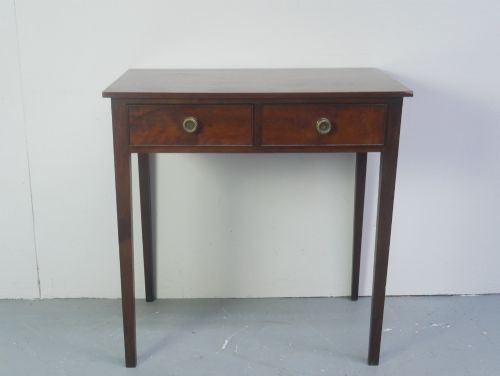
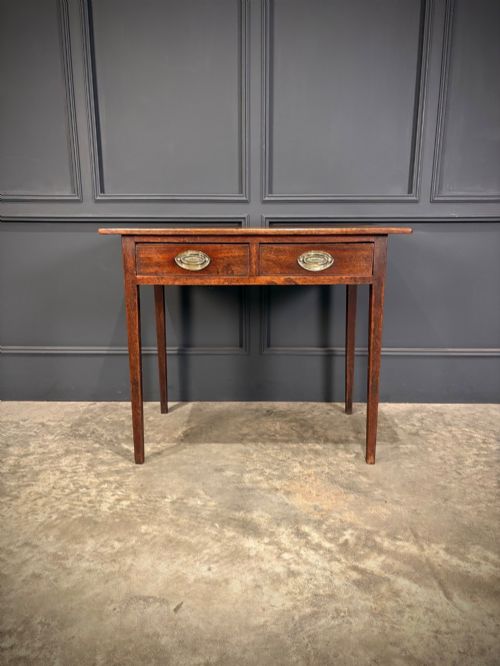
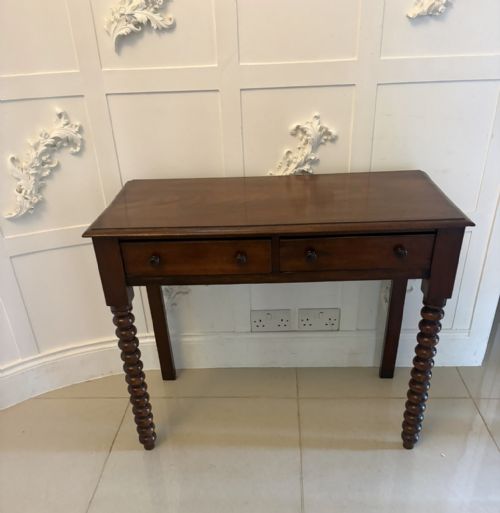
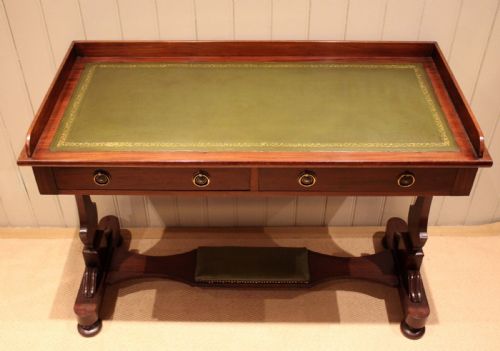
A georgian two drawer table is typically encountered as a side table, hall table, or occasional writing desk dating from the eighteenth century or around eighteen hundred. These pieces function as practical surface furniture with twin drawers positioned beneath the top.
The material palette of these pieces relies heavily on timbers such as mahogany, oak, elm, and fruitwood, sometimes fitted with brass handles. Forms range from provincial country pieces to refined urban examples suited to a hall or parlour.
How they were made
Cabinet makers constructed these tables using solid native and imported timbers, employing traditional joinery methods to build stable frames and drawer boxes. Drawer linings and secondary woods often show the use of oak or elm alongside primary surfaces of mahogany or fruitwood.
Hardware such as brass drop handles or backplates were fitted to the drawer fronts, while timber surfaces were finished to highlight the natural grain and figure of the wood.
Retail Price Guide 2026
Typical UK retail prices for georgian two drawer table, calculated from the Sellingantiques database of over a million retail prices indexed since 2003. This retail price guide relies exclusively on Sellingantiques data; no external sources or auction records are used, so the figures do not describe the wider market.
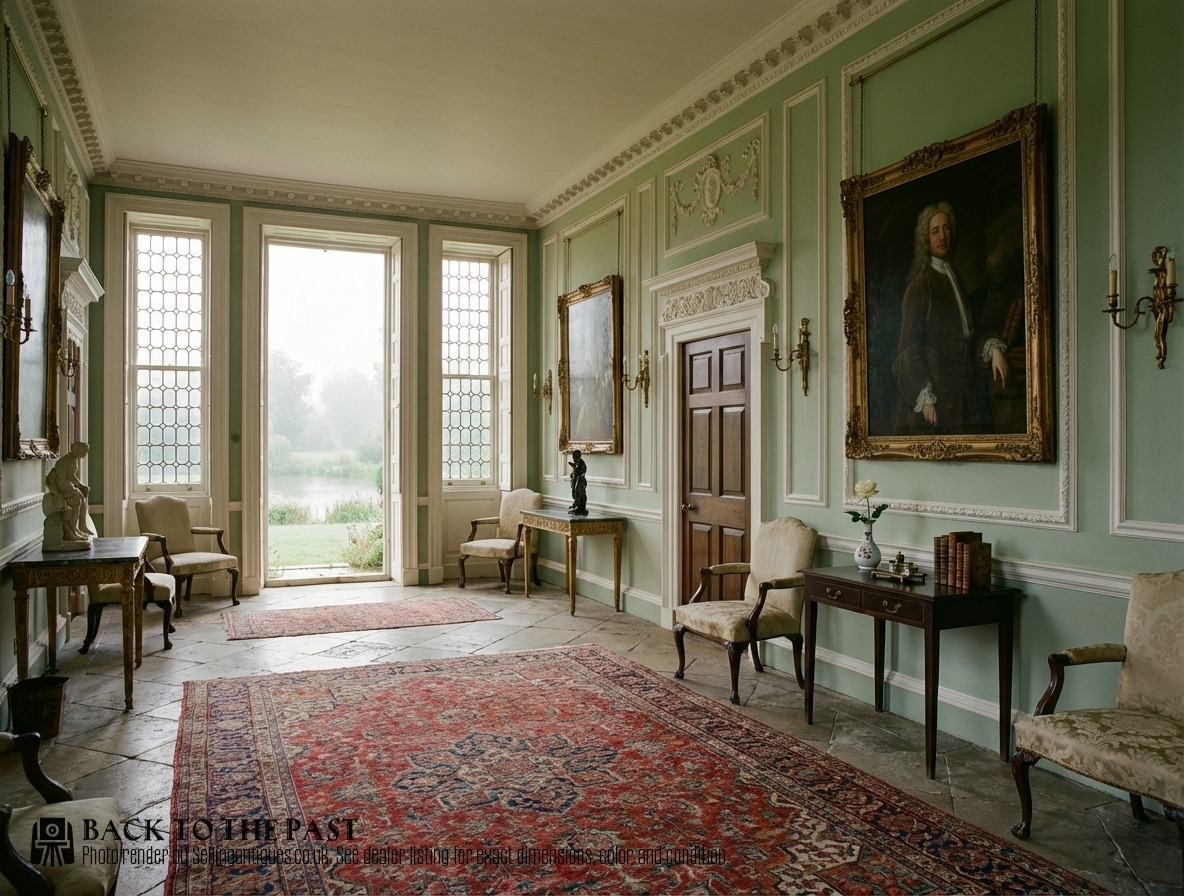
Some provincial examples arrive with delightfully powdery, distressed mottled antique green surfaces that hint at eccentric country house histories.
What varies in quality
Quality in these tables is measured by the selection of timber, particularly where figured mahogany or well-chosen fruitwood displays depth and character. Finer examples exhibit crispness in the joinery and proportion, whereas provincial pieces prioritise sturdy utility over decorative refinement.
The Georgian Two Drawer Table Glossary
- Lowboy
- A small side or dressing table with drawers, typically standing on relatively tall legs.
- Figured mahogany
- Timber featuring an attractive, wavy or dappled grain pattern prized for its decorative appearance.
- Provincial
- Describing furniture made in the regions away from major urban centres, often utilising local woods like oak, elm, or fruitwood.
- Side table
- A small table designed to stand against a wall, used for display or practical storage.
Frequently Asked Questions
What is a georgian two drawer table used for?
These tables served various domestic purposes including writing, hall storage, and general surface use in sitting rooms and bedrooms.
Today they function equally well as compact side tables, lamp stands, or hall tables in modern interiors.
How do I date a georgian two drawer table?
Dating relies on examining the timber selection, construction methods, and hardware style. Pieces from the eighteenth century often feature hand-cut joints and native timbers like oak or fruitwood.
Later examples transitional to the nineteenth century frequently utilise mahogany with different interior secondary woods.
What woods were used for these tables?
Cabinet makers used a mix of native and imported hardwoods depending on the workshop and region. Mahogany was favoured for finer urban pieces, while oak, elm, and fruitwood appear frequently in provincial examples.
Where should I place a two drawer table?
Their compact dimensions make them ideal for narrow spaces such as hallways, landings, or behind a sofa. The presence of two drawers provides useful concealed storage for keys, stationery, or small household items.