


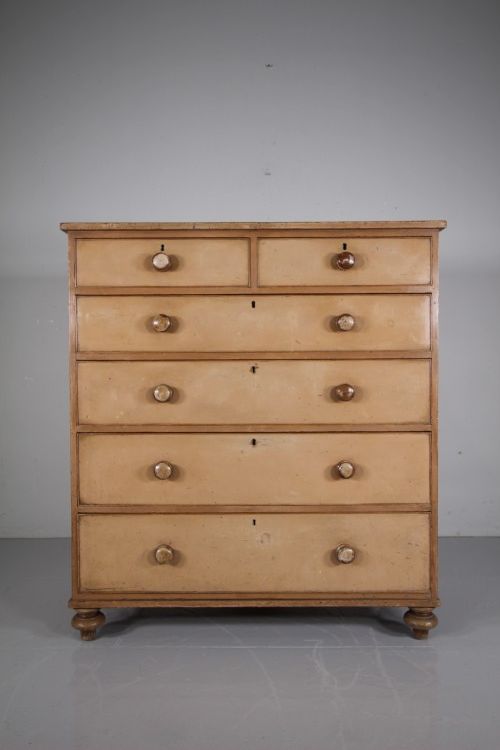

Georgian Country House Furniture
Georgian country house furniture delivers the robust utility and unpretentious character of eighteenth-century domestic life straight into a modern room.

What Georgian country house furniture is
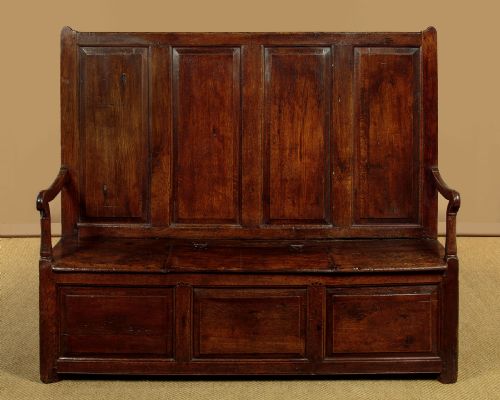
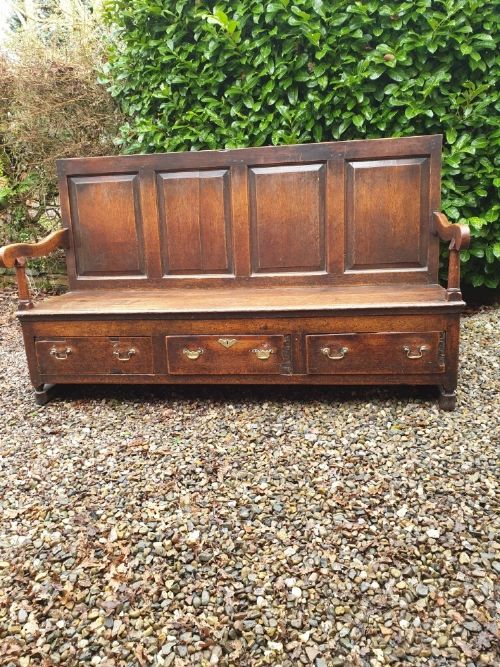
When you search for georgian country house furniture, you are looking at utilitarian domestic pieces shaped by provincial makers during the eighteenth century and around 1800. These items served hardworking households across regions such as Shropshire and Wales, where local craftsmen met daily storage and display needs without relying on metropolitan polish.
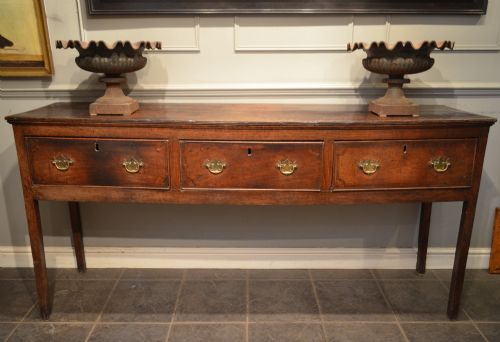
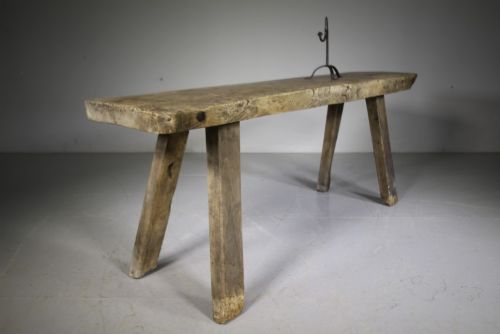
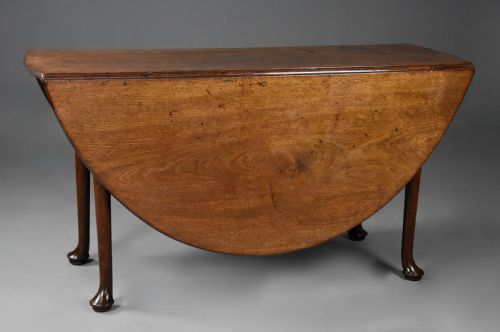
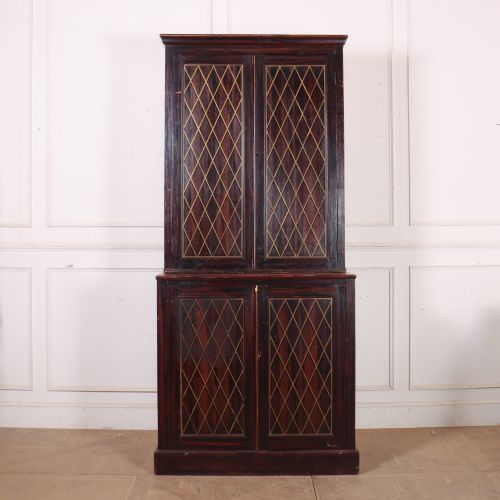
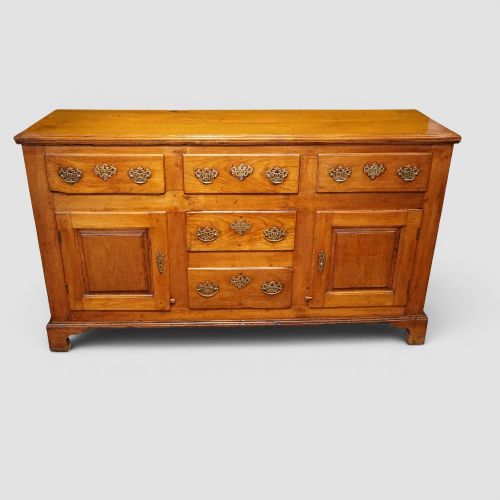
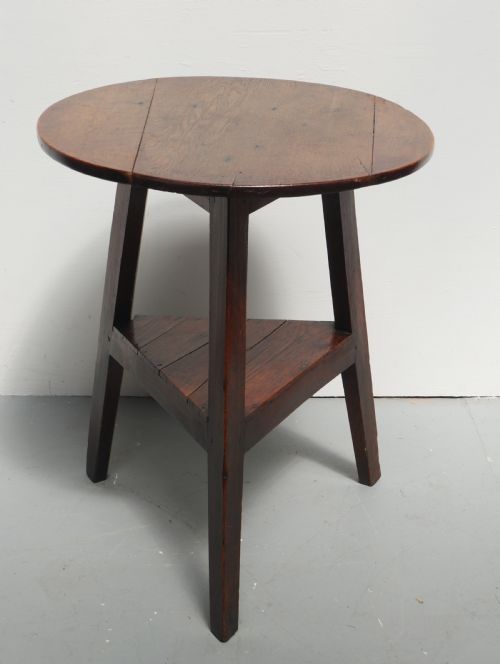
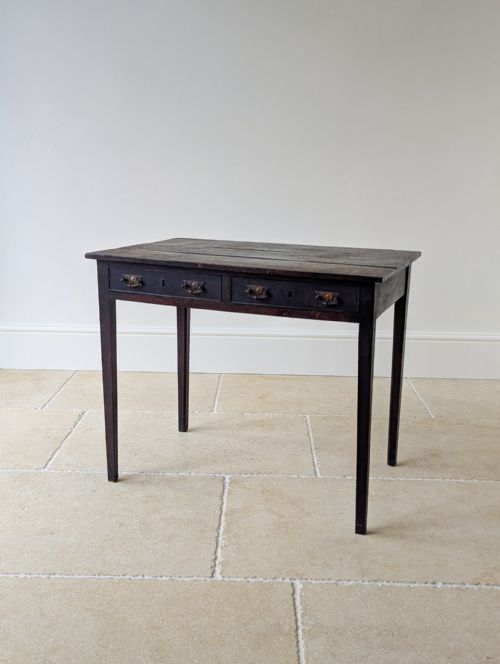
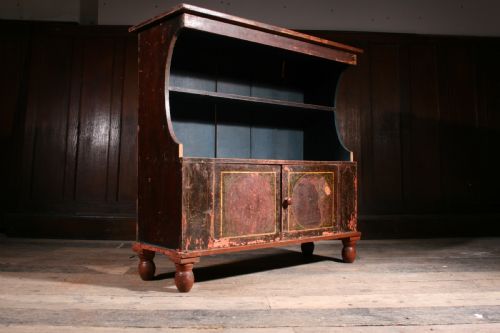
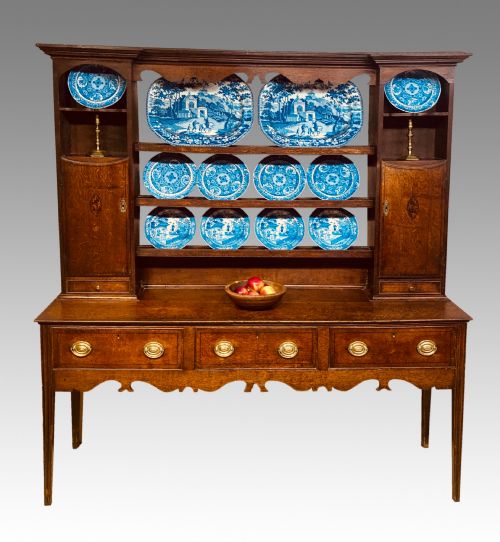
The most common forms you will encounter on this page are kitchen dressers, dresser bases with accompanying shelves, and sturdy side tables. Dressers range from simple cottage formats to examples with distinct structural layouts, while side tables offer compact proportions suited to everyday use.
These pieces draw their identity from the Georgian period, specifically the George III era, utilising local timber to create functional furniture that reflects regional vernacular traditions rather than courtly fashions.
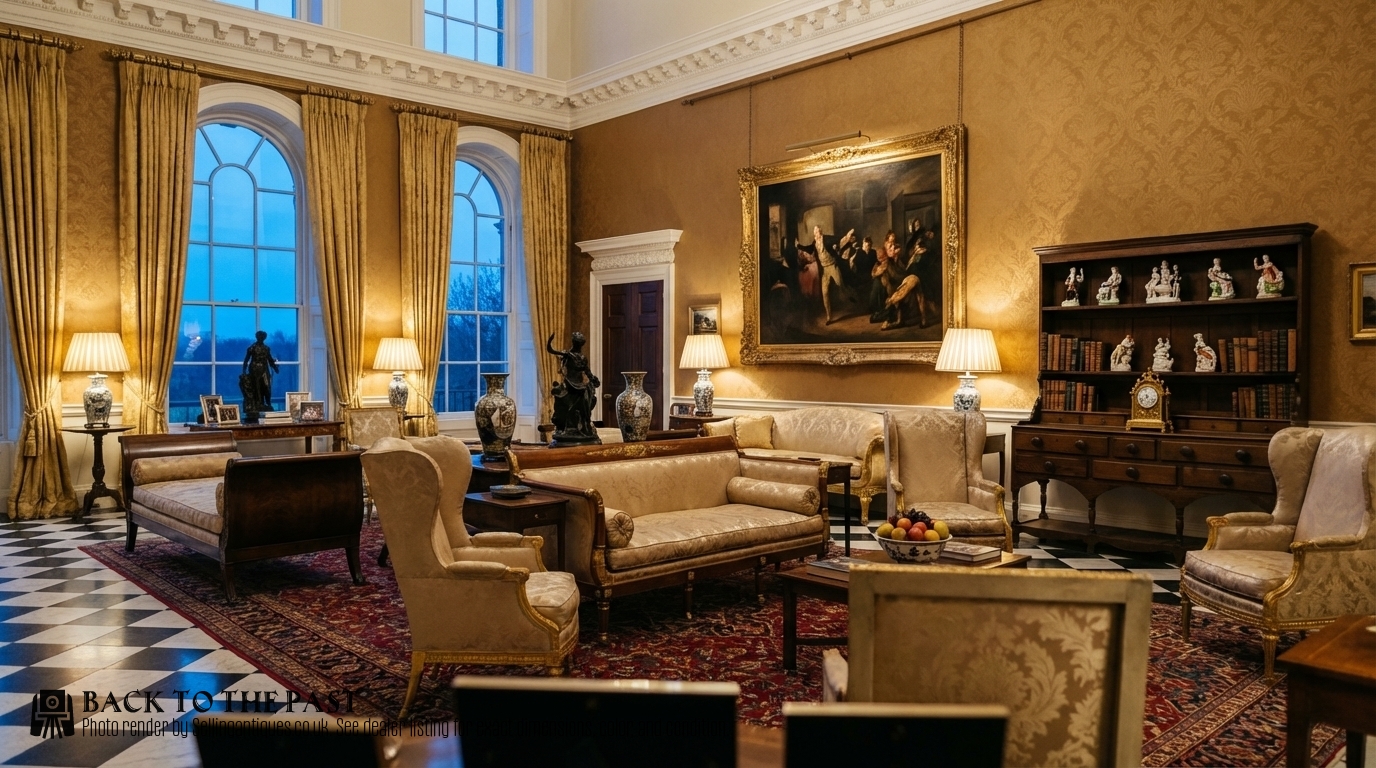
How they were made
Makers constructed these pieces primarily from solid oak, selecting timber for strength and durability rather than decorative veneer. Boards were jointed and secured using traditional methods appropriate for heavy domestic service.
Metalwork was kept functional, featuring brass fittings on select drawers and doors where hardware was required to operate handles and closures.
Retail Price Guide 2026
Typical UK retail prices for georgian country house furniture, calculated from the Sellingantiques database of over a million retail prices indexed since 2003. This retail price guide relies exclusively on Sellingantiques data; no external sources or auction records are used, so the figures do not describe the wider market.
Country dressers often display slight sags in their top boards where centuries of heavy ceramic plates rested.
What varies in quality
Quality in these vernacular pieces rests upon the integrity of the timber and the honesty of the construction. Superior examples retain their original structural elements and patination, showing the natural ageing of oak over centuries.
Proportion and regional detail distinguish finer examples from plain utilitarian work. Pieces featuring considered proportions, cabriole legs, or distinctive local configurations demonstrate a higher level of provincial craftsmanship.
The Georgian Country House Furniture Glossary
- Vernacular
- Everyday furniture made by local craftsmen for regional use rather than high-style metropolitan workshops. These items prioritise utility and local materials over academic design rules.
- Dresser base
- The lower cabinet portion of a dresser, featuring drawers and cupboards used for storage. Many survive separated from their upper plate racks.
- Delph rack
- The open shelving unit mounted above a dresser base to display ceramic plates and platters. It forms the upper half of a traditional kitchen dresser.
- Cabriole leg
- A furniture leg that curves outward at the knee and tapers inward toward the foot, often ending in a pad. This form appeared on select eighteenth-century country pieces.
- George III
- The period of British history spanning from 1760 to 1820. Furniture from this era encompasses both refined London styles and robust rural craftsmanship.
Frequently Asked Questions
What is country house furniture?
Country house furniture comprises practical pieces made for rural homes during the eighteenth century. These items were built to handle the daily demands of large domestic households.
Craftsmen used accessible local timbers like oak to construct sturdy tables, dressers, and storage units without metropolitan ornament.
How do I use a dresser base?
A dresser base provides long surface space and deep drawer storage suited to modern living rooms, hallways, or dining spaces. They function well as sideboards or media consoles.
The deep drawers accommodate tableware, linens, or everyday clutter while keeping surfaces clear.
How do I date these pieces?
Dating relies on construction methods, timber choice, and regional design traits typical of the eighteenth century. Eighteenth-century oak develops a deep, warm patination through handling and age.
Hardware styles and leg shapes also help place a piece within the Georgian or George III eras.
Are these pieces made of solid wood?
Yes, provincial makers relied entirely on solid timber rather than expensive veneers. Oak was the standard material for framing, panels, and structural boards.
This solid construction explains why so many regional dressers and tables survive in serviceable condition today.