

Carved Leg Table
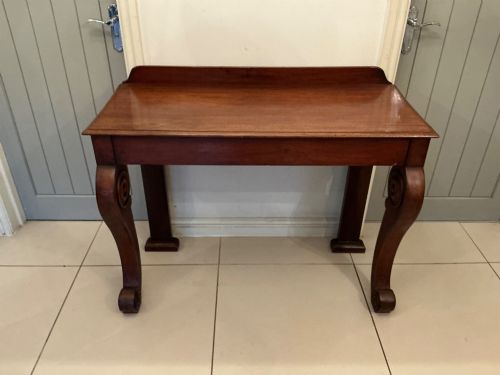
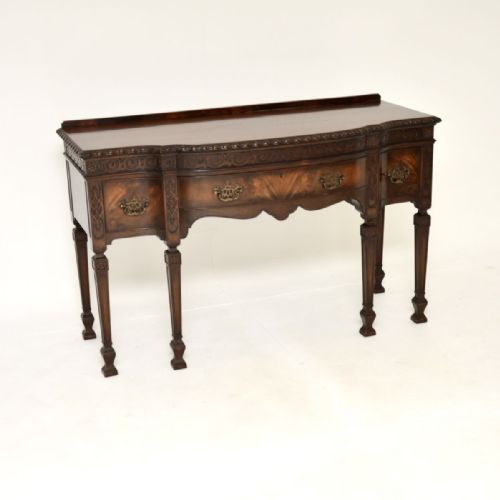
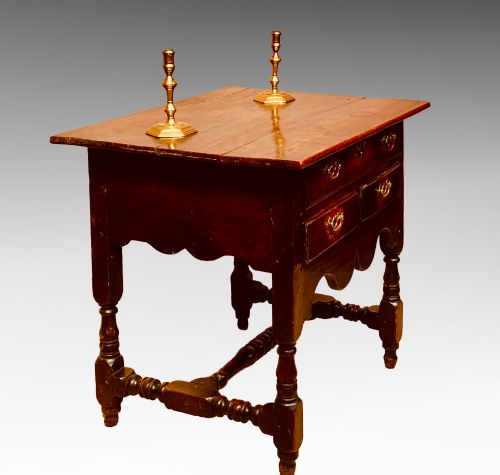
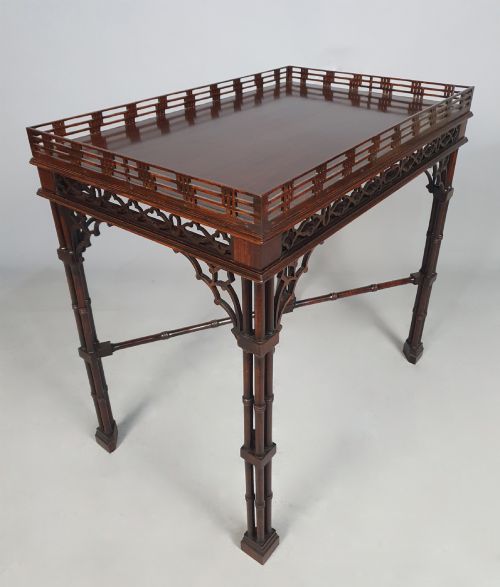
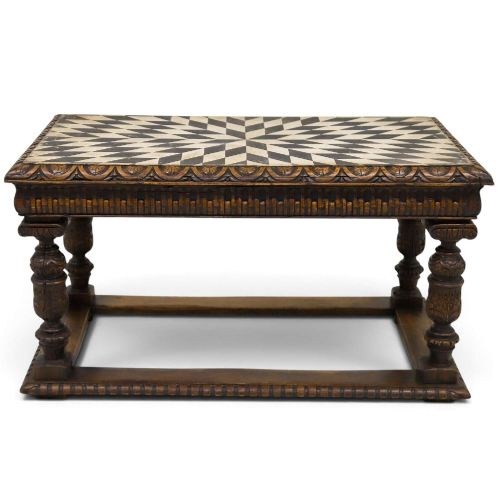
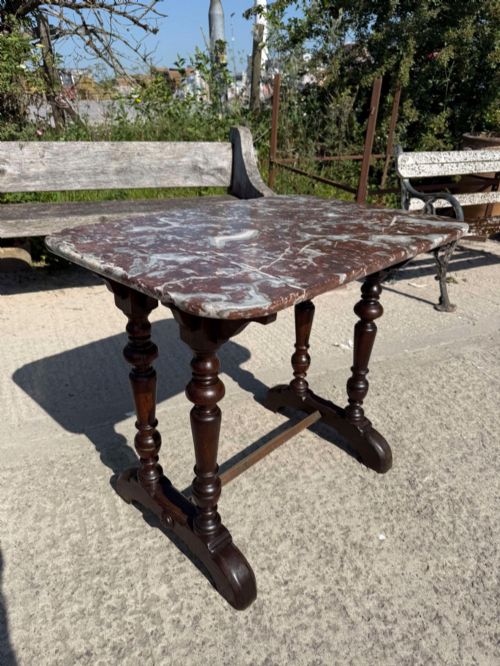
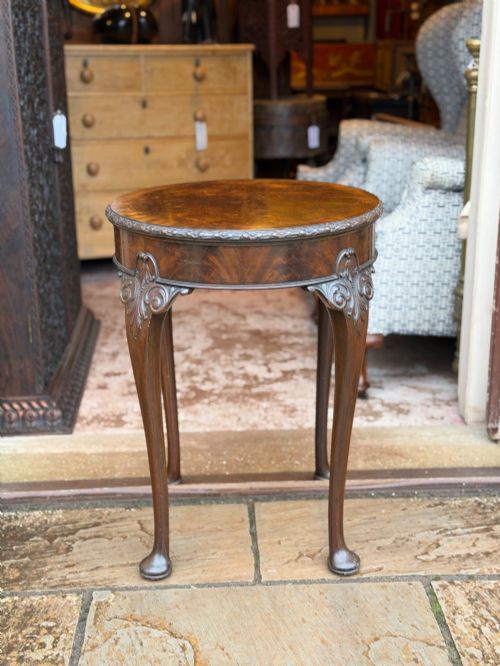
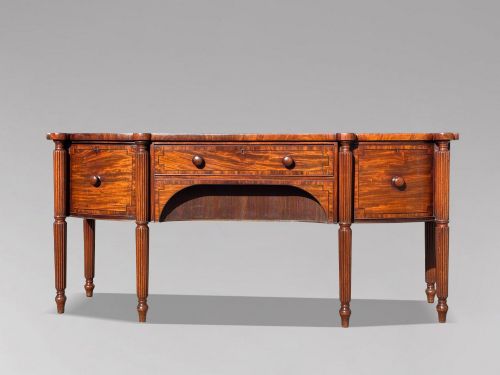
A carved leg table brings solid historic timber and ornamental chisel work into a room.
Carved Leg Table
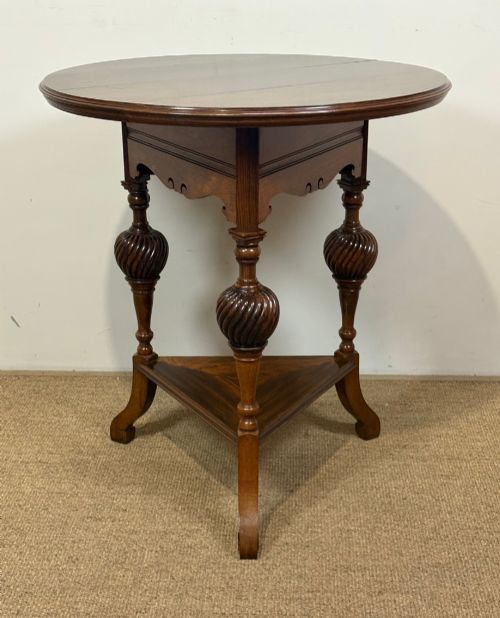
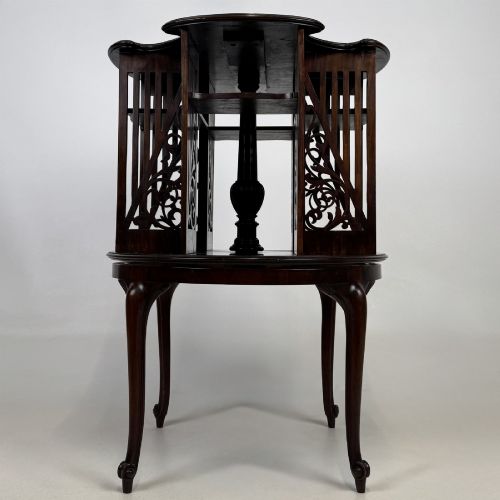
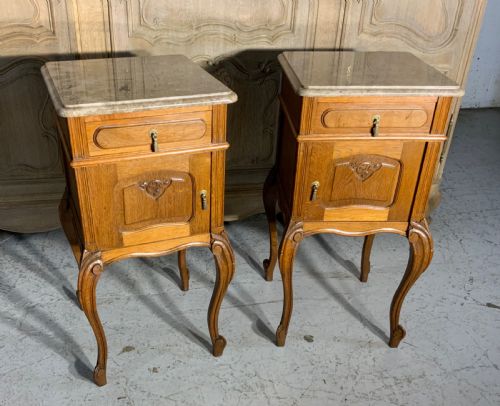
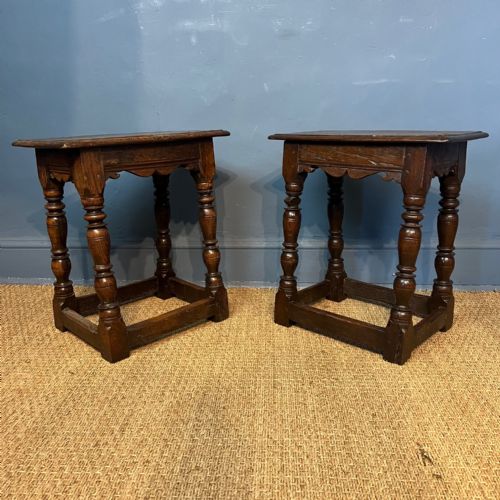
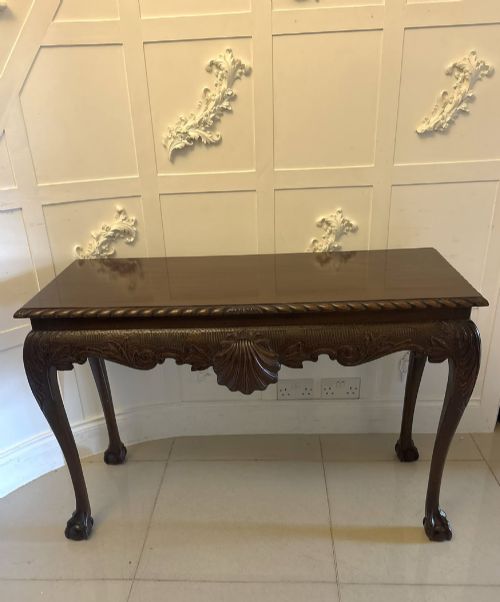
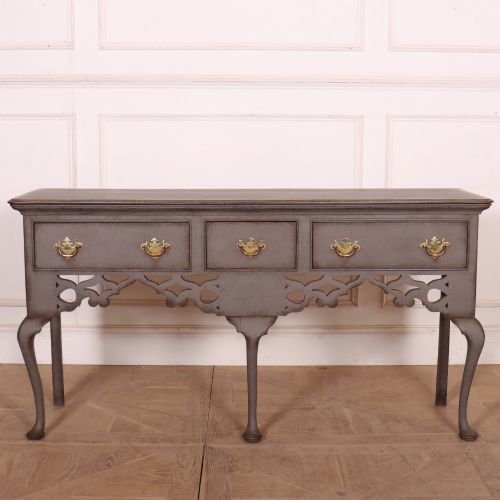
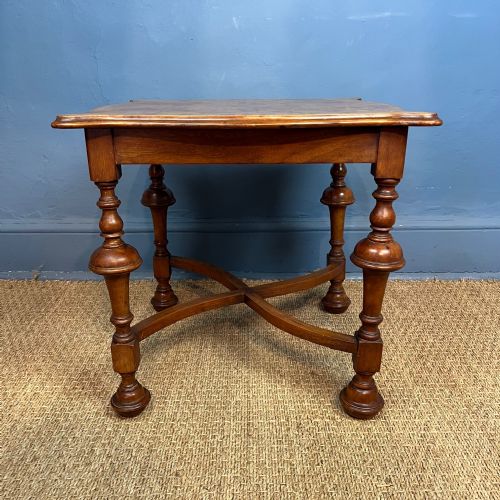
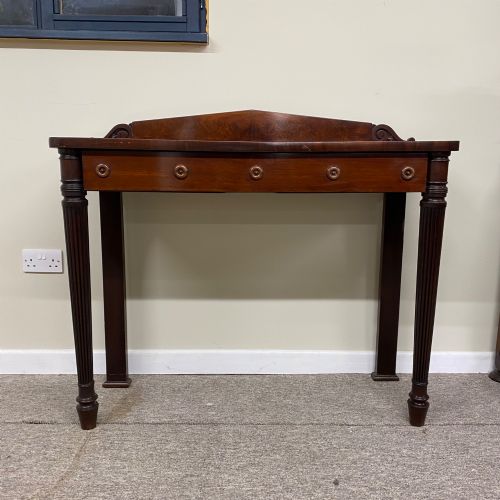
When searching for a carved leg table, a buyer meets everything from compact oak occasional pieces to large extending walnut dining tables. The form spans side tables, refectory tables, and console tables originating across the seventeenth, eighteenth, nineteenth, and twentieth centuries. The selection relies heavily on oak and mahogany examples shaped by revivalist movements or made during the Victorian and Edwardian eras.
Dining tables and gateleg variations dominate the larger formats, often featuring bulbous, cabriole, or turned supports with foliate detail. Smaller variations include tripod wine tables, cricket tables, and lamp tables intended for domestic corners. These surfaces bridge utilitarian function and decorative woodwork, appearing in styles ranging from rustic farmhouse to ornate Chippendale and Jacobean revivals.
How they were made
Cabinet makers utilised dense hardwoods such as oak, mahogany, walnut, and rosewood to provide a stable foundation for intricate hand chisel work. Timber selection dictated whether a piece took heavy structural loads, as seen in refectory and draw leaf dining tables, or served lighter duties like occasional and tripod wine tables.
Joinery methods combined traditional pegged mortise and tenon frames with turned components and applied surface brass or marble elements. Carving was executed directly into the solid wood legs or applied via moulded capitals, showing deep fluting, acanthus leaves, and geometric strapwork depending on the period.
Carved Leg Table Retail Price Guide 2026
Typical asking prices for carved leg table among the pieces listed under this phrase on Sellingantiques today, from the lower quarter to the upper quarter. They describe what is for sale here now, not the wider market.
Listings feature oak, mahogany, walnut, and rosewood across centuries of domestic furniture.
What varies in quality
Quality rests upon the depth, crispness, and proportion of the hand carving relative to the scale of the timber. Finer examples display fluid lines and confident tool marks on the legs, whereas lesser items rely on shallow, mechanical stamping or heavy secondary finishes that obscure the grain.
The choice of primary timber and secondary framing determines structural integrity over centuries of use. Superior pieces maintain tight joints and well-figured veneers or solid boards without excessive warping, while lower grades show unsympathetic repairs and poorly matched secondary woods.
Gillows Oxford Street Workshop·Frank Giles
The Carved Leg Table Glossary
- Cabriole leg
- A furniture leg that curves outward in a convex arc and tapers inward in a concave arc, frequently terminating in a pad or claw foot. This form derives from animal limbs and gained popularity during eighteenth-century revival periods.
- Draw leaf table
- A dining table equipped with two sliding underleaves that pull out from beneath the main top to extend its surface area. The supporting legs remain positioned at the corners for stability.
- Refectory table
- A long, narrow dining table traditionally used in communal halls, featuring heavy legs linked by low stretchers. These pieces are typically constructed from solid oak.
- Tripod table
- A small occasional table supported by three pillar legs radiating from a central column. Many examples feature a tilt-top mechanism for convenient storage.
- Gateleg table
- A drop-leaf table where the hinged leaves are supported by swinging legs that pivot outward like a gate. This design allows the surface area to fold down compactly when not in use.
Carved Leg Table: Frequently Asked Questions
How do I identify the period of a carved leg table?
Dating relies on observing the combination of timber species, construction joints, and the specific style of the carved ornamentation on the legs. Seventeenth and eighteenth-century examples typically use heavy oak with pegged joints and hand-cut mouldings.
Later Victorian and Edwardian pieces often employ mahogany or walnut with machine-assisted joinery and revivalist motifs like cabriole legs or bulbous turning. Examining the underside and secondary woods clarifies whether a piece is an authentic period item or a later revival.
Are these tables suitable for daily dining use?
Many of these pieces, particularly the oak refectory and mahogany extending dining tables, were built specifically for robust daily service. Their sturdy frames and solid timber construction handle regular family use comfortably.
Protecting the polished or waxed surfaces with appropriate table mats prevents heat and moisture marks. Regular maintenance keeps the timber conditioned while preserving the carved details on the legs.
What is the difference between an occasional table and a side table?
An occasional table is generally smaller and lighter, designed to be moved around a room as needed for specific tasks like holding a lamp or book. These often include tripod wine tables and small cricket tables.
A side table is typically stationed permanently against a wall, offering a more stable surface with drawers or decorative aprons. Both formats frequently showcase elaborate leg carvings to enhance their visual appeal.
How should I care for antique wood surfaces?
Historic timber thrives in rooms with stable humidity and away from direct heat sources like radiators, which cause wood to dry and crack. Applying traditional beeswax periodically nourishes the grain and maintains a soft, protective sheen.
Avoid using modern silicone sprays or harsh chemical cleaners that strip the historic patina. Gentle dusting with a dry, soft cloth is sufficient for daily upkeep.