
Georgian Gateleg Dining Table
A georgian gateleg dining table offers robust drop-leaf functionality and timber warmth, making it a practical centrepiece for traditional dining spaces.
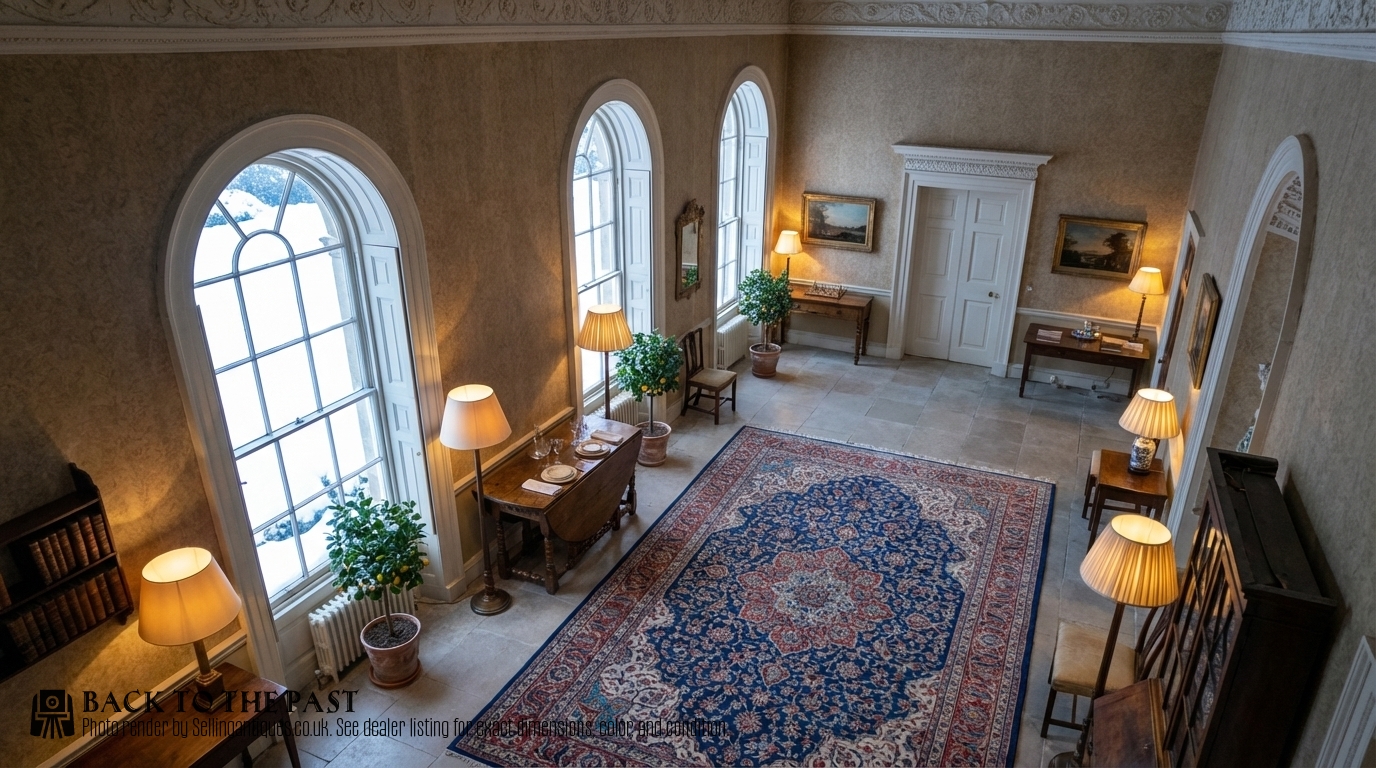
Forms and Origins
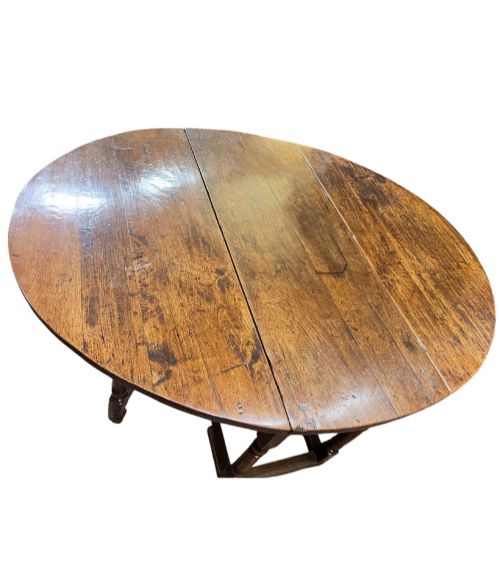
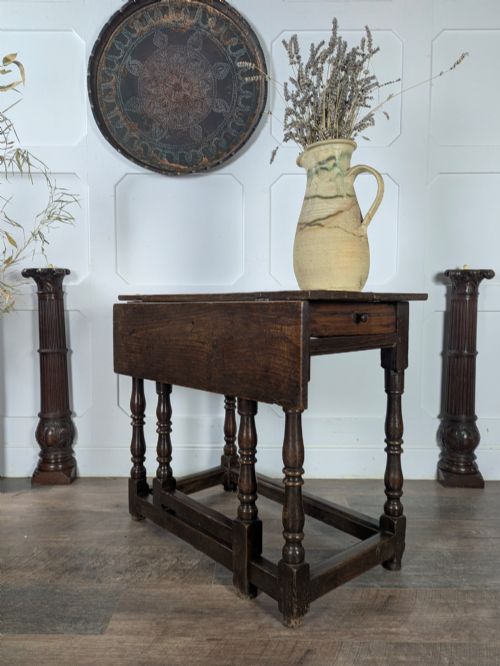
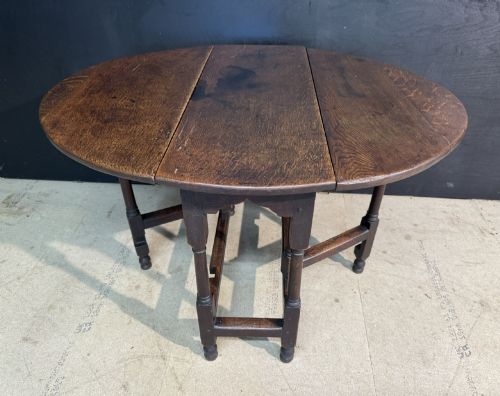
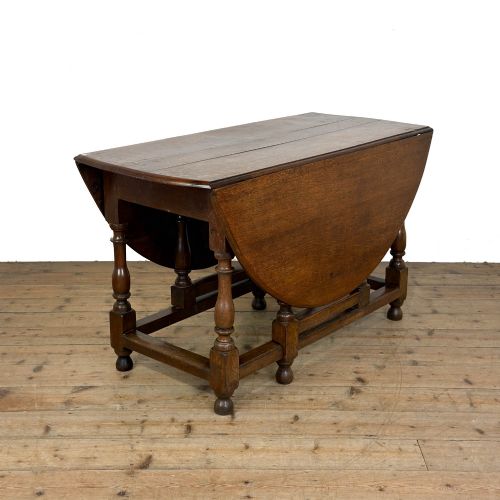
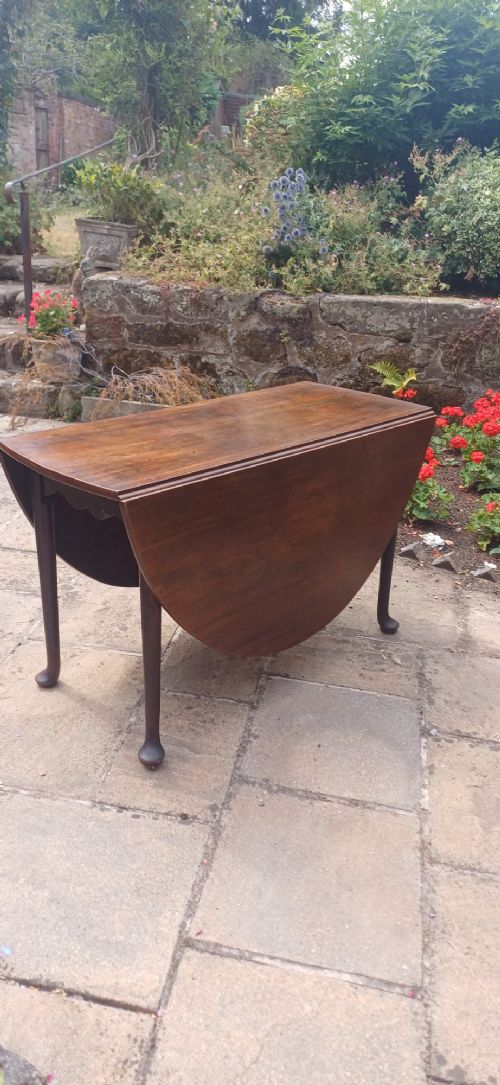
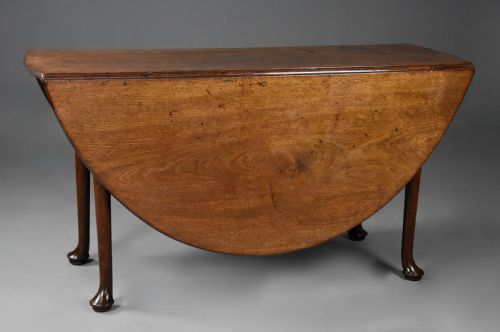
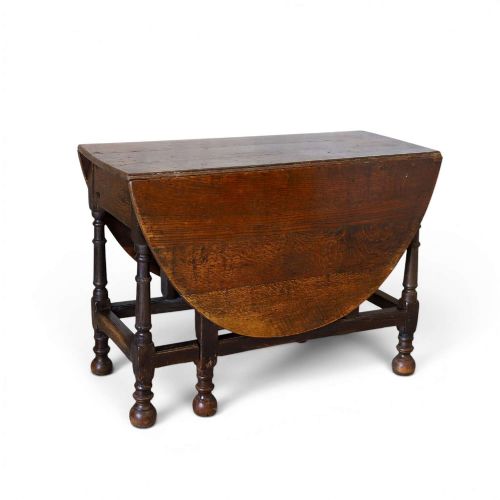
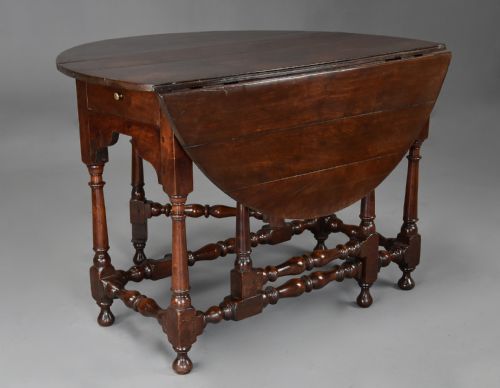
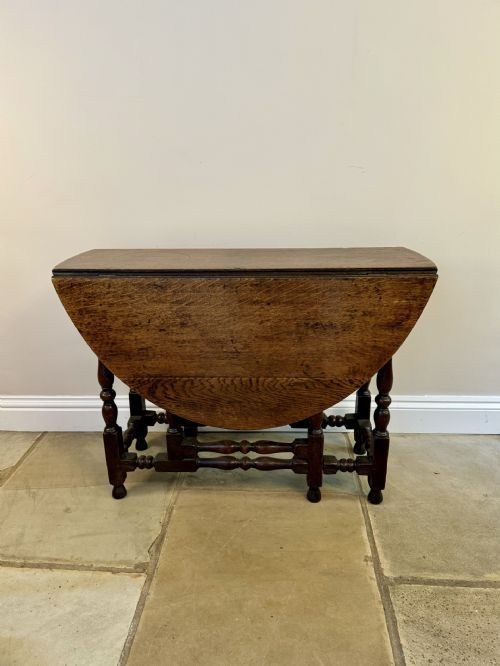
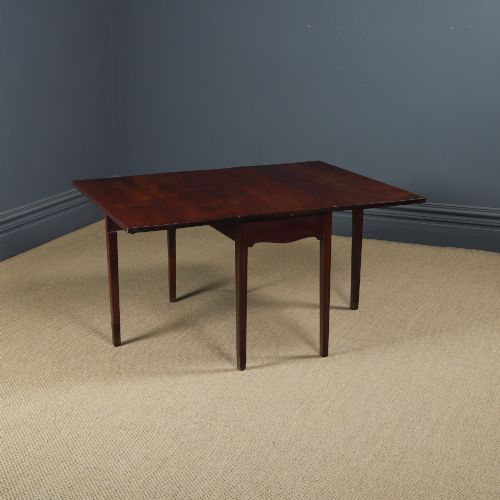
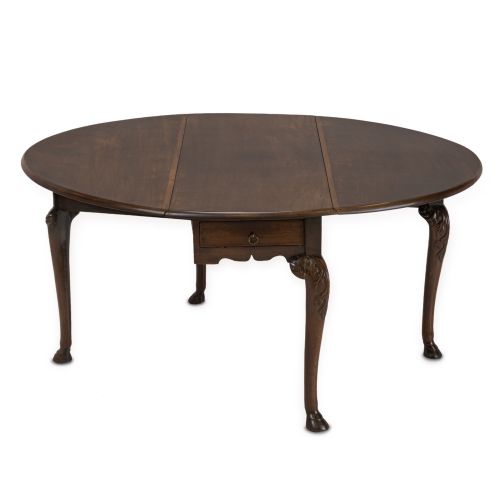
A georgian gateleg dining table is a versatile drop-leaf piece designed to expand for dining and fold down when space is needed. These tables originate from the eighteenth century, spanning periods from early oak examples to later mahogany interpretations under George II and George III.
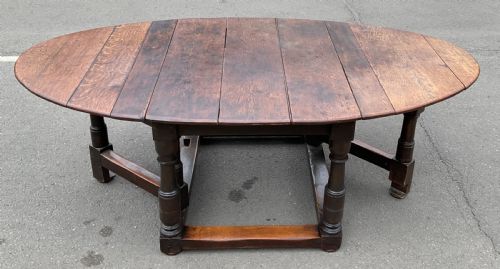
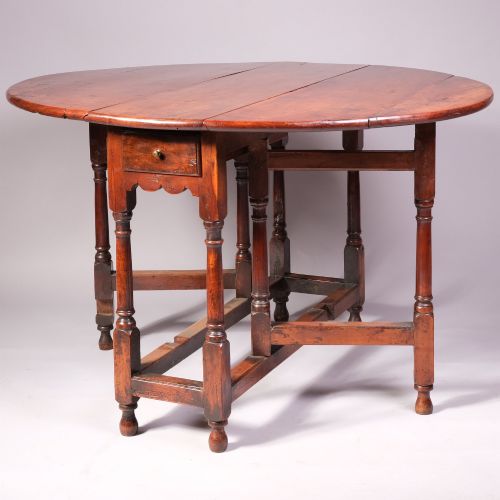
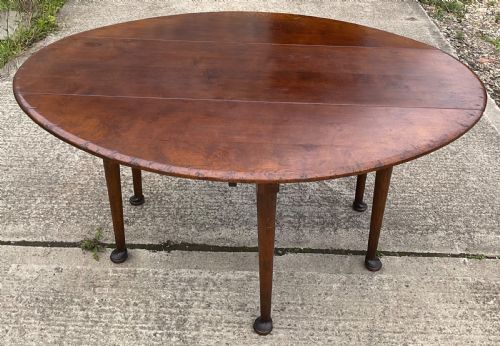
The pieces appearing in listings typically take oval or circular forms supported by swinging legs. Buyers frequently encounter large oak country dining tables alongside finer Cuban mahogany and walnut versions suited to formal reception rooms.
Materials and Construction
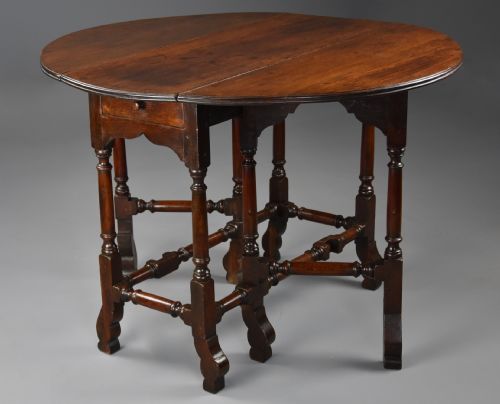
Cabinet makers built these tables using durable timbers including oak, walnut, and dense Cuban mahogany, often reinforced with brass hardware. The structural framework relies on hinged gate legs that swing outward to support the dropping leaves when open.
Joinery techniques involve sturdy pegging and framing designed to bear the heavy weight of solid wood tops. Surface finishes are applied to highlight the natural grain patterns of the timber.
Retail Price Guide 2026
Typical UK retail prices for georgian gateleg dining table, calculated from the Sellingantiques database of over a million retail prices indexed since 2003. This retail price guide relies exclusively on Sellingantiques data; no external sources or auction records are used, so the figures do not describe the wider market.
Listings feature oak and mahogany pieces spanning the eighteenth century, including George II styles and six-legged drop-leaf formats.
Judging Quality
Quality in a georgian gateleg dining table is determined by the choice of timber and the scale of the piece. Dense Cuban mahogany and figured walnut denote higher status pieces, whereas solid oak represents robust country craftsmanship.
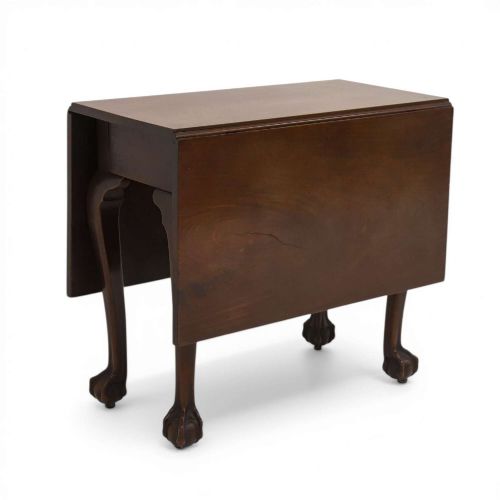
Proportions and leg construction distinguish finer examples from standard items. Tables featuring double gate supports, large seating capacities, and well-executed pad or ball and claw feet represent the upper tier of execution.
The Georgian Gateleg Dining Table Glossary
- Gateleg table
- A table with hinged leaves supported by legs that swing out like a gate. This design allows the table surface to fold down compactly when not in use.
- Drop-leaf
- A tabletop comprising a fixed centre section and hinged flaps on either side. These flaps raise to increase the available surface area.
- Pad foot
- A simple rounded foot shape found on eighteenth-century furniture legs. It rests flat on the floor without additional scrolling.
- Cuban mahogany
- A dense, dark timber harvested in the Caribbean and prized for cabinet making. It exhibits rich grain figures and high durability.
- George II
- A stylistic period spanning the mid-eighteenth century. Furniture from this era often shows heavier proportions and carved foot details.
Frequently Asked Questions
How many people can sit at a gateleg table?
Large versions can seat up to eight diners comfortably when fully opened with both leaves raised.
Smaller formats suit tighter spaces and seat four when deployed for meals.
Where should I place a gateleg table?
These tables fit well in dining rooms or large kitchens where flexibility is useful.
Folding down one or both leaves allows the table to sit flat against a wall as a console.
How do I identify a Georgian period piece?
Look for timber selection like Cuban mahogany or early oak, alongside traditional joinery methods.
Foot styles such as pad feet or ball and claw details also indicate eighteenth-century origin.
Are these tables sturdy enough for daily use?
Solid timber construction and swinging gate supports provide strong weight distribution for everyday dining.
The hinged joints require normal care to maintain stability over decades of use.