

Brown Walnut Dining Table
A brown walnut dining table brings warmth to a room through rich timber grain and enduring period construction.
Brown Walnut Dining Table
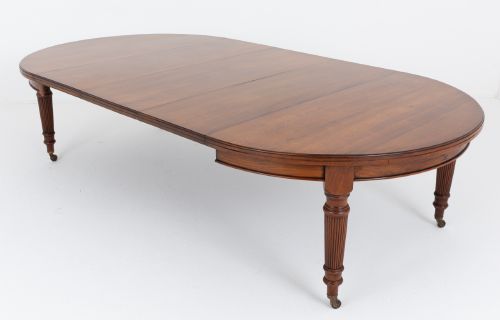
Buyers encounter solid timber construction alongside refined veneered surfaces, often arranged in oval, round, or rectangular footprints. These pieces originate from British workshops and continental makers alike, spanning formal dining rooms to country kitchens.
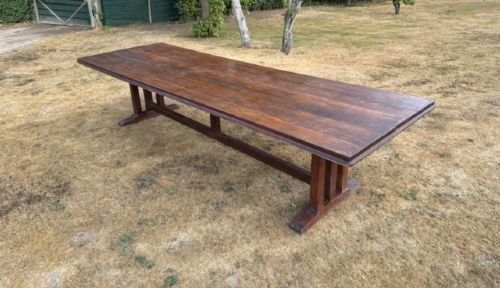
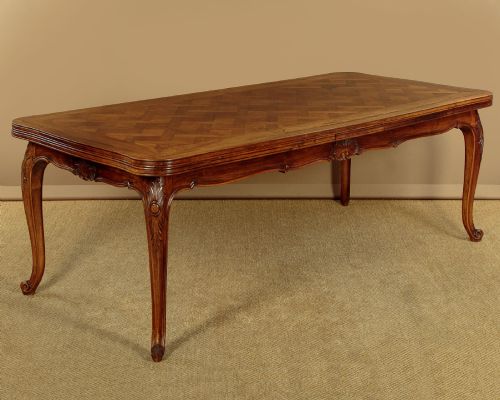
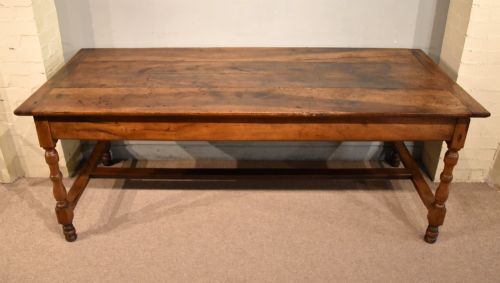
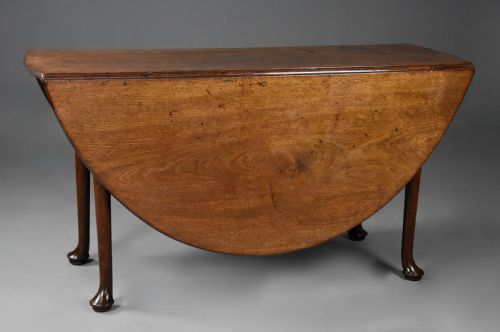
The assortment includes drop-leaf mechanisms, draw-leaf additions, and large refectory designs suited to contemporary dining spaces. Each piece carries the distinct character of its period, whether through elaborate marquetry or simple rustic charm.
Materials and construction methods
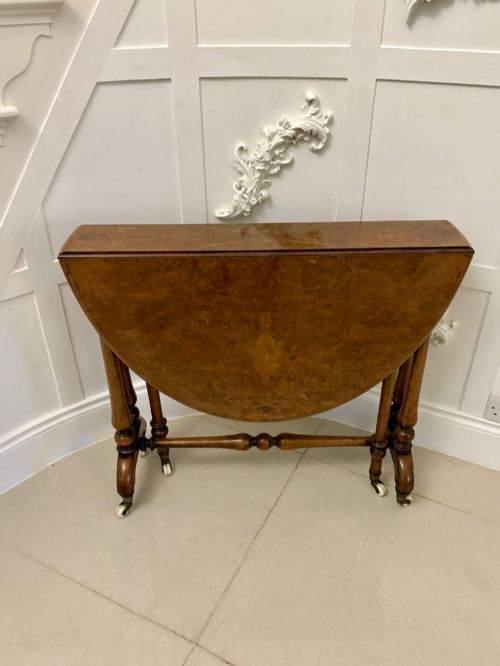
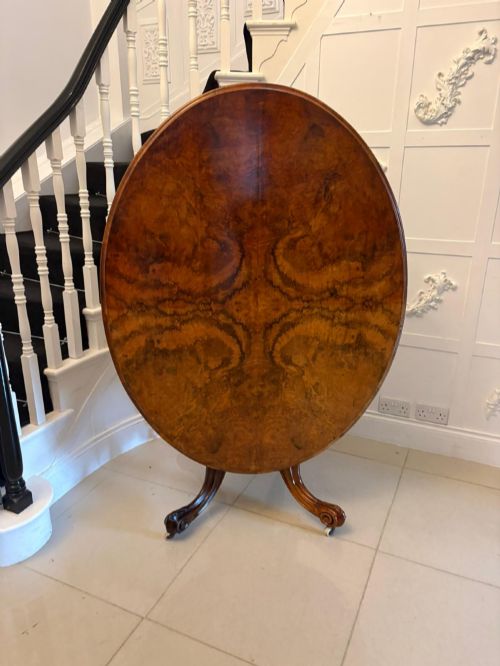
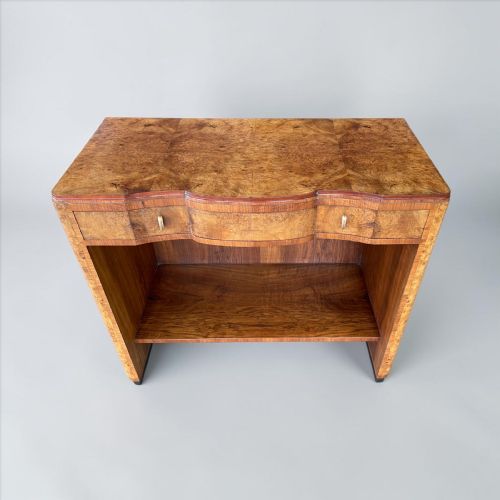
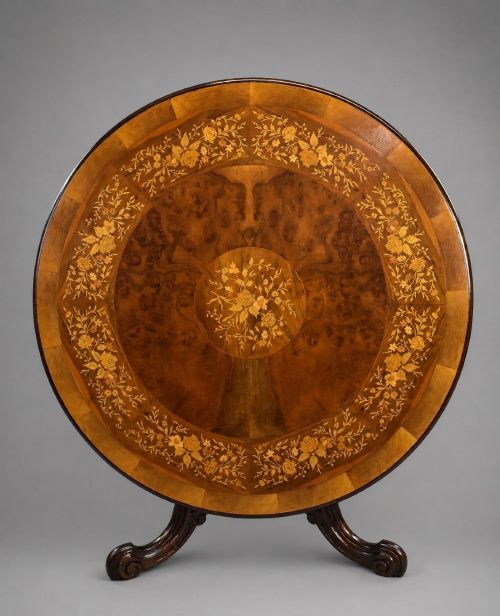
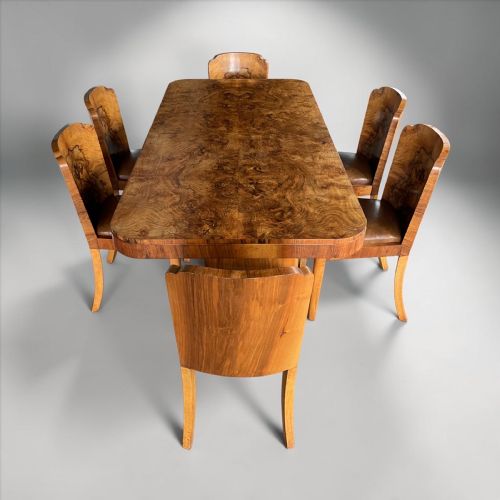
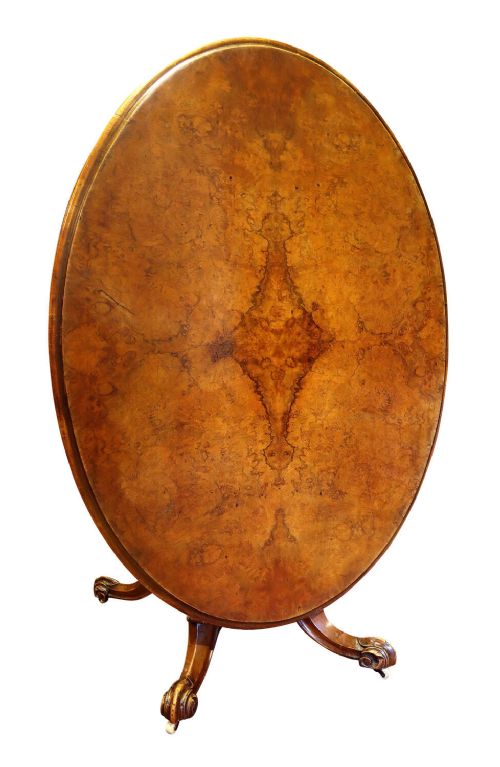
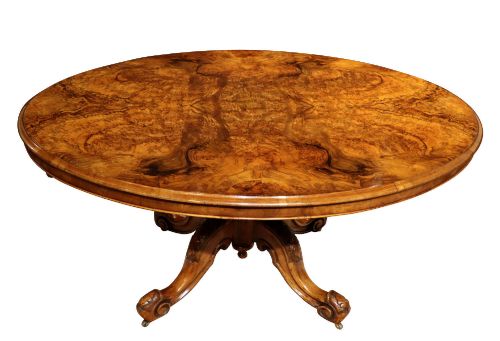
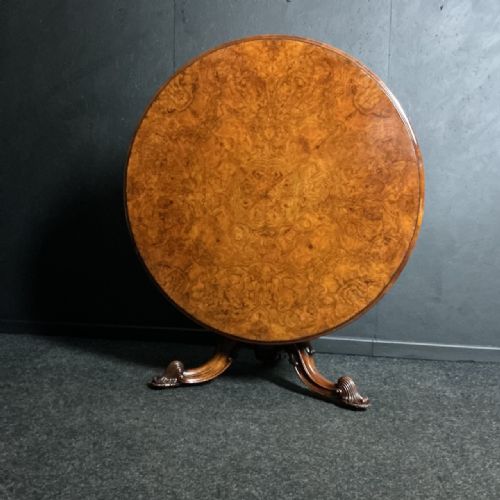
Cabinet makers utilised solid walnut and decorative walnut veneer over secondary timbers to achieve striking figurative grains. Burr walnut sections provided intricate, swirling patterns across table tops, while boxwood and marquetry inlay added crisp geometric contrast.
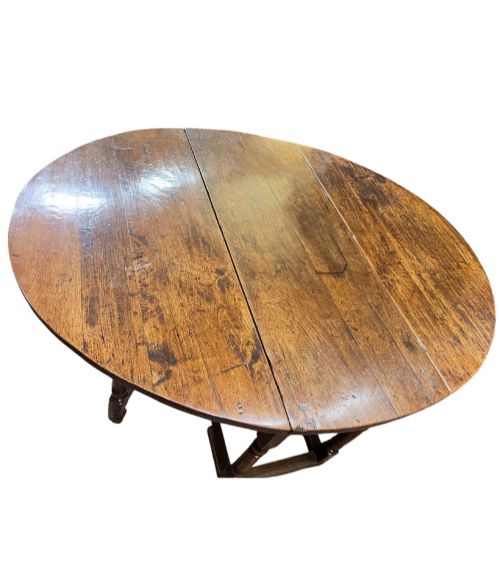
Structural integrity relied on sturdy framing methods, incorporating carved quadrapod bases, gateleg supports, and pillar pedestals. Brass fittings and ormolu mounts frequently finished the hardware and decorative elements on mid-nineteenth and early twentieth-century examples.
Brown Walnut Dining Table Retail Price Guide 2026
Typical asking prices for brown walnut dining table among the pieces listed under this phrase on Sellingantiques today, from the lower quarter to the upper quarter. They describe what is for sale here now, not the wider market.
Listings feature walnut timber alongside brass hardware, ceramic elements, and boxwood inlay across the Victorian and Edwardian eras.
Factors determining quality
Depth of timber figure and the complexity of the veneer work dictate visual merit across different tables. Superior examples display carefully matched burr patterns and seamless inlay without disruption across extending leaves.
The rigidity of the underframe and the smoothness of extension mechanisms reflect the original workshop's standard of joinery. Carved details on pedestals and aprons show crisp chisel work rather than soft, rounded profiling.
Maurice Adams·Maple And Co·Holmes Baldock·Hille Of London
The Brown Walnut Dining Table Glossary
- Burr walnut
- A figured wood grain obtained from the wart-like growths on walnut trees, prized for its swirling patterns.
- Tilt top
- A mechanism allowing the table surface to pivot vertically for storage against a wall when not in use.
- Marquetry
- Decorative patterns formed by fitting small pieces of veneer into a prepared surface.
- Refectory table
- A long, narrow dining table traditionally built with a solid top and sturdy stretcher-linked legs.
- Gateleg table
- A table featuring hinged leaves supported by swing-out legs that resemble a swinging gate.
Brown Walnut Dining Table: Frequently Asked Questions
How do I care for a walnut surface?
Clean walnut surfaces using a soft, dry cloth to remove dust and prevent micro-scratching. Avoid placing timber near direct heat sources or moisture.
Apply a traditional beeswax polish periodically to nourish the grain and maintain the natural lustre of the timber.
Are extending tables practical for daily use?
Extending mechanisms allow tables to adjust easily between compact daily footprints and large gatherings. Leaf inserts store separately or slide underneath depending on the design.
Check the runner action smoothly supports additional leaves without sagging at the centre joins.
What defines a loo table?
A loo table is a nineteenth-century pedestal table designed for the card game loo, featuring a round or oval top. Many incorporate tilt-top mechanisms to save space in drawing rooms.
Their substantial pillar bases provide robust support for regular family dining.
How do I identify Victorian walnut furniture?
Victorian pieces frequently display rich burr walnut veneers, elaborate carved pedestals, and oval top configurations. Cabinet makers often incorporated brass casters beneath quadrapod bases.
Construction details like hand-cut dovetails and traditional timber shrinkage help confirm the nineteenth-century origin.