




George II Dining Table
A george ii dining table brings mid-eighteenth-century craftsmanship into a modern interior through versatile drop-leaf forms and dense mahogany timbers.
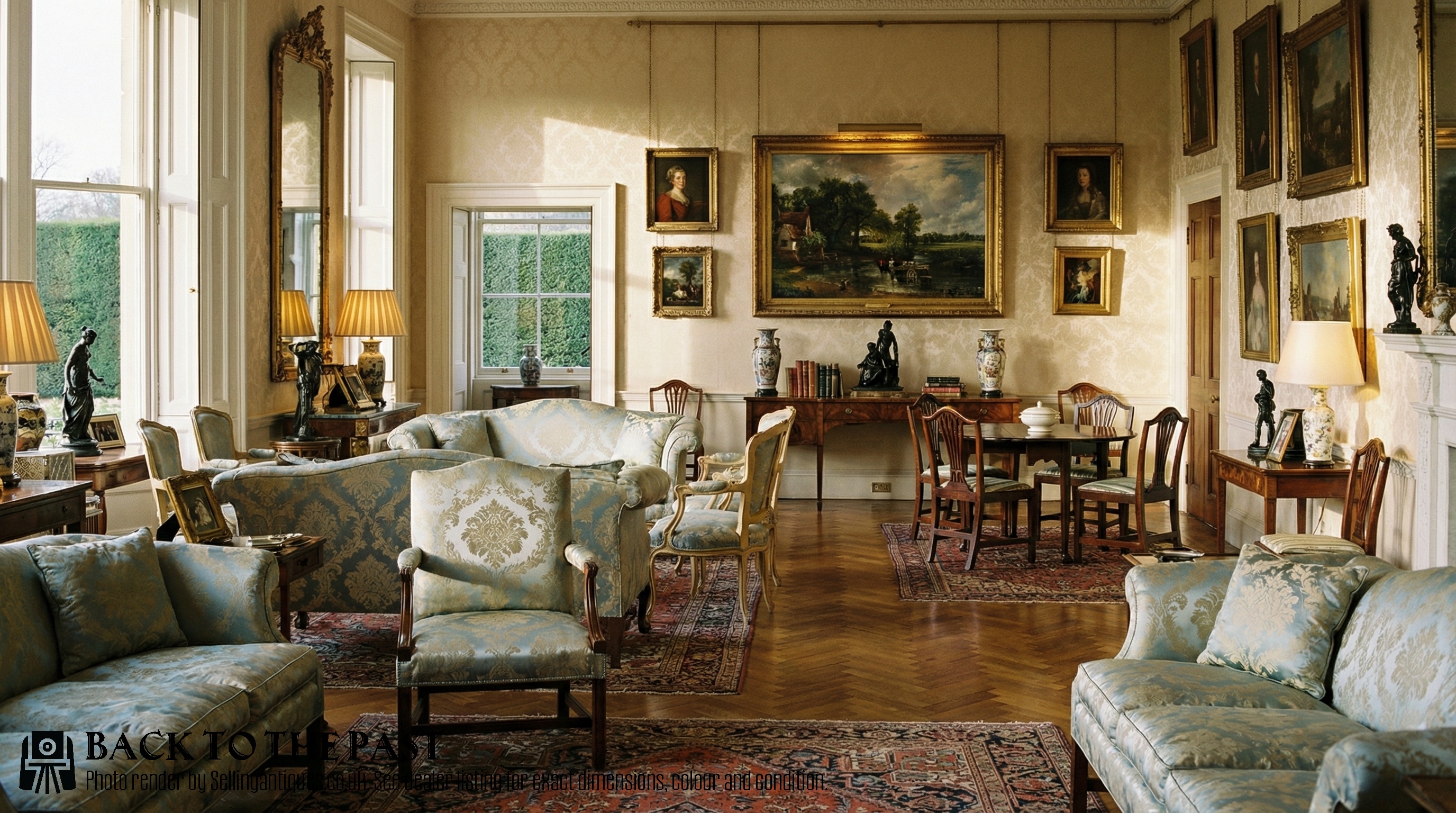
What They Are
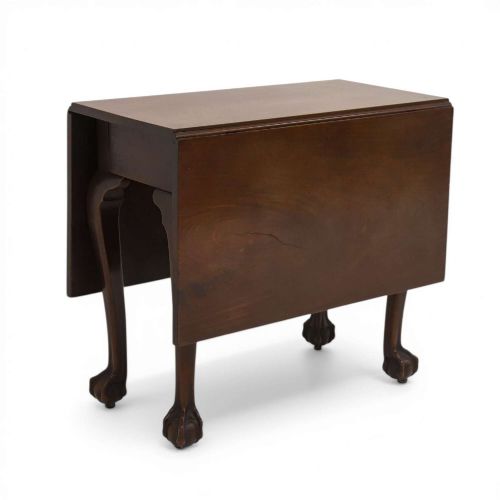
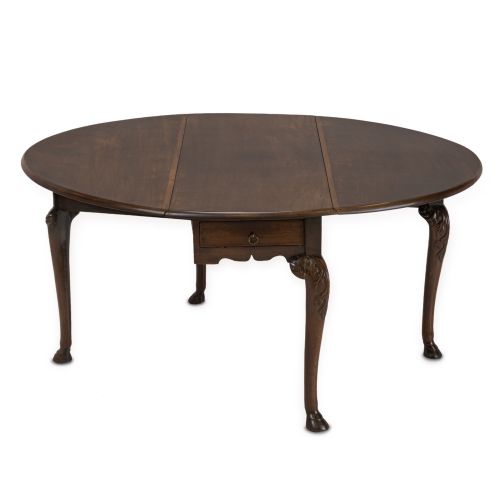
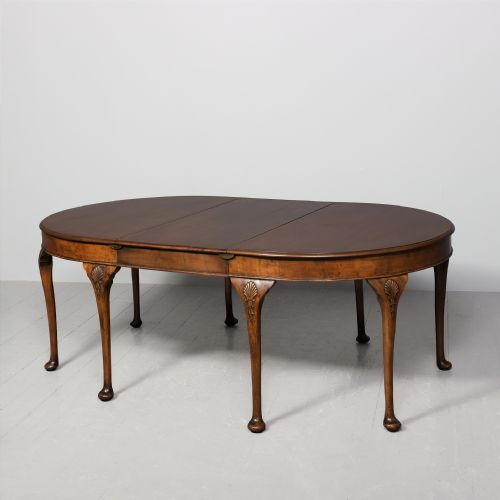
A george ii dining table primarily takes the form of a drop-leaf or gateleg table dating from the eighteenth century. These pieces offer expandable surfaces supported by hinged flaps and folding legs, designed for flexible use in period homes.
What Varies in Quality
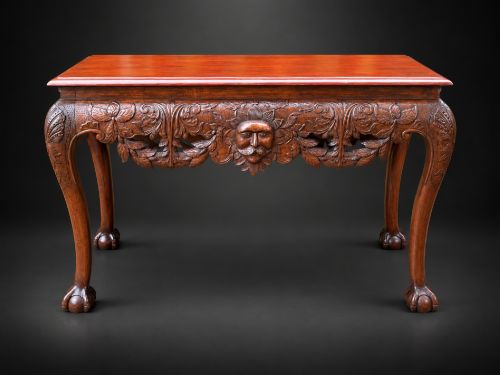
The distinction between standard examples and the finest pieces lies in the choice and figure of the timber, particularly dense Cuban mahogany. Superior proportion and large scale elevate certain tables above simpler domestic counterparts.
Carving execution defines the upper tier of production, seen in crisp details on cabriole legs and distinct foot forms like claw-and-ball. The integration of robust gateleg actions and well-balanced flaps separates standard utility tables from more substantial dining furniture.
Retail Price Guide 2026
Typical UK retail prices for george ii dining table, calculated from the Sellingantiques database of over a million retail prices indexed since 2003. This retail price guide relies exclusively on Sellingantiques data; no external sources or auction records are used, so the figures do not describe the wider market.
Listings feature eighteenth-century periods alongside materials including brass, iron, standard mahogany, and heavy Cuban mahogany.
The George II Dining Table Glossary
- Drop-Leaf Table
- A table with a fixed centre section and hinged flaps that fold down when not in use. These flaps raise to provide an expanded surface supported by swinging legs.
- Cabriole Leg
- A furniture leg that curves outward at the knee and tapers inward toward the ankle. This form mimics animal limbs and typifies mid-eighteenth-century design.
- Cuban Mahogany
- A dense, heavy tropical hardwood prized for its rich grain and deep colour. It was imported heavily during the eighteenth century for high-end cabinet making.
- Gateleg Table
- A table with legs hinged to swing outward like a gate to support folding leaves. This mechanism allows a compact frame to transform into a large dining surface.
- Pad Foot
- A simple, flat-bottomed foot resting on a disc shape at the base of a cabriole leg. It provides a clean terminal point without elaborate carving.
Frequently Asked Questions
How do I use a drop-leaf table daily?
Drop-leaf tables adapt easily to daily life by folding down against a wall to save floor space when dining is finished. Raising the leaves provides a full surface for meals whenever required.
The sturdy gateleg frames swing outward to support the extended flaps securely. This flexibility makes them practical for both compact rooms and larger dining spaces.
What wood are these tables made from?
The listings show that these tables are constructed primarily from mahogany and dense Cuban mahogany. Oak also appears in specific refectory and farmhouse variants.
Cabinet makers utilised these durable timbers to support the weight of folding leaves and frequent mechanical movement. Metal hinges and iron fittings provide internal structural reinforcement.
How can I tell an eighteenth-century table apart?
Eighteenth-century tables are identified by period construction methods, traditional timber choices like Cuban mahogany, and characteristic foot forms such as pad feet or claw-and-ball. Proportions tend to reflect the specific standards of the mid-1700s.
Examining the underside reveals hand-cut joinery and period hardware rather than modern fixings. These physical traits separate genuine pieces from later revivals.
Where were these tables placed originally?
These tables served as versatile furniture pieces in period dining rooms, parlours, and domestic halls. Their folding design allowed rooms to be cleared quickly when dining was over.
Smaller versions functioned as occasional tables before being expanded for meals. Larger gateleg formats provided permanent dining capacity for households.